Alishan Ecological Education Center
Taiwan · Chiayi County · Alishan Township · Nature & Scenery
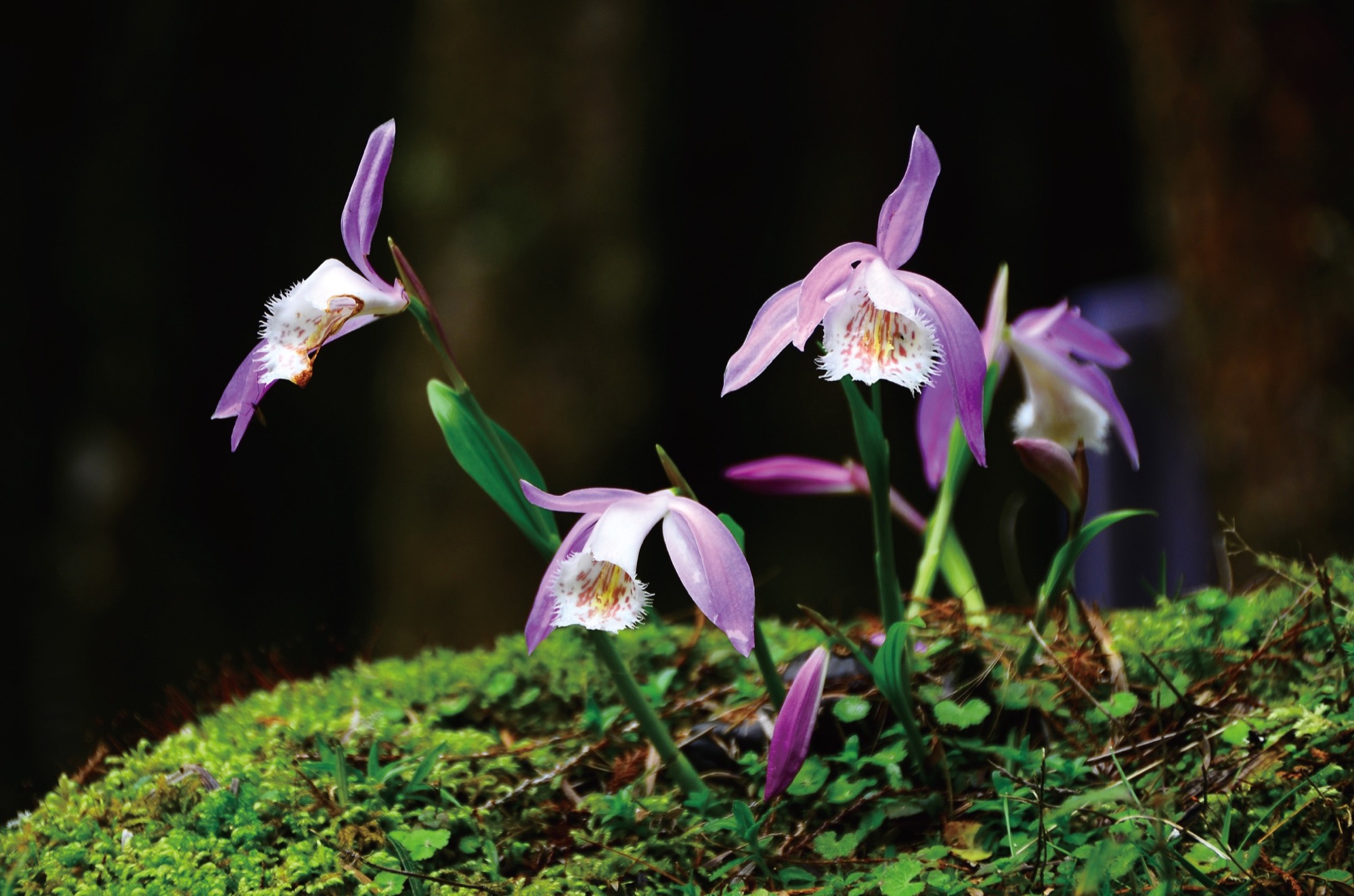
Image source: Taiwan_Opendata; license credits as shown.
Overview
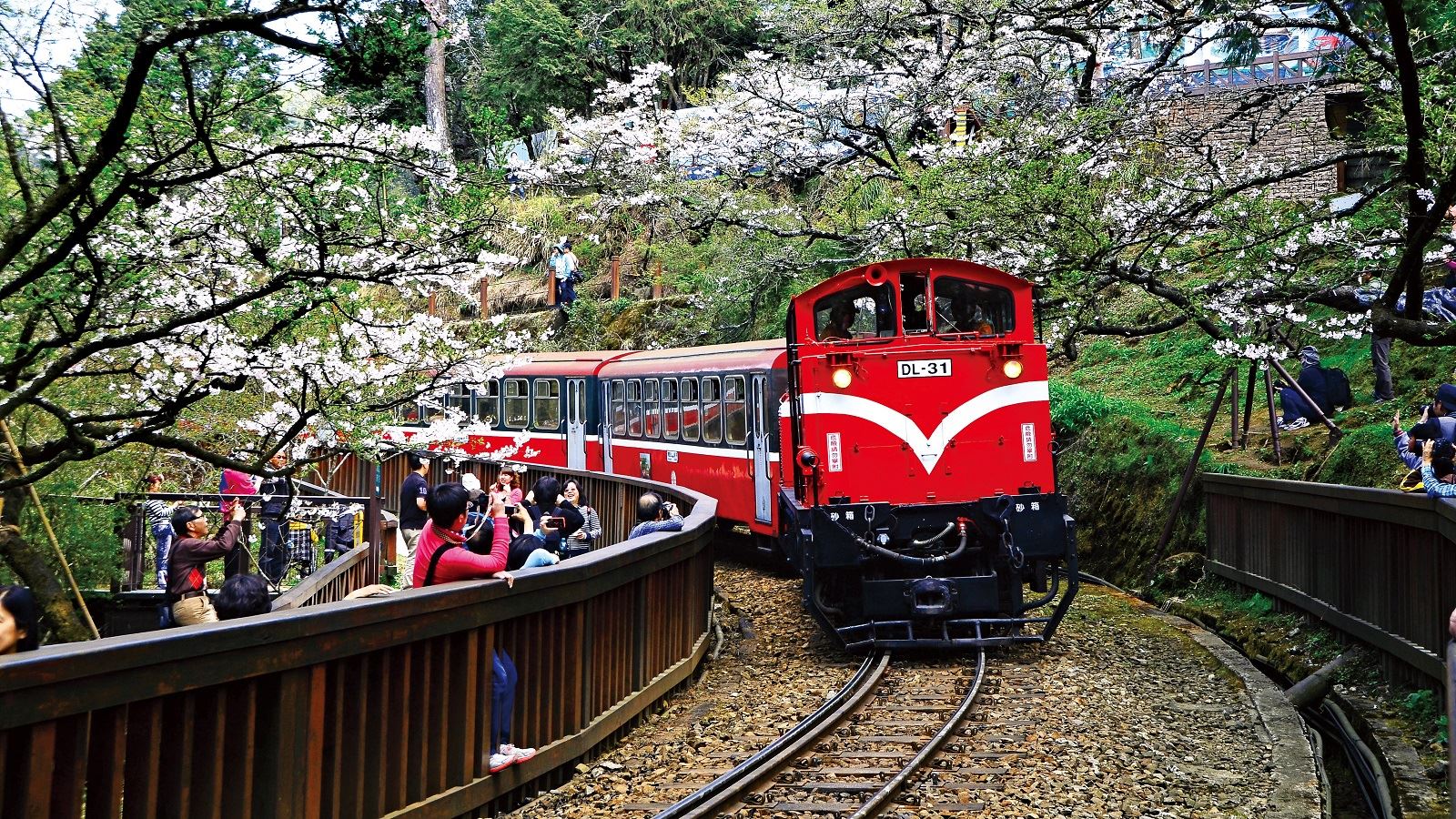
To promote the concept of nature conservation and help visitors learn about Alishan’s natural ecology, the Chiayi Branch of the Forestry and Nature Conservation Agency has renovated the former Alishan Work Station and other old buildings into the Alishan Ecological Education Center, the Forest Era Forestry Story House, and the A-lí-san Mountain & Wilderness Creative House. The buildings are located within the Alishan National Forest Recreation Area. Their exhibits cover topics ranging from Tsou culture and alpine plants to forestry history, mountain culture, literature, and art, guiding visitors to rediscover the many dimensions of Alishan in the relationship between people and nature.
Getting There
[By car] Route 1: National Freeway 3 (South Second Freeway): exit at Zhongpu Interchange, then take Provincial Highway 18 (the Alishan Highway) to the Alishan National Forest Recreation Area (88.2K). [By car] Route 2: National Freeway 1 (Sun Yat-sen Freeway): exit at Chiayi Interchange, then take Provincial Highway 18 (the Alishan Highway) to the Alishan National Forest Recreation Area (88.2K). [Public transportation] By bus: Chiayi County Bus (Chiayi–Alishan), (Chiayi High-Speed Rail–Alishan), and (Fenqihu–Alishan). For schedules and operating status, contact Chiayi County Bus Chiayi Station at (05)2788-177 or visit the website https://bus.cyhg.gov.tw/ [Public transportation] By coach: Yuanlin Bus: (Sun Moon Lake–Alishan). For schedules and operating status, contact Yuanlin Bus Shuili Station at 049-2770041. [Public transportation] By coach: Kuo-Kuang Motor Transport: (Taipei Bus Station–Alishan). For schedules and operating status, contact Kuo-Kuang Motor Transport at 0800-010-138 or Taipei Bus Station at 02-25583060. [Public transportation] By train: The Alishan Forest Railway is fully operational. For ticketing details and timetables, please use the Alishan Forest Railway booking system at https://afrts.forest.gov.tw/TP01_1.aspx or call Beimen Station at 05-2768094.
Highlights
The Alishan Ecological Education Center is located inside the Alishan National Forest Recreation Area and was created by renovating and repurposing the former Alishan Work Station and nearby historic buildings. It combines the Forest Era Forestry Story House and the A-lí-san Mountain & Wilderness Creative House to present Alishan’s many facets, from natural ecology to humanities and the arts. Centered on nature conservation, the exhibits use Tsou culture, alpine plants, protected natural areas, forestry development history, and mountain literature and art to help visitors understand the relationship between people and the mountains and forests. It is also an important site for learning about conservation work for rare species such as Taiwan rhododendron and the Alishan salamander, as well as the transformation of the Alishan Forest Railway and the histories of afforestation and logging. It is well suited for families, school groups, and travelers interested in nature and culture as an educational stop on an Alishan itinerary.
What to See
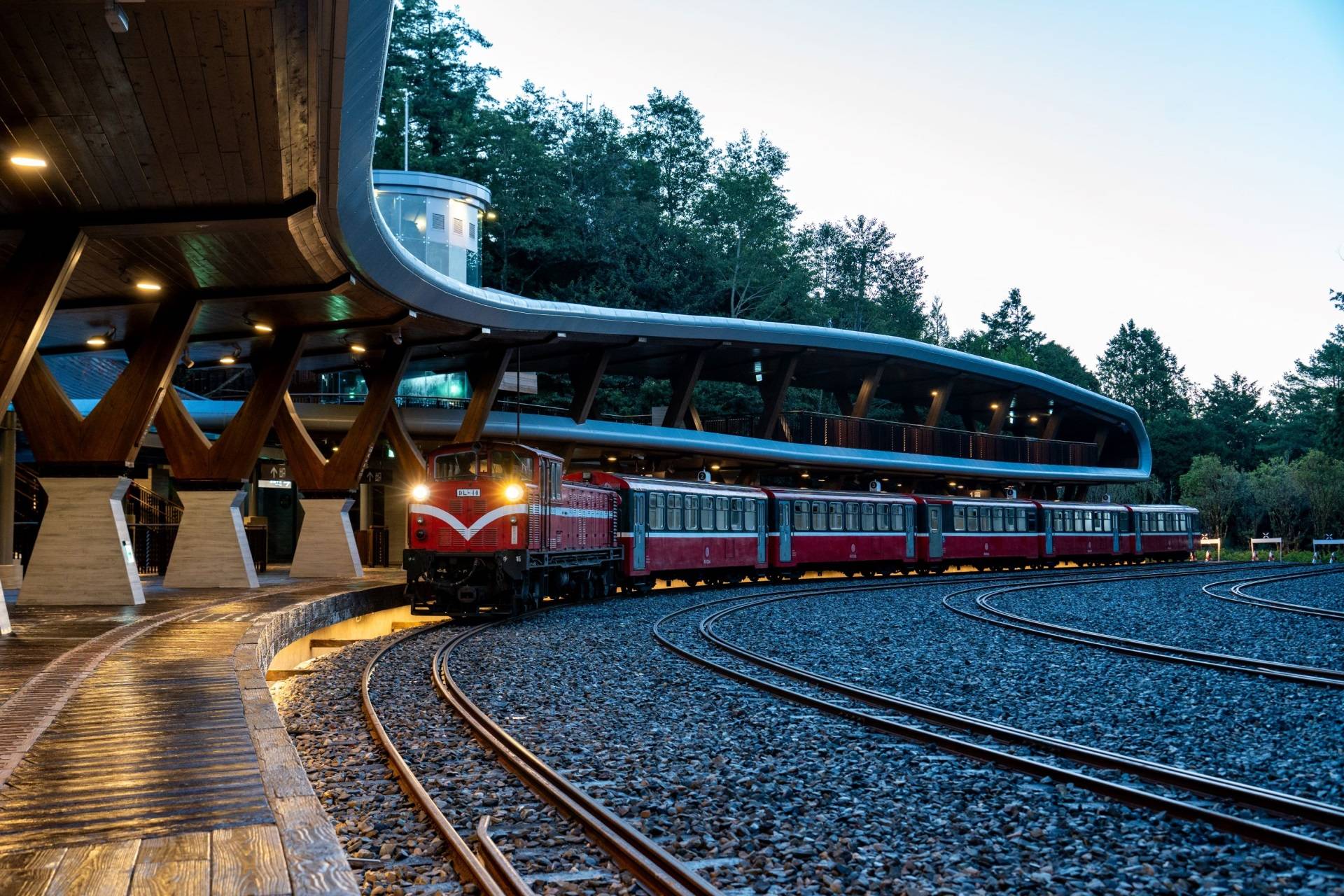
1. Alishan Ecological Education Center Main Hall: Renovated from the original Alishan Work Station building, it uses multimedia, models, and illustrated panels to present the forest ecosystem of the Alishan area, alpine flora and fauna, and an overview of the natural reserve, while also explaining the impacts of human activity on the mountains and conservation efforts. 2. Tsou and Mountain Forest Culture Area: Through Tsou daily objects, traditional knowledge, and stories, this area explains the wisdom and cultural context of Indigenous coexistence with the Alishan forests, allowing visitors to rediscover Alishan from a local perspective. 3. Alpine Plants and Taiwan Rhododendron Displays: These exhibits introduce the ecology of common alpine plants in the Alishan area and connect them with the conservation concept of the Taiwan rhododendron natural reserve, explaining the growing environment and current protection status of these rare plants. 4. Forestry History and Afforestation Stories: Centered on Alishan’s forestry development, this area reviews the logging era, afforestation work, and policy changes. Combined with the space of the former work station and cultural relics, it shows the daily life of forestry workers in the high mountains and related history such as the Alishan Forest Railway. 5. Forest Era Forestry Story House: This Japanese-style wooden building has been turned into a forestry-themed space that uses storytelling displays and old photographs to trace Alishan’s transformation from a logging center into a conservation and recreation destination. 6. A-lí-san Mountain & Wilderness Creative House: This exhibition area combines literature and artistic creation, displaying paintings, literary excerpts, and works inspired by Alishan to reflect mountain landscapes, seasonal changes, and people’s emotions toward the mountains. 7. Conservation and Research Achievements: Through clear explanations, this area describes the monitoring of important wildlife habitats, management of natural reserves, and environmental education initiatives carried out by government agencies and research institutions in Alishan, helping visitors understand practical approaches to ecotourism and sustainable management.
Address
No. 68, Zhongzheng Village, Alishan Township, Chiayi County 605 Tel: (05)2679755
Travel Tips
1. Recommended visit time: If you want to take your time reading exhibits and taking photos, plan for about 1 to 2 hours. You can also combine this with other attractions in the Alishan National Forest Recreation Area for a half-day or full-day itinerary. 2. Suggested visiting route: Follow the main trails in the Alishan National Forest Recreation Area according to the signs, and depending on opening conditions, visit the Main Hall, the Forestry Story House, and the Mountain & Wilderness Creative House in sequence for a more coherent overall experience. 3. Best seasons to visit: Spring blossoms, summer heat escape, autumn maple viewing, and winter cloud seas and snow scenery each have their own appeal. Since the buildings are indoors, they are also a good backup plan when afternoon mountain thunderstorms or poor weather occur. 4. Mountain climate and clothing: Alishan has a large temperature difference between day and night, so even in summer a light jacket is recommended. In winter, warm clothing is necessary. Since many trails are slopes or stairs, comfortable walking shoes or hiking shoes are advised. 5. Altitude and stamina: The area is at high elevation, so some visitors may feel mild discomfort. It is best to slow down, rest when needed, and stay hydrated. If traveling with elderly people or children, pay extra attention to stamina. 6. Photography and visiting etiquette: Some exhibition areas may restrict food and drink or flash photography. Please follow on-site notices. Before photographing people or sharing impressions, respect others and the cultural meaning of Indigenous traditions. 7. Combine with Zhushan and Zhaoping plans: Since the buildings are inside the Alishan Forest Recreation Area, they are suitable to combine with the Zhushan sunrise experience, Zhaoping Park trails, and the Forest Railway, making them a stop that deepens understanding of Alishan’s nature and culture beyond the scenic views. 8. Accessibility and family travel: The exhibition spaces are indoors and therefore relatively suitable for families and older travelers. If accessibility facilities are needed, it is recommended to confirm the park and building routes and services in advance to help arrange the itinerary. 9. Information updates and guided tours: Exhibition content and opening arrangements may change at any time. Before departure, check the latest announcements through the official information from the Alishan National Forest Recreation Area or the Chiayi Branch of the Forestry and Nature Conservation Agency, and if there are guided tours or events, prioritize advance registration.
FAQ
Q: Is the Alishan Ecological Education Center suitable for families or school field trips? A: Yes, it is very suitable. The center uses illustrations, multimedia, and models to explain Alishan’s plants and animals, ecological conservation, forestry history, and Tsou culture in an easy-to-understand way. It helps children build awareness of nature conservation and can be combined with hands-on observation on the park trails, making it a good educational stop for field trips or family travel. Q: Do I need a reservation or a separate ticket to visit the Alishan Ecological Education Center? A: The Alishan Ecological Education Center is within the Alishan National Forest Recreation Area, so general visitors can go there as long as they enter the park according to the park rules. Whether there is an extra fee or a reservation system may depend on the operation of the site and event planning, so it is recommended to check the latest official announcements before departure or ask at the park visitor center. Q: How long does it usually take to visit the Alishan Ecological Education Center? A: For a basic visit, reading the main explanations, and taking a few photos, about 1 hour is enough. If you want to learn more carefully about Tsou culture, forestry history, and the ecological themes, and also combine the nearby exhibition spaces and park trails, it is better to allow 1 to 2 hours or a half-day itinerary. Q: What conservation-related topics can I learn about at the Alishan Ecological Education Center? A: The center covers topics ranging from the Taiwan rhododendron natural reserve and important wildlife habitats in the Tataka and Lulin Mountain areas to the plants and animals of the Alishan forest and the transformation of the forestry industry. It explains how research, conservation measures, and environmental education are carried out, helping visitors understand the relationship between ecotourism, Indigenous culture, and sustainable management, and how people and nature can coexist.