Bukchon Art Museum
South Korea · 嘉會洞 · Museums, Culture & Arts

Image source: Wikimedia Commons; license credits as shown.
Overview
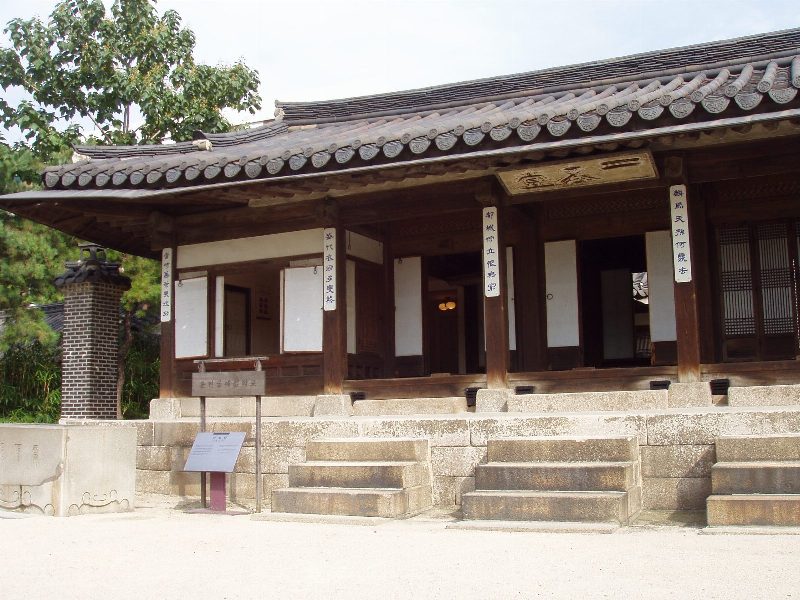
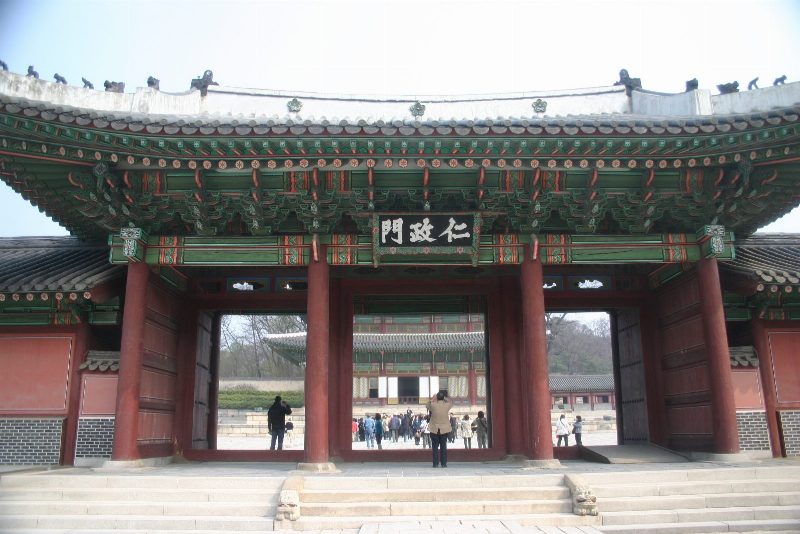
Bukchon Art Museum is a community-based art museum located in the Jongno District of Seoul, near the traditional neighborhoods of Bukchon Hanok Village and Samcheong-dong. The museum showcases a range of works from traditional Korean art to contemporary pieces, allowing visitors to experience a diverse artistic perspective within the historical and cultural atmosphere of Bukchon. Situated in a tranquil residential area dense with hanoks, it is also ideal for combining visits with a stroll through Bukchon and exploring nearby cultural attractions and alleyways.
Getting There
To reach Bukchon Art Museum, take Seoul Subway Line 3 to Anguk Station, Exit 3, and walk about 8 to 10 minutes to the Bukchon Hanok Village area in Gahoe-dong. You can also take blue buses 109, 151, 162, 171, 172, 272, 601 or green bus 7025 and get off at Anguk Station or nearby bus stops, then walk towards Bukchon Hanok Village. Since it is located within the hanok alleys, it is recommended to use map navigation or first locate 'Gahoe-dong' and 'Bukchon Hanok Village' before finding the museum's location.
Highlights
Bukchon Art Museum is a community art museum that combines the historical and cultural background of Bukchon with modern art exhibitions. The collection and exhibitions extend from traditional Korean art to contemporary works, providing visitors with the opportunity to appreciate various eras and styles in one space. The museum is located near Bukchon Hanok Village, within a historical district often referred to as 'the street museum in the city center', allowing visitors to experience the dialogue between the hanok settlement and artistic creation. It resonates well with surrounding workshops, cultural centers, and traditional cultural institutions, making it a perfect stop during a walking tour of Bukchon.
What to See
The exhibition space of Bukchon Art Museum features a white and minimalist style, offering a diverse display of works from traditional to modern art, with the content adjusted according to the current exhibitions. Recommended nearby attractions include the 'Eight Scenic Views of Bukchon' in Bukchon Hanok Village, such as the 'Three Views of Bukchon' known for its sloped scenery around Gahoe-dong 11, which offers views of Namsan Seoul Tower and traditional hanok rooftops. Additionally, you can visit the 'Bukchon Traditional Cultural Center', which is a renovated mansion from the late Joseon Dynasty that retains the typical hanok structure and provides visitors with basic information about Bukchon's history and culture. The areas of Gahoe-dong and Gye-dong Street are also dotted with public hanoks, workshops, and small galleries, allowing for a leisurely exploration of various artistic and handmade spaces.
Hours & Admission
Bukchon Art Museum is a private or local art space, and the actual opening hours and ticket prices may vary depending on exhibitions and operational conditions. It is recommended to check the latest information or on-site announcements before your visit. Generally, most small galleries and exhibition spaces in the Bukchon area are open during the day, with Mondays or specific days off, and some exhibitions may be free while others may require a small admission fee or special exhibition charges, so visitors should allow flexible time for inquiries on-site. If the museum is closed on the day of your visit, you can still enjoy a walk through Bukchon Hanok Village, visit the Bukchon Traditional Cultural Center, and explore nearby cafes as alternative plans.
Address
Gahoe-dong, Jongno District, Seoul
Travel Tips
The best way to visit Bukchon Art Museum is to combine it with a walking tour of Bukchon Hanok Village. It is generally recommended to allocate half a day to a full day to leisurely explore Gahoe-dong, Gye-dong Street, and Samcheong-dong. Bukchon Hanok Village is a traditional residential area where some residents still live, so please keep your volume down while visiting the museum and surrounding alleys to avoid disturbing the residents, and adhere to photography and entry regulations for private homes. Bukchon is suitable for visits year-round; spring is great for flower viewing, while autumn offers beautiful maple foliage contrasting with hanok rooftops, making it a popular season for photography. The alleys often involve uphill paths and stone steps, so it is advisable to wear comfortable shoes and avoid dragging large luggage; in summer, be mindful of sun protection and hydration.
Nearby Dining
The areas around Bukchon Art Museum, including Gahoe-dong, Gye-dong Street, and Samcheong-dong, are home to many unique cafes, Korean restaurants, and dessert shops, making them great options for dining before or after your visit. If you want to experience traditional Korean ambiance, you can choose a teahouse or hanok cafe within Bukchon Hanok Village, enjoying traditional snacks while appreciating the courtyard views. On the main street of Samcheong-dong and the road leading to Gyeongbokgung Palace, there are also many restaurants and brunch spots that blend Korean and Western cuisine, suitable for travelers who enjoy light meals and coffee culture. It is advisable to estimate your dining time in advance, as popular restaurants often have queues during peak seasons and holidays; arriving early or avoiding peak hours is recommended.
FAQ
Q: What types of works are mainly exhibited at Bukchon Art Museum? A: Bukchon Art Museum mainly exhibits a diverse range of works from traditional Korean art to contemporary art, emphasizing cross-era and multi-perspective artistic presentations. The museum focuses on art display spaces and regularly hosts different themed exhibitions, allowing visitors to freely understand and appreciate various works in a small and exquisite environment. The historical atmosphere of the surrounding Bukchon Hanok Village often attracts travelers interested in Korean culture, aesthetics, and artistic creation. Q: What is the transportation method to Bukchon Art Museum? A: The most convenient way to reach Bukchon Art Museum is to take Seoul Subway Line 3 to Anguk Station, Exit 3, and then walk about 8 to 10 minutes to the Bukchon Hanok Village area in Gahoe-dong. You can also take blue buses 109, 151, 162, 171, 172, 272, 601 or green bus 7025 and get off at Anguk Station or nearby bus stops, then walk towards Bukchon Hanok Village following the signs or map. Since the museum is located within the hanok residential area, it is recommended to search for 'Gahoe-dong' and 'Bukchon Hanok Village' on your mobile map to further confirm the museum's location and route. Q: Do I need to make a reservation in advance to visit Bukchon Art Museum? A: Bukchon Art Museum is generally open as a regular exhibition space, and usually does not require advance reservations for entry. However, special events or group visits may have separate regulations. Since the operational information of the museum is not as publicly available as that of large public museums, if you are particularly interested in specific exhibitions or events, it is advisable to search for the latest information before your visit or inquire at the Bukchon Tourist Information Center and Bukchon Traditional Cultural Center upon arrival. If the museum happens to be closed, you can opt for a stroll through the Eight Scenic Views of Bukchon or visit other galleries and workshops as alternative arrangements. Q: What other attractions are nearby Bukchon Art Museum? A: Nearby Bukchon Art Museum, you can find Bukchon Hanok Village, the Eight Scenic Views of Bukchon, the Bukchon Traditional Cultural Center, Gahoe-dong, and Gye-dong Street, making it very suitable for planning a walking route. Among them, the 'Three Views of Bukchon' (around Gahoe-dong 11) is one of the most famous photo spots, offering distant views of Namsan Seoul Tower and layers of hanok rooftops. Additionally, you can walk southwest to Gyeongbokgung Palace and Gwanghwamun Square, or head south to visit Insadong Cultural Street, forming a classic cultural route in Seoul that combines palaces, traditional neighborhoods, and artistic spaces. Q: What should I be aware of when taking photos at Bukchon Art Museum and Bukchon Hanok Village? A: When taking photos inside Bukchon Art Museum, you must adhere to the exhibition and museum regulations; some works or exhibition areas may prohibit photography or restrict the use of flash, so it is advisable to pay attention to notices or ask staff upon entry. Bukchon Hanok Village is still a residential area where some residents live, so while the alleys and hanok exteriors are very photogenic, visitors should avoid making noise and not point cameras at residents' interiors or private spaces to respect their privacy. Some areas are designated as 'special management zones' at night, with entry and exit time restrictions, so it is recommended to take photos and stroll during daylight hours with good lighting.