Camoes Garden
MO Country · 澳門 · Parks & Gardens
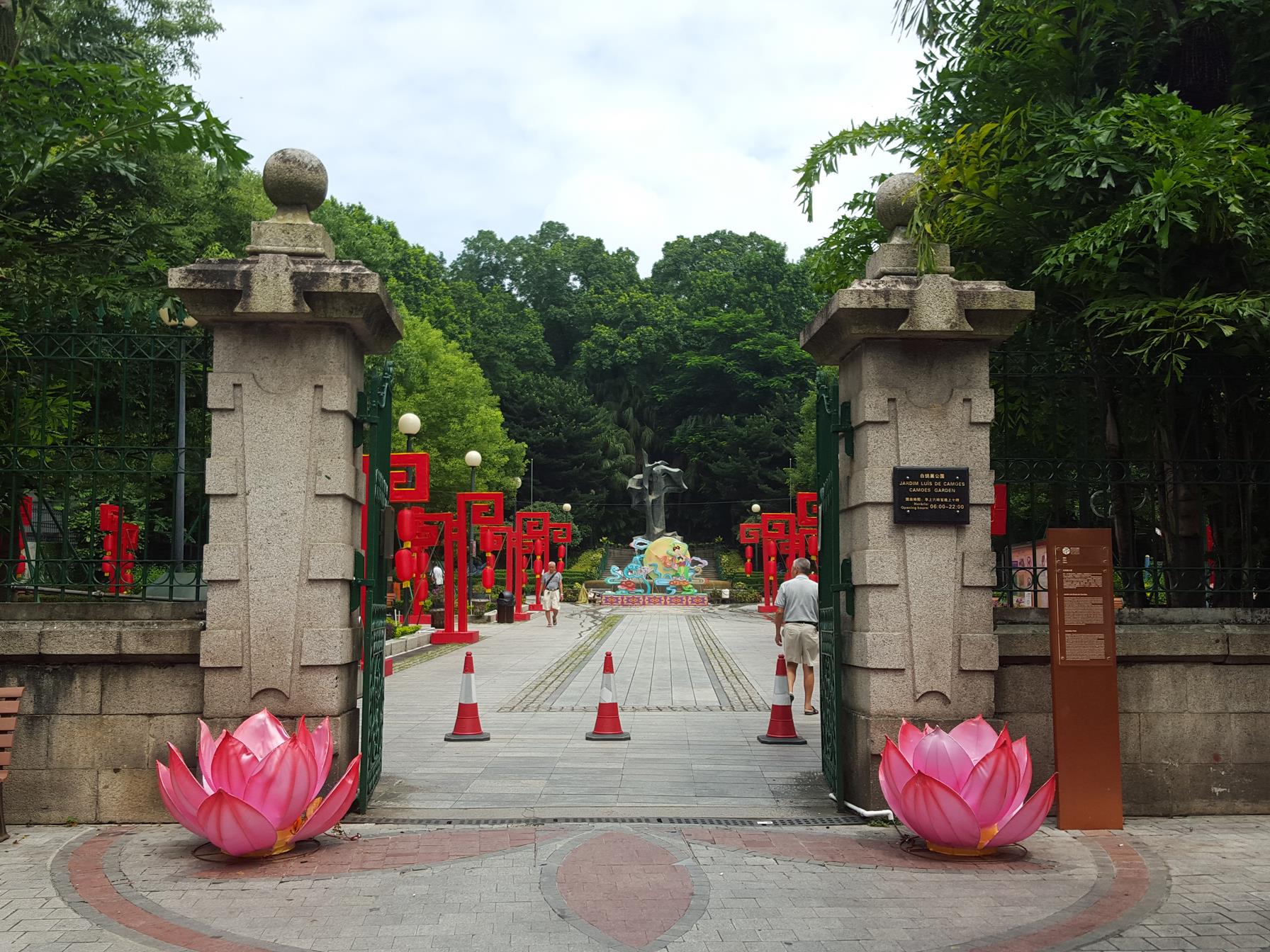
Image source: Wikimedia Commons; license credits as shown.
Overview
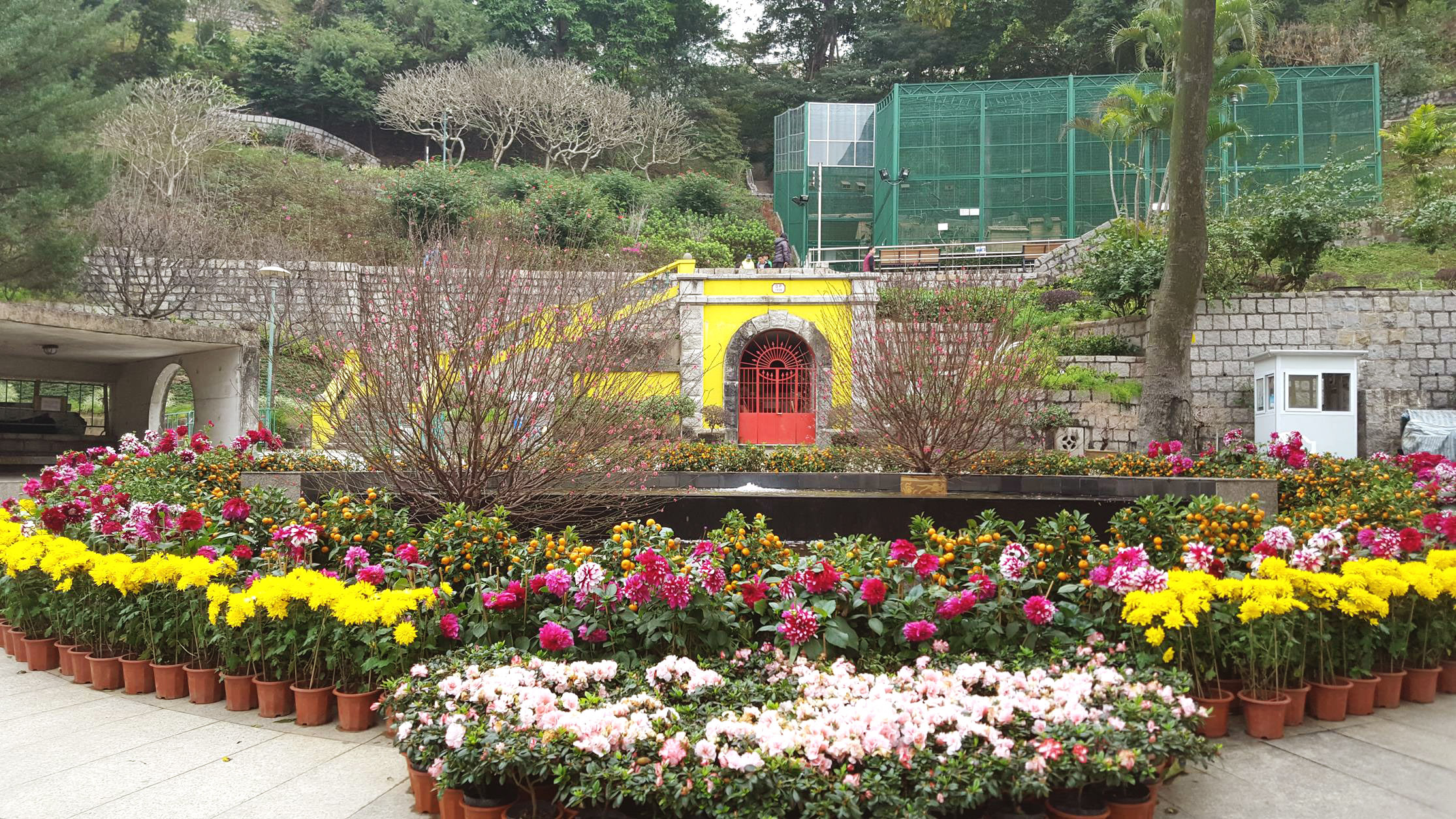
Camoes Garden is one of the oldest and most historic parks in Macau, located in the northern part of the Macau Peninsula at the Praça de Camões. It has become a popular spot for locals to walk, exercise, and for tourists to experience local life. The park features rolling hills, towering ancient trees, and winding shaded paths, while preserving many landscapes related to Macau's Portuguese colonial history and literary anecdotes. The park is also an important green space in the 'Historic Centre of Macau', adjacent to the Christian Cemetery, St. Anthony's Church, and the East Asian Foundation headquarters, making it suitable for a cultural walking route.
Getting There
The most convenient way to reach Camoes Garden is to take a Macau bus to 'Camoes Garden Terminal (M124, JARDIM CAMÕES/TERMINAL)' or 'Praça de Camões (M201, PRAÇA LUÍS CAMÕES)' stop. After getting off, it is about a 2 to 5-minute walk to the park's entrances. You can also walk from the Ruins of St. Paul's for about 10 minutes uphill, following the signs, which will connect you to attractions such as St. Anthony's Church and the Christian Cemetery along the way.
Highlights
The main feature of Camoes Garden is its combination of natural landscapes and historical memories from the colonial period, making it an urban park that embodies leisure, culture, and literary significance. The park's terrain is undulating, with stone steps, viewing platforms, pavilions, and shaded paths, providing a relatively cool environment even in summer, making it popular among local residents for morning exercises and Tai Chi. The park is famous for being the retreat of Portuguese poet Luis de Camões, who wrote the epic 'The Lusiads' here, with a bust of Camões in a cave and several stone carvings inspired by poetry, becoming representative literary attractions. The area also connects to the East Asian Foundation headquarters and the Christian Cemetery, forming a readable and walkable 'Stone Memory' historical and cultural space.
What to See
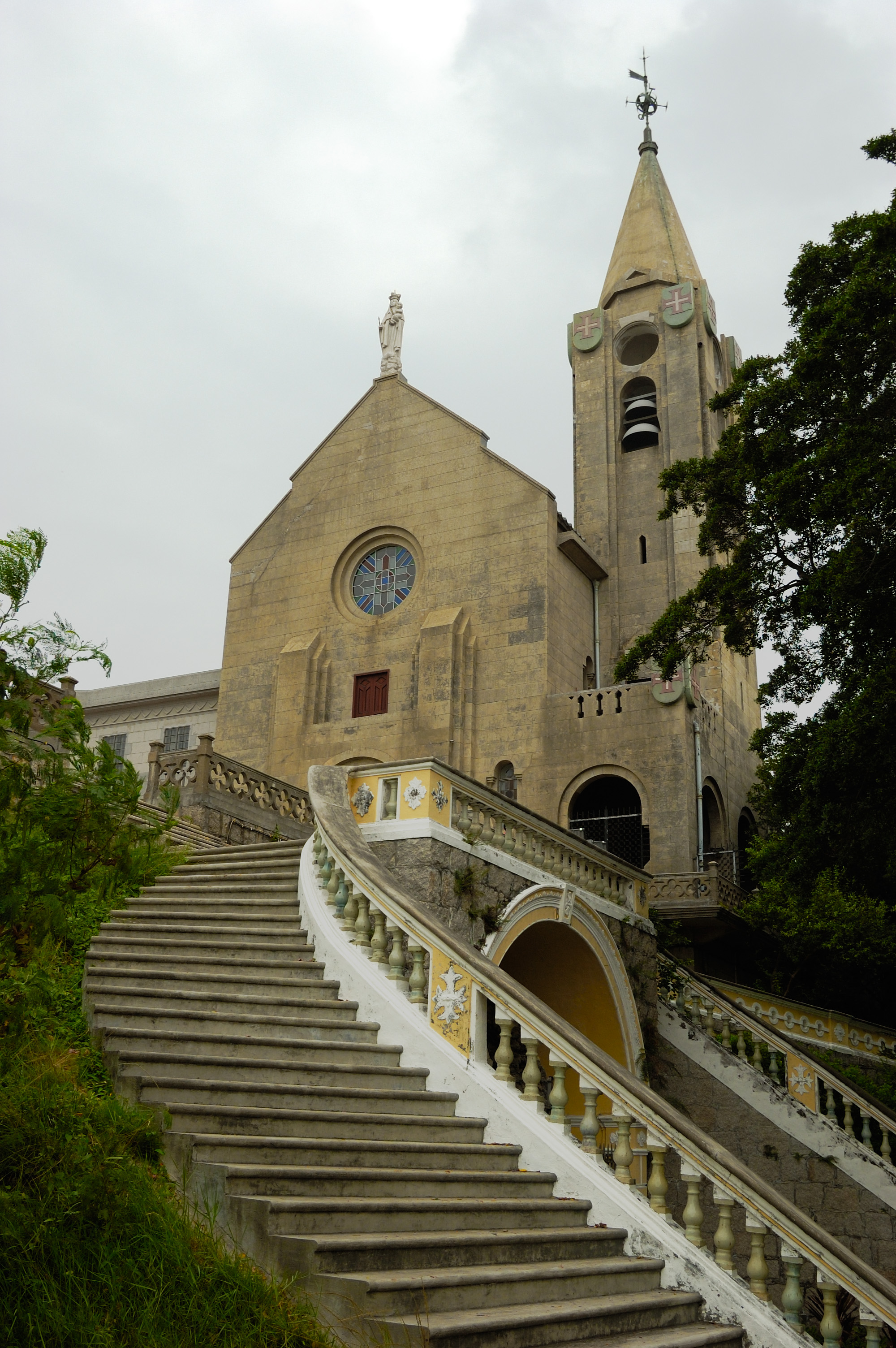
Camões Cave and Bust: The Camões Cave is the most iconic attraction in Camoes Garden, housing a bust of the 19th-century Portuguese poet Luis de Camões, commemorating his retreat and the legend of completing 'The Lusiads' here. There are steps and platforms outside the cave that overlook the park's trees and paths, making it a popular spot for tourists to take photos. Stone Carvings of 'The Lusiads': The park's ground is adorned with about ten stone carvings inspired by the epic 'The Lusiads', depicting characters and maritime imagery that represent the Age of Discovery and literary stories of Portugal, perfect for a leisurely walk while searching for details. Camoes Hill and Viewing Points: The park is built on a hill, formerly known as Phoenix Hill, with winding stone steps leading to the summit and multiple viewing platforms. Along the way, ancient trees and rugged rocks provide a panoramic view of the surrounding old city streets and rooftops near St. Anthony's Church. Huang Yingjun Library: The municipal library located within the park was funded by overseas Chinese Huang Yingjun. It has two floors, with the upper floor serving as a children's reading room and the lower floor as a reading area for books and newspapers, housing about 16,000 volumes, providing a quiet space for residents and students to read. Children's Playground and Fitness Facilities: The park features several children's play facilities and simple outdoor fitness equipment, along with pavilions, chess tables, and benches, making it a common area for families and the elderly to gather and relax. Christian Cemetery (Adjacent): The Christian Cemetery next to the park was originally the burial ground for the British East India Company and is the first Christian cemetery in Macau, housing notable figures such as missionary Robert Morrison and painter George Chinnery. It has now become a historical monument and can be visited alongside the park. East Asian Foundation Headquarters Building (Exterior): Next to the park is a two-story building with strong Southern European characteristics, which was once the site of the residence of a wealthy Macanese merchant and the Camões Museum. It is now the headquarters of the East Asian Foundation, witnessing the history of Sino-Portuguese exchanges since the 18th century alongside Camoes Garden.
Hours & Admission
Camoes Garden is open to the public free of charge all day, making it a city green space that does not require an entrance fee. The park generally opens daily from around 6:00 AM to approximately 10:00 PM, with some travel information platforms indicating it is open until around 11:30 PM. The actual hours are subject to on-site notices and the latest announcements from municipal departments. The Huang Yingjun Library's opening hours are Monday 2:00 PM–8:00 PM, Tuesday to Sunday 8:00 AM–8:00 PM, with adjustments possible on public holidays or special circumstances; it is recommended to check the announcements from municipal agencies or the library before visiting. The opening hours of the Christian Cemetery and nearby religious buildings differ from those of the park, so it is advisable to confirm separately before visiting.
Address
Praça de Camões, Macau (near St. Anthony's Church and the Christian Cemetery)
Travel Tips
The most comfortable season to visit Camoes Garden is during autumn and winter to early spring (around October to March), when the temperatures are cooler and drier, suitable for walking along the shaded paths and enjoying the views from the viewing points. Although summer can be hot, the park's dense shade and airflow make it relatively cooler than other urban areas, but there are more mosquitoes, so it is advisable to prepare mosquito repellent and stay hydrated. It is recommended to wear comfortable, non-slip shoes for walking on the stone steps and slopes, which also makes it easier to walk to the Ruins of St. Paul's, St. Anthony's Church, and the Na Tcha Temple, among other World Heritage sites. In the morning, the park is often frequented by local residents for morning exercises and Tai Chi, creating a quiet atmosphere with a strong local feel; if you want to avoid crowds for photos, consider visiting on weekday mornings or during dusk. The park has public restrooms, benches, and basic resting facilities, but dining options are limited, so it is advisable to bring your own drinking water or dine at nearby restaurants before leaving the park.
Nearby Dining
The area surrounding Camoes Garden mainly consists of traditional residential neighborhoods and World Heritage sites. Although there are only a few tea houses and snack stalls within the park, you can find a variety of dining options within a few minutes' walk on nearby streets. Walking towards St. Anthony's Church and the Ruins of St. Paul's, you can find small shops selling Portuguese egg tarts, pork chop buns, Portuguese cuisine, and Cantonese tea restaurants in the vicinity of Rua de São Paulo, New Road, and Caotai Street, making it suitable for a cultural walk combined with a food tour. Many tourists prefer to dine near New Road or Senado Square before walking uphill for about 10 to 15 minutes to Camoes Garden, allowing them to visit several churches and historical buildings along the way.
FAQ
Q: Is there an entrance fee for Camoes Garden? A: Camoes Garden is free to enter, and visitors and locals can come and go freely during opening hours. The park is a public green space managed by the Macau municipal department and does not charge any entrance fees; facilities such as paths, viewing platforms, and children's playgrounds are all free to use. Q: What are the opening hours of Camoes Garden? A: Camoes Garden generally opens daily around 6:00 AM and closes around 10:00 PM. According to municipal and tourism information, the park is an early opening and late closing urban park, with some travel platforms indicating it is open until around 11:30 PM. It is advisable to refer to the notice board at the entrance or the latest published times from the municipal department to avoid arriving late and finding it closed. Q: How do I walk from the Ruins of St. Paul's to Camoes Garden? A: Walking from the Ruins of St. Paul's to Camoes Garden takes about 10 to 15 minutes, mostly uphill and along stone steps. Visitors can head towards St. Anthony's Church from the Ruins of St. Paul's, following the signs through narrow alleys, and will arrive at Praça de Camões and the park entrance, with opportunities to visit St. Anthony's Church, Na Tcha Temple, and the Christian Cemetery along the way. Q: What are the special attractions worth seeing in Camoes Garden? A: The most notable attractions in Camoes Garden include the Camões Cave and the poet's bust, the stone carvings inspired by 'The Lusiads', the shaded hill paths, and the viewing points at the top of the hill. The adjacent Christian Cemetery and East Asian Foundation headquarters also contain rich historical stories, making it suitable for travelers interested in the cultural exchange between Macau and the West and literature to plan a leisurely exploration itinerary. Q: Is Camoes Garden suitable for bringing children? A: Camoes Garden is very suitable for children, as it has a children's playground, wide paths, and grassy areas, as well as a children's reading space in the library. Parents should be aware that some areas consist of stone steps and slopes, which may be inconvenient with strollers, and should keep a close eye on children near viewing platforms and rocky slopes to ensure safety. Q: Is Camoes Garden a must-visit attraction? A: Camoes Garden is definitely worth a visit for travelers who enjoy history, literature, and the local atmosphere, but it is not a popular shopping spot focused on taking photos. If time permits, it can be combined with the Ruins of St. Paul's, St. Anthony's Church, and the Christian Cemetery to plan a half-day 'Cultural Walk in the Historic Centre', experiencing the quieter old city scenery and daily life of residents compared to the Senado Square area.