Dasyushan National Forest Recreation Area
Taiwan · Taichung · Heping District · Nature & Scenery
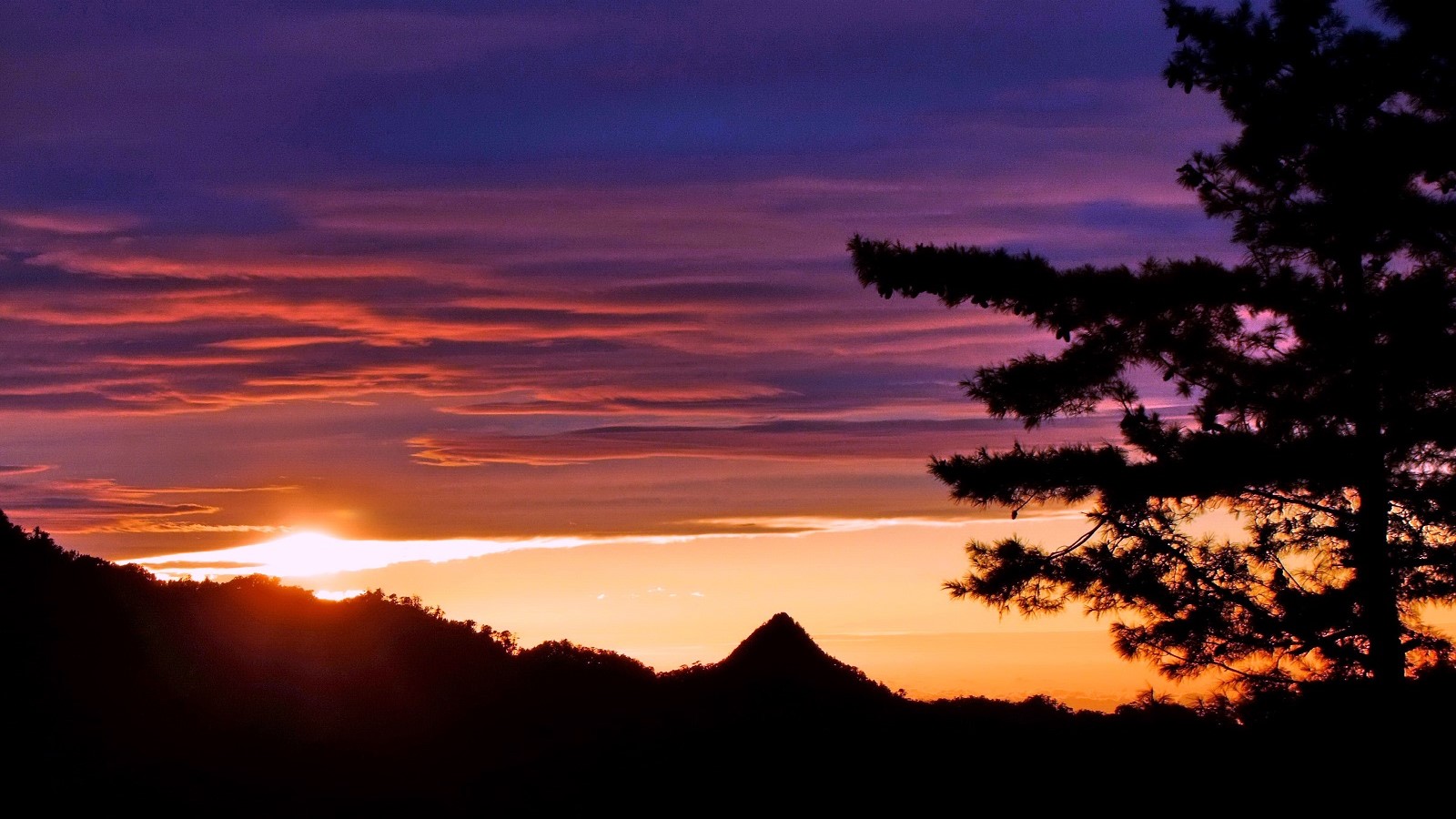
Image source: Taiwan_Opendata; license credits as shown.
Overview
Autumn red maples, summer night skies, evening seas of clouds, muntjacs and Swinhoe's pheasants moving through the forest roads, and the Snow Mountain Sacred Tree, the only approachable giant red cypress in Greater Taichung, are among the area’s most charming sights. This place was once the Dasyueshan Forest Farm opened in 1958, which helped the development of Dongshi and Fengyuan; today, this mountain town about an hour from Dongshi has become a forest recreation area that continues to bring the people of central Taiwan the gifts of nature. At an elevation of more than 2,000 meters, the climate is cool. The remaining original giant hinoki cypress forest along the Small Sacred Tree Trail and the Timber Transport Trail is one of the area’s most beautiful landscapes. Deep inside the recreation area stands the 50-meter-tall Snow Mountain Sacred Tree, once the 11th-largest giant tree in Taiwan. Wildlife is the area’s greatest treasure: muntjacs, serows, and white-faced flying squirrels enliven the night, while during the day Swinhoe's pheasants, mikado pheasants, and Taiwan yuhinas are among the mountain birds that often appear. A leisurely walk through the forest offers a soothing forest bath, and it is also easy to encounter these small stars by chance.
Getting There
[By car]: National Freeway 4 (exit at Fengshi Interchange) → turn left onto Provincial Highway 3 toward Dongshi → cross Dongshi Bridge and turn right onto Provincial Highway 8 → continue straight on Dongguan Road for about 2 kilometers, then turn left at the traffic light (FamilyMart on the right of the turn, Shuangqi Work Station ahead-left) → continue straight on Dongkeng Road (Dasyueshan Forest Road) → it takes about 1 hour and 30 minutes to reach Dasyushan National Forest Recreation Area. [By car] On Dasyueshan Forest Road, all Class A tour buses are prohibited beyond 15K+100. Note: Class B buses should pay special attention to the following road sections: 5K+200, 6K+700, 13K+400, 15K+300, 20K+800, 24K+500, 26K+500, 28K+250, 35K+900, 36K+800, 39K+850, 44K+600, and 47K+500, a total of 13 sections. [Public transportation] By bus from Fengyuan Station of Taiwan Railways: 1. From Fengyuan Transfer Center, take Taiwan Tourist Shuttle 889 Dasyushan Line, with 4 daily departures to Dasyushan Forest Recreation Area. The earliest outbound departure is 7:15 a.m., and the latest return departure is 4:45 p.m. Reservations must be made in advance with Central Taiwan Bus by phone: 0800-676-676 ext. 2. For details on the Taiwan Tourist Shuttle Dasyushan Line, visit Taiwan Trip. 2. From Fengyuan Transfer Center, take Fengyuan Bus routes 90, 206, or 207 to Dongshi Station, then transfer to route 252 (operates only on Saturdays and Sundays) to Dasyushan Recreation Area. For related Fengyuan Bus information in Taichung, check the company’s bus information page or call (04) 2523-4175. [Public transportation] By bus from Taichung High Speed Rail Station: From Exit 6 of the HSR station, platform 21, take Fengyuan Bus route 153 to Dongshi Station, then transfer to route 252 (operates only on Saturdays and Sundays) to Dasyushan Recreation Area. For related Fengyuan Bus information in Taichung, check the company’s bus information page or call (04) 2523-4175.
Highlights
Located in Heping District, Taichung City, this mountain retreat sits at an elevation of more than about 2,000 meters. With distinct seasonal scenery and a cool climate, it is a popular destination in central Taiwan for summer relief and forest bathing. Its most representative attractions are the red maples in autumn, the starry skies on summer nights, the evening seas of clouds, the original giant hinoki cypress forest, and the Snow Mountain Sacred Tree. It was once the famous Dasyueshan Forest Farm, and it preserves rich forest scenery and memories of its logging history. The park is also an important birdwatching and wildlife-spotting base in central Taiwan. Endemic birds such as Swinhoe's pheasants and mikado pheasants, along with nocturnal animals including muntjacs, serows, and white-faced flying squirrels, are major draws for nature lovers and photographers.
What to See
1. Snow Mountain Sacred Tree: Located deep inside the recreation area, this giant red cypress stands about 50 meters tall and is more than a thousand years old. It is the most approachable giant sacred tree in Greater Taichung and one of the park’s signature sights. Once ranked among Taiwan’s top ten giant trees, it has a majestic form and dense foliage. Trails and viewing points nearby make it ideal for a slow walk to experience the solemn atmosphere of the giant forest. 2. Giant hinoki cypress forest along the Small Sacred Tree Trail: This is one of the park’s most representative remaining original giant hinoki cypress forests. The forest scenery is pristine and the trees are towering. The trail has a gentle grade, making it suitable for most visitors who want to hike and experience a forest bath. Mosses, ferns, and understory plants typical of high-altitude forests are commonly seen here, making it a popular route for enjoying the cool mountain climate and phytoncides. 3. Timber Transport Trail area: This was once a logging and timber-transport route, but it has now been turned into a forest trail while preserving elements of the area’s forestry history. Walking through cedar and hinoki forests, visitors can view layered mountain ridges and seas of clouds. It combines natural ecology with cultural history and is an important place to learn about the past of the Dasyueshan Forest Farm. 4. Night wildlife ecology: After dark, muntjacs, serows, and white-faced flying squirrels become active, making nighttime visits one of Dasyushan’s highlights. Under proper and safe conditions, joining an ecological tour or observing around the lodging area may offer a chance to spot nocturnal animals, but visitors should remain quiet and avoid disturbing them. 5. Birdwatching sites for Swinhoe's pheasants and high-mountain birds: Dasyushan is a well-known birdwatching paradise in central Taiwan. During the day, Swinhoe's pheasants, mikado pheasants, and Taiwan yuhinas are among the endemic mountain birds that appear along forest roads and near trails. Early morning and late morning are the best times to observe them, attracting many birdwatchers and photographers. 6. High-mountain sea of clouds and sunset scenery: Because of the high elevation and valley terrain, dramatic seas of clouds often appear in the evening, accompanied by sunset glow and distant mountain silhouettes. The colors and atmosphere change with the seasons, and autumn and winter are especially good for waiting for changes in light and taking photos. 7. Summer night sky: With relatively little light pollution, clear summer nights reveal a sky full of stars and the Milky Way, making this one of the rare stargazing spots near central Taiwan. It is especially suitable for combining with camping or an overnight stay at the mountain lodge. Bring warm clothing and a headlamp, and enjoy the stars within safe areas.
Hours & Admission
Parking: Large vehicle: NT$100. Small vehicle: NT$100. Motorcycle: NT$20. Heavy motorcycle: NT$100, charged the same as a small car.
Address
No. 18, Xueshan Road, Heping District, Taichung City 424 Phone: (04) 2587-7901
Travel Tips
1. Recommended length of stay and itinerary planning: Dasyushan covers a large area with many trails, so it is recommended to plan at least a half-day to one-day visit. If you want to take your time hiking, birdwatching, photographing the starry sky, or joining a nighttime ecology activity, an overnight stay is recommended to avoid rushing the same day. 2. Best travel seasons and features: Spring is ideal for fresh greenery and mountain flowers, with a cool and comfortable climate. Summer is much cooler than the city, making it a popular season for escaping the heat, stargazing at night, and observing nocturnal wildlife. Autumn is famous for red maple leaves and a higher chance of seas of clouds, making it a favorite season for photographers. Winter often brings mist and a dreamy mountain landscape, but temperatures are low, so warm clothing is essential. 3. Climate and clothing preparation: The park is at an elevation of more than 2,000 meters. Even in summer, mornings and evenings are cool, and the day-night temperature difference is large. A light jacket is recommended year-round, while thicker coats, hats, and warm socks are needed in autumn and winter or for nighttime activities. Mountain weather changes quickly, so bring rain gear, a windproof jacket, and quick-drying clothing. 4. Equipment recommendations: Most trails are forest roads or mountain paths, so wear non-slip sports shoes or lightweight hiking shoes. A trekking pole can help with stability. It is also recommended to bring drinking water, light snacks, a headlamp or flashlight, especially for nighttime stargazing and ecology watching, as well as personal medications and mosquito repellent. 5. High-altitude and health precautions: Travelers with cardiovascular or respiratory conditions should consult a doctor in advance and pace themselves. Walk slowly, rest adequately, and drink enough water. If discomfort occurs, descend immediately or seek medical help. Avoid running hard or overexertion. 6. Ecological protection and etiquette: Dasyushan has rich wildlife and original forest scenery. Do not feed or disturb animals, keep quiet while observing, and maintain a safe distance from wildlife. Do not collect plants or animals, do not litter, and obey trail signs and park regulations. 7. Birdwatching and photography tips: Early morning and late morning are the best times for birdwatching. Bring binoculars, a telephoto lens, and moisture protection equipment. When photographing Swinhoe's pheasants and mikado pheasants, avoid chasing them or making loud noises. Wait patiently at the roadside or in concealed spots, and do not interfere with their natural behavior. 8. Self-drive and transportation planning: Visiting Dasyushan is usually best by self-drive or chartered vehicle. The roads are winding and the mountain section is long, so drivers should check the vehicle condition and fuel level, and it is advisable to fill up before entering the mountains. If rain or fog reduces visibility, slow down and watch for falling rocks and wildlife crossing the road. 9. Nighttime activity safety: If you plan to stargaze or observe nighttime ecology, be sure to go with companions and stay on existing roads or trails only. Do not leave the group alone. Bring a headlamp and spare batteries, pay attention to warmth and traction, and prioritize park regulations and safety when scheduling activities. 10. Advice for families with children or older adults: Choose gentler, shorter trails first, such as the Small Sacred Tree Trail, and allow time for rest and hydration along the way. Prepare warm clothing, hats, and spare clothes for children, and remind them not to chase wildlife or run along mountain roads.
Nearby Dining
Dasyushan National Forest Recreation Area is a high-mountain forest zone, so dining options inside the park are relatively limited. It is recommended to eat or buy enough food, dry rations, and drinking water in lower-elevation areas such as Dongshi or Fengyuan before heading uphill. Some park facilities and lodging properties may offer simple meals or hot drinks, but availability depends on actual operations, so it is best to confirm with the operator or relevant unit before departure. Because supplies are harder to deliver in the mountains, prices and menu choices are usually simpler than on the plains. Travelers with specific dietary preferences are advised to bring their own suitable food and insulated bottles.
FAQ
Q:What time should I enter Dasyushan National Forest Recreation Area, and how long should I stay? A:Most visitors choose to enter in the early morning or before noon to avoid the less stable weather in the afternoon and to improve the chances of birdwatching and scenic viewing. If your plan is mainly strolling, light hiking, and simple sightseeing, a half day is enough. If you want to walk multiple trails, photograph red maples or seas of clouds, stargaze at night, and observe wildlife, it is better to schedule a full day or even an overnight trip. Q:How difficult are Dasyushan’s trails, and are they suitable for families or older adults? A:Most park trails are forest roads or improved mountain paths, with difficulty ranging from easy and gentle to moderate hiking. Trails such as the Small Sacred Tree Trail and some forest road sections have gentler slopes and are suitable for families and visitors with average fitness, but you should still wear proper walking shoes and allow time for rest. If companions have mobility limitations or lower stamina, avoid routes with long distances or significant climbing. Q:What wildlife and birds can I expect to see at Dasyushan? A:Dasyushan is an important ecological reserve and birdwatching destination in central Taiwan. During the day, high-mountain birds such as Swinhoe's pheasants, mikado pheasants, and Taiwan yuhinas are commonly seen, and there is a chance to encounter them near forest roads and trails. At night, muntjacs, serows, and white-faced flying squirrels may appear. When observing, keep quiet, do not feed animals, do not approach or chase them, and avoid disturbing their natural behavior. Q:What safety and preparation points should I pay special attention to when going to Dasyushan? A:Because the park is in a high-altitude mountain area, the weather changes quickly and there is a large day-night temperature difference. Warm clothing and rain gear are recommended year-round, along with shoes that have good traction. The roads are winding and the drive is long, so self-drivers should pay attention to vehicle condition, fuel, and road safety. During the trip, monitor your own physical condition; if you feel dizzy or have palpitations, rest or descend as soon as possible. Also follow park rules, do not enter closed sections, do not feed wildlife, and do not litter, so that the mountain ecosystem can be protected.