Yonde Temple
Japan · 大田區 · Temples & Shrines
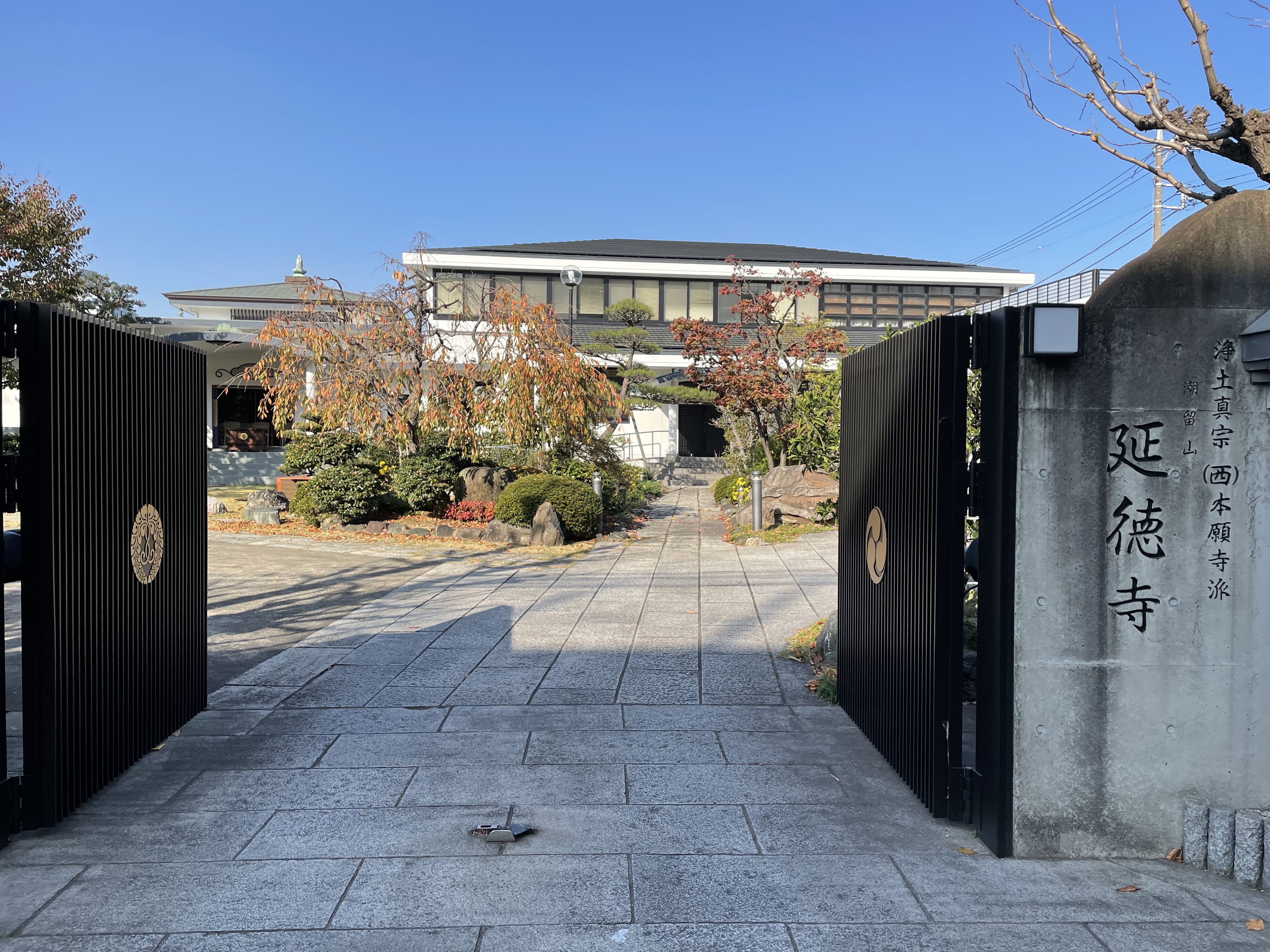
Image source: Wikimedia Commons; license credits as shown.
Overview
Yonde Temple is a small temple located in Ota Ward, Tokyo, Japan. It offers a serene environment primarily serving the local residents for worship and religious ceremonies. The temple is modest in size and is a neighborhood temple situated within a residential area, making it suitable for a quick visit to experience the everyday faith atmosphere of downtown Tokyo.
Getting There
Yonde Temple is located in a typical residential area of Ota Ward, Tokyo. Visitors can usually take JR or private railways to major stations in Ota Ward (such as Kamata, Yukigaya-Otsuka, Ikegami, etc.) and then transfer to a bus or walk to the temple. It is recommended to check local signs or navigation for the nearest station and walking time upon arrival.
Highlights
Yonde Temple is a community temple, characterized by its tranquil atmosphere and connection to local life, rather than the grand architecture or tourist facilities of larger sightseeing temples. The temple mainly focuses on enshrining the main deity, holding ceremonies, and conducting rituals, making it a suitable stop for travelers interested in Japan's everyday religious culture and downtown charm. With few tourists, visitors can experience a sense of humanity and peace away from commercial tourist areas.
What to See
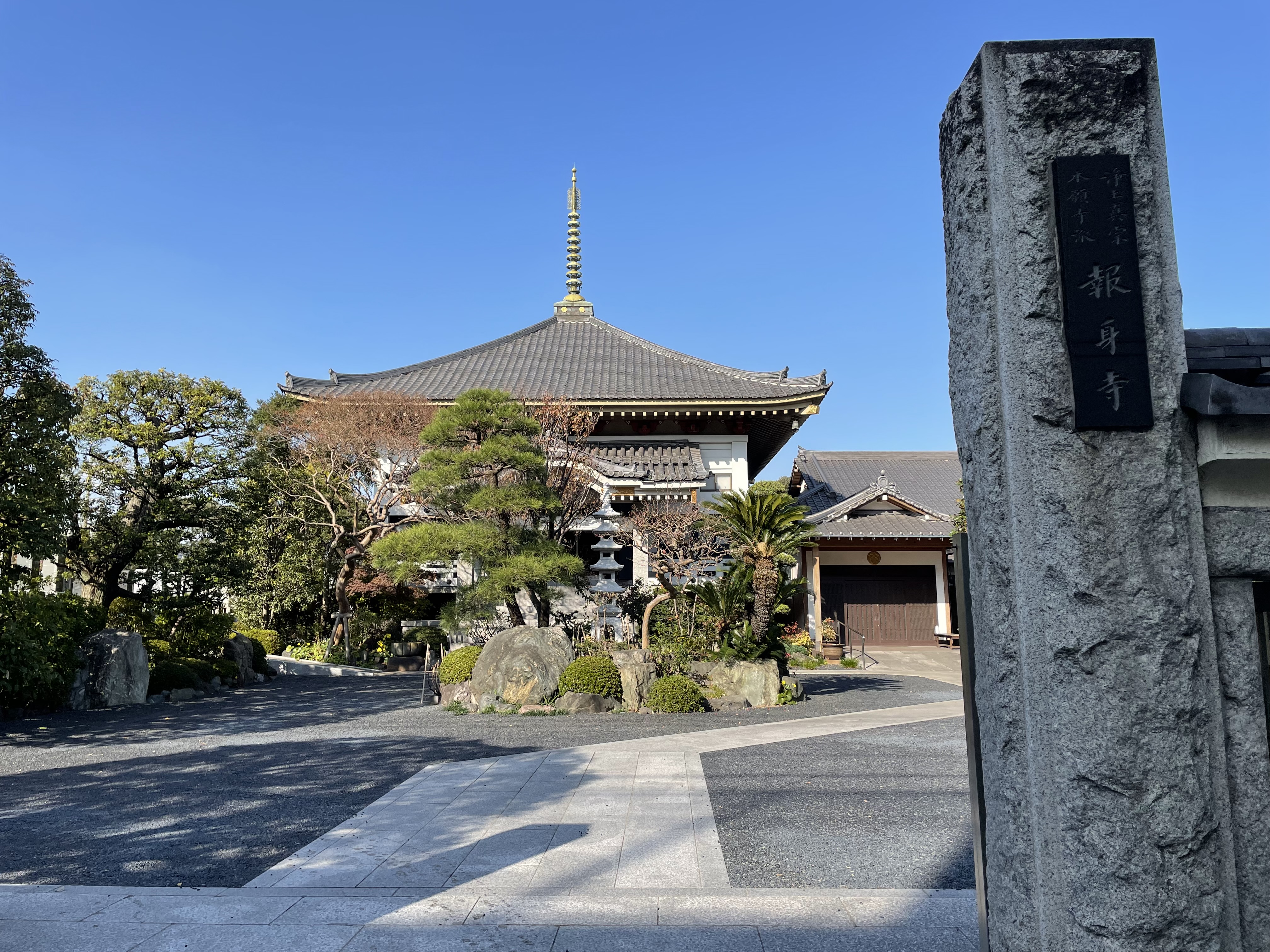
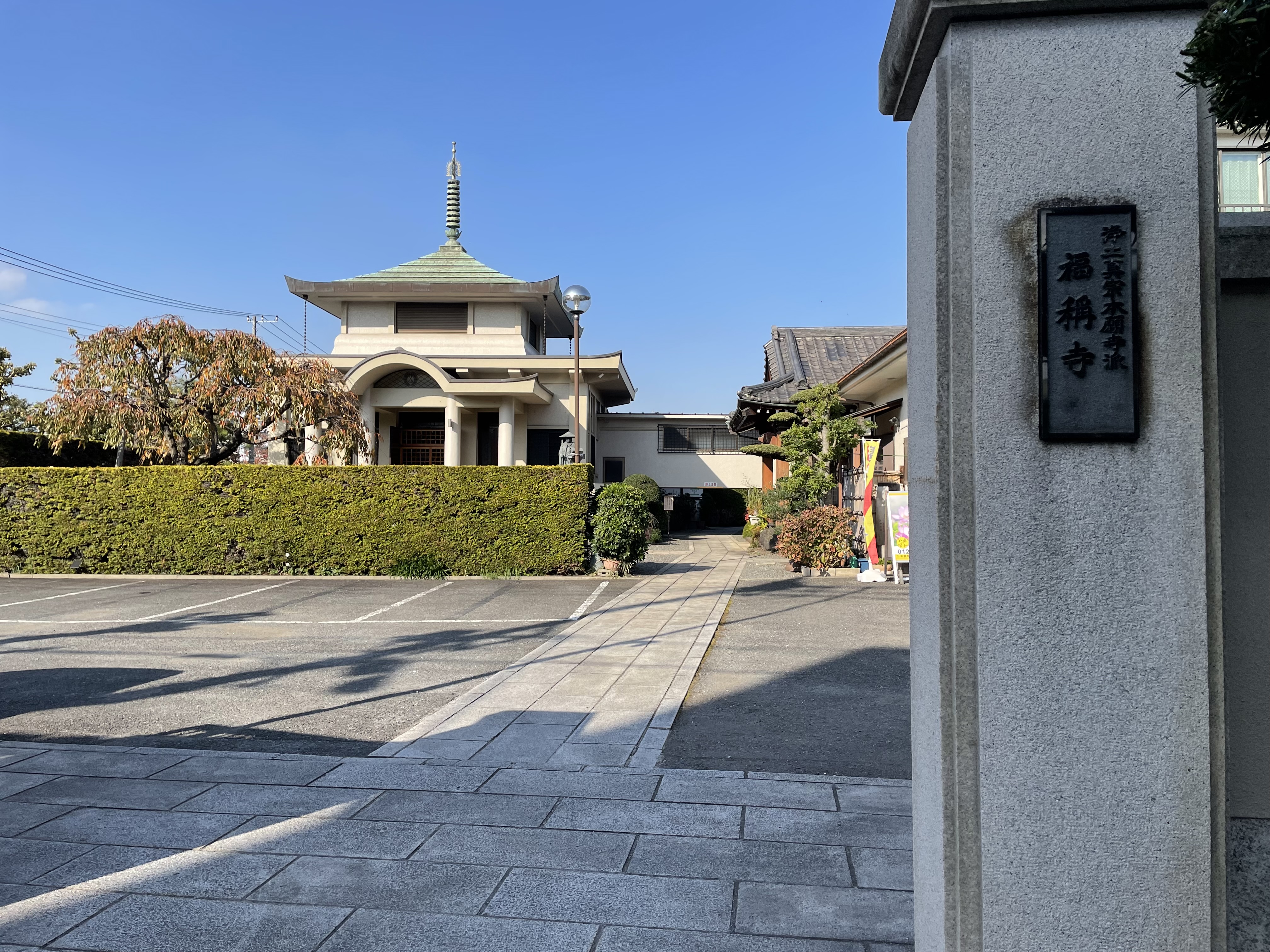
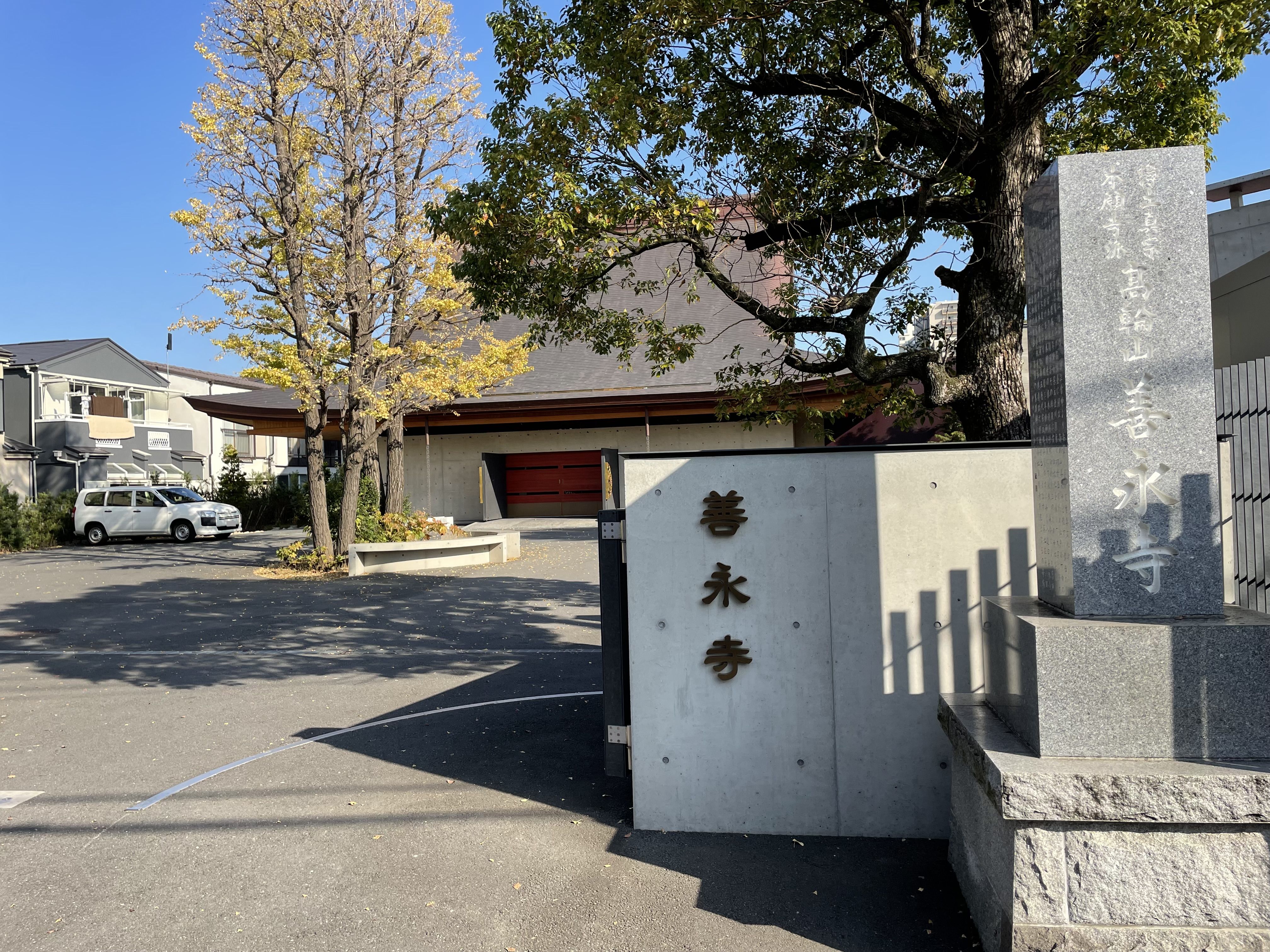
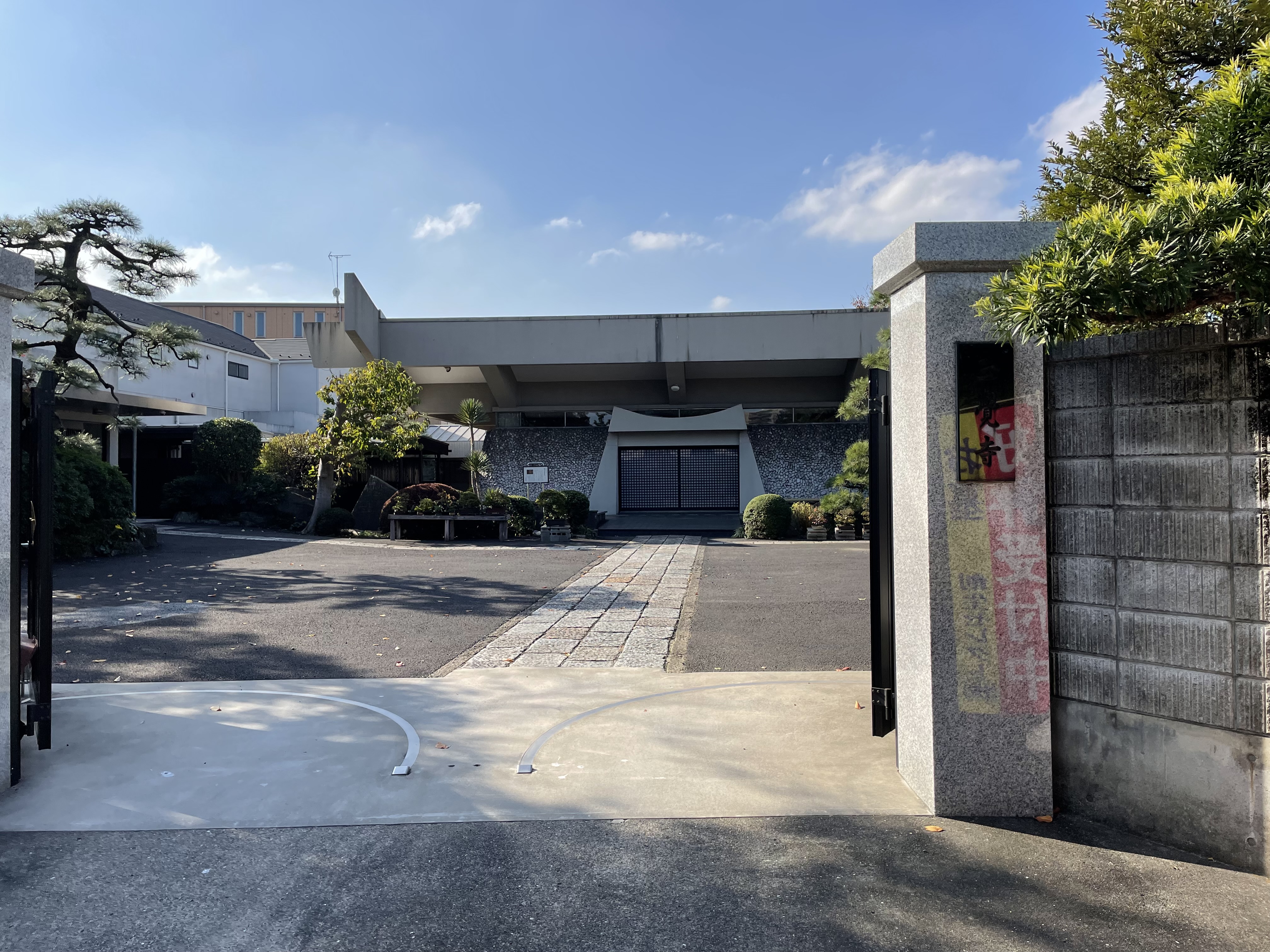
Yonde Temple is relatively small and does not have widely known grand halls or famous garden landscapes. It features a typical Japanese temple layout, including the main hall, small offering spaces, and areas for burial and memorials. The architecture and decorations are simple and unadorned, showcasing the everyday appearance of local temples in Tokyo. Due to the lack of public sightseeing information, it is advisable to check on-site for visitor access, areas allowed for entry, and photography rules.
Hours & Admission
Yonde Temple is not a large sightseeing temple, and there is currently no publicly available fixed visiting hours or admission fee information. It mainly serves as a place for local residents to worship and hold ceremonies. Generally, such temples are open during the day and close at night, and do not charge a fee for regular worship. However, for special ceremonies or events, there may be donations or fees associated, so it is recommended to confirm the latest situation through local tourist information centers or Japanese searches before visiting.
Address
Ota Ward, Tokyo, Japan (the exact address cannot be confirmed due to a lack of public information; it is suggested to search for 'Yonde Temple' using maps or navigation upon arrival in Ota Ward).
Travel Tips
Yonde Temple is more suitable as a stop during a walking tour in Ota Ward, and can be combined with nearby attractions such as Ikegami Honmon-ji, Kamata Onsen district, or sites around Haneda Airport. As a community temple, it is recommended to maintain silence, not disturb local residents who are worshiping or conducting ceremonies, and respect the privacy of burial and memorial areas. It can be visited year-round, with a chance to see a few cherry blossoms in spring and enjoy the Japanese street scenery and small garden trees in autumn. The area around the temple is mostly residential and shopping streets, where visitors can find meals and supplies near the station.
Nearby Dining
The area surrounding Yonde Temple consists of general residential neighborhoods and downtown shopping streets, and the temple itself does not provide dining facilities. It is recommended to seek food near the nearest major stations (such as Kamata, Ikegami, or other transportation hubs in Ota Ward), where there are many izakayas, ramen shops, set meal restaurants, and cafes to experience authentic Tokyo local cuisine. If your itinerary includes Kamata, you can try the famous gyoza restaurants and affordable eateries around the onsen district.
FAQ
Q: Is Yonde Temple easy to find? A: Yonde Temple is located within a residential area of Ota Ward, and while it may not be as prominent as larger sightseeing temples, searching for 'Yonde Temple' on a mobile map usually leads to a successful find. It is recommended to first arrive at a nearby major station and then walk or take a bus to the temple, allowing some time to find the temple entrance in the alleys. Q: Is there an admission fee for Yonde Temple? A: As a community temple, Yonde Temple generally does not charge an admission fee for regular worship, but there may be donations or fees for specific ceremonies or internal visit activities. Since official sightseeing information is not publicly available, it is advisable to check in advance using Japanese resources or ask a Japanese-speaking friend to confirm if there are special worship needs. Q: Does Yonde Temple have any special cultural or architectural highlights? A: The main highlight of Yonde Temple lies in its everyday life and tranquil atmosphere as a local temple in downtown Tokyo, rather than the grand architecture and gardens of famous temples. Travelers can observe the connection between the temple and local residents' lives, such as the arrangements for ceremonies and rituals, and appreciate the actual role of small temples in Japanese cities. Q: What etiquette should be observed when visiting Yonde Temple? A: When visiting Yonde Temple, it is recommended to maintain silence, avoid loud noises, refrain from taking photos of others or burial sites, and follow signs indicating 'no photography' and 'no entry.' When worshiping, it is customary to bow slightly at the entrance, maintain a respectful appearance, and not block pathways, showing respect for residents who are conducting ceremonies or worshiping. Q: How long should I plan to stay at Yonde Temple? A: Yonde Temple is not large, and if you are just briefly worshiping and strolling around the temple and nearby streets, about 15 to 30 minutes is sufficient. If you enjoy leisurely walking in residential areas, taking photos of street scenes, or visiting nearby temples and shopping streets, you may want to allocate 1 to 2 hours for a relaxed exploration in the Ota Ward area.