
Guanwu National Forest Recreation Area
Taiwan · Miaoli County · Tai'an Township · Nature & Scenery
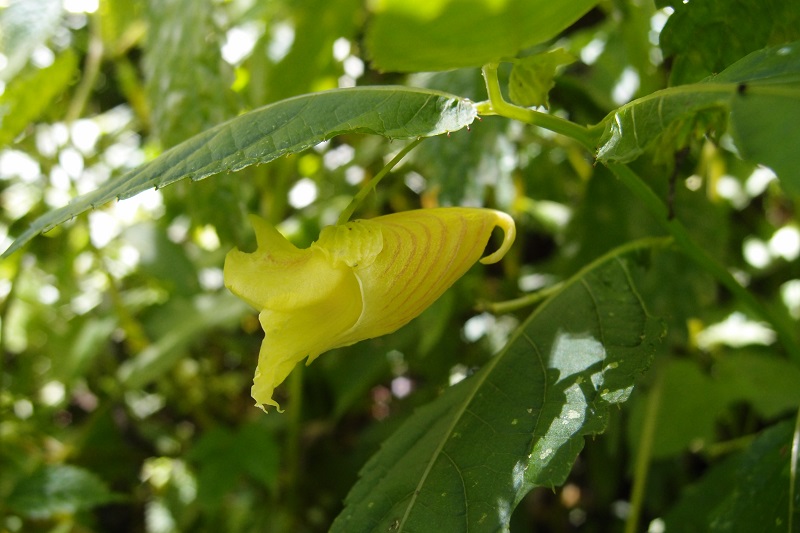
Image source: Taiwan_Opendata; license credits as shown.
Overview
Embrace giant sacred trees amid rolling mist, admire the snowy-white bloom of Taiwan’s largest Formosan mountain cherry display in spring, take in the majestic silhouette of the Syue Mountain Range’s Sacred Ridge Line from above, and you may even encounter rare national treasures. This is Guanwu National Forest Recreation Area, a richly rewarding mist-forest experience on the border of Hsinchu and Miaoli. About two hours from Zhudong, its Atayal name is “Mawuyli,” meaning “higher mountain ridge.” The area became a logging forest in 1940 and closed in 1980, leaving behind orderly planted forests across the mountains. Along the Chih Mountain Giant Trees Trail, five towering Taiwan red cypress trees still tell the story of Taiwan’s former forest grandeur. Guanwu is also known for its wildlife, including the Mikado pheasant and sambar deer seen along the forest roads, as well as the world’s only Deinmua balsam and two Taiwan endemic treasures: the broad-tailed swallowtail and the Guanwu salamander named after Guanwu itself. The Dalu Forest Road branches here: the eastern route leads toward Dabajianshan, while the western route connects to the park’s highest peak, Jianshan, offering sweeping views shaped by the Sacred Ridge Line of the Syue Mountain Range.
Getting There
[Driving] Route 1: National Highway 3 Zhulin Interchange → County Road 120 → Zhudong → County Road 122 (Nanqing Highway) → Qingquan → Dalu Forest Road → Guanwu (about 2 hours from Zhudong to Guanwu). [Driving] Route 2: Hsinchu City → Expressway 68 → Zhudong → County Road 122 (Nanqing Highway) → Qingquan → Dalu Forest Road → Guanwu (about 2 hours from Zhudong to Guanwu). [Public transport] Taiwan Tourist Shuttle – Guanwu Line: the route stops at 8 stations, including Hsinchu HSR Station, Zhudong Railway Station, Ruanqiao Painted Village, Wufeng Qingquan, Yunshan Homestay, Shei-Pa Leisure Farm, Guanwu National Forest Recreation Area, and Guanwu Lodge. One-way fare is NT$300. Advance phone reservations are recommended. Reservation phone: 037-597688, 0911-363360. Service hours: Monday to Friday, 08:00–12:00 and 13:30–17:30.
Highlights
A high-altitude mountain forest recreation area on the border of Wufeng, Hsinchu and Taian, Miaoli, famous for its mist-covered scenery, the spectacular Sacred Ridge Line of the Syue Mountain Range, the Chih Mountain giant trees, rich mist-forest ecology, and birdwatching resources. In spring, visitors can enjoy a vast white sea of Formosan mountain cherry blossoms, and the park’s varied trail network makes it suitable for families, forest therapy, and more advanced hiking. It is also part of traditional Atayal territory and is called “Mawuyli,” meaning “higher mountain ridge,” combining indigenous mountain culture with natural scenery. Guanwu is a popular high-mountain summer retreat and a teaching ground for mist-forest ecology in northern Taiwan.
What to See
title: Chih Mountain Giant Trees Trail description: Along the trail, visitors can get close views of five massive Taiwan red cypress trees, including the Chih Mountain sacred tree, whose age may exceed 2,000 years. Their tall, upright trunks showcase the grandeur of Taiwan’s former virgin cypress forests. Mosses and ferns are abundant beneath the trees, and when the mist rolls in, the atmosphere becomes mysterious and tranquil, making this one of the park’s most iconic routes. title: Jianshan Trail and Viewing Platform description: Accessed from the western branch of Dalu Forest Road, this trail winds through a diverse mixed forest of conifers and broadleaf species, with birdsong and seasonal flowers along the way. From the Jianshan viewing platform, on clear days, visitors can look out over the Sacred Ridge Line of the Syue Mountain Range and the peaks of Shei-Pa, making it an excellent viewpoint for ridge scenery and photographs. title: Mist-forest Scenery and Cloud-and-Mist Trail description: The park is often wrapped in drifting cloud and mist year-round, and the trails pass through the mist forest belt where tree trunks are covered in lichens and moss. Soft light creates an almost fairyland-like atmosphere. With interpretive facilities, visitors can learn about how high-mountain mist forests form, how plants adapt to the environment, and the wildlife that lives there, making this a key area for experiencing Guanwu’s distinctive ecology. title: Birdwatching Trail and Alpine Birds description: The park has abundant alpine birdlife. Along the birdwatching trail, visitors can hear a variety of bird calls, and early morning and late afternoon are the best times to observe activity. Rare species such as the Mikado pheasant may be seen along the forest roads. Binoculars and telephoto lenses are recommended for quiet observation and photography. title: Guanwu Waterfall and Valley Scenery description: Follow the trail into the valley to reach the waterfall. The route is shaded by forest canopy, with cool, refreshing air. At the end, water cascades down the rock face and mist fills the air, making it especially refreshing in summer. Along the way, openings between the trees offer views down into the valley and surrounding mountains, combining forest bathing with waterfall scenery. title: Honeymoon Trail and Easy Walking Route description: A light, easy trail near the park core with gentle slopes and a short distance, ideal for families, older visitors, or travelers who want a warm-up stroll after arriving. Surrounded by mist and forest, it offers a relaxed walk and a taste of the crisp mountain air. title: Rare Species and National-Treasure Ecology description: The park is home to many rare protected species, including the world’s only Deinmua balsam, as well as Taiwan endemic species such as the broad-tailed swallowtail and the Guanwu salamander named after Guanwu. It is an important site for ecological observation and environmental education. title: Dalu Forest Road East and West Branches, and the Dabajianshan Direction description: The park’s connecting road, Dalu Forest Road, splits here. The eastern branch leads toward the famous Dabajianshan route, one of Taiwan’s “Hundred Peaks” hikes, while the western branch leads to Jianshan, the park’s highest peak. Along the way, visitors can enjoy views of the Sacred Ridge Line and layered mountain ranges, which are especially appealing to high-mountain hiking enthusiasts.
Address
No. 1-3, Neigh. 8, Meiyuan Village, Taian Township, Miaoli County 365 Phone: (03)5224163, (037)272917
Travel Tips
1. Best seasons and climate advice: - Spring is a popular season for cherry blossoms and fresh greenery. Visitors can enjoy the bloom of Formosan mountain cherries and the rejuvenated mountain landscape, but holiday crowds are heavier, so transport and parking should be planned in advance. - Summer is much cooler than the lowlands, making it a good time for sightseeing and escaping the heat. However, mist often covers the area in the afternoon, reducing visibility, so driving requires extra caution. - Autumn tends to be drier with better visibility, making it ideal for distant views of the Sacred Ridge Line and surrounding mountains, and it is also a prime season for hiking and photography. - Winter is colder, and cold fronts can make it feel even colder. Warm clothing and road conditions should be checked before departure, along with mountain weather updates. 2. Elevation and warm clothing: - The park is at an elevation of about 2,000 meters, and the temperature difference between morning and evening is large. Even in summer, a warm jacket is recommended, especially for visitors staying overnight or remaining until evening. - Layered clothing, long pants, windproof jackets, and hats are recommended to help protect against wind and mountain dampness. 3. Trail and footwear advice: - Because most trails are mountain forest paths, non-slip hiking shoes or walking shoes are recommended. In rain or heavy mist, the ground becomes especially slippery, so care is needed. - For longer routes such as Jianshan Trail and Chih Mountain Giant Trees Trail, allow enough time for round-trip travel, assess your physical condition before starting, and finish the hike before descending in the afternoon for safety. 4. Transportation and entry/exit timing: - The main driving route is from Zhudong via County Road 122 (Nanqing Highway), through Qingquan and Tuchang, then onto Dalu Forest Road into the park. The mountain road is long and takes about 2 hours, so an early departure is recommended. - Some sections of the road are narrow, and drivers should slow down and yield when meeting oncoming vehicles. Dense afternoon fog is common, so slow driving is essential. - The park is generally open from 08:00 to 17:00. Visitors not staying at Guanwu Lodge are advised to leave before 17:00 to avoid poor visibility when the mountain becomes dark and foggy. 5. Public transport and Taiwan Tourist Shuttle: - If you are not driving, check whether the Taiwan Tourist Shuttle Guanwu Line or similar services are operating. These routes usually connect Hsinchu HSR Station, Zhudong Railway Station, and nearby attractions to Guanwu, but schedules and operating periods may change, so verify the latest information before departure. 6. Supplies, fuel, and equipment: - Before heading uphill, it is advisable to refuel in Zhudong or at gas stations along the way, since there are no fuel stations in the mountains and the drive is long. - Convenience stores and dining options are limited in the mountain area, so bring drinking water, light meals, and snacks, especially if you plan to hike longer trails. - Rain gear, a waterproof backpack cover, and a headlamp or flashlight are useful in case of afternoon thunderstorms or sudden weather changes. 7. Hiking and safety notes: - Mountain weather changes quickly, so check Central Weather Administration forecasts and announcements from forestry and conservation authorities before departure. If there are closures or restrictions, adjust your plans accordingly. - Pace yourself during the trip. If you experience dizziness or shortness of breath, rest immediately or turn back. - Trails run through forests and slopes, so do not leave the marked paths or cross barriers, as doing so may lead to getting lost or danger. 8. Ecology and conservation: - The park is home to many rare protected species and alpine birds. When birdwatching or observing wildlife, keep quiet, stay a safe distance away, and do not feed or chase animals. - Carry all trash back out of the mountains and practice Leave No Trace principles to avoid disturbing the fragile alpine ecosystem. - Do not collect plants or pick up natural objects unless necessary, especially rare flowers and insect specimens; respect the natural environment. 9. Advice for families and seniors: - Prioritize Honeymoon Trail and other shorter, gentler trails for strolling. Take frequent breaks and hydrate, and avoid overly long or steep routes. - Bring warm clothing, simple rain gear, and mosquito repellent, and pay close attention to children’s safety on steps and near cliffside areas. 10. Accommodation and itinerary planning: - If staying overnight in or near the park, a two-day, one-night itinerary is a good option: choose shorter trails on the first day to acclimatize, then schedule longer routes such as Jianshan or the Chih Mountain Giant Trees Trail on the second day. - Nights in the mountains are quiet, and there is a chance to see a sky full of stars, but temperatures are lower, so outdoor activities should not be too long.
Nearby Dining
The park’s Guanwu Lodge offers dining service and provides meals for guests staying overnight or visiting the park, making it one of the more reliable dining options in the mountains. It is recommended to check the lodge’s announced meal service hours and reservation method before your trip. Because there are few shops and restaurants in the park and along the mountain road, many travelers choose to eat or stock up first in Zhudong city or in the Qingquan and Tuchang areas before continuing up to Guanwu. If you are driving, you may also bring simple dry food, snacks, and hot drinks for a light picnic at trailheads or viewpoints, but be sure to carry all trash back down the mountain.
FAQ
Q:Is Guanwu National Forest Recreation Area better for a day trip or an overnight stay? A:For a day trip, it is recommended to depart early from Zhudong or nearby areas so there is enough time to walk 1–2 trails and descend before evening. If you want a more leisurely trip with multiple trails, sunrise or sea-of-clouds photography, and the experience of the high-mountain night sky and morning forest atmosphere, staying overnight in or near the park and planning a two-day, one-night trip will be more relaxed. Q:Can you reach Guanwu National Forest Recreation Area without a car? A:Check whether the Taiwan Tourist Shuttle Guanwu Line or tour-package services are operating. They usually provide connections from Hsinchu HSR Station and Zhudong Railway Station to Guanwu, but routes and schedules may change by year. If suitable service is unavailable, driving or carpooling is the more practical option, and you should verify the latest transport information before departure. Q:How difficult are Guanwu’s trails? Are they suitable for families or older visitors? A:The park offers a wide range of trails, from short, gentle routes such as Honeymoon Trail and some birdwatching and mist trails, to longer trails with greater elevation changes such as Jianshan Trail and the Chih Mountain Giant Trees Trail. Families and older visitors can choose shorter, gentler routes and adjust based on fitness and weather. More experienced hikers with stronger stamina can plan longer hikes, but they should still allow enough time to return before dusk and fog set in. Q:What safety and preparation items should I pay attention to when visiting Guanwu? A:Guanwu is at about 2,000 meters above sea level, so temperatures are lower and weather changes quickly. Warm, windproof, and waterproof clothing is recommended, along with non-slip hiking shoes. The drive uphill from Zhudong takes about 2 hours, and the mountain road is winding with frequent afternoon fog, so depart early, drive slowly, and avoid night driving. The park has fixed opening hours, and visitors not staying overnight are advised to leave before 17:00. Bring enough drinking water and simple dry food, and check official announcements for trail conditions and weather information to ensure a safe trip.