
Hunan Geological Museum
China · 湖南省 · 長沙市 · 天心區 · Museums, Culture & Arts
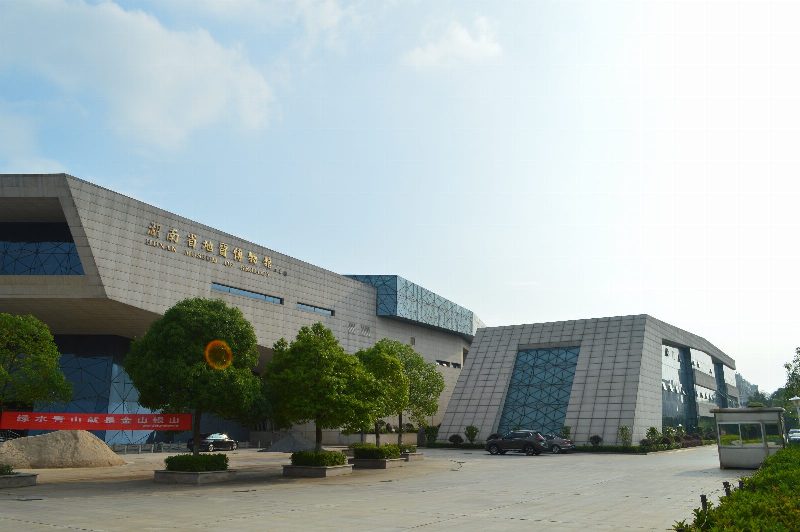
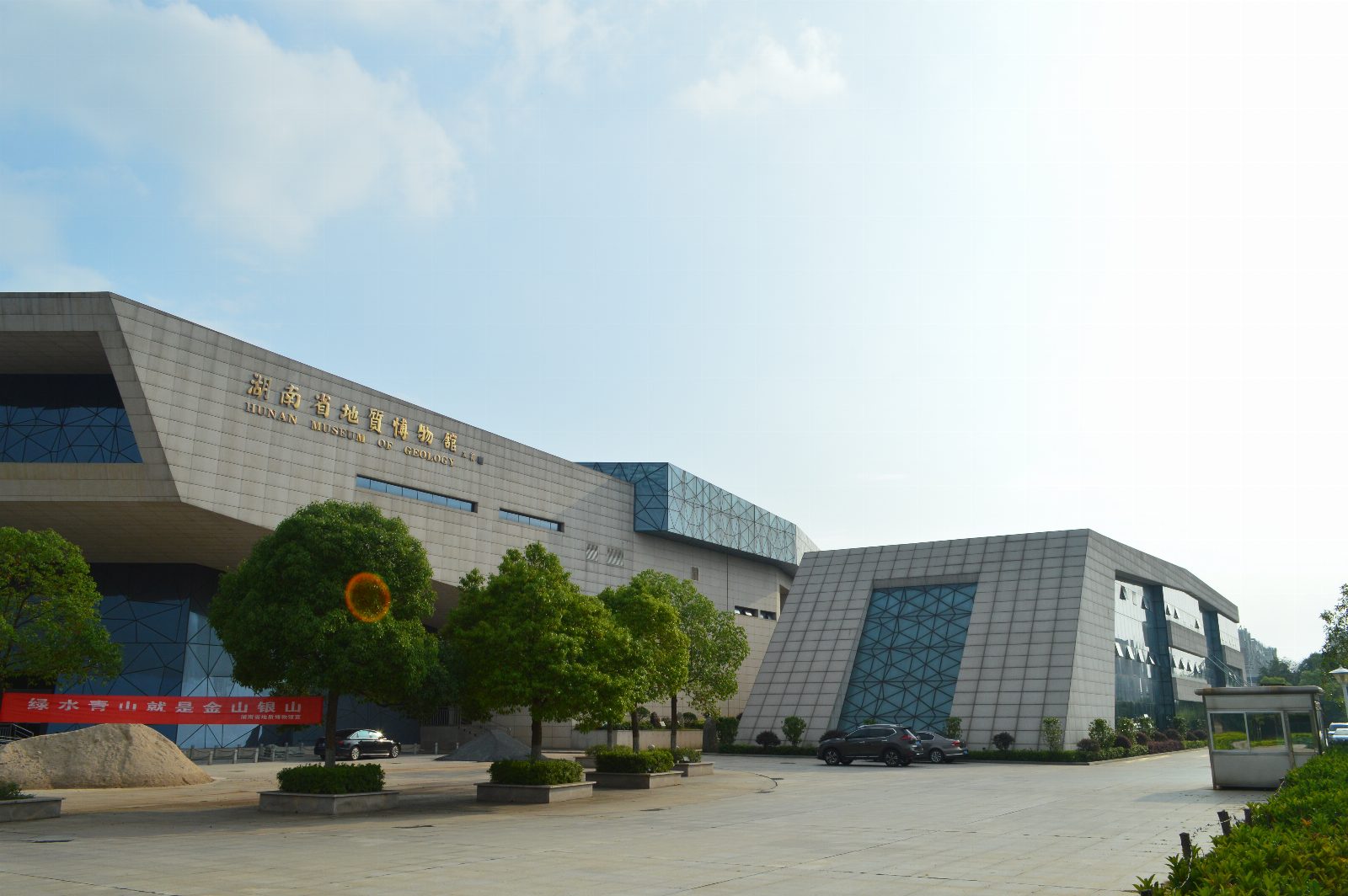
Image source: Wikimedia Commons; license credits as shown.
Overview
The Hunan Geological Museum is the largest natural science and natural history museum in Hunan Province, located on Shanmuchong Road in the Tianxin District of Changsha. It is a key venue for understanding Earth's evolution and Hunan's geological resources. The museum focuses on Earth sciences and mineral specimens, featuring multiple permanent exhibition halls with over 20,000 specimens, including dinosaur fossils, paleontological fossils, and a rich collection of mineral and gemstone specimens. The architectural design of the museum is inspired by mineral crystals, incorporating multimedia and interactive installations, making it an ideal place for families and science enthusiasts to visit.
Getting There
The most convenient way to reach the Hunan Geological Museum is to take Line 1 of the Changsha Metro to 'Provincial Government Station' and exit at Exit 2, then walk about 10 to 15 minutes to the museum entrance. Alternatively, you can take a city bus that passes through Shanmuchong Road and the Provincial Government area, followed by a short walk to the museum.
Highlights
The core feature of the Hunan Geological Museum is its Earth science theme, which comprehensively presents the evolution of the Earth, geological structures, mineral resources, and the history of paleobiology. The museum houses over 20,000 specimens, covering various mineral crystals, rocks, gemstones, and dinosaur and paleobiological fossils, with Hunan specialties like the toothless Hunan dragon, antimony ore, and white tungsten ore being particularly valuable for viewing and research. The new building's design is inspired by the shapes of mineral crystals, utilizing immersive video, sand tables, and interactive multimedia in the exhibition areas, allowing visitors to understand Earth and geological sciences through 'seeing, learning, and playing.' The museum also undertakes geological science education, research, and external communication tasks for the entire province, serving as an important window for displaying Hunan's geological culture, and was upgraded to a national secondary museum in 2020.
What to See
Earth Mysteries Hall: This hall presents a macro perspective on the process from the origin of the universe, the formation of the solar system, to the evolution of the Earth, and introduces the stratigraphic structure and geological background of Hunan, serving as the starting point for understanding Earth's history and structure. Geological Mineral Hall: This hall focuses on showcasing the formation, distribution, and development of important mineral resources in Hunan and China, featuring a large limestone cave replica at the entrance and a large sand table displaying the distribution of minerals in Hunan, marking over 200 typical mineral sites. Mineral and Gem Hall: This hall exhibits over 300 types of domestic and international mineral crystals and gemstone specimens, including quartz pyrite geodes, antimony ore geodes, and gypsum geodes, along with a leading-scale fluorescent mineral room where minerals can be appreciated under special light sources. Paleobiology and Dinosaur Themed Exhibition Area: This area displays large trilobites, straight-shelled cephalopods over a meter long, dinosaur egg fossils, dinosaur footprints, and paleobiological specimens unique to Hunan, such as the toothless Hunan dragon, showcasing the evolution of life on Earth. Mapping and Geographic Information Hall: The 'Smart Mapping of Hunan' immersive video sand table combines ancient and modern maps with remote sensing images, contrasting the changes in Changsha city and the geographical features of Hunan, while also displaying replicas of ancient Chinese maps and geographic measurement tools. Temporary and Thematic Exhibition Halls: These halls periodically host exhibitions on new geological findings, mineral resource development, and science popularization themed exhibitions, covering topics such as geological disaster prevention, resource conservation, and environmental protection.
Hours & Admission
The Hunan Geological Museum is a public museum that is open to the public year-round, implementing a free admission policy. Visitors must present valid identification or make an online reservation to enter. Some special exhibitions or events may have fees as announced by the museum. Visits are scheduled through a real-name reservation system, and tourists can make reservations through the official website or WeChat public account. Upon arrival, visitors must verify their reservation code and health-related codes for entry. Group visits are recommended to apply in advance for guided tours and reception arrangements. Specific opening hours and holiday adjustments will be updated periodically, so it is advisable to check the official website or announcements for the latest information before visiting.
Address
49 Shanmuchong Road, Tianxin District, Changsha, Hunan Province.
Travel Tips
It is recommended to allocate at least 2 to 3 hours for visiting the Hunan Geological Museum. If you wish to closely examine various mineral and paleobiological fossil exhibits, a half-day visit is more than sufficient. Most of the exhibits are indoors, making it an ideal choice for family and science-related activities during hot summer days or rainy weather. During peak seasons and holidays, crowds can be large, so it is essential to make online reservations in advance and allow time for queuing and security checks. The exhibits contain a wealth of professional geological and mineral knowledge, so it is advisable to use guided services or the official audio guide system to enhance the visiting experience and understanding. The area surrounding the museum is concentrated with provincial cultural and educational facilities, allowing for visits to nearby attractions such as the Hunan Science and Technology Museum and the Youth Activity Center. If driving, be mindful of the availability of parking spaces and potential traffic controls.
Nearby Dining
The area surrounding the Hunan Geological Museum is concentrated with provincial government and cultural education institutions, where you can find several local restaurants and snack shops within walking distance, offering options for Hunan cuisine, fast food, and beverages, suitable for lunch or afternoon meals. Common home-style Hunan restaurants in the vicinity serve dishes like chopped pepper fish head and spicy chicken, with prices generally moderate and family-friendly. For more convenient dining, you can choose chain restaurants and coffee shops in nearby large shopping malls or complexes, then walk or take short transportation to the museum. The museum usually has basic service facilities and a shop where simple drinks and cultural souvenirs can be purchased, but formal dining is still recommended at restaurants outside the museum.
FAQ
Q: Do I need to buy a ticket for the Hunan Geological Museum? A: The Hunan Geological Museum is a public venue, and general permanent exhibitions are free to enter, but you must obtain a reservation for entry through real-name registration. Some temporary exhibitions or special events may have fees as announced by the museum, so it is advisable to check the latest ticket information on the official website or WeChat public account before visiting. Q: How do I make a reservation to visit the Hunan Geological Museum? A: To visit the Hunan Geological Museum, you need to make an online reservation in advance through the museum's official website or WeChat service account for time slots. After successfully reserving, visitors must bring valid identification and their reservation code to verify entry. Groups can contact the museum in advance to arrange guided tours and concentrated visiting times. Q: What are the opening hours of the Hunan Geological Museum? A: The Hunan Geological Museum is usually open during the day, but specific opening hours and whether it is closed on Mondays may vary by season or management regulations, so please refer to the latest announcements from the museum. Some online travel platforms may display opening hours from morning to evening, but these may differ from actual arrangements, so it is best to rely on the official channels for the most accurate information. Q: Is it suitable to take children to the Hunan Geological Museum? A: The Hunan Geological Museum is very suitable for family visits, with exhibits including dinosaur fossils, paleobiological models, multimedia interactive devices, and fluorescent minerals that can stimulate children's interest in Earth and natural sciences. The museum environment is primarily indoors, with gentle pathways, and with audio explanations or family-guided activities, school-age children can learn scientific knowledge through play and observation. Q: What is the most convenient public transportation method to the Hunan Geological Museum? A: The most convenient way to reach the Hunan Geological Museum is to take Line 1 of the Changsha Metro to 'Provincial Government Station' and exit at Exit 2, then walk about 10 to 15 minutes to the museum. You can also choose to take a city bus that passes through Shanmuchong Road and the Provincial Government area, getting off at a nearby stop and walking to the museum. It is advisable to use map software to check the routes and schedules for the day before traveling. Q: Does the museum provide guided tours or audio guide services? A: The Hunan Geological Museum offers various forms of guided tours and audio guide services. Visitors can activate audio explanations and some 3D display functions through the museum's WeChat public account to assist in understanding the exhibits. For school or group visits, it is advisable to contact the museum in advance to arrange for a professional guide to lead the visit and provide scientific explanations.