
Ide Shrine
Japan · 松山市 · Temples & Shrines
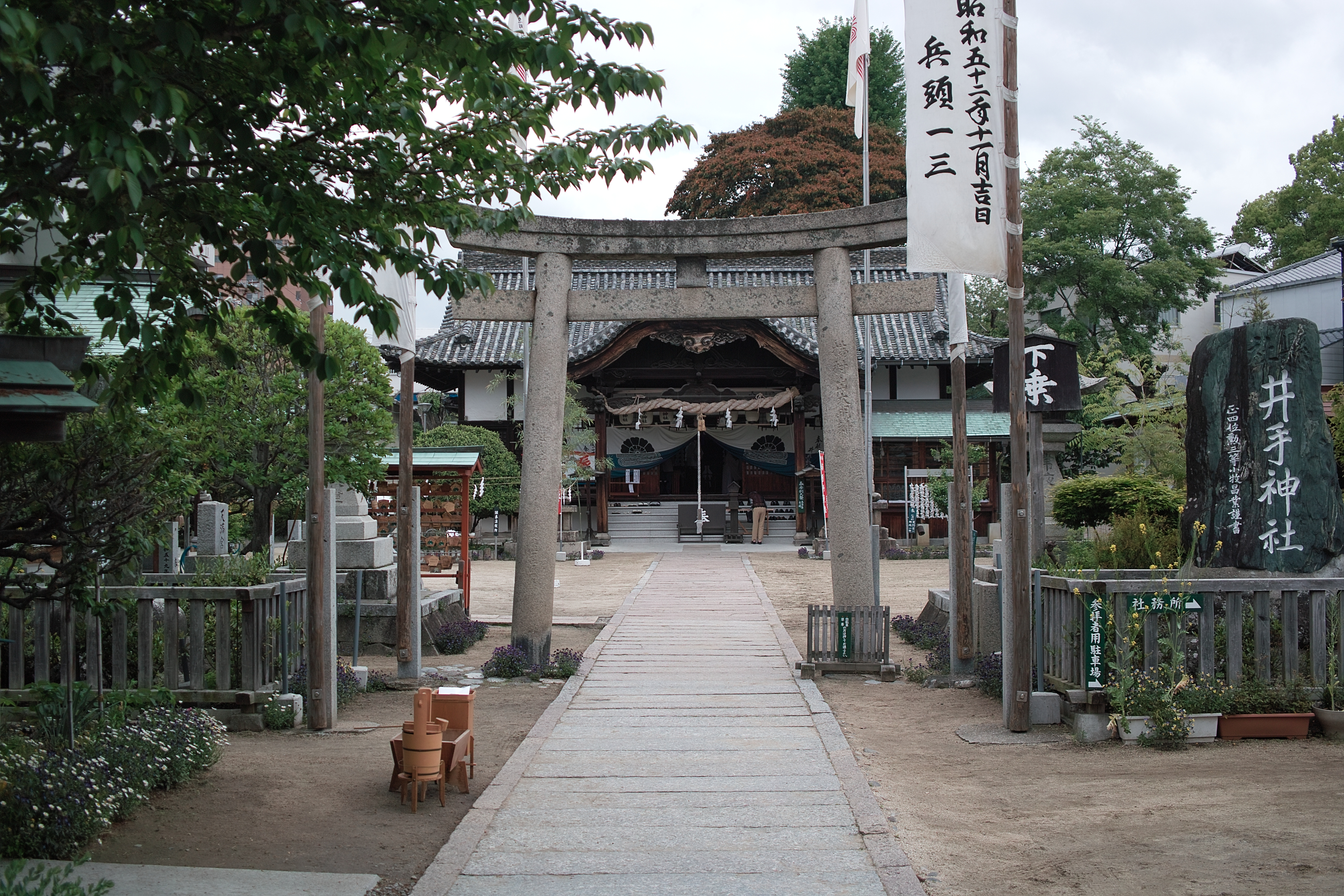
Image source: Wikimedia Commons; license credits as shown.
Overview
Ide Shrine is an ancient local shrine located in Kitatachibanacho, Matsuyama City, Ehime Prefecture, renowned for its prayers for safe childbirth and the 'connection of life'. The shrine primarily enshrines the mountain and earth deity Ōyamazumi no Kami and the guardian deity of safe childbirth Konohanasakuya-hime, along with the three deities of the Tachibana clan, who have long protected the local residents and families. Within the shrine grounds, there are several other shrines, including Tachibanatenmangu, regarded as a tranquil place for prayers related to academics, family, and life events.
Getting There
The most convenient way to reach Ide Shrine is to take the Iyotetsu train to 'Ishitegawa Park Station', which is about an 8-minute walk from the station. Alternatively, you can walk approximately 15 minutes from Iyotetsu 'Matsuyama Station', or take the Iyotetsu bus and get off at 'Kawaramachi' station, then walk about 5 minutes to the shrine entrance.
Highlights
Ide Shrine is a local center of faith in Matsuyama City, famous for prayers for safe childbirth, granting children, and family connections, emphasizing the 'connection of life' and family protection. The main deities Ōyamazumi no Kami and Konohanasakuya-hime symbolize mountains and earth, as well as safe childbirth and child-rearing, complemented by the historical figures of the Tachibana clan, creating a unique faith that intertwines nature and culture. The Tachibanatenmangu within the grounds is regarded as the god of learning, attracting many students and parents who come to pray for academic success, making the shrine a place for prayers related to academic achievements and life transitions. Additionally, the grounds preserve rare Japanese citrus trees, designated as a natural monument of Matsuyama City, embodying both natural and cultural value.
What to See
・Main Shrine and Worship Hall: The core place for prayers for safe childbirth, family safety, and various life events, enshrining five deities including Ōyamazumi no Kami and Konohanasakuya-hime, with a solemn and tranquil atmosphere. ・Tachibanatenmangu: One of the shrines within the grounds, dedicated to the god of learning, referred to by locals as 'Matsuyama's Tenjin', attracting many students and parents during exam seasons to pray for academic success and passing exams. ・Shrine Community: In addition to Tachibanatenmangu, there are several smaller shrines such as the Ancestral Shrine, Suwa Shrine, Inari Shrine, Tachibana no Mikoto Shrine, and the Ancestral Spirit Shrine, suitable for leisurely walks to visit and experience the convergence of diverse faiths. ・Japanese Citrus Trees (Nippon Tachibana): The grounds preserve two precious Japanese citrus trees, designated as a natural monument of Matsuyama City, allowing travelers interested in botany and cultural history to observe their form and explanations closely. ・Pathway and Shrine Office: The small pathway and simple interior space present a typical local shrine scenery, with the shrine office occasionally offering protective charms and talismans related to safe childbirth and academics, reflecting the connection between the shrine and local life.
Hours & Admission
Entry to Ide Shrine is generally free, allowing visitors to worship and stroll freely in front of the main shrine during the day. Specific opening and closing times are not clearly stated in official materials, so it is recommended to visit during daylight hours to ensure the main shrine and office are open for worship and inquiries. For formal prayer ceremonies such as safe childbirth prayers, first shrine visits, and passing prayers, it is advisable to contact the shrine office in advance by phone to make reservations and inquire about related costs.
Address
2-4 Kitatachibanacho, Matsuyama City, Ehime Prefecture, Japan 790-0867
Travel Tips
The most comfortable seasons to visit Ide Shrine are spring and autumn, with mild weather suitable for walking or cycling around nearby neighborhoods and Ishitegawa Park from Matsuyama City. The shrine does not have a dedicated parking lot, so if driving, it is necessary to use nearby coin-operated parking lots and allow time to find a space; it is recommended to prioritize public transportation such as trains and buses. Family-related prayers for safe childbirth and granting children, as well as first shrine visits, are quite popular locally, so it is advisable to contact the shrine office in advance to confirm procedures and available protective charms or prayer forms before important life events. Students and parents visiting Tachibanatenmangu during exam season may bring written wishes or protective charm bags and should allow time for queuing, avoiding peak times after school or on weekends. The shrine is located in a mixed residential area in the city center, so please be mindful of noise levels during visits to respect local residents and other worshippers' quiet atmosphere.
Nearby Dining
Ide Shrine is located in the center of Matsuyama City, within walking distance to Matsuyama Station and the city streets, offering a rich variety of dining options. Visitors can enjoy local cuisine and cafes before or after their visit. The areas around Kitatachibanacho, Kawaramachi, Chifunecho, and Minatomachi have many Japanese-style set meal restaurants, izakayas, and cafes, allowing for a taste of local family-style dining for lunch or dinner, experiencing Matsuyama's everyday food culture. If extending the walk to the vicinity of Matsuyama Station, larger restaurants and chain cafes can be found, suitable for planning half-day or full-day city strolls and culinary itineraries.
FAQ
Q: Which deity is primarily enshrined at Ide Shrine? A: Ide Shrine primarily enshrines Ōyamazumi no Kami and Konohanasakuya-hime, along with the deities Tachibana no Moroyuki, Tachibana no Kiyotomo, and Tachibana no Yoshiko-hime. These deities symbolize mountains, earth, safe childbirth, and family connections, closely related to the history of the Tachibana clan. Ōyamazumi no Kami is regarded as the god of mountains and earth, while Konohanasakuya-hime is famous for her protection of safe childbirth and child-rearing, and the Tachibana clan deities represent historical figures, embodying the faith characteristics of humans and gods walking together. Q: What is Ide Shrine most famous for praying for? A: Ide Shrine is most famous for prayers for safe childbirth and granting children, long regarded as a shrine that protects the safety of mothers and children and family happiness. It is said that the wife of Tachibana no Kiyotomo used the shrine's sand as 'childbirth sand', and under the protection of Konohanasakuya-hime, she successfully gave birth to Tachibana no Yoshiko, who later became an empress, thus embedding the faith in safe childbirth deeply in people's hearts. The shrine also offers protective talismans for safe childbirth to the Imperial Palace, regarded as one of the shrines with effective safe childbirth prayers nationwide. Q: Is Ide Shrine easily accessible? A: Ide Shrine is quite accessible, located about an 8-minute walk from the Iyotetsu 'Ishitegawa Park Station'. It is about a 15-minute walk from 'Matsuyama Station', or you can take the Iyotetsu bus and get off at 'Kawaramachi' station, then walk about 5 minutes to the shrine entrance, making it suitable for visiting other sightseeing spots in the city. Since the shrine does not have a dedicated parking lot, it is recommended for travelers to use public transportation as much as possible or park in nearby coin-operated parking lots and walk to the shrine. Q: Does Ide Shrine have a parking lot? A: Ide Shrine does not provide a dedicated parking lot, and travelers driving there need to use the coin-operated parking lots around the shrine. According to local information, while there are several paid parking spaces near the shrine, they are limited in number, and may be tight during holidays and peak commuting times. If parking is a concern, it is advisable to take the train or bus, or visit during off-peak times to avoid spending too much time looking for a parking space. Q: Does Ide Shrine have fixed opening hours and admission fees? A: Ide Shrine is generally open for free entry during the day for worship, usually without charging admission fees. However, specific opening and closing times are not clearly stated, so it is recommended for travelers to visit during daylight hours to ensure the main shrine and office are open for purchasing protective charms or inquiring about prayers. For formal ceremonies such as safe childbirth prayers, first shrine visits, and passing prayers, there may be corresponding fees, so it is advisable to contact the shrine in advance to confirm amounts and reservation methods. Q: What other Matsuyama attractions can be arranged with Ide Shrine in the itinerary? A: Ide Shrine is located in the southern part of Matsuyama City, suitable for connecting with city strolls around Matsuyama Station, Minatomachi shopping street, and Ishitegawa Park for a half-day or full-day itinerary. You can start with dining or shopping in the city center, then walk or take the train to Ishitegawa Park Station to visit Ide Shrine, followed by a stroll along Ishitegawa or visiting famous spots like Dogo Onsen and Izumo Taisha, forming a diverse travel route of 'urban culture + local faith + hot springs'.