
Lintianshan Forestry Cultural Park
Taiwan · Hualien County · 鳳林鎮 · Nature & Scenery
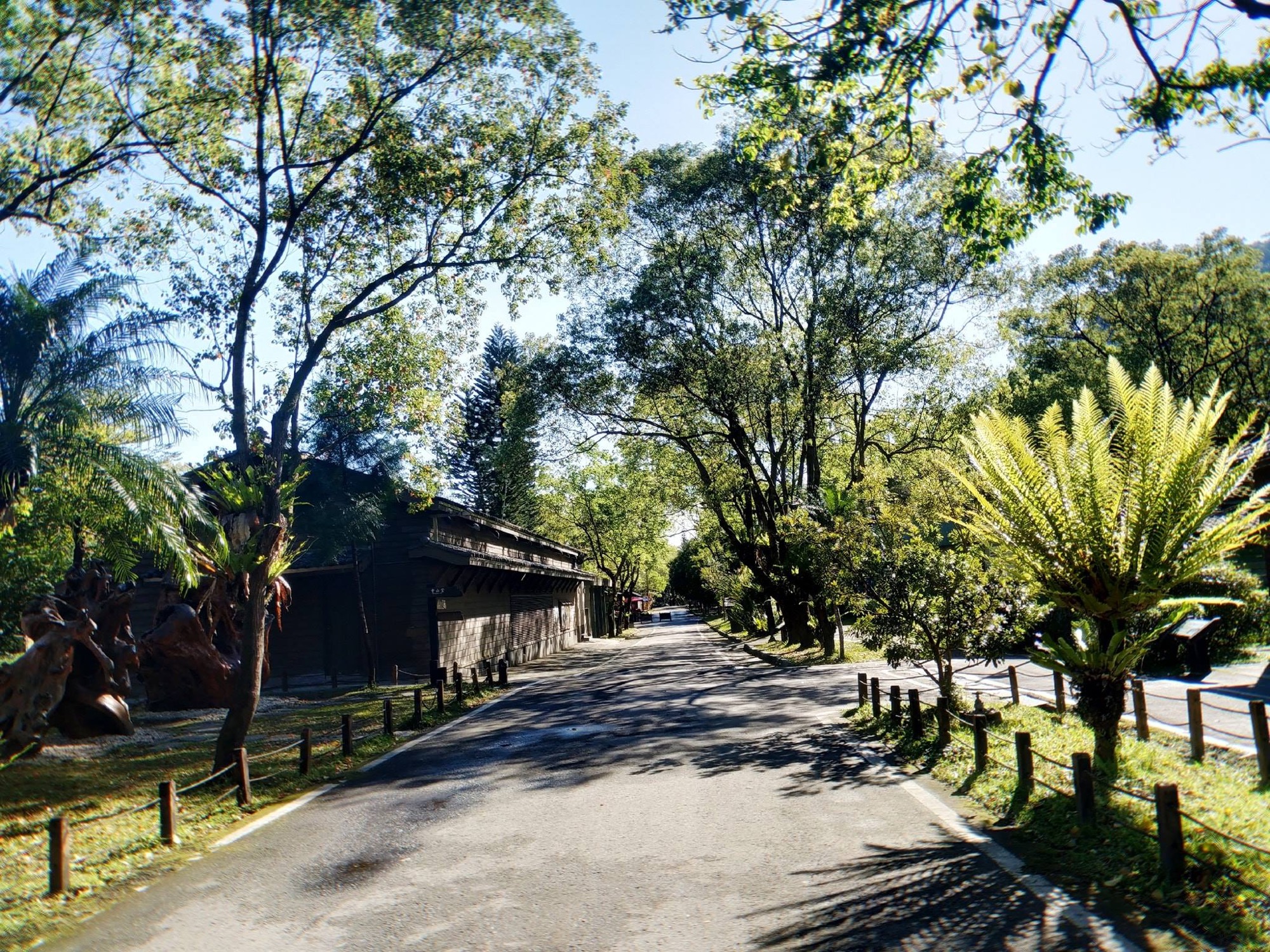
Image source: Taiwan_Opendata; license credits as shown.
Overview
Hidden in Hualien’s Fonglin, Lintianshan, formerly known as Morisaka (the Japanese pronunciation of “Mori-zaka,” meaning “forest slope”), was renamed Senrong after Taiwan’s retrocession. It is the most complete and distinctive surviving logging base in Taiwan, and in both scale and significance it stands as one of the most important sites and witnesses to Taiwan’s forestry development history. During the Japanese colonial period, a hot spring was discovered in the Wanli River area within the forest concession, and a guesthouse was built to utilize the spring water for operations and management. In 1939, the area began developing pulpwood resources, marking the start of its forestry era. At the peak of logging in the 1960s, Lintianshan was bustling with activity and earned the nickname “Little Shanghai.” It was one of Taiwan’s four major forest farms. Later, as the government implemented forest logging bans, the logging workers gradually left, taking the former prosperity with them, but Lintianshan still preserves the most complete logging scenes and imagery.
Getting There
[Driving] Southbound route: From Hualien toward Taitung, take Provincial Highway 9. Turn right onto Highway 16 at the 244 km mark in Wanrong, then follow the signs to arrive. [Driving] Northbound route: From Taitung toward Hualien, take Provincial Highway 9. Turn left onto Highway 16 at the 244 km mark in Wanrong, then follow the signs to arrive. [Public transportation] By train: From Hualien Station, take a train bound for Guangfu, Ruisui, or Yuli, get off at Wanrong Station, then walk about 2.5 km to reach the park. [Public transportation] By bus (Taiwan Tourist Shuttle): From Hualien Train Station or Hualien Transfer Station, take the Taiwan Tourist Shuttle - Hualien Rift Valley Line Half-Day Tour 303D. Get off at the Lintianshan Outer Parking Lot stop and walk west for 3-5 minutes to the park entrance; or get off at the Lintianshan Zhongshan Hall stop to arrive directly at the park. Tourism Administration, MOTC - Taiwan Tourist Shuttle Service Website. [Public transportation] Ubus: From Hualien Train Station, take the route bound for Guangfu (1121) or Ruisui (1122), get off at Wanrong Train Station, then walk west along Highway 16 for about 2.5 km to arrive. Ubus website:
Highlights
Located in the mountain area of Fonglin Township, Hualien County, Lintianshan Forestry Cultural Park was one of Taiwan’s four major forest farms in the past and an important logging base in eastern Taiwan. It is regarded as the most completely preserved forestry settlement and logging site. The park’s predecessor was the Morisaka/Sen-zaka forest concession during the Japanese colonial period. It was once called “Little Shanghai” because of the boom in forestry development and bears witness to both Taiwan’s forestry history and the development of community life. The area preserves many Japanese-style wooden dormitories, forest-farm facilities, and relics of the forest railway, combining original mountain landscapes and ecology into an outdoor museum that blends history, culture, and nature. The government and forestry authorities designated it as Taiwan’s first forestry cultural park and restored it according to the principle of “returning it to its original appearance,” making it a popular destination for learning about forestry culture, nostalgic walks, and photography. Admission and parking are currently mostly free, making it a convenient stop for a half-day or full-day trip through the Hualien-Taitung Rift Valley.
What to See
1. Japanese-style wooden dormitory settlement: A full cluster of wooden buildings built along the hillside once served as employee housing. The area retains a strong Japanese aesthetic, and many visitors stroll here and take photos to experience the atmosphere of forest settlement life. 2. Forest railway and track remains: The park preserves rail tracks and related facilities used to transport timber. Walking along the railway path, visitors can imagine the busy train operations during the peak logging years, making it one of the park’s signature scenes. 3. Forestry relic exhibition hall / forestry cultural exhibition area: The exhibition area displays hand saws, logging machinery, firefighting tools, and everyday items used in forest-farm life. With illustrated explanations, it shows how the logging industry operated and how hard the workers’ lives were. 4. Zhongshan Hall and remains of public facilities: Once a place for employee meetings and recreational activities, the surrounding area used to include a clinic, cooperative store, grocery shop, and school, offering a glimpse of the once fully equipped and convenient mountain town. 5. Mountain-town trails and viewpoints: Built against the mountains, the park’s paths weave between wooden houses and trees. On clear days, visitors can look out over nearby mountains and valleys while enjoying the quiet, relaxed atmosphere of the mountain town. 6. Old logging machinery and large equipment: Some large forestry machines and equipment are displayed outdoors in the park. Their massive size and weathered surfaces provide important clues to the industrial forestry era and are also excellent subjects for photography. 7. Hot spring historical memory: During the Japanese colonial period, a hot spring was discovered along the Wanli River area, and a guesthouse was built around the spring source. Although it is no longer a major recreational facility today, it remains an important early chapter in the park’s development history.
Hours & Admission
Parking: Large buses: free of charge, with space for 9 large vehicles. (The park is currently undergoing multiple construction projects; visitor vehicles should park in the outside parking lot and then walk 3-5 minutes to enter the park). Small cars: free of charge, with 18 standard spaces and 3 accessible spaces. (The park is currently undergoing multiple construction projects; visitor vehicles should park in the outside parking lot and then walk 3-5 minutes to enter the park). Motorcycles: free of charge, with 14 motorcycle spaces and 2 accessible spaces. (The park is currently undergoing multiple construction projects; visitor vehicles should park in the outside parking lot and then walk 3-5 minutes to enter the park). Small cars: free of charge, with 43 standard spaces and 3 accessible spaces. (The park is currently undergoing multiple construction projects; visitor vehicles should park in the outside parking lot and then walk 3-5 minutes to enter the park).
Address
No. 99, Ln. 99, Linsen Road, Senrong Village, Fonglin Township, Hualien County 975 Phone: (03) 875-1703
Travel Tips
1. Suggested length of stay: Most visitors spend about 1–2 hours here. If you enjoy photography or carefully reading the exhibits, it is worth setting aside half a day for a slower visit. 2. Best season and time to visit: Spring and autumn offer comfortable temperatures and soft light, making them ideal for walking and photography. Summer sunlight is strong; although the park has tree shade, it is still recommended to visit in the morning or late afternoon to avoid the heat. Rainy days have a unique mountain-town atmosphere, but wooden boardwalks and slopes may be slippery, so please watch your step. 3. What to bring and what to wear: Comfortable walking shoes are recommended for moving around the slopes and trails. In summer, bring a hat, sunscreen, and drinking water; in winter or on rainy days, prepare a light jacket and rain gear. If you enjoy photography, bring a camera or a portable phone charger, as many corners of the park are very photogenic. 4. Transportation and arrival tips: Drivers can follow Provincial Highway 9 through the Fonglin area and turn into Senrong Village according to the signs. Clear road signs are posted along the way, and parking spaces are available near the park. For public transportation, check buses or tourist shuttle services on the Hualien Rift Valley route; some services stop at the Lintianshan Forestry Cultural Park stop, from which it is a short walk. 5. Visiting route and tour suggestions: You can first pick up or photograph the map at the entrance and service area, then follow the suggested route to see the dormitory cluster, railway, exhibition halls, and other sites. If guided tours are available, joining one can make it easier to understand the forestry history and architectural background. 6. Other helpful reminders: Most of the park is outdoors, so mosquitoes may be more common in summer; insect repellent is recommended. Many of the buildings are historic wooden structures, so please do not climb on or damage them and be respectful of local residents and cultural heritage. The park is more crowded on weekends and holidays; if you prefer a quieter atmosphere, choose a weekday visit.
Nearby Dining
The park itself focuses on the historic settlement and forestry culture exhibits, so dining options are limited. It is recommended to bring drinking water and simple snacks in advance. If you are driving or riding, you can also head to Fonglin Township or nearby sections of Provincial Highway 9 for meals. There are many local eateries and restaurants where you can try Hakka-style dishes and regional home-style cooking. Along the Hualien-Taitung Rift Valley, there are also sugar factory parks and leisure farms, some of which offer dining, ice cream, or desserts that can be included in your itinerary.
FAQ
Q: Does Lintianshan Forestry Cultural Park require an admission ticket? A: At present, general visits are usually free of charge, and parking is also typically free, but the policy may change depending on the management authority, so it is best to check the latest information before departure. Q: How much time should I set aside for Lintianshan Forestry Cultural Park? A: If you only want to stroll, take photos, and feel the atmosphere of the settlement, about 1 hour is enough; if you want to carefully visit the exhibition halls, read the explanations, and take photos at more spots, it is better to reserve 1.5–2 hours. Q: Is Lintianshan Forestry Cultural Park suitable for children and older adults? A: The park mainly consists of gentle slopes and walking paths, with a calm atmosphere suitable for families and older adults. However, some sections have changes in elevation and stairs, so those who walk with more difficulty should take their time and watch their footing. Accessibility for strollers and wheelchairs depends on the specific route. Q: Is it still worth visiting on rainy days or in the summer heat? A: The park has plenty of shade in summer and is still worth visiting, but it is recommended to bring sun protection and water and avoid staying too long around midday. On rainy days, please be careful of slippery paths, wear non-slip shoes, and bring rain gear. Although the misty mountain-town scenery has its own charm, outdoor activity time may need to be shortened.