Miyamasu Mitake Shrine
Japan · Shibuya · Temples & Shrines
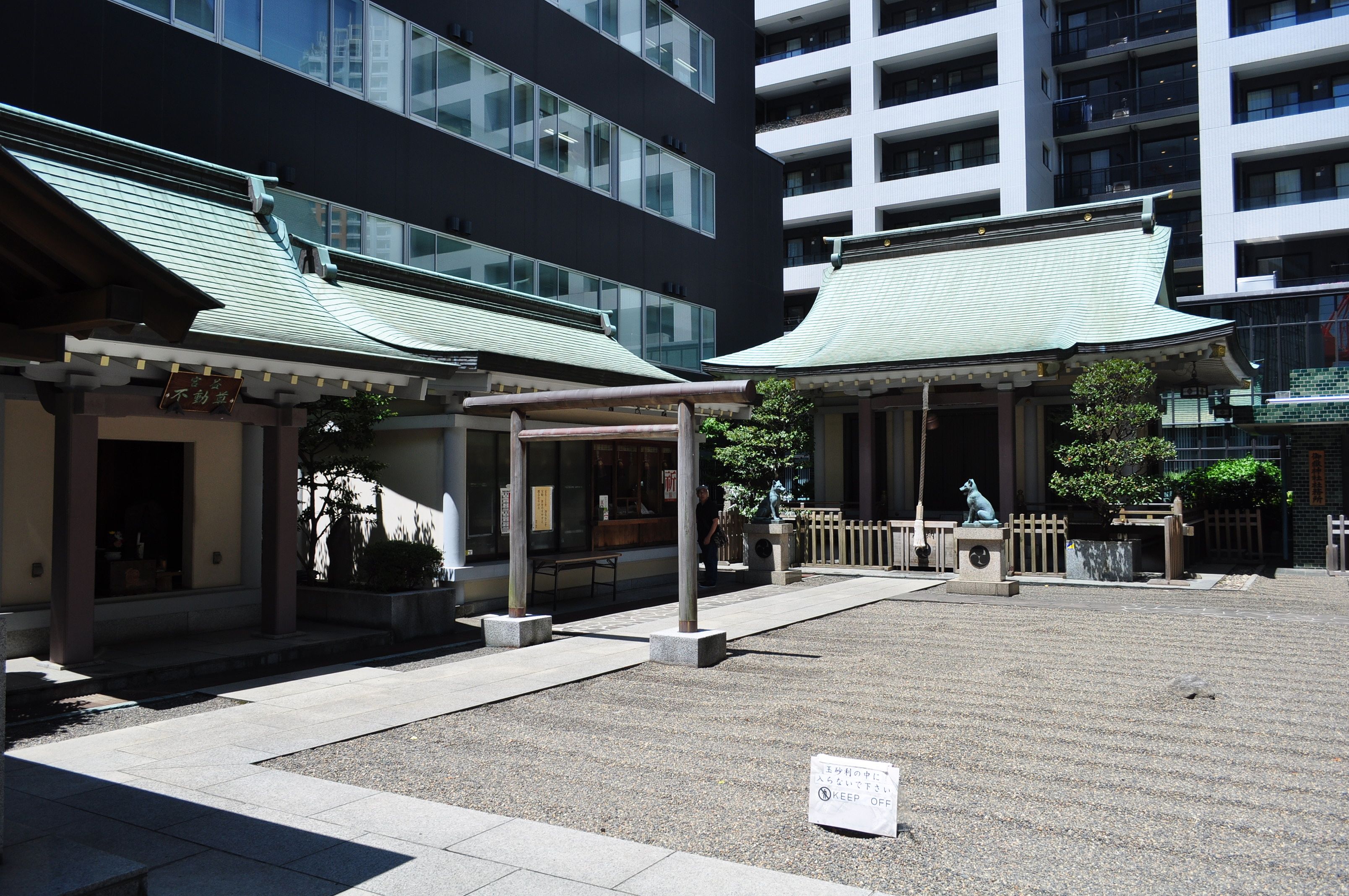
Image source: Wikimedia Commons; license credits as shown.
Overview
Miyamasu Mitake Shrine is a small shrine hidden beside the Miyamasuzaka slope in Shibuya, Tokyo, famous for its rare guardian statue modeled after the extinct 'Japanese wolf'. Located just a few minutes' walk from Shibuya Station in the bustling city center, the shrine maintains a tranquil atmosphere and is often regarded as a hidden spot for a brief respite and blessings amidst the busy shopping district. The shrine holds a festival every September, featuring a portable shrine procession along the Miyamasuzaka area, praying for peace and prosperity in the local commercial streets.
Getting There
The most convenient way to reach Miyamasu Mitake Shrine is to take the train to 'Shibuya Station', and it is about a 3–5 minute walk from the Hachiko Exit. After exiting the Hachiko Exit, turn right towards the police station, walk under the railway, and continue straight up the Miyamasuzaka slope. The shrine entrance is on the left side of the slope, between the post office and a fast-food restaurant, identifiable by its torii gate and stone steps.
Highlights
The main feature of Miyamasu Mitake Shrine is the guardian statue modeled after the 'Japanese wolf', which is considered a very rare shrine design that watches over the safety of passersby and the commercial district. Although the area is not large, it retains traditional torii gates, stone steps, and a meticulously maintained sandy courtyard, creating a quiet spiritual retreat amidst the towering buildings and bustling traffic of Shibuya's commercial area. The annual September festival features a portable shrine procession around the Miyamasuzaka, filled with people in traditional attire shouting and drumming, showcasing the local faith culture beyond the trends of Shibuya. For travelers who love photography, urban walking, and exploring small shrines, this place offers an interesting subject that combines street scenery with religious culture.
What to See
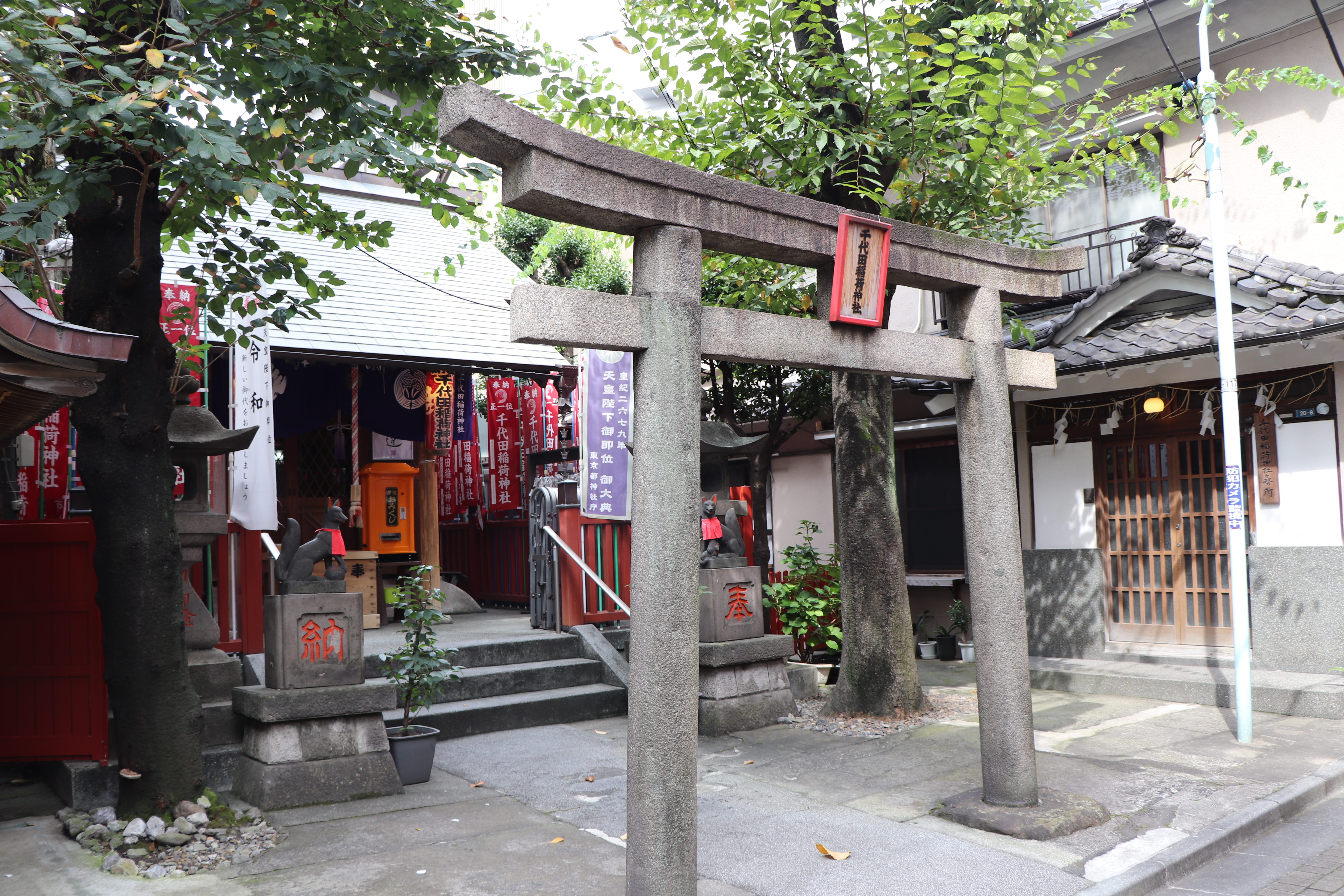
First, the torii gate and stone step approach: The shrine entrance is nestled between the post office and shops, and visitors must ascend over fifty stone steps after passing through the torii gate to reach the shrine, creating a sense of 'finding tranquility amidst the hustle and bustle, step by step'. Second, the Japanese wolf guardian statue: A pair of guardian statues resembling the extinct 'Japanese wolf' stands within the shrine, regarded as a symbol and highlight of the shrine, and is a popular spot for photography enthusiasts. Third, the neat sandy area and compact shrine grounds: Above the stone steps is a small courtyard paved with fine sand, which is often kept very clean, complemented by the main hall, inner hall, and small buildings, showcasing a petite yet complete shrine space. Fourth, the portable shrine and procession during the festival: During the September festival, worshippers dressed in traditional attire carry the portable shrine through the torii gate and stone steps, ascending the Miyamasuzaka and parading through the streets, creating a lively scene that contrasts sharply with the usual tranquil atmosphere.
Hours & Admission
Miyamasu Mitake Shrine is an open-air space, usually accessible for worship at any time without an admission fee, making it suitable for a quick visit for prayers and photos before or after shopping or dining in Shibuya. The actual opening hours for the office and offerings (such as ema and omamori sales) are not clearly announced, so it is recommended to visit during the daytime to purchase offerings and conduct general worship. The annual festival and related activities are mostly held in September, with specific dates and times adjusted each year; if you wish to see the portable shrine procession, it is advisable to check the event information in advance or inquire at local tourist information centers.
Address
1 Chome, Shibuya, Shibuya City, Tokyo, Japan (along Miyamasuzaka, near the Miyamasuzaka exit of Shibuya Station; actual address may vary based on local signage)
Travel Tips
The best time to visit Miyamasu Mitake Shrine is when you are shopping in Shibuya or visiting Omotesando and Harajuku, as it is within walking distance of several popular shopping areas, making it a great spot for a brief quiet break and blessings. The traffic and crowds on Miyamasuzaka can be heavy, so be mindful of your position and pedestrian safety while taking photos; visiting early in the morning or on weekdays can provide a quieter atmosphere with fewer people in the frame. Although the festival period is lively, surrounding roads may have partial restrictions and become more crowded, so if you want to focus on photographing the architecture and guardian statues, it may be better to avoid peak festival times. The steps may be slippery in winter, and there may be standing water on the sandy ground during rainy days, so it is advisable to wear comfortable, non-slip shoes and respect local worship etiquette (such as washing hands, bowing, and speaking softly).
Nearby Dining
Miyamasu Mitake Shrine is located on the east side of Shibuya Station and along Miyamasuzaka, surrounded by a rich variety of dining options, including cafes, izakayas, ramen shops, and dessert stores, making it a very convenient area for food. Some travelers have specifically mentioned a burger shop on the side street next to the shrine, known for its creative names and juicy burgers, making it a great choice for a light meal after visiting the shrine. If you want to experience the daily life of local office workers, you can choose small izakayas or lunch set restaurants along Miyamasuzaka; if you prefer a trendy aesthetic or third-wave coffee, you can walk towards Omotesando, where there are many stylish cafes and dessert shops along the way that can complement your itinerary.
FAQ
Q: How do I get to Miyamasu Mitake Shrine? A: The easiest way to reach Miyamasu Mitake Shrine is to take the train to 'Shibuya Station', and it is about a 3–5 minute walk from the Hachiko Exit or the Miyamasuzaka direction exit. After exiting, turn right towards the police station, walk under the railway, and continue straight up the Miyamasuzaka slope, keeping an eye out for the torii entrance on your left, nestled between the post office and shops; after ascending the stone steps, you will arrive at the shrine. Q: Is there an admission fee for Miyamasu Mitake Shrine? A: Miyamasu Mitake Shrine is a free public shrine, and there is no admission fee for worship or photography within the grounds. However, if you wish to purchase omamori, ema, or other offerings, you will need to pay the corresponding amount as indicated for each item, and you can also offer a donation at your discretion when placing incense money in the offering box. Q: What is special about Miyamasu Mitake Shrine? A: The most special aspect of Miyamasu Mitake Shrine is the guardian statue modeled after the Japanese wolf, which is quite rare in Japan. Additionally, although the shrine is not large, it is located next to the busiest commercial area in Shibuya, creating a 'tranquil space surrounded by tall buildings and crowds', making it popular among travelers who enjoy urban strolling and off-the-beaten-path attractions. Q: How long should I spend at Miyamasu Mitake Shrine? A: The space at Miyamasu Mitake Shrine is not large; if you are just visiting for a simple worship and photos, about 10–20 minutes is sufficient to explore the entire area. If you want to take detailed photos of the Japanese wolf guardian statue, courtyard details, or capture scenes at the steps or Miyamasuzaka, it is recommended to allocate about 30 minutes to allow for adjusting angles and waiting for gaps in the crowd. Q: When is Miyamasu Mitake Shrine the busiest? A: Miyamasu Mitake Shrine is relatively quiet on regular days, mostly visited briefly by nearby office workers and tourists, but it becomes very lively during the annual September festival, when a portable shrine is carried through the shrine and the surrounding Miyamasuzaka streets. On festival days, you can often see groups in traditional attire, hear the sound of taiko drums, and witness spectators along the streets, making it an excellent opportunity to experience local traditional culture in Shibuya.