Mellerio Rosmini Institute Natural Science Museum
Italy · Domodossola · Landmarks
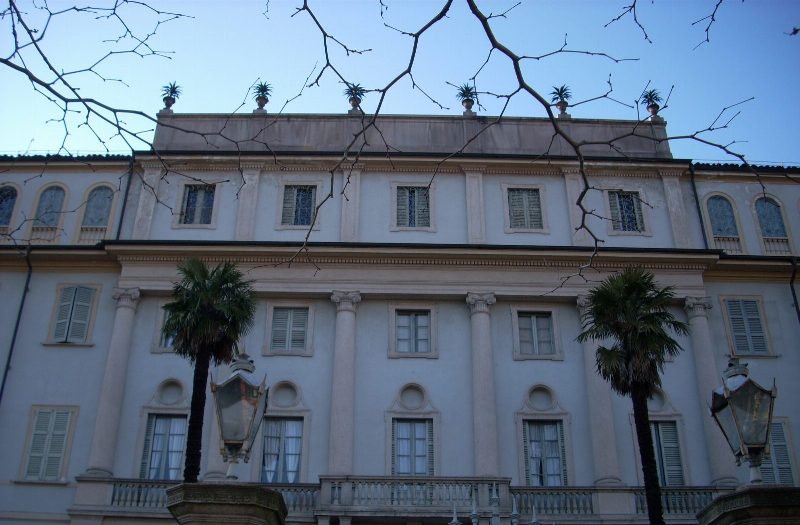

Image source: Wikimedia Commons; license credits as shown.
Overview
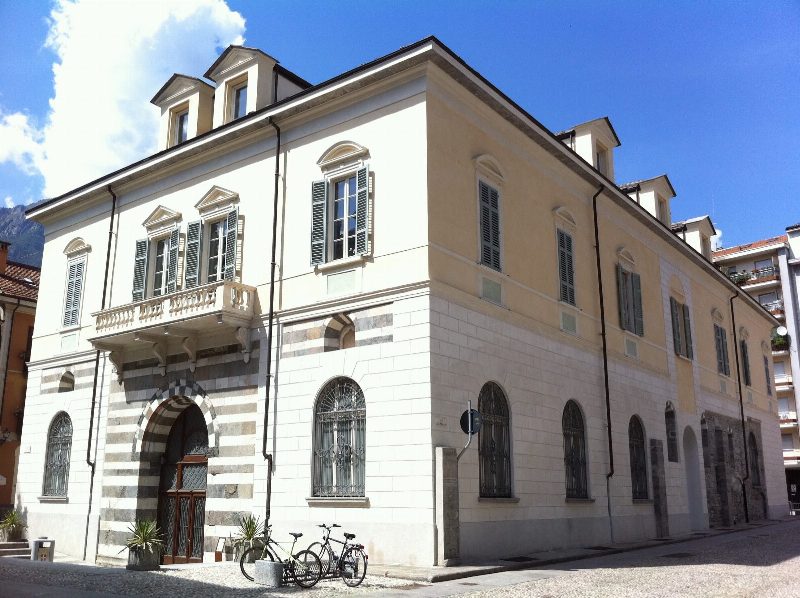
The Mellerio Rosmini Institute Natural Science Museum is located within the Mellerio Rosmini Institute in the center of Domodossola, Piedmont, Italy. It is a school-based museum renowned for its collection of natural sciences from the 19th century. The exhibition area of approximately 155 square meters is distributed across several classrooms of the institute, showcasing specimens of animals, insects, plants, and minerals, with a particular emphasis on the rich geological and rock specimens collected during the construction of the Simplon Tunnel.
Getting There
To reach the Mellerio Rosmini Institute Natural Science Museum, take a regional train to Domodossola train station. After exiting the station, walk along the city roads for about 10-15 minutes to arrive at the Mellerio Rosmini Institute located on Via Rosmini. The city center is compact, and most travelers can also walk from the old town, enjoying the historical neighborhoods and squares of Domodossola along the way.
Highlights
The core feature of the Mellerio Rosmini Institute Natural Science Museum is a collection of educational natural history specimens accumulated by science teachers and students since the 19th century, preserving the atmosphere and display methods of traditional campus museums. The collection includes animal specimens, insects, plant specimens, and minerals, with geological exhibits sourced from systematic sampling during the construction of the Simplon Tunnel, providing valuable data for studying the local Alpine geology and engineering history. The exhibition rooms are divided into geology and mineralogy, zoology, and a comprehensive exhibition room that combines a wood specimen library (xylotheca), plant specimens, and some archaeological and paleontological specimens, reflecting the nature of natural science education in the 19th and 20th centuries. The museum is part of the Ossola Museum Association network and welcomes individual visitors and school groups by appointment, making it suitable for travelers interested in natural history and local history to explore quietly.
What to See
The main exhibition areas of the museum are concentrated in three exhibition rooms and several classroom spaces within the institute. Although not large, the content is compact and rich in historical significance. ・Geology and Mineralogy Room: The first exhibition room is dedicated to geology and mineralogy, featuring rock and geological samples personally collected by geologist Alessandro Malladra during the construction of the Simplon Tunnel, accompanied by complete geological exploration data and related memorabilia, including the only existing tunnel drilling machine and other engineering artifacts. These exhibits not only showcase the crystallization and structure of various ores but also testify to significant engineering projects in the history of Alpine transportation. ・Zoology Room: The second exhibition room belongs to zoology, displaying numerous animal specimens and "taxidermy" specimens, which are animals that have been preserved and prepared for educational and display purposes. The specimens come from natural collections and educational uses of the 19th and 20th centuries, including birds and small mammals, reflecting past understandings of biodiversity in natural science education. ・Plant and Wood Specimen Library Room: The third spacious exhibition room combines various themes, including a wood specimen library (xylotheca), plant specimen collection, and floral models, serving as valuable educational resources for botany and forestry. The wood specimens showcase textures and structures of different tree species, while the plant specimens are mostly pressed and organized into volumes; additionally, there are exquisite floral models made of phenolic resin (commonly known as Bakelite) that allow travelers to observe plant structural details up close. ・Archaeological and Paleontological Corner: The same exhibition room also displays some archaeological and paleontological specimens, such as fossils and locally unearthed artifacts. Although limited in number, they add temporal depth to the overall natural history collection, linking geology, paleontology, and human activity history. ・Atmosphere of the Institute's History: Since the exhibition space is directly located within the Mellerio Rosmini Institute, visitors can feel the architectural details and tranquil corridors of a traditional boarding school during their visit, reflecting beautifully with the old specimens displayed in glass cases, making it very suitable for travelers interested in campus museum culture and the history of education.
Hours & Admission
The Mellerio Rosmini Institute Natural Science Museum is not open to the public on a daily schedule; instead, it operates on a "by appointment only" basis for visitors and groups. According to the Ossola Museum Association and local tourism information, the museum's opening hours must be coordinated in advance by contacting the institute or museum management via phone or email, especially for weekday visits during school teaching periods, which are primarily focused on groups or educational activities. Currently, public information does not specify a fixed ticket price; most descriptions categorize it as a school museum and cultural asset, and in some cases, it may operate on a donation basis or educational visit arrangements. It is recommended that travelers inquire about any fees and related conditions when making an appointment. If visiting during the museum's networking or local cultural events (such as festival open days), other museums in Domodossola may offer combined tickets or special guided tours, so keep an eye on announcements from local cultural institutions.
Address
Address: Via Rosmini 24, 28845 Domodossola (VB), Piemonte, Italy. The museum is located within the campus of the Mellerio Rosmini Institute in the center of Domodossola, surrounded by the city center's streets and historical buildings, easily accessible on foot to the main square and old town.
Travel Tips
Since the museum operates on an appointment basis and is located within an active school, it is essential to contact them by phone or email in advance to confirm the date, time, and meeting point for your visit to avoid arriving and being unable to enter. It is recommended to schedule your visit as part of a half-day or full-day itinerary in Domodossola, combining a stroll through the old town, the Sanctuary of Our Lady of Carmel, and nearby Alpine areas (such as the Val d'Ossola valley and Simplon Pass) to create a journey that blends nature and culture. Spring to autumn is the comfortable season to visit Domodossola and the Ossola region, with more stable weather suitable for combining museum visits with hiking or exploring nearby towns; in winter, if planning to ski or visit the Alpine snow scenery, you can also arrange indoor visits during breaks while entering and leaving the town. The museum primarily features indoor exhibitions, making it suitable for visits on rainy days, but the old building's stairs and floors may be slightly narrow or uneven, so those with mobility issues are advised to inquire about available accessibility ramps and assistance services when making an appointment. There are cafes and restaurants near the campus where you can dine or take a coffee break before or after your visit; if you plan to continue to the lake or mountain areas, allow ample time to return to the train station for your train ride.
Nearby Dining
The center of Domodossola is just a few minutes' walk from the Mellerio Rosmini Institute Natural Science Museum, with several cafes and small restaurants nearby offering Piedmontese cuisine and light meals, making it a convenient option for dining before or after your visit. In the main square and pedestrian street of the old town, you can find traditional Italian pizzerias, small restaurants, and bars, paired with local red and white wines and Alpine cheeses, providing a great way to experience local culinary culture. If time permits, you can also try dishes featuring mountain ingredients in Domodossola, such as game dishes, potatoes, and polenta, before returning to the train station to catch a train to the lake or other towns. Since the museum is located within a school, it generally does not provide dining services, so it is recommended to eat or purchase drinks and snacks in the city center beforehand, avoiding eating in the exhibition rooms to respect the exhibits and campus environment.
FAQ
Q: What does the Mellerio Rosmini Institute Natural Science Museum mainly exhibit? A: The Mellerio Rosmini Institute Natural Science Museum mainly exhibits a collection of natural history educational specimens accumulated since the 19th century, including animal, insect, plant, and mineral specimens, as well as geological samples and artifacts related to the construction of the Simplon Tunnel. The exhibitions are divided into geology and mineralogy, zoology, and a third exhibition room that combines a wood specimen library, plant specimens, and some archaeological and paleontological exhibits, presenting the nature of natural science education in traditional campus museums. Q: How do I get to the museum? A: To reach the museum, you can take a train to Domodossola train station and then walk about 10-15 minutes to the Mellerio Rosmini Institute located at Via Rosmini 24. The city center of Domodossola is not large, and you can also walk from the main square of the old town, enjoying the historical neighborhoods and Alpine town scenery along the way. Q: Does the museum have fixed opening hours? Do I need to make an appointment? A: The Mellerio Rosmini Institute Natural Science Museum operates on an appointment basis and does not have a daily fixed opening schedule. Visits must be arranged in advance by contacting the management unit. Both individual visitors and school groups need to make appointments, and it is recommended to contact the institute or the Ossola Museum Association at least a few days in advance via phone or email to confirm. Q: Is there an admission fee? A: Public information does not clearly state a fixed ticket price; the museum is often categorized as a school museum and cultural asset, and in some cases, it may operate on a donation basis or educational arrangements. Therefore, whether there is a fee and the amount should be inquired about during the appointment. If there are local cultural activities or museum ticket options, there may also be special arrangements or guided tours, so it is advisable to pay attention to local cultural and tourism information. Q: Is the museum suitable for children or students to visit? A: The museum is originally a natural science teaching space of the institute, making it very suitable for children and students interested in animals, minerals, and plants. Under guided tours, they can observe various specimens up close and learn about the natural environment and engineering history of the Alpine region. Since the exhibits are mostly historical specimens displayed in glass cases, it is recommended that parents and teachers help maintain order and safety, and inquire during the appointment whether suitable guided tours for school-age groups can be arranged. Q: Can people with mobility issues visit? A: According to local tourism information, the institute museum has some accessibility ramp facilities, but since the building is a historical school, some floors and exhibition rooms may still have stairs and narrower walkways. Travelers with mobility issues or using wheelchairs are advised to inform their needs when making an appointment so that the museum can assist in arranging suitable pathways and entrances and confirm which exhibition areas are accessible. Q: How much time should I allocate for the visit? A: The museum's exhibition area is approximately 155 square meters, and usually, allocating about 1 to 1.5 hours is sufficient to visit all exhibition rooms and read the main descriptions. If you are particularly interested in geology and the history of the Simplon Tunnel or have booked a guided tour, it is recommended to allocate around 2 hours to allow time for questions and detailed examination of the exhibits. Q: Can I take photos inside the museum? A: Generally, campus museums often restrict the use of flash or tripods to protect specimens and not disrupt educational activities. Whether photography is completely allowed may depend on the on-site regulations, so it is advisable to confirm the photography rules with staff or guides upon entry. If taking photos, be sure to respect other visitors and the school environment, avoiding leaning on or touching the specimens in the display cases.