Qingxu Temple
CN · 平遙縣 · Landmarks
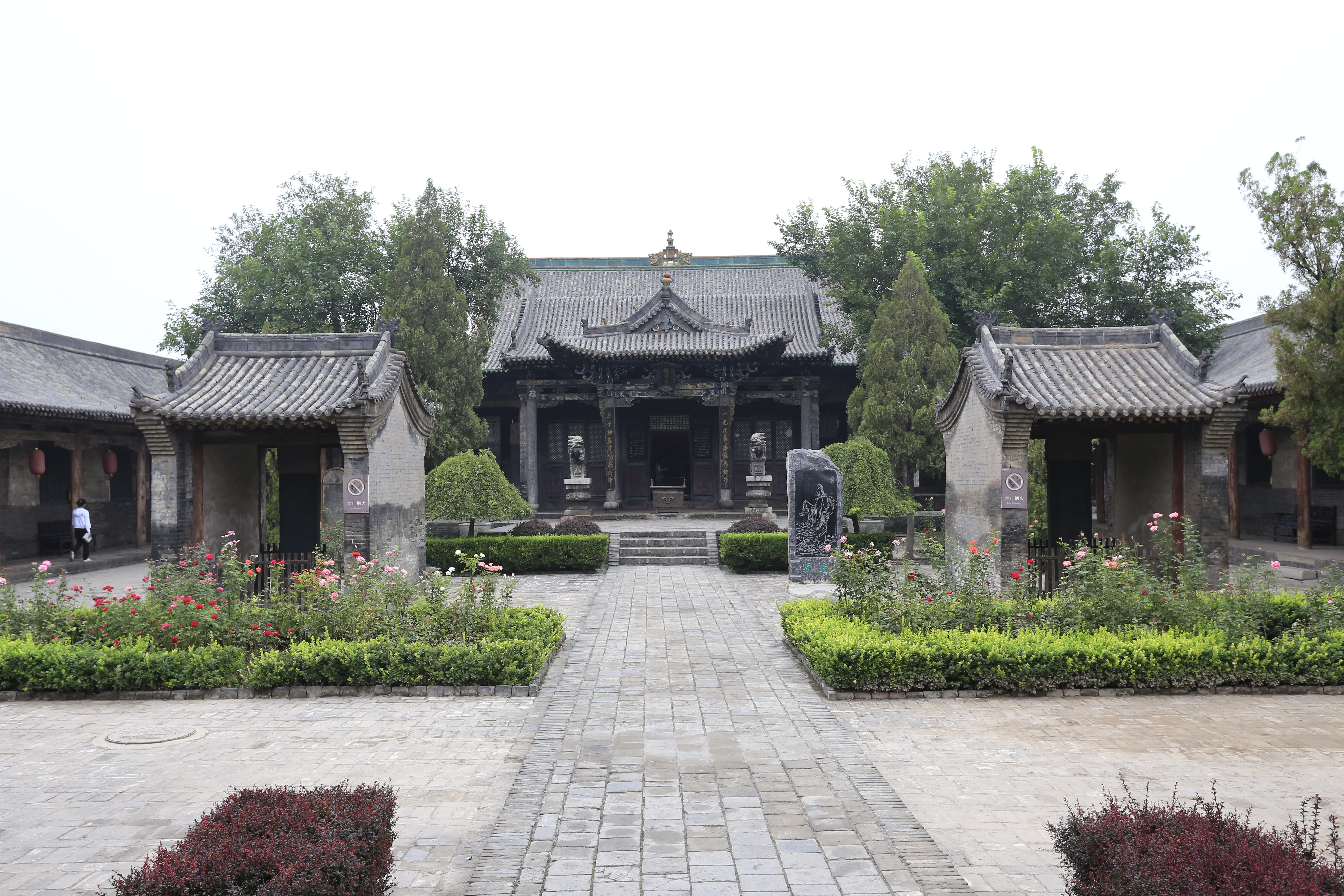
Image source: Wikimedia Commons; license credits as shown.
Overview
Qingxu Temple is a large Taoist architectural complex located on East Street in Pingyao Ancient City, Shanxi Province, and is also the site of the Pingyao County Museum. It is the largest Taoist temple within the ancient city. The construction began in the second year of the Tang Dynasty's Xianqing era (657 AD) and has undergone multiple renovations and name changes throughout the Song, Jin, Yuan, Ming, and Qing Dynasties. The existing structures mainly date back to the Yuan, Ming, and Qing Dynasties and have been designated as a national key cultural relic protection unit. The temple is situated on the north side of East Street, following the traditional layout of 'Taoism in the East and Buddhism in the West', with a north-south orientation and a three-courtyard layout. The archway, mountain gate, and halls are arranged in a complete sequence, combining a religious atmosphere with the functions of a museum.
Getting There
To reach Qingxu Temple, you can first arrive at the entrance of the 'Pingyao Ancient City' scenic area. From the East Street of the ancient city, it takes about a 10-minute walk to reach the northern side of the eastern section of the temple, approximately 100 meters from the East Gate (Qinhan Gate) under the Pingyao city wall. For travelers coming from outside, you can take a high-speed train or regular train to 'Pingyao Ancient City Station' or 'Pingyao Station', and then transfer to a taxi or scenic area shuttle bus to the vicinity of the East Gate of the ancient city before walking in.
Highlights
The main feature of Qingxu Temple is that it is the largest Taoist temple in Pingyao Ancient City and also serves as a county-level comprehensive museum, allowing visitors to experience both religious architecture and local historical culture in one space. The architectural complex is oriented north-south with a rigorous three-courtyard layout, and the archway, mountain gate, main hall, and Yuhuang Pavilion are symmetrically arranged along the central axis, fully reflecting the ceremonial and orderly nature of ancient Chinese Taoist temple architecture. The existing wooden structures from the Yuan, Ming, and Qing Dynasties include the precious 'Dragon and Tiger Hall' from the Yuan Dynasty, which is an important artifact for studying Yuan architecture and painting art. As a national key cultural relic protection unit, Qingxu Temple not only preserves local inscriptions, cultural relics, and folklore materials but is also a crucial point for understanding the religious life and urban development history of Pingyao Ancient City.
What to See
The main attractions of Qingxu Temple are concentrated along the central axis and the side halls. Visitors can sequentially explore to experience the sense of ritual and historical context as they progress through the space. The first sight is the wooden archway in front of the mountain gate, which is a two-column style with front and back support columns and a hip roof, built in the 36th year of the Qianlong era (1771). The carvings and bracket decorations are exquisite, making it a great spot for photos. Passing through the mountain gate, you will see the first courtyard, with the 'Dragon and Tiger Hall' from the Yuan Dynasty at its center. This hall originally housed the deities of the dragon and tiger, and its roof structure and beams exhibit a distinct Yuan Dynasty style, making it a must-see for architecture enthusiasts. Moving north along the central axis, you will find the 'Offering Hall' and the main 'Sanqing Hall', with side halls on both sides. The corridor in front of the hall features stele pavilions and a Bagua platform, forming a ceremonial space in the second courtyard. Further back is the third courtyard, consisting of the 'Yuhuang Pavilion' and the east and west corridors. The Yuhuang Pavilion rises high, serving as the spiritual high point of the temple space and an ideal spot for overlooking the courtyard structure and appreciating the roof lines. In addition to the main buildings along the central axis, the side halls and corridors display various cultural relics, local historical materials, and folk exhibits from the Pingyao County Museum, making it suitable for leisurely reading and exploration.
Hours & Admission
Qingxu Temple is currently one of the key attractions included in the combined ticket for the Pingyao Ancient City scenic area, and visitors can usually enter with the Pingyao Ancient City joint ticket without needing to purchase a separate ticket. According to official information from Pingyao Ancient City, the ticket price for the peak season (approximately April to October) is about 125 RMB for a full ticket and 65 RMB for a half-price ticket; prices may vary slightly in the off-season, and discounts are available for youths under 18, students, and specific groups, subject to the latest local announcements. Opening hours generally adjust with the Pingyao Ancient City scenic area, approximately 08:00–18:30 in peak season and 08:30–18:00 in off-season. It is recommended that travelers confirm the current opening hours upon entering the city to plan their itinerary accordingly.
Address
No. 109, East Street, Gucheng Street, Pingyao County, Jinzhong City, Shanxi Province (north side inside the East Gate of the ancient city)
Travel Tips
It is best to arrange a visit to Qingxu Temple as part of your itinerary while exploring East Street of Pingyao Ancient City. It is recommended to also visit nearby attractions such as the East Gate under the ancient city wall, ticket houses, escort agencies, and city buildings to experience the scenic beauty of the ancient city streets. The climate is more pleasant from April to October, which is the peak season for visiting Pingyao Ancient City and Qingxu Temple. However, during holidays, crowds can be large, so if you want to avoid the crowds, consider visiting on weekdays or during the off-peak morning hours. The courtyard mainly features brick and stone paving and steps, so it is advisable to wear comfortable flat shoes. In summer, remember to stay hydrated and use sun protection, while in winter, be cautious of icy surfaces and dress warmly. As a museum-like ancient architectural complex, there are many cultural relics and inscriptions on display inside the halls, so visitors should keep their voices down and avoid touching exhibits and wooden structures to help preserve the historical architecture. If time is limited, focus on the key buildings along the central axis such as the archway, Dragon and Tiger Hall, Sanqing Hall, and Yuhuang Pavilion, as well as the exhibition areas related to Pingyao finance, ticket houses, and folklore to quickly gain an overall impression of Pingyao's history.
Nearby Dining
Qingxu Temple is located on the eastern section of East Street in Pingyao Ancient City, where there are many snacks and restaurants nearby. Within a few minutes' walk, you can find several restaurants and tea houses serving local Pingyao flavors. Visitors can enjoy local dishes such as Pingyao beef, bowl supports, oat noodles, and various Shanxi noodles along East Street and the adjacent South Street and Mingqing Street. Prices and quality vary by establishment, so it is advisable to pay attention to the popularity and turnover rate of the places as a reference. If you prefer a quieter dining environment, you can choose small restaurants located in alleys or attached to inns, which usually have a more comfortable atmosphere and are better suited for longer breaks during lunch or dinner. Some cafes and creative bookstores within the ancient city are also within walking distance from Qingxu Temple, making them great spots to sit down and organize photos and notes after visiting the museum.
FAQ
Q: What are the main attractions of Qingxu Temple? A: The focus of Qingxu Temple is its status as the largest Taoist temple and county museum within Pingyao Ancient City, featuring ancient architecture from the Yuan, Ming, and Qing Dynasties along with local historical exhibitions. Visitors can sequentially explore the wooden archway, mountain gate, Yuan Dynasty Dragon and Tiger Hall, Sanqing Hall, and Yuhuang Pavilion along the central axis, while also paying attention to the cultural relics and folk displays in the side halls to understand Pingyao from the perspectives of architecture, religion, and local history. Q: Do I need to buy a separate ticket to visit Qingxu Temple? A: Qingxu Temple is generally included in the combined ticket for the Pingyao Ancient City scenic area, and you can enter with the joint ticket without needing to purchase a separate ticket. The ancient city combined ticket is about 125 RMB during peak season and includes access to multiple attractions within the ancient city. Ticket prices and policies may change annually, so it is advisable to check the latest official information or confirm at the ancient city ticket window before departure. Q: What are the opening hours of Qingxu Temple? A: The opening hours of Qingxu Temple usually align with the overall schedule of the Pingyao Ancient City scenic area, approximately from 8:00 AM to 6:30 PM during peak season, and slightly later opening and earlier closing in the off-season. If you plan to visit the ancient city wall and multiple courtyards on the same day, it is recommended to enter the city early and schedule your visit to Qingxu Temple during the morning or afternoon when you have more time to appreciate the architectural details and exhibits. Q: How do I get to Qingxu Temple from Pingyao Railway Station or High-speed Railway Station? A: After exiting Pingyao Railway Station or Pingyao Ancient City High-speed Railway Station, you can take a taxi or scenic area shuttle bus to the East Gate of Pingyao Ancient City or a nearby entrance, then walk about 10 minutes along East Street to reach the northern side of the eastern section of Qingxu Temple. If coming from Taiyuan, you generally take a long-distance bus or train to Pingyao, which takes about 1.5 to 2 hours, and then transfer to local transportation to enter the ancient city. Q: Are there still Taoist priests practicing inside Qingxu Temple? A: Qingxu Temple is now primarily used as the Pingyao County Museum and a cultural relic protection unit, and there are no resident Taoist priests practicing inside. Although its religious function has been relatively diminished, the architectural space and historical atmosphere still retain the layout and imagery of a traditional Taoist temple, making it an important place for studying and experiencing Taoist architecture. Q: How long does it take to visit Qingxu Temple? A: If you are just quickly browsing the buildings and courtyards along the central axis, you can generally complete the main areas of Qingxu Temple in under 30 minutes. If you wish to closely examine the beam paintings, inscriptions, and museum exhibits, and take photos and read explanations, it is recommended to allocate 1 to 1.5 hours, making it more appropriate to spend half a day to a full day visiting Qingxu Temple along with other attractions in Pingyao.