
Ruisui Ecological Education Center
Taiwan · Hualien County · 瑞穗鄉 · Nature & Scenery
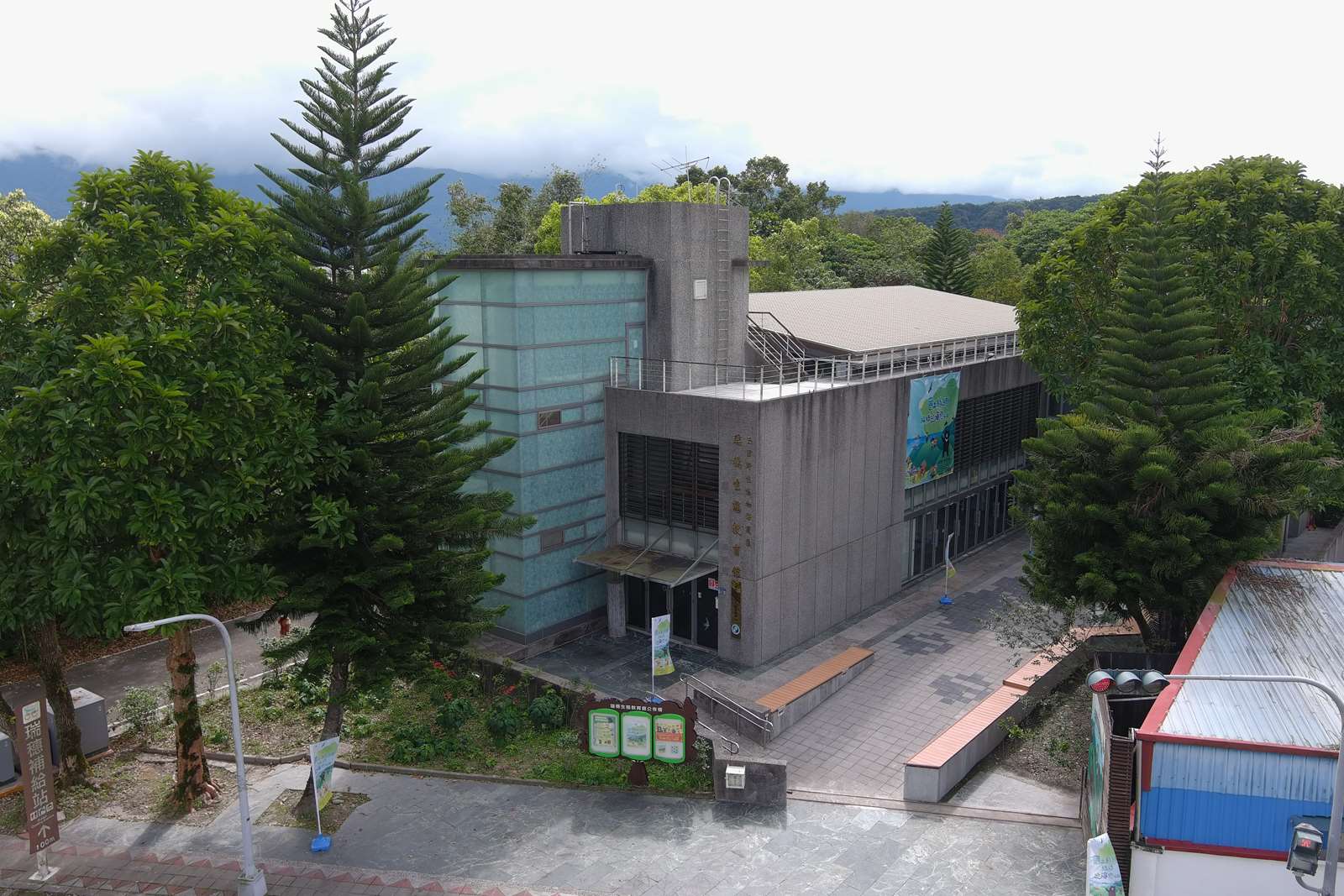
Image source: Taiwan_Opendata; license credits as shown.
Overview
Through a variety of interpretive media and exhibition design, this center helps visitors learn about the results of Hualien’s National Green Network initiative and gain a closer look at the rich flora and fauna of the Yuli Wildlife Refuge. The center also actively carries out school outreach programs, using lesson-based teaching materials to promote conservation topics, and extends related activities into nearby communities and trails, building strong partnerships with local residents. It introduces common plants and animals found in the Yuli Wildlife Refuge. Because the refuge has complex vegetation types and steep, rugged terrain, it has created a vibrant and diverse ecological environment. The center offers guided tours, ecological film screenings, and free DIY courses. Visitors are welcome to apply and make reservations, and schools are also welcome to book on-campus outreach services.
Getting There
[Driving] Route 1: Hualien (Provincial Highway 9): Shoufeng – Fenglin – Guangfu – Ruisui, about 70 km. [Driving] Route 2: Taitung (Provincial Highway 9): Guanshan – Chishang – Yuli – Ruisui, about 115 km. [Public transportation] By train: Take a train on the North-Link or South-Link line and get off at Ruisui Station in Hualien. Walk about 3 minutes from the rear exit to arrive.
Highlights
Ruisui Ecological Education Center is a free environmental education venue that introduces the ecology of the Yuli Wildlife Refuge and the achievements of Hualien’s National Green Network. Through interpretive media, interactive exhibits, and ecological videos, it allows visitors to learn about precious plants and animals and the diverse ecological environment of the Central Mountain Range from a comfortable indoor setting. The center is established and operated by the Hualien Branch of the Forestry and Nature Conservation Agency, and works with local communities, trails, and schools to promote ecological conservation, environmental education, and outreach programs. It is a popular learning site for families and school field trips. Located in Ruisui Township near Ruisui Railway Station and the Ruisui Hot Spring area, it is easy to access and can be combined with hot springs, tea plantations, and East Rift Valley attractions for a one-day or half-day trip.
What to See
1. Yuli Wildlife Refuge themed exhibition: The main highlight of Ruisui Ecological Education Center is its permanent exhibition themed around the Yuli Wildlife Refuge. Through illustrated panels, models, and multimedia presentations, it introduces the refuge’s diverse vegetation types, steep mountainous terrain, and the rich ecosystems they support. Visitors can learn about the forest landscape of the Central Mountain Range in one place, and understand why this area is an important habitat for wildlife such as Taiwan black bears, Mikado pheasants, and Reeves’s muntjacs, among other species commonly featured in the interpretive content and related materials. 2. Interactive exhibition on plants, animals, and forest ecology: The center features forest- and wildlife-themed sculptures, tree bark rubbings, growth-ring displays, animal track castings, bird sounds, and other multimedia installations that present mountain ecology through sight, sound, and touch. By touching, listening, and observing, visitors can more intuitively learn about different tree species, growth patterns, wildlife tracks, and bird calls, making the ecology easier to understand and especially suitable for parents and children learning together. 3. National Green Network and conservation topic area: The exhibition area introduces the achievements of Hualien’s National Green Network initiative, explaining how protected areas, ecological corridors, and community participation connect mountains, farmland, and settlements to form a green network that allows wildlife to move and inhabit safely. Visitors can learn how ecological conservation and local development can be balanced, and discover practical ways to support the environment in everyday life. 4. Ecological video screening space: The center includes a space for ecological film screenings, with videos related to the Yuli Wildlife Refuge, forest ecology, and wildlife conservation shown periodically. Through imagery and storytelling, the screenings are well suited for group tours and family viewing, turning abstract conservation concepts into vivid and easy-to-understand content. Special screenings are also often arranged for holidays or themed events. 5. Free DIY classroom and hands-on experience: Ruisui Ecological Education Center offers free DIY courses by prior application or reservation. The content often matches the center’s themes, such as simple crafts inspired by wildlife, forests, or the protected area, allowing participants to deepen their impression of nature and conservation through the creative process. At certain times, the center also combines ecological films and guided tours to create a complete learning program. 6. Community and trail extension activities: The center does not limit activities to the building itself. It extends conservation and environmental education into nearby communities and trails, working with local residents and landscapes to lead visitors outdoors for hands-on environmental observation. For themed programs or group reservations, visitors may join trail tours or community partnership activities to better understand the relationship between the East Rift Valley’s mountains and settlements.
Address
58, Section 1, Wenquan Road, Ruisui Township, Hualien County 978 Telephone: (03)8876631
Travel Tips
Ruisui Ecological Education Center is suitable to visit year-round, but autumn, winter, and spring are especially recommended because the weather is more stable and the temperature is comfortable. In summer, when it is hot, it is a good idea to schedule the indoor visit during the hottest midday hours. Because most of the exhibits are indoors, it is also a great backup plan on rainy days, and can be paired with nearby hot springs, tea plantations, or East Rift Valley attractions for a half-day to one-day itinerary. It is recommended to allow at least 1 to 1.5 hours to see the exhibits and videos carefully; if you add DIY activities or guided tours, setting aside 2 to 3 hours will make the visit more relaxed. Before visiting, it is recommended to confirm opening hours and whether there are closed days, and to check whether the center is closed on Mondays and Tuesdays or primarily serves group reservations on Wednesdays, in order to avoid a wasted trip. If you are visiting as a school or group and want guided interpretation, ecological video screenings, or DIY classes, be sure to reserve in advance by phone or online. Some guided services may have minimum group-size requirements, so planning ahead helps with scheduling. It is recommended to wear comfortable walking shoes and clothing suitable for light walking. Even though most activities take place indoors, you may still join small outdoor activities in nearby communities or on trails. Depending on the season, bring a light jacket, sunscreen, and rain gear for peace of mind in eastern Taiwan’s changeable weather. If children are joining, you may want to read simple wildlife and forest stories with them before the visit so they can connect more easily and engage more deeply with the interactive exhibits and DIY crafts. There are also hot springs and tea plantation attractions within driving distance around Ruisui Township, so rail travel or self-driving can be used to combine several stops into one trip.
Nearby Dining
Ruisui Ecological Education Center is near Ruisui town and the hot spring area, so you can combine the visit with local snacks and tea shops for meals and breaks before or after your tour. The Ruisui area is known for its tea plantation scenery and coffee and tea experiences, and some shops offer scenic seating that is ideal for a leisurely afternoon rest and a relaxed East Rift Valley slow-travel itinerary. If you are traveling by car or hired vehicle, you can also stop by tea cafés around the Wuluan Plateau area to taste local tea and simple light meals, combining the ecological education experience with rural scenery.
FAQ
Q:Is Ruisui Ecological Education Center suitable for families with children or school field trips? A:Ruisui Ecological Education Center is very suitable for family trips and school field trips. The center uses multimedia interactive exhibits, animal and forest sculptures, bird sounds, tree-ring and footprint displays, and other features to guide children to learn about ecology through sight, sound, and touch. Combined with ecological videos and DIY craft activities, the learning experience is both fun and educational. Schools and groups can also reserve guided tours and on-campus outreach services in advance, linking classroom lessons with on-site experiences and strengthening environmental education outcomes. Q:Do I need a reservation to visit Ruisui Ecological Education Center? A:General visitors can usually enter during opening hours without a reservation, but if you want to join guided tours, ecological video screenings, or DIY courses, advance reservation is recommended. The center provides guided interpretation, ecological video viewing, and free DIY courses, all of which are mainly by reservation. Schools and groups are especially advised to plan ahead and contact the center by phone or online so staff can arrange personnel and time slots. If you plan to visit on Wednesday or during crowded holidays, a reservation is especially important to avoid missing out on fully booked services. Q:What is the main focus of a visit to Ruisui Ecological Education Center? A:The main focus is to learn about the diverse ecology of the Yuli Wildlife Refuge and the conservation achievements of Hualien’s National Green Network. Visitors can use interpretive panels, models, and multimedia exhibits to understand the vegetation and wildlife of the steep Central Mountain Range, learn why protected areas are needed, and see how the National Green Network connects mountains and communities. The multi-sensory plant and animal exhibits, ecological video screenings, and DIY activities make abstract conservation concepts concrete and easy to understand, making it one of the best places for a quick introduction to Hualien’s mountain ecology. Q:What conservation and environmental education concepts can be learned at Ruisui Ecological Education Center? A:At Ruisui Ecological Education Center, visitors can learn about wildlife protection, forest ecology, habitat conservation, and the National Green Network, among other environmental education concepts. The exhibition area introduces the terrain, vegetation, and species of the Yuli Wildlife Refuge, explains how habitat fragmentation affects species movement and survival, and shows how Hualien builds a green network through protected areas, ecological corridors, and community cooperation. Through guided interpretation and lesson-based teaching materials, visitors can understand how small actions in daily life can support conservation work and build a clearer understanding of environmental ethics and local ecology.