Seward Park
United States · Illinois · Cook County · North Chicago Township · Parks & Gardens
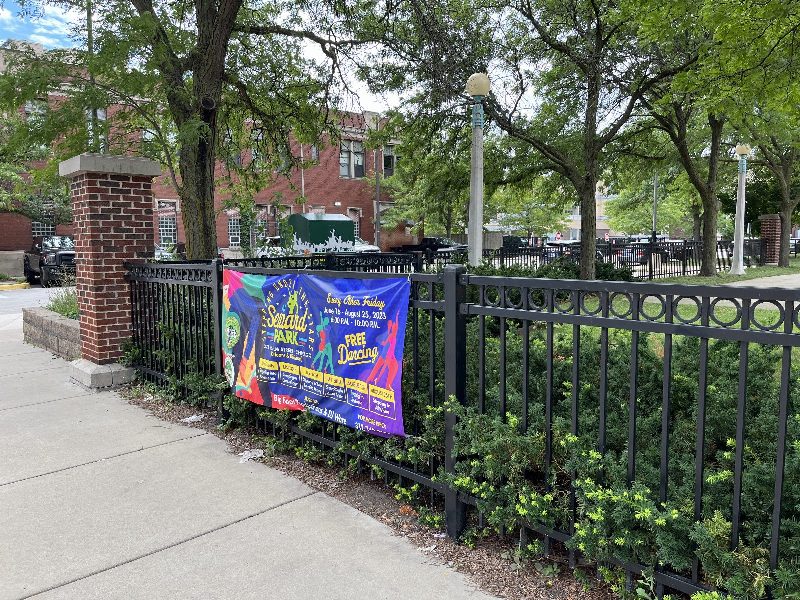
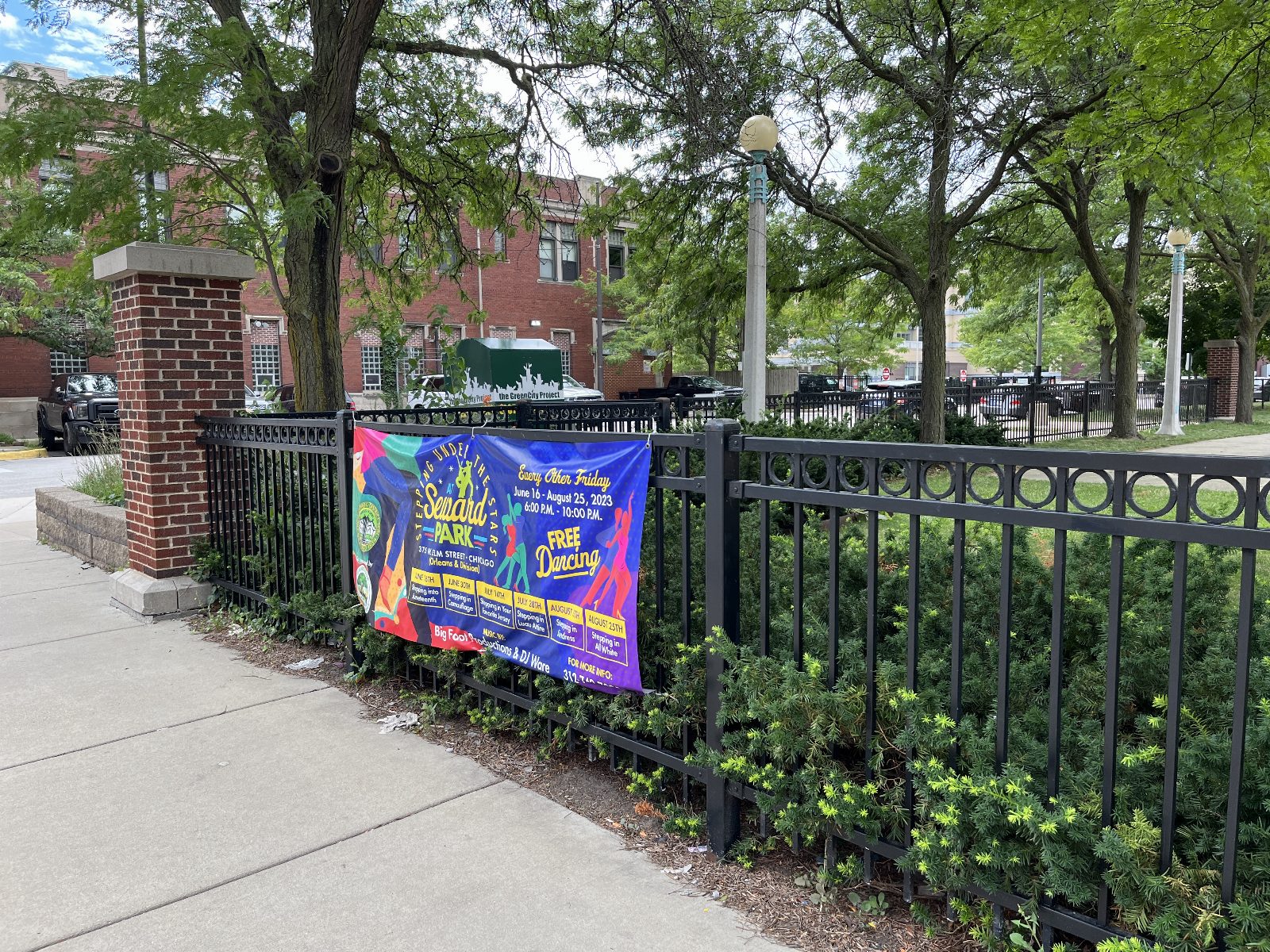
Image source: Wikimedia Commons; license credits as shown.
Overview
Seward Park is a municipal park located on Bailey Peninsula at the southeastern edge of Seattle, Washington, covering approximately 300 acres and almost entirely surrounded by Lake Washington. It is renowned for its well-preserved old-growth forest, lakeside trails, and beach views, making it a popular destination that combines natural ecology, tranquil experiences, and urban recreational activities. The park's core retains about 120 acres of ancient old-growth forest, known as the 'Magnificent Forest,' which is the largest remaining old-growth forest area in the Seattle urban area. In 2024, Seward Park was awarded the title of 'Urban Quiet Park' by the International Quiet Parks Organization, becoming one of the few certified urban tranquil green spaces in the world.
Getting There
The most convenient way to reach Seward Park is to take a Seattle metropolitan area bus to the vicinity of the park and then walk to the park entrance. A common approach is to take the Metro bus routes to the Rainier Ave S or S Orcas St area and walk about 10–20 minutes along Seward Park Ave S to reach the park entrance and parking area. For those driving, you can travel along Lake Washington Blvd S or Seward Park Ave S, where there are multiple parking lots and lakeside parking spaces available.
Highlights
The main feature of Seward Park is its expansive 300-acre natural peninsula park, which retains its pristine character while being located in the city, almost entirely surrounded by Lake Washington, offering wide views of Mount Rainier and the lake. The park features about 120 acres of old-growth forest, known as the 'Magnificent Forest,' which contains trees that are hundreds of years old, making it one of the few remaining urban old-growth forest habitats in Seattle. The 2.4-mile (approximately 3.9 kilometers) paved loop trail around the lake is suitable for walking, jogging, cycling, and rollerblading, with scenic views of the lake, mountains, and city skyline along the way. The park also includes swimming beaches, boat and kayak launch points, grassy picnic areas, a children's playground, tennis courts, an outdoor theater, and art/pottery studios, along with the Seattle Audubon Nature Center, which offers rich natural education and community activities year-round. Due to its distance from major traffic and flight paths, the soundscape is relatively quiet, and in 2024, it was certified as an 'Urban Quiet Park' by Quiet Park International, making it a rare place in the city where one can truly listen to the sounds of nature.
What to See
Magnificent Forest: Located in the center of the peninsula, this approximately 120-acre old-growth forest is the largest old-growth forest within Seattle city limits, featuring winding trails where you may encounter wildlife such as owls, bald eagles, raccoons, coyotes, and squirrels. Lakeside Loop Trail: This 2.4-mile trail is flat and runs almost entirely along the shoreline of Lake Washington, suitable for walking, jogging, cycling, and rollerblading, with views of the lake, docks, Mount Rainier, and the Seattle skyline. Swimming and Beach Area: The park offers several lakeside swimming beaches and play areas open during the summer, as well as launch points for kayaks, stand-up paddleboards, and small motorboats. Grassy Picnic Areas: The expansive grassy areas and multiple picnic spots equipped with tables and grills are perfect for families or groups to hold picnics and gatherings by the lake. Seattle Audubon Nature Center: The nature center within the park provides guided tours, birdwatching activities, and ecology courses year-round, serving as a hub for observing local bird species and understanding the ecology of Lake Washington. Outdoor Theater and Art Studios: The park features a small outdoor theater that hosts performances and community events during the summer, as well as art/pottery studios that offer classes and exhibition space.
Hours & Admission
Seward Park is a Seattle municipal park, open year-round, typically from sunrise to midnight (actual closing times may vary by season and facilities). Entrance to the park is free, and visitors can freely use the trails, grassy areas, beaches, and most public facilities, but specific venues for rent (such as large picnic shelters and event spaces) and specialized activities like canoe or paddleboard rentals may require additional fees or reservations. The swimming area may have lifeguard hours and safety regulations during the summer, and some parking areas may charge fees or have time limits during busy times, so it is recommended to check the official Seattle Parks information for the latest opening hours and fee details before your visit.
Address
Seward Park, Bailey Peninsula, Seattle, Washington 98118, USA (Seward Park on Bailey Peninsula, Lake Washington, Seattle)
Travel Tips
The most comfortable season to visit Seward Park is from late spring to early autumn, when the weather is mild and dry, and the lakeside scenery is pleasant, ideal for hiking, biking, and water activities; weekends in summer can be crowded, so it is advisable to visit in the morning or evening to avoid high temperatures and parking stress. Although the scenery may be hazy during the rainy season, the old-growth forest appears more lush in the moist environment, but the trails can be slippery, so waterproof shoes and rain gear are recommended. The park is an important wildlife habitat, so please keep quiet, do not feed the wildlife, and take your trash with you, especially when observing bald eagles and owls, maintain a safe distance. The lakeside trail is suitable for all ages and wheelchair/stroller use, but some dirt paths deeper into the old-growth forest have slopes and tree roots, so be cautious while walking; the park can be quite dark at night, so it is advisable to leave the wooded paths before dark. The surrounding residential streets are quiet, so if driving, please be mindful of speed limits and pedestrians/bicycles, and consider planning your park visit alongside nearby cafes and restaurants in the Rainier Valley community to experience the local atmosphere.
Nearby Dining
Seward Park does not have large restaurants, but there are picnic tables and grassy areas that are perfect for bringing your own food for a lakeside picnic. The surrounding Rainier Valley and Columbia City neighborhoods are about a 5–10 minute drive away, where there are several cafes, bakeries, and diverse ethnic restaurants, making it convenient to dine in or take out on your way to or from the park. The historic district of Columbia City offers options for American brunch, Italian, Southeast Asian, Middle Eastern, and vegetarian cuisine, with a relaxed atmosphere that pairs well with a park visit. If planning to stay longer, it is recommended to purchase ingredients and beverages in the city beforehand to use the picnic tables or grassy areas in the park, and to adhere to regulations prohibiting alcohol and open flames, cooking only on designated grilling facilities.
FAQ
Q: How large is Seward Park? How much time should I allocate for a visit? A: Seward Park covers approximately 300 acres, almost encompassing the entire Bailey Peninsula extending into Lake Washington, making it a very spacious urban lakeside park. If you only walk the 2.4-mile loop trail around the lake, it takes about 1–1.5 hours; if you want to explore the old-growth forest trails, rest by the lake, or picnic, it is recommended to allocate half a day to a full day for a leisurely experience of nature and lake views. Q: Is there an admission fee for Seward Park? A: Seward Park is a Seattle municipal park, and entrance is free, no admission ticket is required. Most facilities such as trails, grassy areas, and beaches are freely accessible, but if you want to rent specific picnic shelters, host events, or participate in courses offered by the Audubon Nature Center and other organizations, additional fees or reservations may be necessary. Q: Can I swim or play in the water at Seward Park? A: You can swim in designated swimming areas and beaches at Seward Park, which is a popular summer spot for local residents. The park also has launch points for kayaks, stand-up paddleboards, and small motorboats, but you must adhere to water safety regulations for Lake Washington; access may be suspended during certain seasons or inclement weather, so it is advisable to check seasonal announcements in advance. Q: Is Seward Park suitable for children and families? A: Seward Park is very suitable for family outings, with a children's playground, expansive grassy areas, and flat lakeside trails that are easy to navigate with strollers. The lakeside beaches and shallow areas are great for kids to play in the sand and water, but they must be supervised by parents; the old-growth forest trails are suitable for older children to explore nature and birdwatch with adult supervision. Q: Why is Seward Park called an Urban Quiet Park? A: Seward Park was certified as an 'Urban Quiet Park' in 2024 by the International Quiet Parks Organization (Quiet Park International) because it retains a relatively low noise level in the metropolis, allowing for clear sounds of nature to be heard. The central old-growth forest area is far from traffic and flight paths, where you can hear birdsong, the sound of the wind, and the lake, making it a rare place in the city to immerse yourself in 'quiet' and the sounds of nature, thus earning this honor. Q: How can I use public transportation to get to Seward Park? A: Visitors can take the Metro bus in the Seattle area to stops near Seward Park and then walk to the park entrance, which is a convenient way to visit without driving. A common approach is to take the bus to stops near Rainier Ave S or close to Seward Park Ave S, and then walk about 10–20 minutes following the signs to reach the lakeside and main parking areas; it is recommended to use real-time route query tools to confirm the day's schedules and stop locations.