Shimabara Omon
Japan · 下京區 · Landmarks
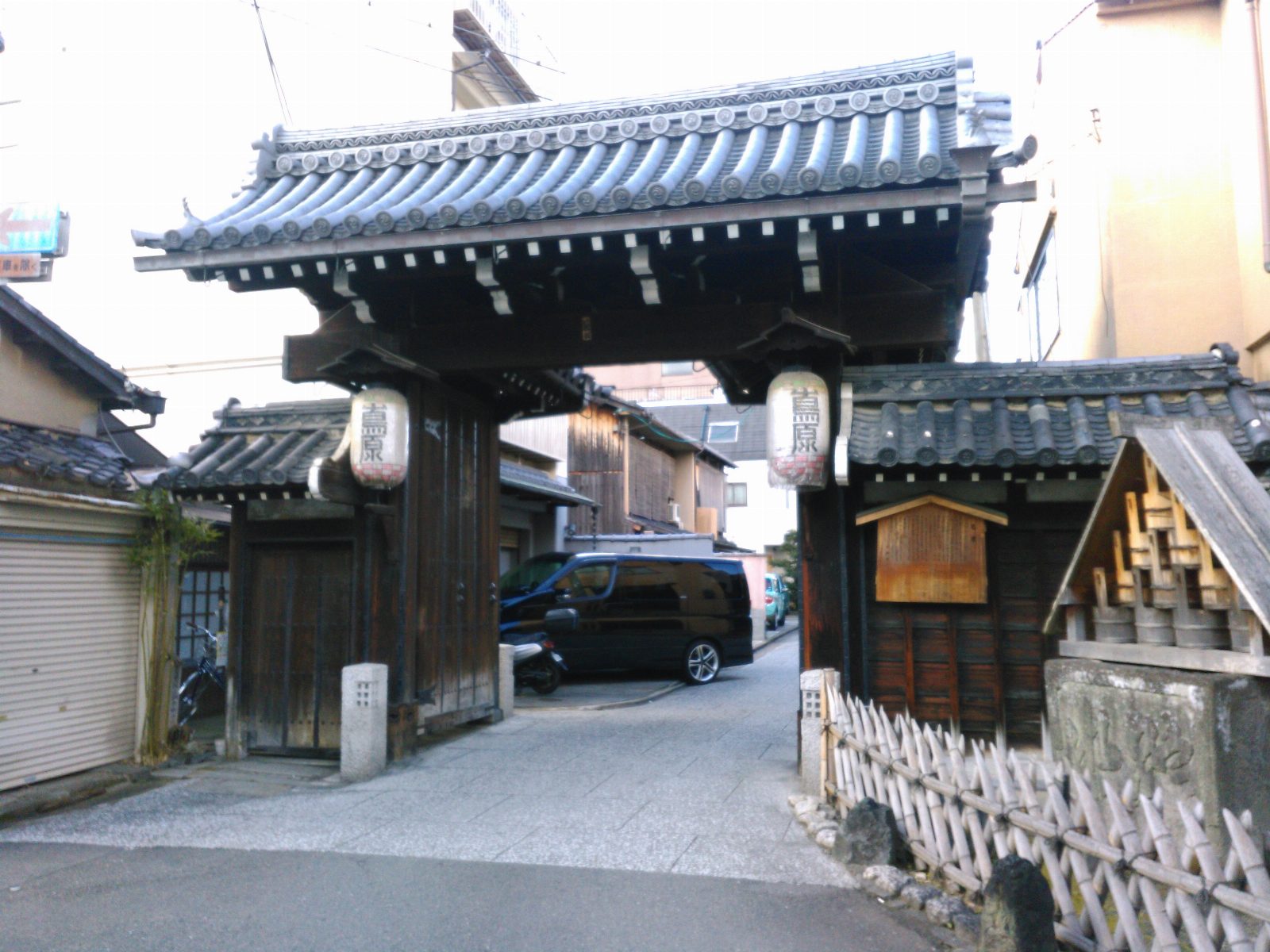
Image source: Wikimedia Commons; license credits as shown.
Overview
Shimabara Omon is the symbolic entrance gate of the former Shimabara geisha district located in the Shimogyo Ward of Kyoto City. It was once the main gate of one of Japan's representative pleasure quarters. Today, the surrounding area has become a typical residential neighborhood, with only the gate and a corner willow tree remaining, making it a historical landmark where visitors can experience the atmosphere from the Edo period to the Bakumatsu period and take photographs.
Getting There
The easiest way to reach Shimabara Omon is to take the JR San'in Main Line (Sagano Line) to 'Tambaguchi Station', and then walk about 10 to 12 minutes to the Shimabara area and the gate. Alternatively, you can take a city bus from Kyoto Station to 'Shimabara-guchi' or 'Kyoto Research Park Mae' and walk about 5 to 10 minutes to arrive.
Highlights
Shimabara Omon is the remaining structure of the former main gate of the 'Shimabara Pleasure Quarter' and geisha district, witnessing the rise and fall of Kyoto's representative entertainment district since the Edo period. While the pleasure quarter and geisha culture no longer exist, the gate and some traditional townhouses and small shrines remain, allowing travelers to imagine the bustling scenes of the past in this quiet residential area. Within walking distance, you can also visit Nishi Honganji, the Kyoto Railway Museum, and the Kyoto Aquarium, making it a great stop for exploring the Shimogyo Ward on foot or by bicycle.
What to See
Shimabara Omon: A traditional gate combining wood and stone, it symbolizes the Shimabara area and stands at the corner of a residential street, making it a popular spot for photos and experiencing the atmosphere of the old geisha district. Shimabara area streetscape: The surrounding streets retain some low townhouses and small temples. Although it no longer serves as a pleasure quarter, it still has a tranquil and slightly nostalgic charm, perfect for leisurely strolls. Nearby cultural facilities: Within a 10 to 15-minute walk from Shimabara Omon, you can reach the Kyoto Central Wholesale Market's First Market, the Kyoto Railway Museum, and the Kyoto Aquarium, allowing you to connect historical and cultural sites with family-friendly attractions in a single day itinerary.
Hours & Admission
Shimabara Omon is an outdoor historical structure that can be freely visited at any time without an admission fee. Although it can be accessed at night, it is recommended to visit during the day for photography and leisurely walks, as the surrounding area is a residential neighborhood. If you plan to visit nearby museums or the aquarium, please check the official announcements for their opening hours and ticket prices.
Address
Shimabara area, Shimogyo Ward, Kyoto City, Kyoto Prefecture, Japan (near JR Tambaguchi Station and the Kyoto Central Wholesale Market)
Travel Tips
Shimabara Omon is not very large, so it is recommended to combine it with nearby attractions such as Nishi Honganji, the Kyoto Railway Museum, and the Kyoto Aquarium into a half-day to full-day walking or cycling route to enhance your itinerary. There are no obvious tourist shopping streets nearby, as it is a quiet residential area, so please be mindful of noise levels when taking photos and lingering, respecting the local residents' lives. The best times to visit are during the pleasant spring and autumn seasons; during the hot summer and cold winter, consider visiting around midday and taking breaks indoors at nearby facilities. If departing from Kyoto Station, taking a bus or taxi can save transfer time and make it easier to carry luggage.
Nearby Dining
The area around Shimabara Omon is primarily residential, with dining options scattered. You can head to the Kyoto Central Wholesale Market area or the vicinity of Umekoji Park for food. Not far away, there are restaurants like 'Hearing Umekoji' that offer hamburger steak and beef steak dishes, making it a popular choice for dining after visiting the railway museum or aquarium. If you want to try more local Kyoto cuisine and izakayas, you can take a train or bus back to the Shijo Kawaramachi or Kyoto Station area for dining.
FAQ
Q: Is there an admission fee for Shimabara Omon? A: Visiting Shimabara Omon is completely free, and it is located next to an outdoor road, so you can pass by and take photos at any time. Since it is just a historical gate structure, there are no ticket offices or management facilities on-site, allowing travelers to freely stay and enjoy the view. Q: How much time should I allocate to visit Shimabara Omon? A: Simply taking photos and having a brief walk will take about 10 to 20 minutes, but if you include the surrounding Shimabara district and nearby attractions like Nishi Honganji, the Kyoto Railway Museum, or the Kyoto Aquarium, you can plan for a half-day to full-day itinerary. Q: What is the easiest way to get to Shimabara Omon from Kyoto Station? A: You can take the JR San'in Main Line from Kyoto Station to 'Tambaguchi Station', then walk about 10 to 12 minutes to the Shimabara area; or take a city bus to 'Shimabara-guchi' or 'Kyoto Research Park Mae' and walk about 5 to 10 minutes to arrive. Q: Is it safe around Shimabara Omon at night? A: The area around Shimabara Omon is currently a residential and small business district, with fewer people at night but overall good safety; however, street lighting is limited, so it is not recommended to linger too late alone. Please act according to general urban nighttime safety practices. Q: Can I still see any remnants of the former pleasure quarter or geisha district nearby? A: The Shimabara pleasure quarter itself no longer exists, with only the gate and some townhouses and small facilities remaining to evoke the past atmosphere. To gain a deeper understanding of geisha culture, you can take a trip to Gion or Pontocho, where the geisha culture is still alive today.