Sungnyemun
South Korea · 中區 · Landmarks
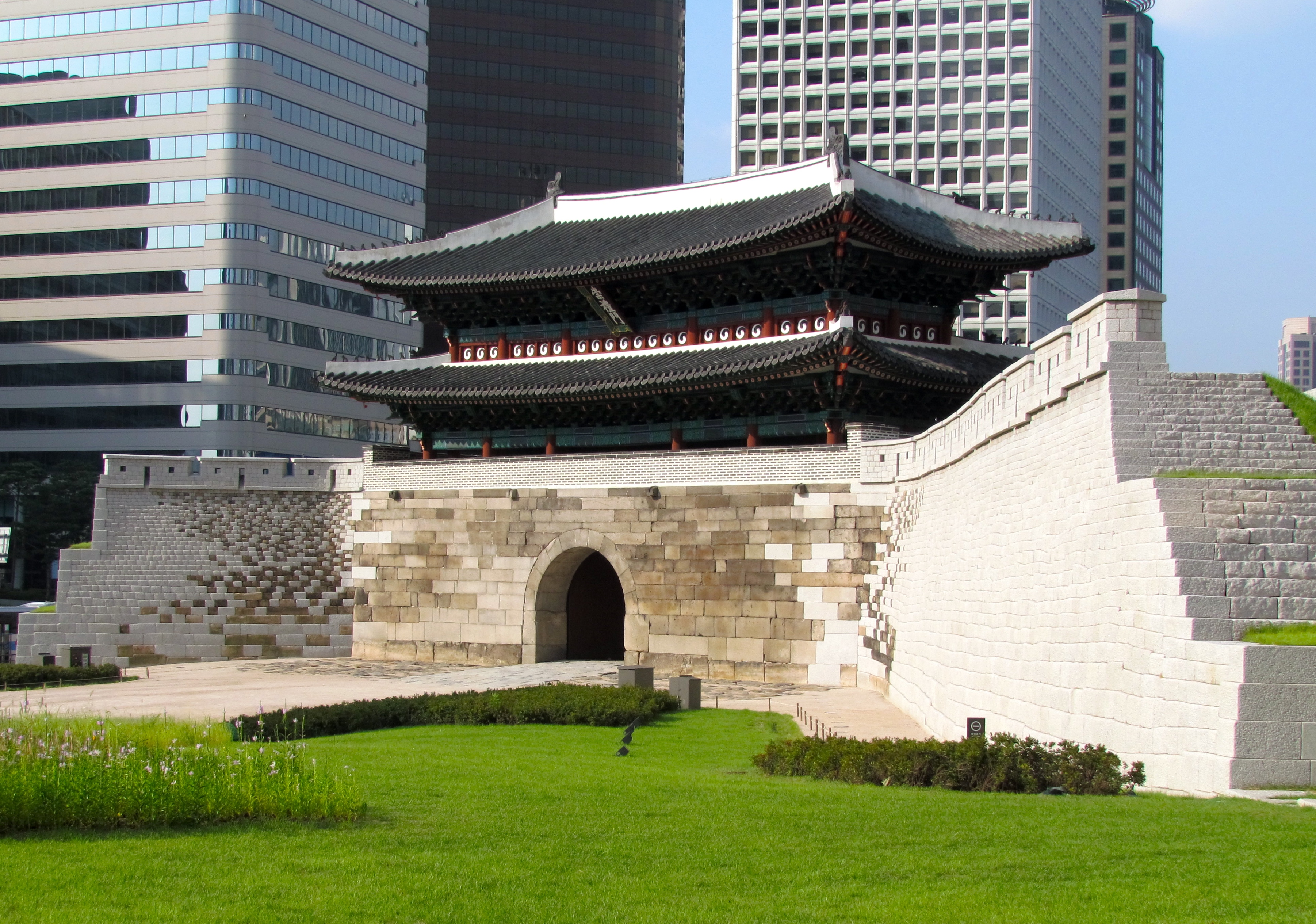
Image source: Wikimedia Commons; license credits as shown.
Overview
Sungnyemun is one of the most representative ancient city gates in downtown Seoul and serves as the main southern gate of the four great gates of the Joseon Dynasty capital, Hanyang, commonly known as 'Namdaemun'. It is designated as National Treasure No. 1 of South Korea. Originally built between 1395 and 1398, it was one of the main gates protecting Hanyang City. Today, it stands in stark contrast to the surrounding skyscrapers. In 2008, Sungnyemun was destroyed by arson, and after more than five years of meticulous restoration, it reopened to the public in 2013, showcasing the solemn appearance of a wooden pavilion city gate from the Joseon era. The gate is located near the bustling Namdaemun Market and Seoul Station, making it a must-visit historical landmark and photo spot in Seoul.
Getting There
The easiest way to reach Sungnyemun is to take the Seoul Metro to Seoul Station or Hoehyeon Station and then walk to the gate. From Exit 4 of Seoul Station on Lines 1, 4, Gyeongui-Jungang Line, or Airport Railroad, it takes about a 5-minute walk, or from Exit 5 of Hoehyeon Station on Line 4, it takes about a 7-minute walk to the square around Sungnyemun.
Highlights
The most distinctive feature of Sungnyemun is its role as the main southern gate of the capital Hanyang during the Joseon Dynasty, being the largest and oldest wooden gate among the four great gates. The gate features a two-story pavilion structure, with a stone archway below and a wooden pavilion above that is five bays wide and two bays deep, topped with a gabled roof adorned with elaborate paintings and multi-tiered brackets, showcasing the exquisite craftsmanship of early Joseon architecture. The name 'Sungnyemun' derives from the Confucian concept of '仁義禮智' (benevolence, righteousness, propriety, and wisdom), symbolizing respect and propriety in governance. The gate's inscription is said to have been written by King Taejong's eldest son, Prince Yangnyeong, adding to its historical and cultural value. As National Treasure No. 1 of South Korea and a symbolic landmark of Seoul, Sungnyemun creates a strong temporal contrast against the modern high-rises and busy traffic around it, making it a popular spot for capturing the essence of Seoul. The gate is especially favored by photography enthusiasts when illuminated at night.
What to See
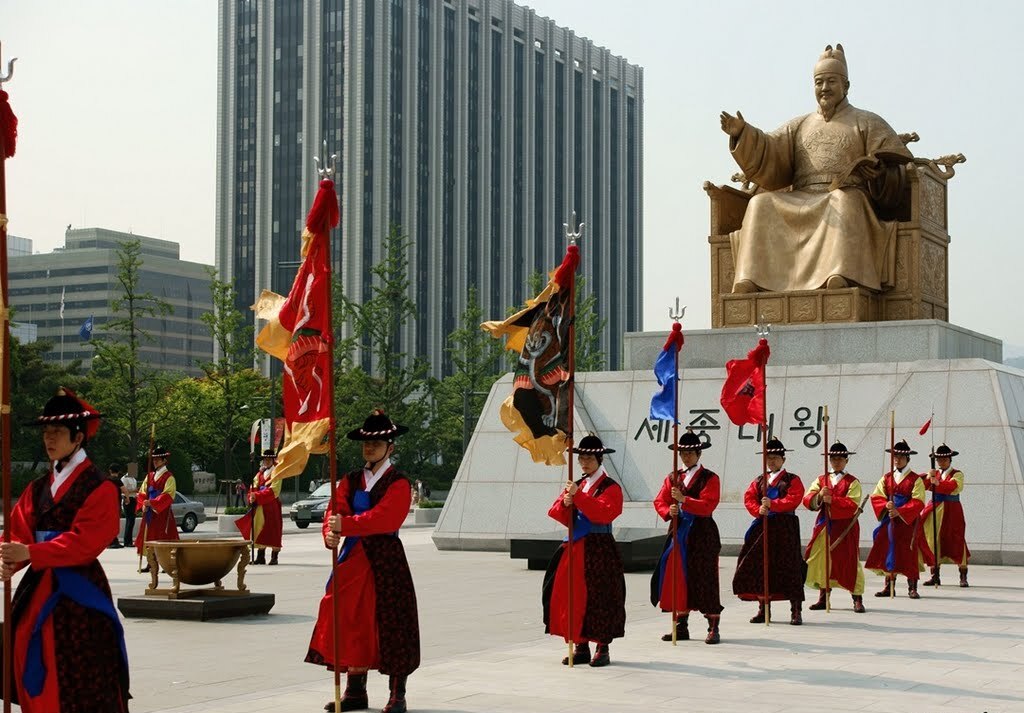
Sungnyemun Pavilion: The reconstructed wooden pavilion has been restored using traditional techniques, featuring a vibrant two-tiered roof and colorful multi-tiered brackets, allowing visitors to appreciate the beauty of traditional Korean architectural details and wooden structures up close. Stone City Platform and Archway: The lower part of the gate is built with thick cut stone, featuring a central archway (Hongni Gate), with the pavilion standing prominently above, reflecting the design philosophy that combines ancient military defense and ceremonial functions. Sungnyemun Square and Green Space: There are pedestrian squares and small green areas in front and behind the gate, providing visitors with space for photos, walks, and views of the gate's full panorama, making it the best spot to appreciate the gate and the surrounding skyline. Night Lighting Landscape: After dark, the gate is illuminated with soft lights, intertwining with the night views of modern buildings, creating a layered urban night scene, which is a reason many visitors choose to visit in the evening or at night. 'Sungnyemun Guard Ceremony' Activity: Since reopening, the square occasionally hosts simulated guard ceremonies from the Joseon era, featuring a ceremonial guard in traditional military attire, becoming a popular photo and viewing program for Japanese and Chinese-speaking tourists.
Hours & Admission
Sungnyemun is currently open for visitors to explore the surrounding area and external regions of the gate without the need for tickets, offering free admission. According to official tourism information from Seoul, the general opening hours are Tuesday to Sunday from 09:00 to 18:00, with Mondays closed. Some nighttime areas behind the green space may close, so it is recommended to plan visits during the day to ensure access to the square. Opening hours may be adjusted due to national events, maintenance, or inclement weather, so it is advisable to check the latest announcements on the official Seoul tourism website before visiting.
Address
(Postal Code) 04528, 40 Sejong-daero, Jung-gu, Seoul, located in the Namdaemun area of downtown Seoul, between Seoul Station and City Hall, near the Myeongdong shopping district.
Travel Tips
The best way to visit Sungnyemun is to combine it with a walking itinerary that includes Namdaemun Market, Seoul Station, and Myeongdong, allowing for a diverse experience of traditional markets, historical gates, and modern shopping districts. The climate is more comfortable in spring and autumn, and clear skies provide the best contrast for photos of the gate against the blue sky and surrounding skyscrapers; in winter, be mindful of staying warm and icy roads, while in summer, the midday sun can be intense, so visiting in the morning or evening is recommended for cooler temperatures. The illuminated Sungnyemun at night creates a great atmosphere; if staying near Seoul Station, City Hall, or Namdaemun, consider taking a walk after dinner for photos; however, some areas behind the green space may close at night, limiting views to surrounding paths and sidewalks. Sungnyemun is located at a busy traffic intersection, so be sure to follow traffic signals and use underground passages when crossing the road, and be cautious of your surroundings when taking photos to avoid lingering too long at the edge of the roadway. If planning to take in-depth photos, it is advisable to bring a wide-angle lens to capture the entire gate and city skyline, and allow time to circle around the gate for different angles, experiencing the changes in the urban backdrop of the same monument from various perspectives.
Nearby Dining
Namdaemun Market, located next to Sungnyemun, is home to numerous affordable Korean snacks and restaurants, including famous eateries serving knife-cut noodles, bibimbap, seafood pancakes, and ginseng chicken soup, making it an excellent place to dine or sample street food after visiting the gate. A 10-minute walk will take you to the areas around Seoul Station and Hoehyeon Station, where large shopping centers and cafes offer a variety of options from Korean and Japanese to Western cuisines and chain coffee brands, making it a suitable rest stop during your itinerary. If you walk about 10-15 minutes towards City Hall and Myeongdong, you can extend your visit to the famous Myeongdong shopping district, which is filled with popular barbecue restaurants, fried chicken pubs, and dessert cafes favored by tourists, making it convenient to arrange a dinner before strolling back to Sungnyemun for night photography.
FAQ
Q: What is the historical background of Sungnyemun? A: Sungnyemun was built between 1395 and 1398 and serves as the main southern gate of the four great gates of the Joseon Dynasty capital Hanyang, also known as Namdaemun due to its location. It was originally connected to the city walls and was responsible for guarding the southern route and military defense of Hanyang. It was expanded during the reign of King Sejong and underwent several repairs, and in 1962 it was designated as National Treasure No. 1 of South Korea, becoming an important cultural heritage symbolizing Seoul and the history of the Joseon Dynasty. Q: What are the opening hours and admission fees for Sungnyemun? A: Sungnyemun is currently open for visitors to freely explore the external areas and surrounding squares without the need for tickets. According to official information from Seoul, the opening hours are Tuesday to Sunday from 09:00 to 18:00, with Mondays closed. Opening hours may be adjusted due to special events, maintenance, or inclement weather, so it is recommended to check the official tourism website for the latest information before visiting. Q: How can I take public transportation to Sungnyemun? A: The easiest way to reach Sungnyemun is to take the subway to Seoul Station or Hoehyeon Station and then walk to the gate. You can take Line 1, Line 4, Gyeongui-Jungang Line, or Airport Railroad to Exit 4 of 'Seoul Station' and walk about 5 minutes, or take Line 4 to Exit 5 of 'Hoehyeon Station' and walk about 7 minutes, with clear signs directing you towards Namdaemun along the way. Q: Is the Sungnyemun we see today the original building or a reconstruction? A: The Sungnyemun that visitors see today is a reconstructed gate that was rebuilt after being destroyed by arson in 2008, following more than five years of restoration work and reopening in 2013. The reconstruction process adhered to traditional techniques and historical blueprints to restore the structure and paintings of the wooden gate from the early Joseon period as closely as possible, while also incorporating modern fire prevention and protection measures in unseen areas to balance historical authenticity with safety preservation. Q: What are the must-see or must-photograph highlights when visiting Sungnyemun? A: When visiting Sungnyemun, the most worthwhile sights to admire and photograph include the colorful brackets of the two-story pavilion, the arched stone doorway, and the overall contrast of the ancient and modern skyline surrounding the gate. If time permits, you can walk around the gate to capture different angles and enjoy the illuminated night view after dusk; if you encounter traditional ceremony activities like the 'Sungnyemun Guard Ceremony', it is also a must-see photo and experience highlight.