Thian Hock Keng Temple
Singapore · 牛車水 · Landmarks

Image source: Wikimedia Commons; license credits as shown.
Overview
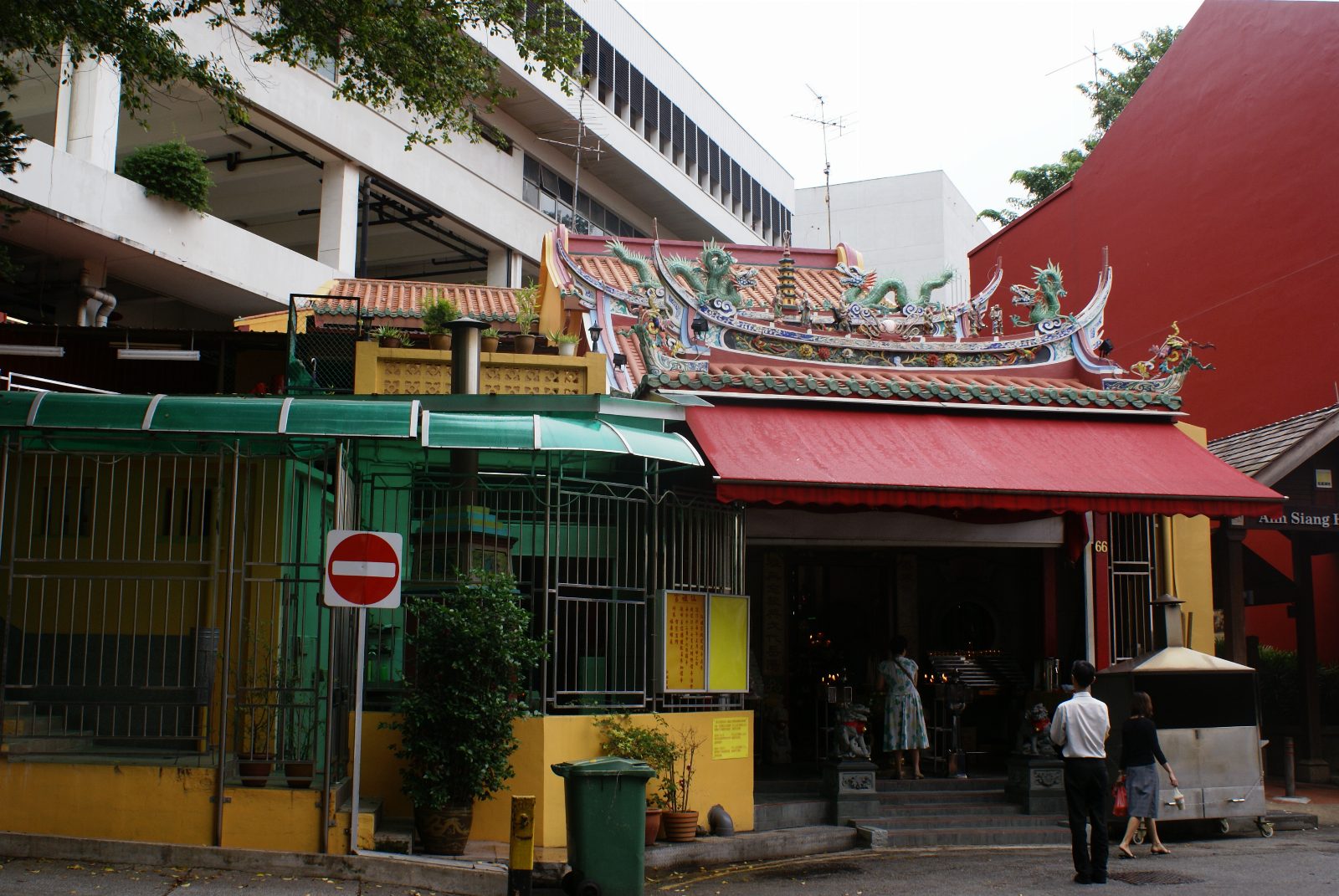
Thian Hock Keng Temple is a national monument located on Telok Ayer Street in Singapore's Chinatown historical district. It is one of the oldest and most important Hokkien temples in the area. The temple was built by early Hokkien immigrants during the Qing Dynasty's Daoguang period and is dedicated to Ma Zu, the goddess of the sea, incorporating elements of both Taoism and Buddhism, reflecting the history of Chinese migration to Singapore. Thian Hock Keng is renowned for its traditional southern Chinese architectural style, exquisite wood carvings, and colorful paintings. After extensive restoration, it received the UNESCO Heritage Conservation Award, making it a representative site for exploring Chinatown's culture and photography.
Getting There
The easiest way to reach Thian Hock Keng Temple is by taking the Downtown Line or East West Line to 'Telok Ayer Station'. From the exit, it is about a 3-minute walk to Telok Ayer Street where the temple is located. You can also walk from Chinatown Station, which takes about 10 to 15 minutes through the historical district.
Highlights
The most distinctive feature of Thian Hock Keng Temple is its status as the oldest Hokkien temple and Ma Zu temple in Singapore. It was originally facing the sea, serving as an important center of faith for early Chinese immigrants to express gratitude for safe voyages and seek blessings. The temple showcases traditional southern Chinese architectural style, with intricately painted roof ridges, beams, and door gods, and is famous for its mortise and tenon wood construction technique that does not use iron nails. The temple is adorned with dragon and phoenix carvings and gold leaf plaques, making it a perfect spot for photography. In addition to Ma Zu, the temple also honors Guan Sheng Di Jun, Confucius, and Guanyin, showcasing the coexistence of Confucianism, Buddhism, and Taoism within the Chinese community. The temple was designated a national monument in 1973 and received multiple architectural heritage awards after extensive restoration from 1998 to 2000, making it an important site for understanding Singapore's multiculturalism and conservation efforts.
What to See
The main hall of Thian Hock Keng Temple is dedicated to 'Ma Zu', the goddess of the sea, and is a bustling space for worshippers and visitors alike. The altar, deity statues, and incense burners are all intricately decorated with fine wood carvings and paintings, making it a must-visit spot for prayers and photos. The entrance to the San Chuan Hall features stairs that visitors must ascend, flanked by vividly painted door gods. The roof decorations of dragons and phoenixes symbolize favorable weather and safe sea voyages. Inside, there is a plaque inscribed by Emperor Guangxu of the Qing Dynasty that reads 'Bo Jing Nan Ming' (the original is kept in the National Museum, and the one displayed is a replica), which serves as a significant historical focal point. The rear and side halls house deities such as Guan Sheng Di Jun, Kwan Yin, and Confucius, presenting a harmonious blend of Taoism, Buddhism, and Confucianism. Visitors can also find many stone tablets, incense burners, and wooden building materials imported from Fujian, with details worth savoring. The temple's courtyard and corridors offer a relatively tranquil space adorned with red lanterns and greenery, making it a great place to experience traditional ambiance and take a brief respite amidst the bustling commercial area.
Hours & Admission
Thian Hock Keng Temple is generally open daily from 7:30 AM to 5:30 PM, making it convenient to visit while exploring the Chinatown and Telok Ayer area on foot. Currently, there is no admission fee, and both adults and children can enter for free to visit and worship. However, it is recommended to respect the tradition of offering incense and donations to support the maintenance of the monument. During the Lunar New Year, Ma Zu's birthday, or significant festivals, the temple may extend its opening hours and hold celebrations and rituals, so visitors are advised to check official announcements for event information.
Address
158 Telok Ayer Street, Singapore 068613
Travel Tips
It is recommended to visit Thian Hock Keng Temple in the morning or evening when it is less hot, allowing you to avoid the midday heat and enjoy a more serene atmosphere, perfect for capturing architectural details and scenes of worship. Dress modestly and comfortably; while there are no strict dress codes, it is advisable to avoid overly revealing clothing to show respect for the religious space and its worshippers. Keep your voice low and quiet when entering the hall, and be mindful not to disturb those who are praying when taking photos. The temple is located in the historical district of Telok Ayer, just a few minutes' walk from various streets in Chinatown, making it easy to connect with other religious sites like the Buddha Tooth Relic Temple and Sri Mariamman Temple, as well as the Chinatown Food Street for a half-day or full-day cultural walking route. During festive periods such as Lunar New Year, Lantern Festival, and Ma Zu's birthday, the area around Thian Hock Keng is often lively with decorations and activities, creating a vibrant atmosphere, but it can also be crowded, so it is advisable to allow extra time and arrive early. Since the temple is situated in a commercial area, there are plenty of convenience stores, cafes, and restrooms nearby, making it suitable for family visits and elderly travelers.
Nearby Dining
Within walking distance of Thian Hock Keng Temple is the Chinatown and Telok Ayer commercial area, where you can easily find local snacks, cafes, and specialty restaurants, making it an excellent spot for combining pilgrimage with culinary exploration. Walking towards Chinatown for about 10 minutes will lead you to Chinatown Food Street and Smith Street, which are filled with classic Singaporean dishes such as Hainanese chicken rice, bak kut teh, char kway teow, laksa, and Nyonya dim sum, perfect for dining before or after your visit. Telok Ayer Street and the surrounding area also feature many stylish cafes and brunch spots offering Singaporean kaya toast, coffee, and Western light meals, allowing travelers to relax and enjoy the blend of old and new city vibes after visiting the temple. If you wish to taste more authentic Chinese cuisine, you can head to the area around Jalan Besar and Chinatown MRT Station to find Cantonese, Shanghainese, and Hong Kong-style tea restaurants, which are livelier in the evening, suitable for a grand dinner to conclude your day's itinerary.
FAQ
Q: Who is the main deity worshipped at Thian Hock Keng Temple? A: The main deity worshipped at Thian Hock Keng Temple is Ma Zu (the goddess of the sea), who serves as the faith center for early Chinese immigrants to express gratitude and seek blessings for safe voyages. The temple also honors other deities such as Guan Sheng Di Jun, Confucius, and Guanyin, showcasing the coexistence of Confucianism, Buddhism, and Taoism. Q: What are the opening hours and admission fees for Thian Hock Keng Temple? A: Thian Hock Keng Temple is generally open from 7:30 AM to 5:30 PM daily, and visitors can come at any time during the day for worship and sightseeing. Currently, there is no admission fee, and both adults and children can enter for free, but donations to support the maintenance of the monument are welcomed. Q: What is the most convenient public transport option to reach Thian Hock Keng Temple? A: The most convenient way to reach Thian Hock Keng Temple is to take the MRT to 'Telok Ayer Station', and it is about a 3-minute walk from the exit to the temple on Telok Ayer Street. You can also walk from Chinatown Station, which takes about 10 to 15 minutes, enjoying the scenery of the Chinatown historical district along the way. Q: Are there any dress or etiquette requirements for visiting Thian Hock Keng Temple? A: While there are no strict dress codes for visiting Thian Hock Keng Temple, it is recommended to dress modestly and appropriately, avoiding overly revealing clothing to show respect for the religious space and its worshippers. Keep your voice down and avoid loud conversations when inside the hall, and be mindful not to disturb worshippers when taking photos, especially in areas where photography is prohibited. Q: What other attractions nearby are worth visiting? A: Nearby Thian Hock Keng Temple are several famous religious and cultural sites such as the Buddha Tooth Relic Temple, Sri Mariamman Temple, and the Chinatown historical district, which can easily be linked into a walking route. Additionally, Chinatown Food Street, Pagoda Street, and Temple Street are also concentrated with many unique snacks and souvenir shops, making it suitable for a half-day to full-day in-depth tour.