
Umekoji Park
Japan · 下京區 · Parks & Gardens
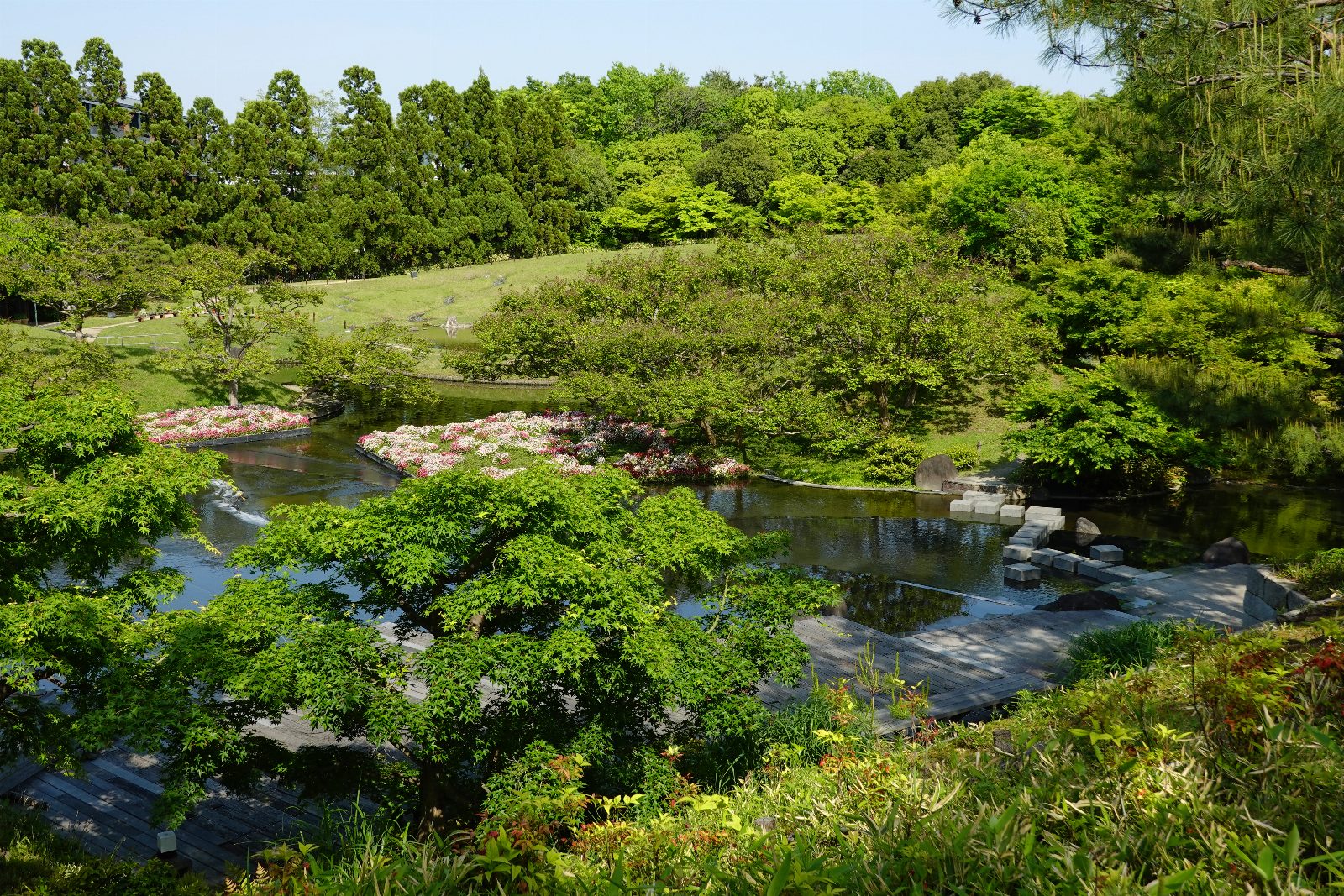
Image source: Wikimedia Commons; license credits as shown.
Overview
Umekoji Park is a large urban park located in the center of Shimogyo Ward, Kyoto City, covering approximately 13.7 hectares. It features a blend of expansive lawns, Japanese gardens, and ecological ponds. The park was originally the site of the former JR Umekoji freight yard and was redeveloped to commemorate the 1200th anniversary of the founding of Heian-kyo. It has now become a representative green space for family recreation, walking, picnicking, and enjoying seasonal flowers. The park includes a lawn square, a streetcar square, the Suzaku Garden, and the 'Forest of Life' ecological area, and is adjacent to the Kyoto Railway Museum and the Kyoto Aquarium, making it a popular spot for combining leisure and sightseeing when visiting Kyoto.
Getting There
The most convenient way to reach Umekoji Park is to take the JR Sagano Line (San'in Main Line) and get off at 'Umekoji Kyoto Nishi Station', which is about a 1-minute walk to the park's east entrance. If departing from JR 'Kyoto Station', you can walk west along Shio Koji Street from the Central Exit for about 15 minutes; alternatively, you can take a city bus to 'Umekoji Park Mae', 'Shichijo Omiya・Kyoto Aquarium Mae', or 'Umekoji Park・Kyoto Railway Museum Mae' and walk a few minutes to reach the park's various entrances.
Highlights
The highlight of Umekoji Park is its 'Lawn Square', which serves as a central area providing a spacious lawn for visitors to picnic, run, and hold events, making it a rare large green space in the city center. The park features the preserved and operational 'Kyoto City Tram (Chinchin Densha)' on weekends and holidays, allowing visitors to experience nostalgic streetcar culture up close. The Japanese garden 'Suzaku Garden' and the restored ecological pond 'Forest of Life' showcase the combination of traditional Kyoto landscaping techniques and urban ecological restoration, making it suitable for quietly enjoying the pond scenery and observing flora and fauna. The surrounding area is home to the Kyoto Railway Museum, Kyoto Aquarium, and VIVA SQUARE KYOTO, along with regular handmade markets and events, making it a popular area for family outings and couples.
What to See
Lawn Square: A large grassy area located in the center of the park, where visitors can freely engage in activities, picnic, and hold events, surrounded by benches. In spring, it is perfect for laying out picnic mats to enjoy the flowers, while in summer, it is suitable for family play. Suzaku Garden: A Japanese garden built to commemorate the 1200th anniversary of the founding of Heian-kyo, featuring a pond-style garden that showcases the beauty of water surfaces, stepping stones, and plantings, demonstrating traditional Kyoto landscaping techniques. (Entrance fee required) Forest of Life: Kyoto's first restored ecological pond (biotope), recreating natural habitats with diverse water bodies and terrains, promoting the natural restoration of flora and fauna with minimal human intervention. Streetcar Square and Chinchin Densha: The park preserves Kyoto city tram vehicles and operates a short route between the streetcar square and 'Suzaku Yume Plaza' on Saturdays, Sundays, and national holidays, popular among railway enthusiasts and families. Suzaku Yume Plaza: Often used as a venue for events and markets, including handmade markets and other irregular activities, it is a lively area to explore when visiting the park. Green House: A multifunctional facility within the park featuring a garden-view restaurant and rentable Japanese-style rooms, tea rooms, and activity spaces, designed to integrate with the Japanese garden pathways. (Some spaces require a fee) VIVA SQUARE KYOTO Area: An open plaza located on the west side of the park, in front of JR Umekoji Kyoto Nishi Station, featuring commercial facilities including Starbucks, and hosting seasonal events and experience facilities. Adjacent Facilities: The park is located next to the largest Kyoto Railway Museum and the Kyoto Aquarium, which features artificial seawater, making it easy to plan a same-day itinerary for visits.
Hours & Admission
Umekoji Park is an open urban park, and most areas are free to enter at all times, except for some paid facilities. The Japanese garden 'Suzaku Garden' and 'Forest of Life' typically open from 9:00 AM to 5:00 PM, with the last entry at 4:30 PM. The Green House, Japanese garden, and Forest of Life may be closed on specific days (such as Mondays and during the New Year holidays), so it is recommended to check the latest official announcements in advance. There is no entrance fee for the park itself, but tickets must be purchased separately for facilities like the Japanese garden, and prices may vary based on age and package options. It is advisable to confirm the latest fee information on the Kyoto City Urban Greening Association's official website before your visit.
Address
1 Kanekiji-cho, Shimogyo Ward, Kyoto City, Kyoto Prefecture 600-8835, Japan (former site of Umekoji freight yard)
Travel Tips
The best seasons to visit Umekoji Park include spring for flower viewing, early summer to summer for playing in the creek and water areas, and autumn for enjoying maple leaves and garden scenery, with different appearances in each season. The park is spacious, so it is recommended to wear comfortable shoes and prepare a sun hat, light jacket, or picnic mat according to the season for resting in the Lawn Square. Handmade markets and family activities are often held on weekends and holidays, attracting larger crowds, so if you prefer a leisurely stroll or taking photos, it is advisable to visit on weekdays or in the morning. The park and surrounding area have vending machines, restrooms, and some dining options, while VIVA SQUARE KYOTO on the west side and the nearby Kyoto Aquarium and Kyoto Railway Museum also have dining and shopping facilities, making it suitable for planning half-day to full-day itineraries. For those driving, the park offers priority parking for transportation-disadvantaged individuals, but it is generally recommended for travelers to use trains and city buses to reduce time spent in traffic and searching for parking.
Nearby Dining
The 'Green House' within Umekoji Park features a garden-view restaurant where you can enjoy meals or afternoon tea while overlooking the Japanese garden, providing a relatively quiet and elegant atmosphere, perfect for relaxation. The VIVA SQUARE KYOTO plaza on the west side of the park has well-known chain coffee shops (such as Starbucks) and other light meal options, making it a convenient spot for dining and resting when traveling to and from JR Umekoji Kyoto Nishi Station. The nearby Kyoto Aquarium and Kyoto Railway Museum also have restaurants and cafes offering Japanese and Western dishes, desserts, and child-friendly meals, making it easy to arrange dining during family day trips. The areas around Shichijo Omiya and Kyoto Station, within walking distance, also have many local eateries, ramen shops, and cafes, making it ideal for finding food before or after a stroll.
FAQ
Q: Is there an admission fee for Umekoji Park? A: Most areas of Umekoji Park are free to enter, and generally, no ticket is required for walking in the park or using the Lawn Square. However, the Japanese garden 'Suzaku Garden' and the ecological area 'Forest of Life', as well as some facilities in the Green House, are paid facilities that require separate tickets or usage fees, so it is recommended to check the latest ticket prices on the official website in advance. Q: How do I get to Umekoji Park from Kyoto Station? A: To get to Umekoji Park from JR Kyoto Station, you can choose to walk or take a city bus. Walking takes about 15 minutes, heading west along Shio Koji Street to reach the park area. If taking a city bus, you can get off at 'Umekoji Park Mae', 'Shichijo Omiya・Kyoto Aquarium Mae', or 'Umekoji Park・Kyoto Railway Museum Mae', and walk a few minutes to reach the various entrances. Q: Are there facilities suitable for children at Umekoji Park? A: Umekoji Park is very suitable for families with children, featuring a spacious Lawn Square, play areas, and areas where children can play in the creek and water spaces during summer. The Kyoto City Tram (Chinchin Densha) operating on weekends and national holidays, along with the nearby Kyoto Railway Museum and Kyoto Aquarium, are also very popular with children, making it an ideal location for family day trips. Q: What are the opening hours of Umekoji Park? A: As a city-operated urban park, Umekoji Park is generally open all day, with most areas accessible freely except for paid facilities that are managed with fences. The Japanese garden 'Suzaku Garden' and 'Forest of Life' usually open from 9:00 AM to 5:00 PM, with the last entry at 4:30 PM, and are closed on specific days (such as Mondays and during the New Year holidays). It is advisable to check the official announcements in advance to avoid disappointment. Q: Is the park wheelchair and stroller friendly? A: Most paths in Umekoji Park are flat and spacious, and official information indicates that they are wheelchair accessible, with a limited number of wheelchairs available for borrowing, making it relatively friendly for wheelchair users and strollers. The park has accessible restrooms and priority parking for transportation-disadvantaged individuals, but caution is still needed when navigating stone steps or gravel paths in the Japanese garden, so it is recommended to allow flexible time and adjust routes based on the situation on-site. Q: What other attractions are nearby Umekoji Park that can be visited together? A: Next to Umekoji Park is the largest Kyoto Railway Museum and the Kyoto Aquarium, which features completely artificial seawater, making it very suitable for planning a same-day itinerary. If walking or taking a bus back to the Kyoto Station area from the park, you can also combine visits to Kyoto Tower, Higashi Honganji, and the shopping streets around Karasuma, enriching your city center walking itinerary.


