Wakamiya Hachimangu Shrine
Japan · 横浜市南区 · Temples & Shrines
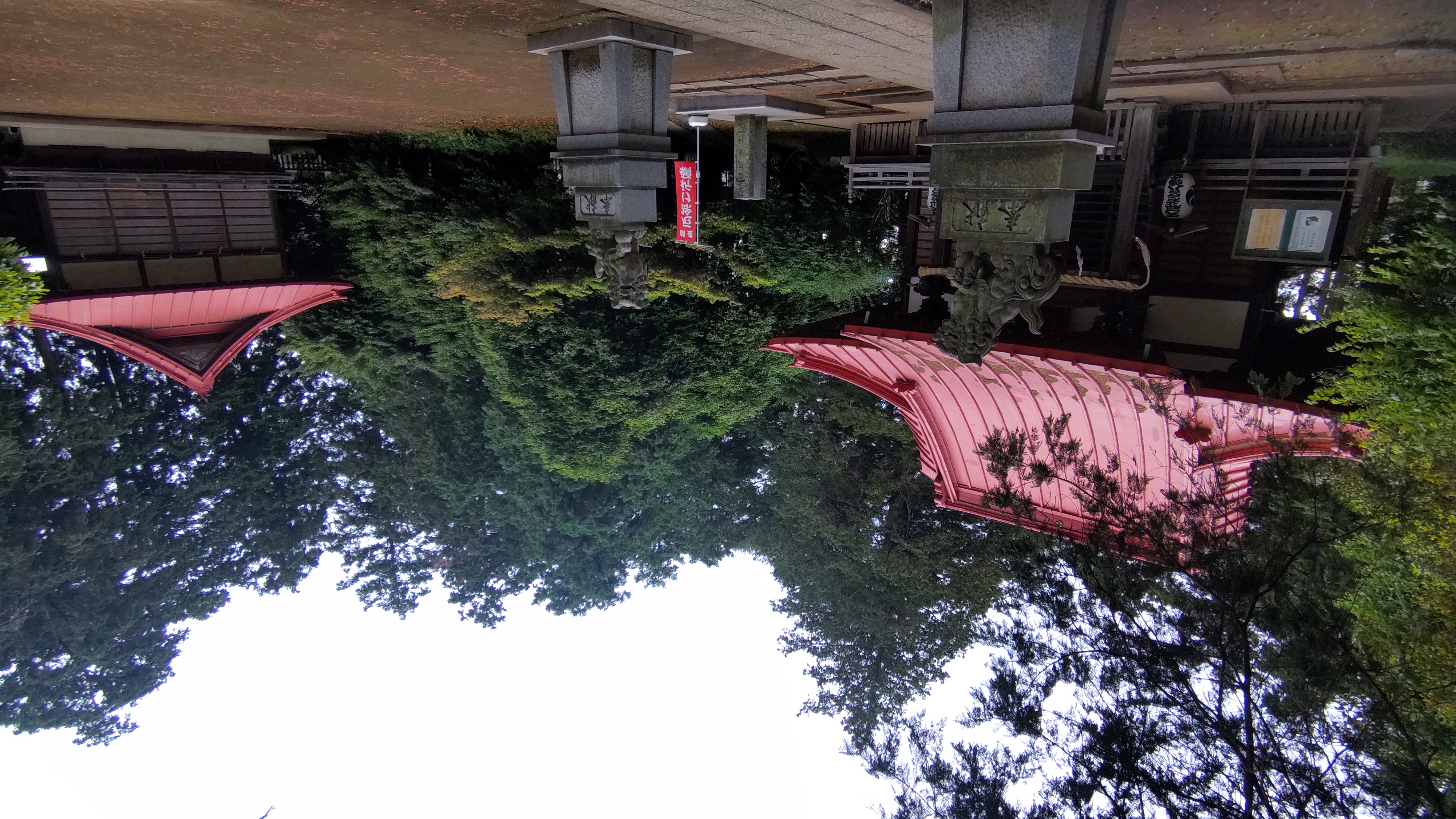
Image source: Openverse; license credits as shown.
Overview
Wakamiya Hachimangu Shrine is a local guardian shrine situated on the Ooka hills in Minami Ward, Yokohama, Kanagawa Prefecture, and is known for its history said to begin with Minamoto no Yoritomo and its links to the Kamakura period. The shrine enshrines Hachiman Okami and several other Japanese deities, and has long served as the general tutelary shrine for the Shimooka area and the surrounding eighteen towns, making it a center of worship for peace throughout the land and abundant harvests. The current shrine buildings were rebuilt in 1964 as a Hachiman-zukuri structure with copper-plated roofing; their vermilion color and hilltop setting create a solemn yet refreshing atmosphere for worship. In addition to ordinary visits, events such as the May Festival, the summer annual festival, and the New Year’s Eve festival are good opportunities to experience local festival culture.
Getting There
The most convenient way to reach Wakamiya Hachimangu Shrine is to take the Yokohama Municipal Subway Blue Line to Gumyoji Station or Makita Station, then walk about 6–8 minutes to the shrine entrance. After exiting either station, follow the gentle slope through the residential area toward Ooka and proceed to Ooka 1-chome according to the signs; you will see the torii gate and stone steps on the hill.
Highlights
The greatest appeal of Wakamiya Hachimangu Shrine lies in its deep Kamakura-period origins and its historical role as the local tutelary shrine of Yokohama’s Minami Ward. According to tradition, the shrine was founded in 1193 by Minamoto no Yoritomo as a separate sanctuary of Wakamiya Hachimangu within Tsurugaoka Hachimangu, while also protecting Kuraki District (now the Yokohama area) in the direction of Kamakura’s demon gate. The main deities enshrined on the grounds include Osazagi no Mikoto (Emperor Nintoku), Hontawake no Mikoto (Emperor Ojin), Takeminakata no Mikoto, Amaterasu Omikami, and several others, covering blessings such as martial success, good fortune, safe travel, family peace, and bountiful harvests. The Hachiman-style shrine buildings rebuilt in 1964 are known for their vermilion and vividly colored decoration; the main hall is reinforced concrete, while the worship hall and offering hall are wooden, making it a rare combination among similar shrine structures. Located on the Ooka hilltop and surrounded by a quiet residential district, the shrine offers a peaceful place for prayer and strolling in the city.
What to See
The main sights of Wakamiya Hachimangu Shrine are spread across its narrow grounds on the Ooka hills, unfolding step by step from the stone staircase. ・Torii gate and approach stone steps: The shrine entrance has a traditional torii gate, and the stone stairway leading up from the residential street gives visitors the ritual feeling of ascending the hill to worship. ・Shrine buildings (worship hall and main hall): The current buildings were rebuilt in 1964 in a Hachiman-style structure with copper roofing. Their vermilion exterior and vivid decoration look modern from a distance, yet still preserve the details of a traditional wooden shrine up close. The worship hall and offering hall are wooden, while the main hall is reinforced concrete, creating a rare layout that combines classical style with modern engineering. ・Subsidiary shrines and stone monuments: The grounds also contain small shrines such as Asama Shrine, Tenmangu Shrine, Kumano Shrine, and Fushimi Inari Daimyojin, reflecting the historical background of multiple local shrines being merged here during the Meiji period. On the left side, there are stone monuments related to the Fuji-ko faith as well as various memorial stones, showing traces of folk belief and local community life. ・Courtyard and hilltop view: The forecourt before the shrine buildings is not large, but it offers an open view over part of the Ooka residential area. Festivals and New Year’s Eve events are often held here, making it a good place for locals to gather and take photos.
Hours & Admission
Wakamiya Hachimangu Shrine is generally open for free worship, and no admission fee is charged. Goshuin are usually available during the day until before sunset, roughly until around 5:00 p.m., though the exact time may vary depending on the schedule or whether shrine priests are present, so it is best to visit earlier in the day. Based on available information, the shrine does not publicly announce a fixed regular closing day, but the grounds become lively during festivals, and some areas may have traffic restrictions. The main annual events include the May Festival on May 7, the annual festival held on the fourth Saturday and Sunday of August, and the New Year’s Eve festival on December 31; crowds increase significantly during these periods.
Address
1-5-1 Ooka, Minami Ward, Yokohama City, Kanagawa 232-0061, Japan
Travel Tips
A visit to Wakamiya Hachimangu Shrine works well as part of a walking route around Yokohama’s Minami Ward and the Gumyoji area, and can be combined with Gumyoji Kannon-dori Shopping Street and Gumyoji Kannon Temple to enjoy a downtown neighborhood atmosphere. The weather from spring to early summer is mild, making it pleasant to walk along the Ooka River and up the hills; the summer annual festival is lively but hot and crowded, so sunscreen and water are recommended. There is no public restroom inside the shrine grounds, so visitors should use facilities at the station or nearby shops beforehand. Because the shrine is on higher ground and requires climbing stone steps, travelers with mobility concerns should take care, and on rainy days the steps can be slippery, so non-slip shoes are recommended. During festivals, Hatsumode, and the New Year’s Eve festival, queues to enter the shrine and adjusted walking routes are common, so please avoid photographing directly into the worship path and keep quiet while taking pictures.
Nearby Dining
The area around Wakamiya Hachimangu Shrine is mainly residential, so dining options depend on the commercial areas near the closest stations, especially around Gumyoji Station. Gumyoji Kannon-dori Shopping Street, about a 10-minute walk from the shrine, has many traditional set-meal restaurants, ramen shops, and cafes, making it a convenient place for a meal or short break before or after worship. Around Makita Station, there are also bento shops, chain cafes, family restaurants, and izakaya, allowing flexible meal planning depending on your itinerary and return route. During festival periods, especially the summer annual festival and the New Year’s Eve festival, food stalls may appear around the grounds and approach path, offering takoyaki, yakitori, yakisoba, and other casual street foods for a taste of traditional Japanese festival fare.
FAQ
Q:Which deity is mainly enshrined at Wakamiya Hachimangu Shrine? A:Wakamiya Hachimangu Shrine mainly enshrines multiple deities including Osazagi no Mikoto and Hontawake no Mikoto, and is worshipped locally as a Hachiman shrine and tutelary guardian. It also enshrines Takeminakata no Mikoto, Michishirube no Mikoto, Sarutahiko no Mikoto, Ichikishimahime no Mikoto, Kotosakanoo no Mikoto, Izanami no Mikoto, and Amaterasu Omikami, covering blessings such as martial success, traffic safety, good fortune, academic achievement, family peace, and abundant harvests. Q:When was Wakamiya Hachimangu Shrine founded, and what is its historical background? A:Wakamiya Hachimangu Shrine is said to have been founded in 1193 by Minamoto no Yoritomo as a separate sanctuary of Wakamiya Hachimangu within Tsurugaoka Hachimangu, and it served as a guardian shrine for Kuraki District in the direction of Kamakura’s demon gate, in what is now Yokohama. It was designated a village shrine in 1873, and in 1908 it merged several nearby shrines, including Kashima Shrine, Ise Shrine, Shinmei Shrine, Kumano Shrine, Sarutahiko Shrine, Dousojin Shrine, and Benten Shrine, becoming the tutelary shrine for the surrounding eighteen towns. The present Hachiman-style shrine buildings were rebuilt in 1964. Q:How do I get to Wakamiya Hachimangu Shrine by public transportation? A:To reach Wakamiya Hachimangu Shrine, take the Yokohama Municipal Subway Blue Line to Gumyoji Station or Makita Station, then walk about 6–8 minutes to the shrine on the hill in Ooka 1-chome. From Gumyoji Station, head roughly toward Ooka, continue through the residential streets, and walk up the slope or stairs to see the torii gate; from Makita Station, you can also walk there in the same way. Q:Is there an admission fee or worship fee at Wakamiya Hachimangu Shrine? A:Wakamiya Hachimangu Shrine is generally free to visit, and no admission or worship fee is charged. If you wish to make an offering for omamori, ema, or goshuin, simply pay the indicated offering amount for each item. Q:Can I receive a goshuin at Wakamiya Hachimangu Shrine, and when are they available? A:Wakamiya Hachimangu Shrine offers goshuin, usually available at the shrine office during the day until before sunset, around 5:00 p.m. Because the official daily schedule is not clearly published, it is advisable to arrive before the afternoon and allow extra time in case the shrine staff are away or service is temporarily suspended for festival preparations. Q:What are the major festivals and events at Wakamiya Hachimangu Shrine? A:The main annual events at Wakamiya Hachimangu Shrine are the May Festival held on May 7, the annual festival on the fourth Saturday and Sunday of August, and the New Year’s Eve festival on December 31. During the annual festival, there are portable shrine processions, ritual ceremonies, and food stalls, while the New Year’s Eve festival features a large drum ceremony to welcome the new year and attracts many local worshippers. Q:Is there parking near Wakamiya Hachimangu Shrine? A:Publicly available information focuses mainly on train access and does not clearly indicate a large dedicated parking lot, so public transportation and walking are recommended. If you are driving, look for nearby coin-operated parking lots and then walk uphill to the shrine; during peak seasons and festival periods, the residential roads are narrow, so using the train is preferable to avoid traffic and parking difficulties. Q:Are there any special etiquette rules to follow when visiting Wakamiya Hachimangu Shrine? A:Visitors should follow standard Japanese shrine etiquette, such as purifying your hands at the temizuya and performing the basic worship sequence of two bows, two claps, and one bow in front of the worship hall. When taking photos, avoid standing close to worshippers who are praying, and during festivals follow staff instructions and do not obstruct the movement of the mikoshi or festival procession so that you can enjoy the visit respectfully.