Xinxiang Confucian Temple
China · Hongqi District · Landmarks
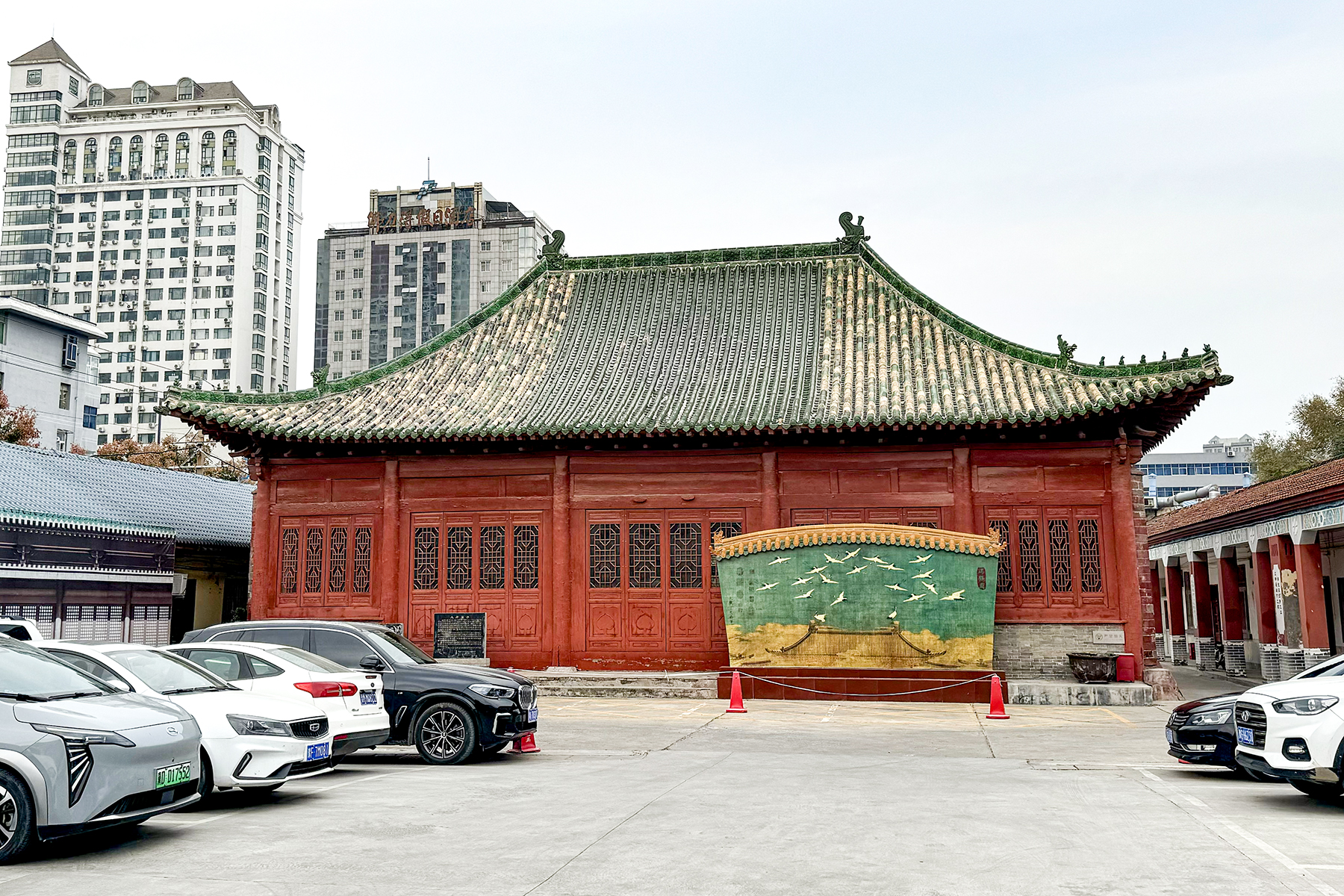
Image source: Wikimedia Commons; license credits as shown.
Overview
The Xinxiang Confucian Temple is a historical architectural complex located on the north side of West Dajie in the old town of Hongqi District, Xinxiang City, Henan Province. It is one of the best-preserved and oldest ancient Confucian temples in the area. The exact date of its establishment is unknown, but it has undergone multiple renovations since the Song Dynasty. The existing structures mainly reflect the styles of the Ming and Qing Dynasties and are classified as a cultural heritage protection unit in Henan Province. The "Stele of Great Observations" within the temple is a nationally significant cultural relic, valued for its educational history and calligraphic artistry, making it a must-see for tourists and calligraphy enthusiasts. The temple is currently situated in the old town area near the People's Government of Hongqi District, allowing visitors to experience the traditional features of the old town streets during their visit.
Getting There
To reach the Xinxiang Confucian Temple, you can take a high-speed or regular train to Xinxiang Station or Xinxiang East Station, then transfer to a local bus or taxi to the area around West Dajie in Hongqi District. Get off near the "Hongqi District Government" or "West Dajie" and walk about 5-10 minutes to arrive. Since the temple is located within the old town's streets, it is convenient to explore the surrounding alleys and historical buildings on foot, so walking is recommended after arrival.
Highlights
The main feature of the Xinxiang Confucian Temple lies in its well-preserved traditional layout and the continued Confucian worship and educational cultural traditions since the Song Dynasty. The temple houses the "Stele of Great Observations," which was personally inscribed by Emperor Huizong of the Song Dynasty in the slender gold script. The inscription records the educational objectives and student conduct standards established by the Northern Song Dynasty, embodying both historical educational systems and calligraphic artistry, and is classified as a nationally significant cultural relic. The overall architectural complex primarily reflects the styles of the Ming and Qing Dynasties, featuring elements such as the Lingxing Gate, Pan Pond, archways, east and west wings, the Great Hall, and the Minglun Hall, fully demonstrating the traditional "integration of government and education" in the county's Confucian temple layout. As an important cultural landmark in the old town of Hongqi District, the temple also serves as a vital window to understand the historical development of Xinxiang City and the Confucian culture of the Central Plains.
What to See
Great Hall: The Great Hall is the core building of the Xinxiang Confucian Temple, used for worshiping Confucius and various sages throughout history. It serves as the ceremonial and visual center of the entire courtyard, retaining the official architectural features of the Ming and Qing Dynasties, with a roof and decorations that exhibit a strong traditional style. Minglun Hall: Originally a place for lectures and educational ceremonies, Minglun Hall is an important teaching space in traditional county schools. Today, visitors can experience the atmosphere of ancient academies here. Stele of Great Observations: Located within the temple, the Stele of Great Observations is a highlight for visitors. The inscription is written in the slender gold script by Emperor Huizong of the Song Dynasty, detailing the school system and student regulations of the Northern Song Dynasty. It is an important artifact for studying the imperial examination education system and Song Dynasty calligraphy, classified as a nationally significant cultural relic. Ancient Steles and Stone Carvings: In addition to the Stele of Great Observations, the courtyard also contains multiple inscriptions, merit steles, and commemorative steles from various dynasties, serving as important historical materials for understanding local education, the imperial examination system, and the history of the temple's renovations. Courtyard Layout and Ancient Trees: Passing through the mountain gate, archways, and courtyard, visitors can sequentially see the front courtyard, middle courtyard, and back courtyard along the central axis. The ancient trees in the courtyard provide shade, combined with the old town's street environment, creating a tranquil and solemn historical atmosphere, ideal for leisurely walking and visiting.
Hours & Admission
The Xinxiang Confucian Temple is a cultural heritage protection unit, and specific opening hours and ticket prices may vary according to local cultural tourism and heritage management policies. It is recommended to confirm the latest information with the cultural tourism department of Hongqi District, Xinxiang City before visiting. Generally, Confucian temples in small and medium-sized cities are often open for free or at low ticket prices. During holidays, if there are large events or cultural exhibitions, there may be temporary restrictions or special opening hours. If there are ongoing restoration projects or infrastructure construction (such as the Xinxiang Confucian Temple Visitor Center), some areas may be temporarily closed or have adjusted visiting routes.
Address
North side of West Dajie, Hongqi District, Xinxiang City, Henan Province (near the People's Government of Hongqi District)
Travel Tips
When visiting the Xinxiang Confucian Temple, it is recommended to include it in a walking route through the old town area of Xinxiang, allowing for visits to nearby old streets, traditional residences, and markets, providing a complete experience of the city's historical context. The weather in spring and autumn is relatively comfortable, suitable for leisurely walking and photography in the courtyard and old streets. During summer, the midday sun can be strong, so it is advisable to avoid the noon hours and bring sun protection and water. The temple is a serious historical and cultural site, so it is recommended to keep noise levels down, avoid running and making loud noises, and respect local residents and the traditional worship atmosphere. If there are Confucian ceremonies or related cultural activities, some areas may have temporary restrictions; arriving early allows for observation and photography, but one must follow the guidance of on-site management personnel. The area around the temple has a tight parking situation due to the old town road network, so it is recommended to take public transportation or taxis, or park in nearby parking lots and walk in.
Nearby Dining
The Xinxiang Confucian Temple is located in the old town area of Hongqi District, where numerous local snacks and home-style restaurants are distributed in the surrounding alleys, perfect for tasting local specialties such as spicy soup, braised noodles, and baked cakes. Visitors can explore popular roadside eateries and breakfast shops along West Dajie and surrounding streets before or after their visit to experience local daily dining culture. If you prefer a more comfortable dining environment, you can head to newer commercial districts or restaurants in large shopping malls in Hongqi District before returning to the old town for sightseeing. Due to the fast turnover of shops, it is advisable to choose restaurants based on local recommendations or real-time map reviews upon arrival to find the latest popular spots.
FAQ
Q: Where is the Xinxiang Confucian Temple? A: The Xinxiang Confucian Temple is located on the north side of West Dajie in Hongqi District, Xinxiang City, Henan Province, near the People's Government of Hongqi District, and is an important historical and cultural landmark in the old town area. From the city center, most buses and taxis can easily reach the area around the Hongqi District Government, and it is just a short walk to the entrance of the temple's alley. Q: What are the main highlights of the Xinxiang Confucian Temple? A: The main highlights of the Xinxiang Confucian Temple include the Great Hall, Minglun Hall, the complete traditional layout of the Confucian temple courtyard, and the precious inscriptions such as the Stele of Great Observations written in slender gold script by Emperor Huizong of the Song Dynasty. The Stele of Great Observations is a nationally significant cultural relic, recording the school system and student conduct standards of the Northern Song Dynasty, embodying both educational history and calligraphic artistry, making it well worth careful appreciation. Q: Is there an admission fee to visit the Xinxiang Confucian Temple? A: The Xinxiang Confucian Temple is a cultural heritage protection unit, and its specific ticket policy may be adjusted according to local cultural tourism and heritage management requirements. At certain times, it may be free or only charge a symbolic ticket fee. It is recommended to check the latest ticket and opening hours information through official information platforms, tourism consultation hotlines, or local tourism service centers in Xinxiang City or Hongqi District before departure to avoid any impact on your itinerary. Q: What are the opening hours of the Xinxiang Confucian Temple? A: The specific opening hours of the Xinxiang Confucian Temple are subject to announcements from local heritage and venue management departments, typically arranged for daytime hours. During holidays or special events, hours may be extended or adjusted. Since the temple is a historical architectural complex, nighttime lighting and security needs are high, and night visits are not recommended. When planning your itinerary, it is advisable to reserve several hours during the day for a leisurely visit. Q: How do I get to the Xinxiang Confucian Temple from Xinxiang Railway Station? A: From Xinxiang Railway Station, you can take a bus towards Hongqi District or the city government direction at the square in front of the station to the Hongqi District Government or nearby West Dajie stop, then walk about 5-10 minutes to reach the Xinxiang Confucian Temple. If you have a lot of luggage or are traveling with companions, you can also take a taxi or ride-hailing service directly, just mention "Hongqi District Government" or "West Dajie Confucian Temple," as most drivers are familiar with this historical site location. Q: Is the Xinxiang Confucian Temple suitable for visiting with children? A: The Xinxiang Confucian Temple is suitable for visiting with children, as parents can introduce Confucius and the ancient school system, allowing children to experience traditional educational culture in a real environment. The courtyard mainly consists of flat courtyards and steps, making walking relatively safe, but care should be taken not to run or play on the ancient building platforms and to avoid touching or climbing on steles and cultural relics to protect the historical architecture.