
東區 · Nature & Scenery
Curated travel attractions — browse by region or category.
Category
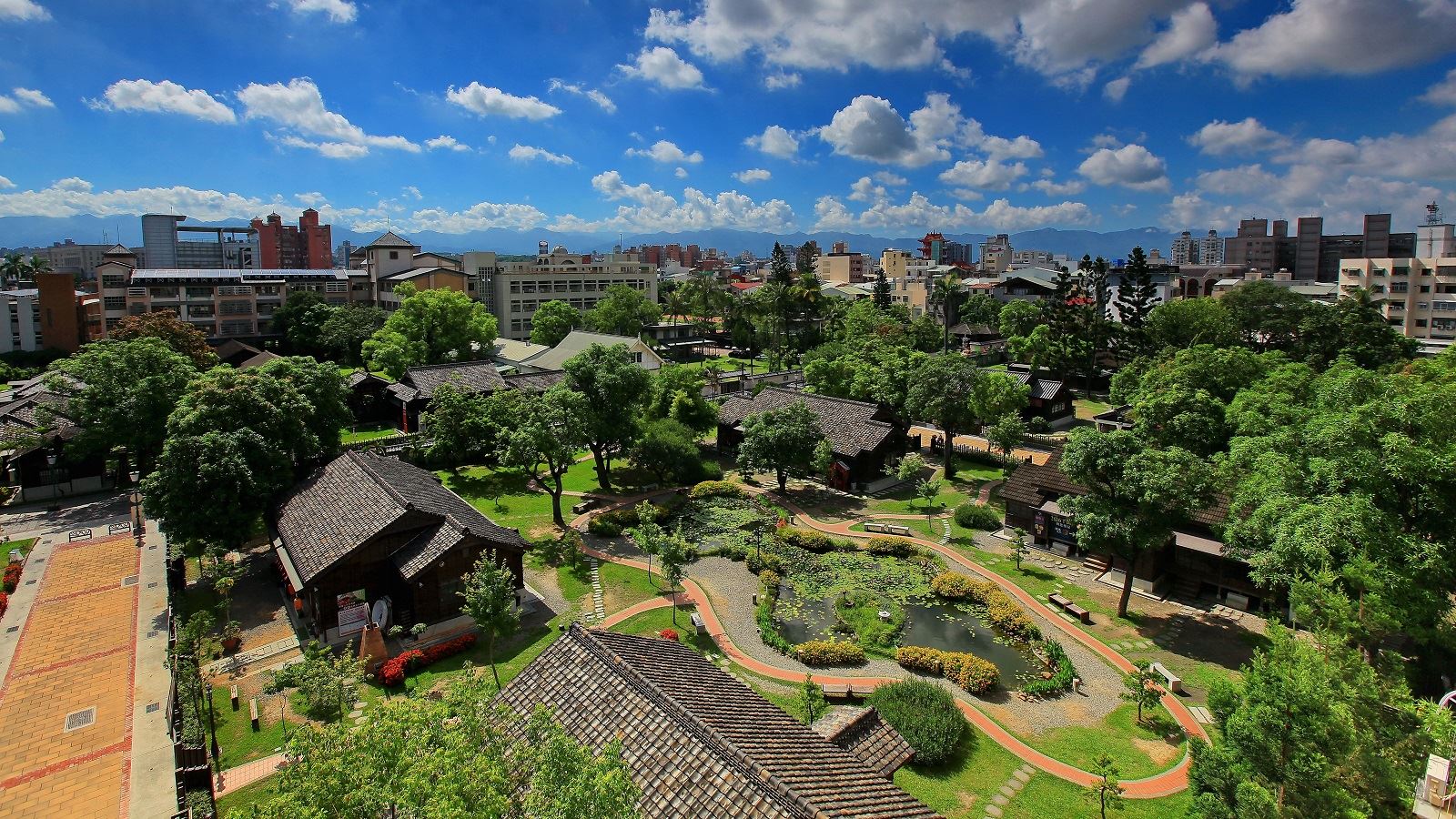
Alishan Forestry Village and Hinoki Village
東區 · Nature & Scenery
Alishan forestry development began in 1899. During the Japanese colonial period, the Alishan Forest Railway was built to transport cypress timber from the Alishan forest area, with its starting point at Chiayi’s Beimen. Timber trade and distribution brought unprecedented prosperity to Chiayi, which was then regarded as one of Taiwan’s four major cities. In May 1906, the Japanese private company Fujita Group established the Chiayi Construction Office, marking the beginning of the Alishan Forest Railway project; however, the work ended in February 1908 because the project was extremely difficult and costs had soared. In 1910, the Taiwan Governor-General’s Office took over, and construction continued until the main line of the Alishan Forest Railway, stretching 71.9 kilometers, was completed in 1914. The forestry administration complex gradually expanded and included the forestry office building, forestry club, sawmill, and Southeast Asia’s first thermal power building. Logs cut from the mountains were transported by the Alishan Forest Railway to Chiayi’s “Sugi Pond,” then the largest timber storage pond in Southeast Asia at the time. Because of this forestry boom, Chiayi was known as the “timber city,” and today’s Linsen Road was once the “timber street,” while the surrounding forestry administration district was called “Hinoki Town.” The forestry administration also had a well-developed production and daily-life system, and the forestry village had already taken shape. In 1964, Alishan’s forestry and timber industry came to an end, and Chiayi’s sawmilling industry gradually declined. These nearly century-old forestry assets bear witness to the rise and fall of Chiayi’s forestry development. Over time, they have acquired a rich historical character and become valuable forestry cultural heritage, but they were also in danger of deterioration and needed revitalization and renewal to restore their former glory. The forestry club, the National Official Dormitories of the Forestry Bureau along Gonghe Road and Beimen Street in Chiayi City, and the former Chiayi Sawmill (Bamboo Craft Processing Factory) all testify to the history of Alishan forestry exploitation and were registered as historic buildings in Chiayi City in 1998 and 2005, respectively.
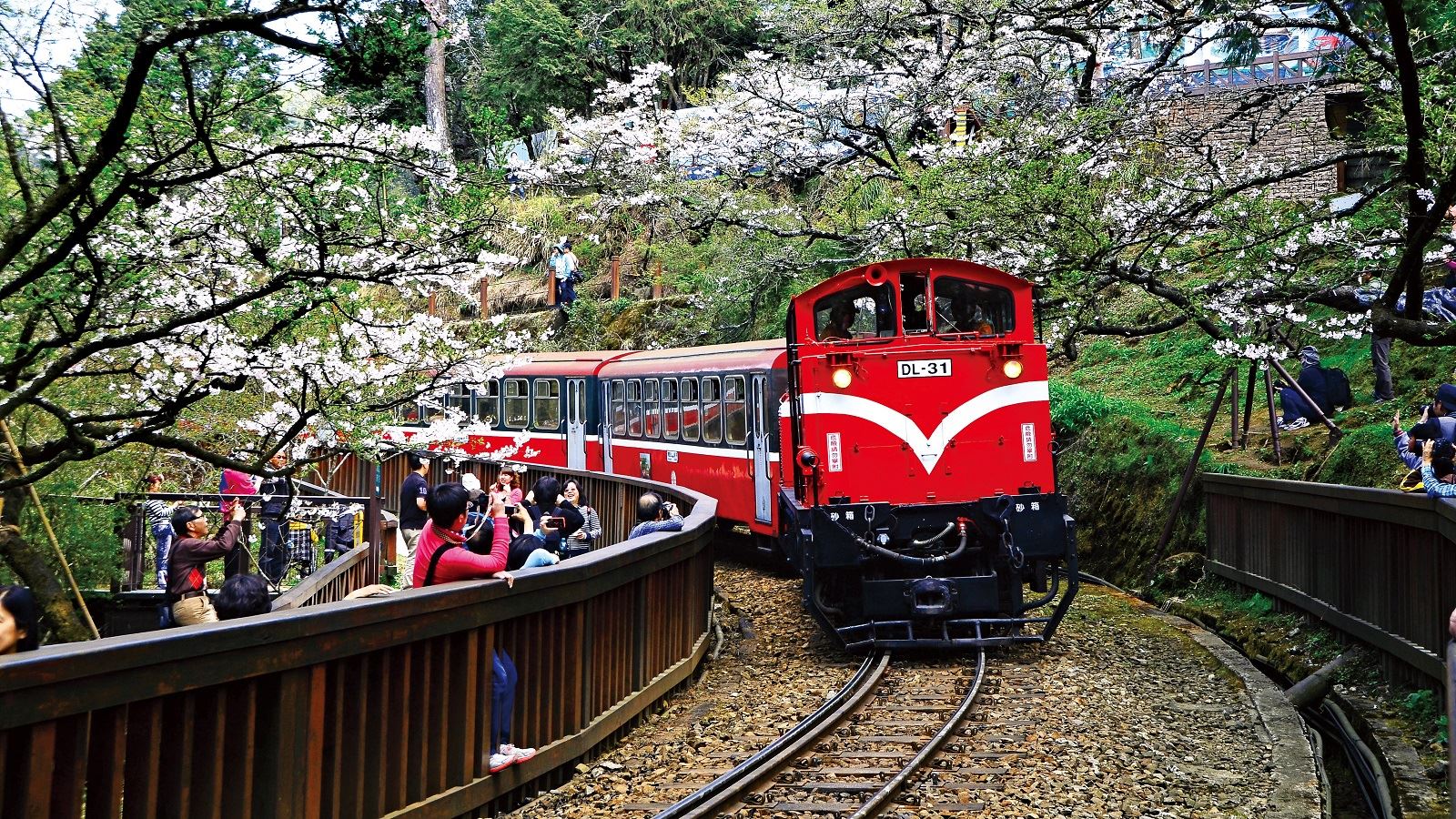
Alishan Forest Railway
東區 · Nature & Scenery
The Alishan Forest Railway is a mountain industrial railway built during the Japanese colonial period to transport timber resources. The line is divided into the main line and branch lines, passing through tropical, warm-temperate, and temperate forest zones along the way. From Chiayi Station at an elevation of 30 meters, it climbs to Alishan Station at 2,216 meters. Travelers can also take the Zhushan Line early in the morning to Zhushan Station, Taiwan’s highest-altitude station at 2,451 meters, to watch the famous Alishan sunrise. To overcome the rugged terrain, the railway incorporates four of the five major mountain-railway engineering methods, including spiral routes, zigzag switchbacks, an Ω-type turn, and specially designed mountain steam locomotives. Combining the features of a mountain railway, forest railway, and alpine railway, it has demonstrated world-class mountain-railway engineering and is one of Taiwan’s potential World Heritage sites.