Aowanda National Forest Recreation Area
Taiwan · Nantou County · Ren’ai Township · Nature & Scenery
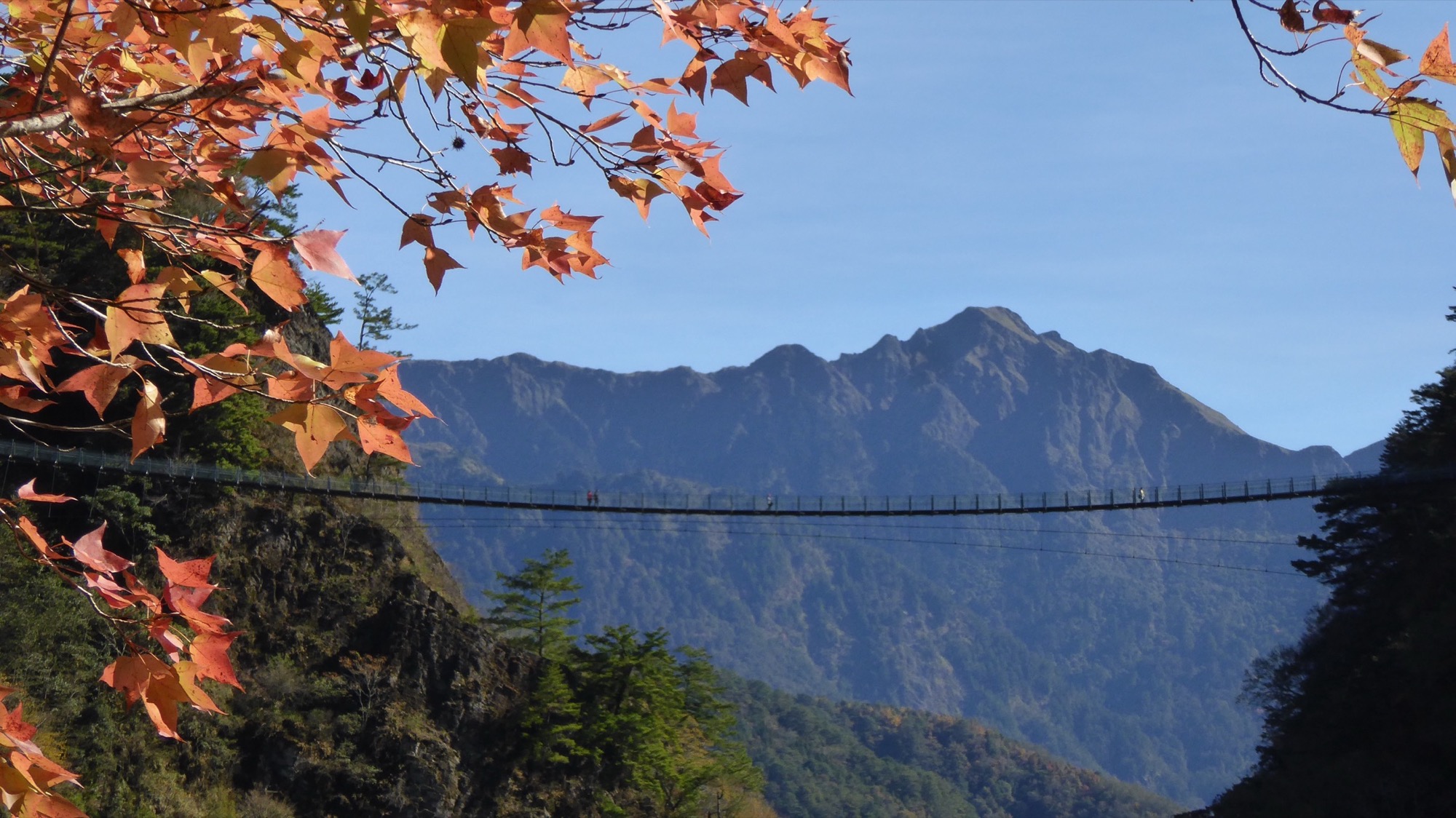
Image source: Taiwan_Opendata; license credits as shown.
Overview
With golden maple foliage across the mountains, a dramatic suspension bridge, and wildlife all around, Aowanda National Forest Recreation Area is a forest destination full of charm. Aowanda lies behind Wanta Reservoir at an elevation of about 1,100 to 2,600 meters. It was once home to Atayal and Seediq communities, and hydropower development began during the Japanese era before it became a national forest recreation area in 1994. In the Atayal language, “Ao” means to go deep into or enter, so Aowanda means “going deep into Wanda.” Aowanda is best known domestically for its maple scenery, but throughout the year the park stages a rich and romantic natural landscape as the seasons change. Its fame for autumn foliage may overshadow its year-round beauty, yet Aowanda’s seasonal rhythm is part of its natural appeal. Winter maples, spring cherry blossoms, summer waterfalls, and autumn moonlight quietly transform this comfortable valley into a colorful retreat. If you are willing to set aside worldly concerns and give yourself a cleansing holiday for body and mind, Aowanda offers scenic beauty in every season. Along the maple-viewing trails, large stands of native sweetgum forest, along with dawn redwoods and green maples around the visitor center, turn the park into a brilliant tapestry of color every autumn, making it the busiest season of the year. Spring cherry blossoms are just as captivating. The spectacular Aowanda Suspension Bridge connects to the beautiful pine forest area, spans 180 meters, rises 90 meters high, and offers views of the confluence of the north and south branches of the Wanta River. It is one of the must-visit attractions in Aowanda.
Getting There
[Driving] Route 1: National Freeway 3 Wufeng System Interchange (214K) → National Freeway 6 Puli Terminus → turn left toward Wushe → turn right onto Nantou County Road 83 → Aowanda National Forest Recreation Area. [Driving] Route 2: From northern Taiwan heading south → National Freeway 1 → Changhua System Interchange (193K) → National Freeway 3 → Wufeng System Interchange (214K) → National Freeway 6 Puli Terminus → turn left onto Provincial Highway 14 → Wushe → turn right onto Nantou County Road 83 → Aowanda. [Driving] Route 3: From southern Taiwan heading north → National Freeway 1 → use east-west expressways (such as Taiwan 78, 82, or 84) → National Freeway 3 → Wufeng System Interchange (214K) → National Freeway 6 Puli Terminus → turn left toward Wushe → turn right onto County Road 83 → Aowanda National Forest Recreation Area. [Driving] Route 4: From Hualien → Provincial Highway 8 → Dayuling → Provincial Highway 14A → Wushe → Aowanda National Forest Recreation Area. [Public transportation] Nantou Bus Aowanda maple-viewing shuttle (currently suspended): During the maple-viewing season, from Saturday to Sunday between October and the end of March of the following year, departures are from Nantou Bus Gancheng Station by reservation only (station and timetable information: http://www.ntbus.com.tw/bs-tour.html). Reservation hotline: 049-2984031 ext. 23, Ms. Lin. Taichung Gancheng Station: No. 35-8, Section 1, Shuangshi Road, Taichung City. Taichung HSR Station: Exit 5 on the first floor of the HSR station area. [Public transportation] Happy Bus and Happy Taxi service information (please confirm operating status with Nantou Bus): [Flexible route] Puli → Wushe → Cingjing Farm → Hehuanshan → Aowanda → Lushan Hot Spring → Lushan → Songgang → Cuifeng → Wanda → Guoxing → Yuchi. Nantou Bus phone: 049-2984031 Website: http://www.ntbus.com.tw/cj-m.html Online reservation: http://www.ntbus.com.tw/bs-go.html
Highlights
• Located in a high-mountain valley in Ren’ai Township, Nantou County, behind Wanta Reservoir, at an elevation of about 1,100 to 2,600 meters. With warm winters, cool summers, and fresh air, it is ideal for a forest getaway away from the crowds. • Famous nationwide for its autumn maple scenery, the park’s large native sweetgum forest, green maples, and dawn redwoods create a magnificent fall foliage landscape, earning it the title of the “Home of Maple Leaves.” • The scenery changes with the seasons: winter for maples, spring for cherry blossoms, summer for waterfalls, and autumn for the moon. Together with fireflies, birds, butterflies, and abundant wildlife, it is a forest recreation area worth visiting year-round. • The 180-meter-long Aowanda Suspension Bridge spans the valley and connects to the pine forest area, offering views of the confluence of the Wanta River’s north and south branches. It is both a landmark and a popular photo spot. • The area was originally inhabited by Atayal and Seediq communities and combines Indigenous cultural heritage with hydropower development history from the Japanese era. It became a national forest recreation area in 1994.
What to See
• Aowanda Suspension Bridge: About 180 meters long and 90 meters high, it crosses the valley to connect with the pine forest area. It overlooks the confluence of the north and south branches of the Wanta River and is the park’s most popular landmark and a must-photograph spot. • Maple Trail and sweetgum forest: The maple-viewing trail offers views of large native sweetgum stands. In autumn, when the leaves turn red, the layered colors are especially spectacular, making this the park’s classic route for maple viewing, walking, and photography. • Woodland around the visitor center: The area around the visitor center is planted with dawn redwoods, green maples, and other trees. In autumn and winter, the changing leaves create a beautiful scene and also serve as a relaxed starting point for walking, resting, and getting park information. • Pine forest area: Accessible by crossing the Aowanda Suspension Bridge, this area features dense pine groves that create a strong forest atmosphere. It is well suited to strolling along woodland paths, stopping for photos, and experiencing high-elevation conifer scenery. • Cherry blossom area and spring flowers: In spring, cherry blossoms bloom throughout the park, including Wushe cherry varieties. Pink flower displays can be enjoyed along trails and certain park roads, complementing the winter maple scenery. • Waterfall and valley scenery: In summer, water levels are abundant, and trails reveal valleys, waterfalls, and pools. The cool, misty atmosphere in the high-mountain forest offers a refreshing experience. • Ecological viewing spots: The park is a habitat for birds, fireflies, insects, and small mammals. Along some trails and viewing platforms, visitors can go birdwatching, observe butterflies, and see seasonal fireflies.
Hours & Admission
Parking: Large vehicles: NT$100. Small vehicles: NT$100. Motorcycles: NT$20.
Address
No. 153, Da’an Rd., Qin’ai Village, Ren’ai Township, Nantou County 546 Phone: (049)2974511
Travel Tips
• Recommended visit time: If you only walk the main trail and cross the Aowanda Suspension Bridge, half a day is usually enough. If you want to enjoy several trails at a leisurely pace, take photos, and observe wildlife, leave a full day or even plan an overnight stay. • Best time to visit: - Maple viewing: The peak red-leaf season is usually from late autumn to winter, and this is the busiest period for crowds, lodging, and transportation. - Spring flower viewing: From late winter to spring, visitors can enjoy cherry blossoms and fresh greenery in cooler, refreshing weather. - Summer escape: The high elevation keeps temperatures cool, and the waterfalls and valleys make it a good choice for a mountain summer retreat. - Autumn moon viewing and cool-weather hiking: Dry, stable weather makes this a good time for slow travel, evening stargazing, and moon viewing. • Clothing and gear: - Because the elevation is relatively high, temperatures can vary greatly between day and night, so layered clothing and a light jacket or windproof warm layers are recommended. - Many trails include slopes, stairs, and forest dirt-and-rock paths, so wear non-slip hiking shoes or sports shoes that are comfortable for walking. - Mountain sunlight can be strong and the air dry, so bring a sun hat, sunscreen, and enough drinking water. - Rain gear is essential because mountain weather changes quickly, and afternoon showers or fog may occur. • Transportation advice: - The park is in a mountainous area with many curves, so allow plenty of time if driving and pay attention to road safety. - Driving yourself is the most convenient option; check mountain road conditions and parking information in advance. • Itinerary planning advice: - Start at the visitor center and connect the Maple Trail, Aowanda Suspension Bridge, and pine forest area to experience the full forest and valley landscape. - Visitors with better stamina can extend the trip to the waterfall area and forest trails to experience varied terrain and vegetation. - During the peak maple season in autumn and winter, book accommodation and transportation early, and allow extra time for queues and photography. • Safety and environmental protection: - Mountain weather changes quickly. If strong winds, heavy rain, or weather alerts are issued, some trails or facilities may temporarily close. Check announcements before departure. - When taking photos on the suspension bridge or viewing platforms, pay attention to crowds and your own safety. Do not climb railings or block pathways. - Please carry your trash out with you, do not feed wildlife, and help preserve the park’s natural ecology.
FAQ
Q: What is the most famous景觀 of Aowanda National Forest Recreation Area? A: The park’s most iconic scenery is the large maple and green maple forest that creates its famous red foliage, as well as the Aowanda Suspension Bridge spanning the valley and connecting to the pine forest area. Autumn and winter maple colors, spring cherry blossoms, and the changing mountain scenery through the seasons are the most popular photo themes for visitors. Q: What should I pay attention to when visiting Aowanda for maple viewing? A: The maple-viewing season draws large crowds, so plan transportation and accommodation early and allow extra time for the trip up and down the mountain. The park is at high elevation, so mornings and evenings are cool and warm clothing is needed. Many trails are sloped, so wear good walking shoes and follow park routes and safety signs. When taking photos on the suspension bridge and viewing platforms, watch your footing and the flow of people. Q: Is Aowanda worth visiting in seasons other than autumn for maple leaves? A: Yes. Aowanda has different highlights in every season: cherry blossoms and fresh greenery in spring, cool waterfalls and valleys in summer, stable weather for hiking and sightseeing in autumn, and magnificent maple colors and misty mountains in winter. With rich bird, firefly, and insect ecology, it is suitable to visit year-round. Q: How difficult are the trails at Aowanda, and is it suitable for families with children? A: The park offers a variety of trails. Some are gentle main routes and shaded walking paths that are suitable for families and general visitors, while others have steeper slopes or more stairs and are better for those with stronger stamina. For families with children, it is recommended to choose shorter trails with gentler slopes and adjust the itinerary according to the children’s energy levels, with frequent water breaks and rest stops.