Aowanda Nature Education Center
Taiwan · Nantou County · Ren’ai Township · Nature & Scenery
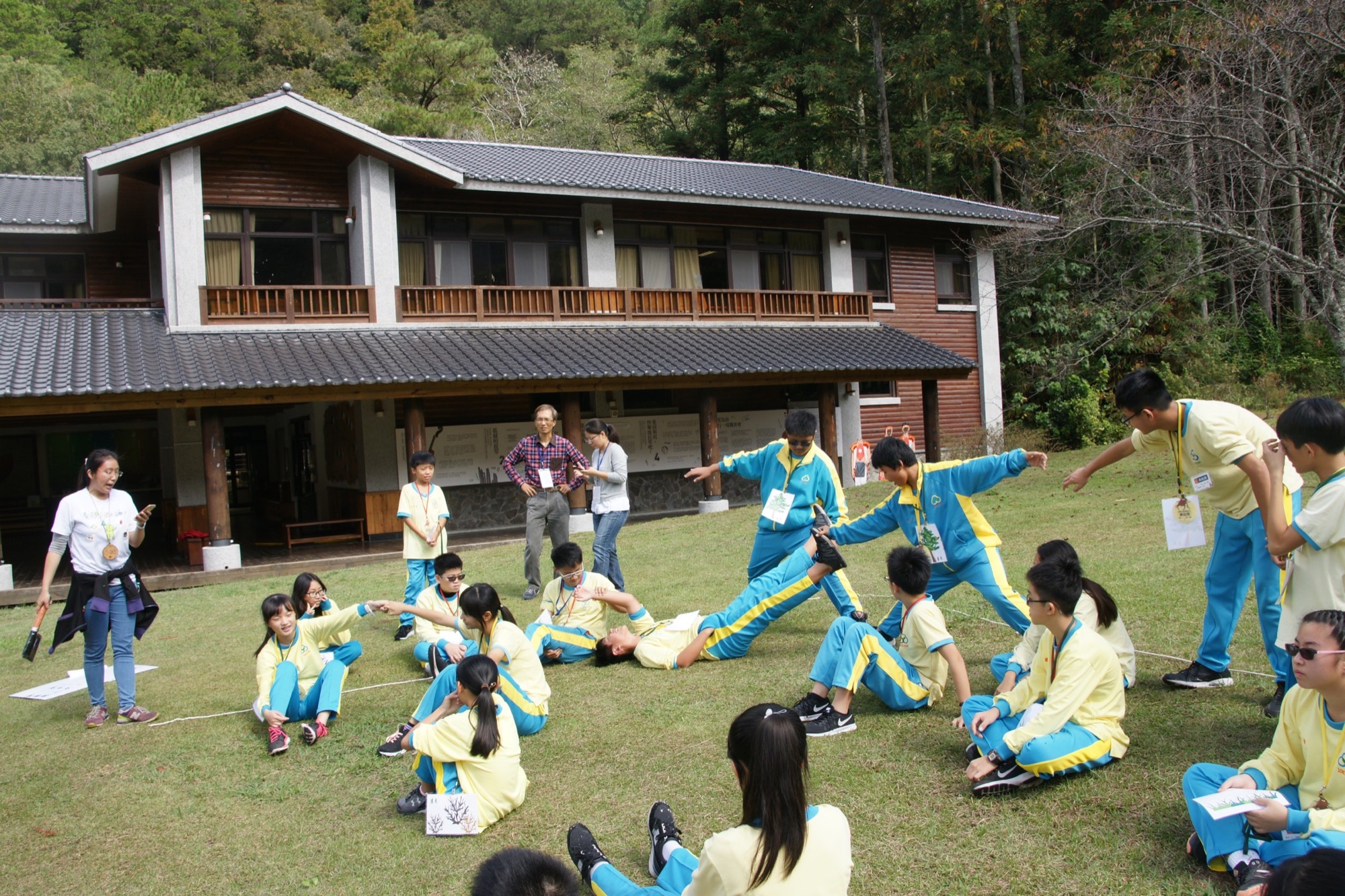
Image source: Taiwan_Opendata; license credits as shown.
Overview
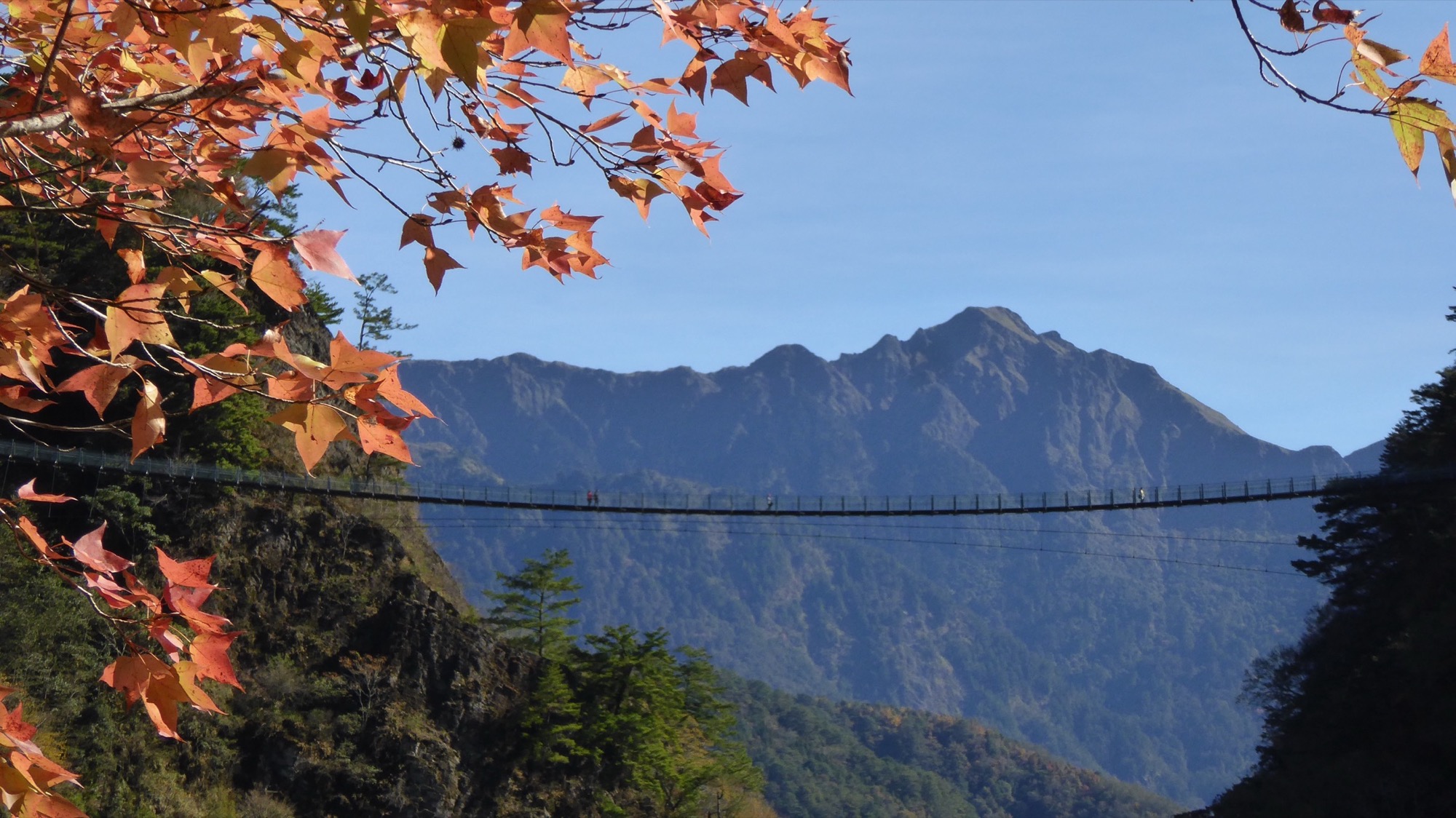
Stroll through the colorful pine and maple forest, take part in immersive activities, feel the rhythm of nature, experience the many values of the forest, and understand the connection between mountains and human civilization. Aowanda Nature Education Center is located within Aowanda National Forest Recreation Area. The entire area is a narrow valley where multiple streams converge, surrounded by mountains on all sides. It is beautiful in every season—spring cherry blossoms, summer waterfalls, autumn moonlight, and winter maples—and provides an excellent habitat for wildlife. The Aowanda Suspension Bridge offers sweeping views of the valley and Nenggao South Peak, making it the park’s best scenic lookout.
Getting There
[Driving] National Freeway No. 3: Wufeng System Interchange → National Freeway No. 6 Puli End → turn left onto Provincial Highway 14 → Lushan → turn right onto Nantou County Route 83 → Aowanda.[Driving] Route 1: Southbound route: National Freeway No. 1 southbound to Changhua System Interchange (193K) → National Freeway No. 3 → Wufeng System Interchange (214K) → National Freeway No. 6 Puli End → turn left onto Provincial Highway 14 → Lushan → turn right onto Nantou County Route 83 → Aowanda.[Driving] Route 2: Northbound route: National Freeway No. 1 northbound via east-west expressways (for example, Routes 78, 82, or 84) → National Freeway No. 3 → Wufeng System Interchange (214K) → National Freeway No. 6 Puli End → turn left onto Provincial Highway 14 → Lushan → turn right onto Nantou County Route 83 → Aowanda.[Public transportation] Nantou Bus Aowanda maple-viewing shuttle: During the peak maple season (October to the end of March of the following year), departures run on Saturdays and Sundays from Nantou Bus Gancheng Station by reservation only (stop and timetable information: http://www.ntbus.com.tw/bs-tour.html). Reservation hotline: 049-2984031 ext. 29, Ms. Lin. Taichung Gancheng Station: No. 35-8, Section 1, Shuangshi Road, Taichung City. THSR Taichung Station: Exit 5 on the first floor of the HSR station area.[Public transportation] Nantou Bus DRTS: Daily fixed nine-seat service by reservation, suitable for nearby destinations such as Cingjing (stop and timetable information: http://www.ntbus.com.tw/bs-tour.html). For information, contact Nantou Bus at 049-2984031 ext. 29. Visitors arriving by train (Taichung Station) or THSR (Taichung Station) can take Nantou Bus to Cingjing, or first take a bus to Puli and then transfer to a Cingjing-bound bus to Wushe, where they can get off and transfer to the DRTS.
Highlights
A nature education site within Aowanda National Forest Recreation Area, it combines mountain-forest experiences with guided interpretation courses and is an excellent base for learning about high-mountain canyon ecology and the many functions of forests. The park is surrounded by mountains, with a clearly defined valley landscape where multiple streams converge, creating rich hydrological and ecological scenery. With distinct seasonal beauty—spring cherry blossoms, summer waterfalls, autumn moonlight, and winter maples—it is especially popular during maple-red and cherry-blossom seasons. Its colorful forest landscape, dominated by pine and maple trees, serves as a natural classroom for getting close to the forest and observing birds and insects. The center itself is a green building designed with an emphasis on environmental ethics, and its themed activities make it suitable for families, student groups, and travelers interested in nature and ecology.
What to See
1. Aowanda Nature Education Center building and exhibition spaces: Centered on environmental education, it offers ecological courses and indoor learning spaces, allowing visitors to understand the area’s natural background and ecological features before entering the forest. 2. Pine and maple landscape zone: The area around the park features diverse pine and maple forests. In autumn and winter the maples turn red, while spring brings fresh green growth and cherry blossoms, creating seasonal color changes that make it a key area for walking and photography. 3. Aowanda Suspension Bridge: A landmark spanning the valley, it offers views of the canyon terrain and stream scenery, as well as distant views of Nenggao South Peak, making it the park’s best viewpoint for sightseeing and photos. 4. Valley and converging stream scenery: Located in a high-mountain canyon landscape, the park is where multiple streams meet. Along the trails, visitors can observe the carved valley landforms and clear water, and appreciate the relationship between the mountains and waterways. 5. Birdwatching platform and ecological pond: Nearby observation points and aquatic environments make this a great place to observe wild birds, amphibians, and aquatic insects, and it is suitable for families and beginners in nature observation. 6. Cherry Blossom Garden lawn and surrounding trails: When cherry blossoms bloom in spring, the scenery is romantic. The lawn and trails are suitable for picnics, rest, and easy hiking, offering a comfortable high-mountain forest climate. 7. High-mountain views and night sky: Surrounded by mountains on all sides, the park offers expansive views of the surrounding peaks in good weather. At night, there may be opportunities for stargazing and listening to the forest’s nocturnal soundscape, subject to center or park programs and regulations.
Address
153, Da’an Rd., Qinaicun, Ren’ai Township, Nantou County 546 Phone: (049)2974499
Travel Tips
1. Best seasons and scenic highlights: Spring is ideal for cherry blossoms and fresh greenery, with cool and pleasant weather. Summer brings abundant streams and waterfalls, making it a good time to escape the heat and enjoy the forest’s fresh, aromatic atmosphere. Autumn is best for maple viewing and bright moonlit nights, making it a peak season for photography. Winter combines red maples with crisp mountain air; visibility is often excellent, but warm clothing is essential. 2. Clothing and gear recommendations: Wear hiking shoes or athletic shoes with good grip, and bring layers that can be added or removed because temperatures vary greatly between day and night at higher elevations. In spring and summer, bring a sun hat, sunscreen, and insect repellent. During the rainy season or afternoon mountain showers, a lightweight raincoat or umbrella is recommended. 3. Transport and location context: The center is located inside Aowanda National Forest Recreation Area in Renai Township, Nantou County, in a mountain road section with winding roads. Allow extra travel time and drive carefully. Self-driving visitors should check parking information provided by the park, while public-transport users often need to transfer to a shuttle or taxi, so it is best to confirm transportation arrangements in advance. 4. Visit planning and activities: It is recommended to combine the nature education center with other trails and attractions in Aowanda National Forest Recreation Area, such as the suspension bridge and viewpoints, and reserve half a day to a full day. If you want to join interpretation courses or camps, check and reserve in advance through the official website; group visits usually require prior application. 5. Safety and conservation reminders: When walking on the suspension bridge or mountain trails, follow all load limits and traffic rules. Do not run or climb on railings. The park is an important habitat for wildlife and plants, so do not feed or capture animals, do not pick plants, and do not leave litter, helping to protect the mountain environment. 6. Family and learning suggestions: The center often offers mountain-forest education activities and camps for children and students, making it suitable for family learning. Parents may wish to read simple ecological information with their children beforehand, and on site, encourage observation and note-taking rather than only taking photos for check-ins. 7. Weather and high-mountain conditions: The park sits at a higher elevation than most cities, and the weather changes quickly. Check the mountain weather forecast before departure. If there is heavy rain, a typhoon, or a closure announced by forestry authorities, adjust your itinerary accordingly. 8. Accessibility and senior travel: Some areas include ramps and stairs. If traveling with older adults or people with limited mobility, prioritize gentle trails and nearby viewpoints when planning, and allow plenty of rest time for a more comfortable visit.
Nearby Dining
The park is in a mountain setting, and Aowanda National Forest Recreation Area and its surroundings usually have simple dining services or a visitor center that can provide basic meals, hot food, and drinking water, but choices are relatively limited. Visitors are advised to stock up in Puli, Wushe, or other towns before entering the mountains, or bring light meals, water, and snacks to enjoy a picnic on the Cherry Blossom Garden lawn or at rest areas. Dining hours and offerings in the mountains may vary by season and by weekdays or holidays, so check official information or call ahead to avoid disappointment.
FAQ
Q:Is Aowanda Nature Education Center suitable for family visits? A:Yes, very much so. The center focuses on environmental education and, together with the surrounding pine and maple forests, stream valleys, birdwatching platform, and ecological pond, is an ideal place for children to experience nature and learn ecological knowledge. It also regularly offers camps and ecological activities, allowing families to learn about the forest together through play and observation. Q:Do I need to make a reservation before visiting Aowanda Nature Education Center? A:General visitors can enter Aowanda National Forest Recreation Area during its open hours. If schools, institutions, or groups want to join environmental education courses or special activities, they usually need to apply and reserve in advance with the relevant unit and follow the official procedures. It is recommended to check the latest information before departure. Q:What gear and safety precautions should I take when visiting Aowanda Nature Education Center? A:It is recommended to wear non-slip shoes that are comfortable for walking, and bring warm clothing, rain gear, sun protection, and insect repellent, along with an appropriate amount of drinking water and light snacks. When walking on the suspension bridge and mountain trails, follow park rules, do not climb or disturb wildlife, and do not enter non-open areas, to ensure your safety and protect the natural environment. Q:What season is the most beautiful at Aowanda Nature Education Center? A:Aowanda is known for its “spring cherry blossoms, summer waterfalls, autumn moonlight, and winter maples,” so every season has its own appeal: spring brings cherry blossoms and fresh greenery, summer offers abundant water and lush scenery, autumn features red maple leaves and enchanting moonlit nights, and winter combines red maples with mountain landscapes. You can choose your visit time based on the scenery you prefer.