Beautiful Tea Museum
South Korea · Museums, Culture & Arts
Image source: Wikimedia Commons; license credits as shown.
Overview
The Beautiful Tea Museum is a complex tea house that combines tea culture exhibitions, tea art experiences, and sales, located within a traditional Korean house in Insa-dong, Jongno District, Seoul. Its mission is to promote tea culture from Korea and around the world, showcasing tea utensils, ceramic works, and tea-related artifacts. The museum's tea house offers over a hundred types of tea from Korea, China, Japan, and Europe, allowing visitors to enjoy tea while appreciating the artistic space. The surrounding area is the famous cultural district of Insa-dong in Seoul, making it ideal for a leisurely walking itinerary that combines art galleries, traditional craft shops, and tea houses.
Getting There
The easiest way to reach the Beautiful Tea Museum is to take the Seoul Metro to 'Jongno 3-ga Station' (Lines 1, 3, 5) and exit at Gate 5, then walk about 4 minutes to the traditional Korean house on Insa-dong Street. Alternatively, you can walk about 6-10 minutes from 'Anguk Station' on Line 3, exit 6, to enter Insa-dong Street, then follow the signs or your mobile map to find the address '19-11 Insa-dong Street'; due to the narrow alleys, it is recommended to mark the location on the map in advance to avoid missing the entrance.
Highlights
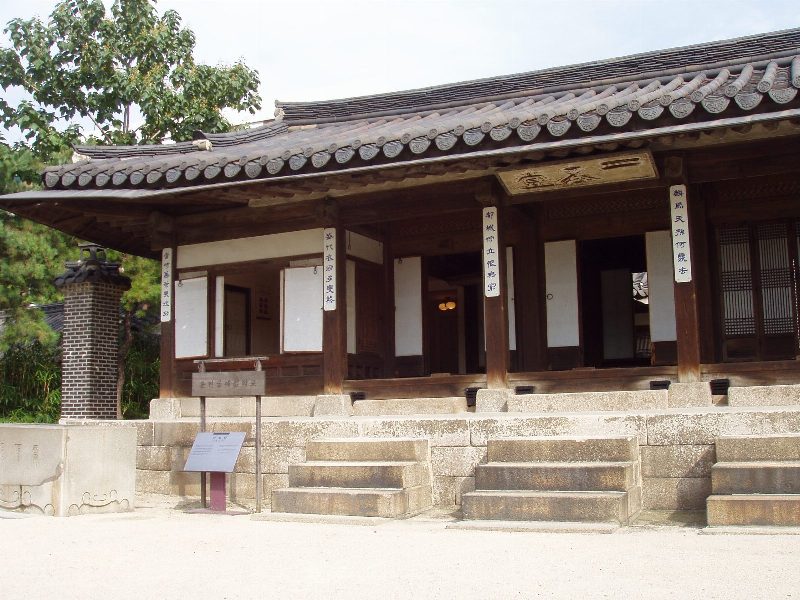
The most distinctive feature of the Beautiful Tea Museum is its tranquil tea space transformed from a traditional Korean house, allowing visitors to experience tea culture in a serene environment amidst the hustle and bustle. The museum collects and displays tea utensils and cultural artifacts from the Gaya and Joseon periods, as well as from China and Tibet, while also showcasing original teapots and ceramic works by young ceramic artists, blending historical significance with modern craftsmanship. The 'Tea Story' tea house in the museum offers over 110 types of teas from around the world and traditional Korean teas, paired with Korean desserts like rice cakes and red bean porridge, making it a great place to enjoy high-quality tea and relax. Additionally, the museum's tea shop sells carefully selected teas and herbal teas from both local and international sources, perfect for visitors looking to purchase souvenirs to savor at home.
What to See
Although the Beautiful Tea Museum is not large, its layout is clear, allowing visitors to explore and experience several main areas one by one. - Traditional Korean House and Courtyard Space: The entire museum is located within an elegant Korean house, with the courtyard transformed into a glass-covered tea seating area, featuring soft lighting and greenery, creating a tranquil, garden-like atmosphere that is perfect for photos and relaxation. - Tea Culture Exhibition Area (Small Museum): This area displays tea bowls, teapots, tea trays, and other tea-related artifacts, including items from ancient Gaya and the Joseon period, as well as tea cultural objects from China and Tibet, allowing visitors to quickly understand the diverse aspects of East Asian tea culture. - Ceramic and Craft Exhibition Area: The walls and display cases showcase handmade teapots, teacups, and tea trays by young ceramic artists, with some pieces available for purchase, making it a highlight for visitors who appreciate tea utensils and design objects. - 'Tea Story' Tea House: Located at the core of the museum, it offers traditional Korean teas, green teas, black teas, herbal teas, and teas from various countries, along with seasonal limited menus like tea lattes. Visitors can choose single pots of tea or tea set packages, enjoying table-side brewing and expert explanations. - Tea Shop and Souvenir Area: The museum shop sells various teas, herbal teas, tea bags, and tea utensils, with some products matching the teas offered in the tea house, allowing visitors to purchase their favorite teas and utensils as mementos after tasting them.
Hours & Admission
Admission to the exhibition space of the Beautiful Tea Museum is free, allowing visitors to freely enter and view the tea utensils and ceramic displays. Depending on personal preference, visitors can choose whether to order tea or shop in the tea house. According to official information from the museum and the Seoul Tourism Organization, the gallery/exhibition space generally operates from 11:30 AM to 8:00 PM daily, open year-round without fixed public holidays, but actual operating hours and last order times may vary by season or store adjustments, so it is recommended to confirm by phone or on the official website before visiting. The tea house operates on an a la carte basis, with tea prices varying depending on the type of tea and brewing method, generally leaning towards the mid to high price range; some dessert sets (like the red bean porridge set) offer a refill service, providing good value for money.
Address
Korean Address: 서울특별시 종로구 인사동길 19-11 (Postal Code 03162) Suggested Chinese Writing: 19-11 Insa-dong Street, Jongno District, Seoul, South Korea, Beautiful Tea Museum (아름다운 차박물관)
Travel Tips
The most comfortable time to visit the Beautiful Tea Museum is usually on weekday afternoons when the crowds are relatively smaller, allowing for a more leisurely experience of the utensils and tea; weekends and holidays tend to be busier in Insa-dong, and seating in the museum may be hard to come by, so it is advisable to arrive early or avoid peak dining hours. The museum offers a quiet, meditative atmosphere, making it suitable for travelers looking to briefly escape the hustle and bustle of downtown Seoul, and it pairs well with visits to Gyeongbokgung Palace, Bukchon Hanok Village, and the old streets of Insa-dong for a half to full day itinerary. Due to its location tucked away in the alleys of Insa-dong, some travelers have reported that it can be 'a bit hard to find', so it is recommended to input '19-11 Insa-dong Street' or the Korean address into a map app in advance and look for the Korean house sign that says 'Tea Museum' or 'Teastory' at the entrance. During the winter months, the hot tea and red bean porridge offered at the museum are particularly popular; in summer, cold brew tea or iced tea can help alleviate the heat, and for those sensitive to caffeine, herbal teas and grain teas are also available. The museum primarily features regular seating and low tables, and the space is not very spacious, so if you have large luggage or a stroller, it is advisable to leave them outside or pack lightly for a more comfortable visit.
Nearby Dining
The Beautiful Tea Museum itself is a uniquely themed tea house, offering a variety of traditional Korean teas, international teas, and light snacks, making it a great rest stop during a walking tour of Insa-dong. The drink selection includes Korean yellow tea, green tea, black tea, herbal tea, fruit tea, and seasonal limited items like tea lattes, while desserts commonly feature Korean rice cakes, small tea plates, and red bean porridge sets, with the combination of red bean porridge and hot tea particularly praised by both local and international visitors. Stepping out of the museum leads directly to the main street of Insa-dong, where there are numerous traditional Korean restaurants, bibimbap and barbecue shops, street food stalls, as well as other tea houses and cafes, allowing visitors to enjoy a proper meal nearby before returning to the Beautiful Tea Museum to savor tea; if you wish to experience more traditional tea houses, you can also visit other Korean house tea rooms in Insa-dong for comparison.
FAQ
Q: Does the Beautiful Tea Museum really have the scale of a 'museum'? A: Although named the 'museum', the Beautiful Tea Museum is actually a complex space that combines a small tea culture exhibition, ceramic displays, a tea house, and a tea shop, leaning more towards a refined tea house than a large museum. There are indeed tea utensils and tea-related artifacts on display, but the number of exhibits is limited, with the main highlight being the opportunity to quietly enjoy tea in a Korean house, appreciate craftsmanship, and purchase tea products. Therefore, it is more suitable to approach it with the mindset of 'specialty tea house + small exhibition' rather than expecting a traditional large museum. Q: Is it necessary to buy tickets or make reservations for the Beautiful Tea Museum? A: Admission to the exhibition space of the Beautiful Tea Museum is free, allowing visitors to enter directly without prior reservations; if you wish to enjoy tea in the tea house, you only need to wait for a seat and order on-site. However, during holidays or peak tourist seasons, there may be full capacity, so if you have specific time arrangements, it is advisable to avoid peak hours or arrive early to increase your chances of seating; for groups or small gatherings, you may consider inquiring about seating availability by phone in advance. Q: Does the museum provide menus and services in English or other languages? A: The Beautiful Tea Museum offers multilingual menus in Korean, English, and Japanese, making it very friendly for foreign visitors. The staff is accustomed to serving international tourists, and basic communication and ordering generally pose no problems. Some tea products come with brief descriptions of flavors and brewing methods, so even if you are not familiar with Korean tea culture, you can ask the staff for recommendations based on your taste preferences (strength, caffeine content, floral or fruity notes). Q: Is the Beautiful Tea Museum suitable for those who do not drink caffeine or are visiting with children? A: In addition to traditional teas and caffeinated options, the Beautiful Tea Museum also offers various herbal teas and grain teas, making it suitable for those avoiding caffeine or visiting in the evening. The environment is quiet and comfortable, making it generally feasible to bring children, but due to the limited space and the presence of ceramic displays, parents should keep a close eye on their children's activities to avoid bumping into exhibits or disturbing other guests; strollers may feel a bit crowded during peak times, so it is advisable to fold or leave them outside as needed. Q: What other attractions can be visited near the Beautiful Tea Museum? A: The Beautiful Tea Museum is located in the core area of Insa-dong, within walking distance to the main street of Insa-dong, various galleries, traditional craft shops, and cultural creative stores, representing one of the best places to experience the fusion of traditional and modern culture in Seoul. Further out, you can walk or take a short subway ride to Gyeongbokgung Palace, Changdeokgung Palace, and Bukchon Hanok Village, making it advisable to plan a light day trip of 'palace and hanok walking + Insa-dong shopping + tea tasting at the Beautiful Tea Museum'.