Beijing Confucius Temple (Confucius Temple and Imperial College Museum)
China · Andingmen Subdistrict · Landmarks
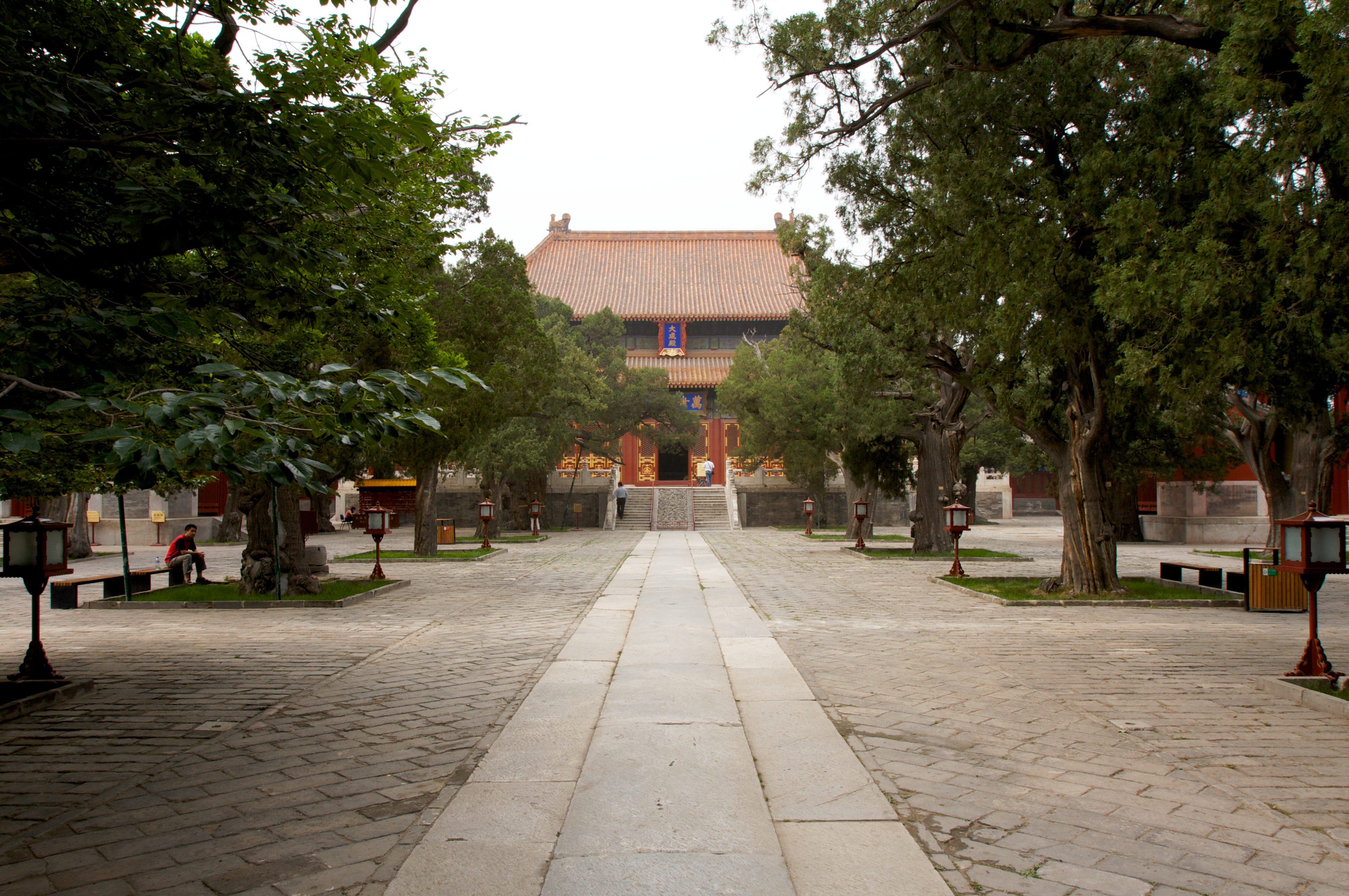
Image source: Wikimedia Commons; license credits as shown.
Overview
The Beijing Confucius Temple is a national-level site for the emperors of the Yuan, Ming, and Qing dynasties to worship Confucius, and it is also an important part of today's 'Confucius Temple and Imperial College Museum'. The scenic area is located on Guozijian Street in the Dongcheng District of Beijing, adjacent to the Imperial College, the highest educational institution in ancient China, preserving a large number of ancient buildings and inscriptions from the Yuan, Ming, and Qing dynasties. Visitors can experience both Confucian sacrificial rites and the culture of the ancient imperial examination system, making it one of the most representative cultural and architectural sightseeing spots in Beijing.
Getting There
The most convenient way to reach the Beijing Confucius Temple and Imperial College Museum is to take Metro Line 2 or Line 5 to 'Yonghegong Station', and then walk about 8–10 minutes from Exit G to reach the entrance of Guozijian Street. Alternatively, you can take a bus to 'Guozijian Station' or 'Yonghegong Station' and walk from there. The surrounding hutong road network is compact, so it is recommended to use a mobile map for navigation.
Highlights
The biggest feature of the Beijing Confucius Temple is its role as the exclusive altar for the emperors to 'worship Confucius', reflecting the status of Confucianism as the national religion during the Yuan, Ming, and Qing dynasties. The temple's architectural axis is strictly aligned, primarily featuring Ming and Qing palace-style architecture, with red walls, yellow tiles, archways, and ancient trees providing shade, creating a solemn and elegant atmosphere. The courtyard preserves over 50,000 inscriptions of successful candidates from the Yuan dynasty to the end of the Qing dynasty, serving as important historical materials for studying the Chinese imperial examination system. After connecting with the Imperial College on the west side, the entire museum focuses on Confucianism, the imperial examination, and national studies education, regularly hosting lectures, calligraphy and painting exhibitions, and traditional cultural experience activities.
What to See
Main attractions include: 1. Hall of Great Achievement: The Hall of Great Achievement is the main hall of the Beijing Confucius Temple, enshrining Confucius and the tablets of sages from various dynasties. It is the core building for holding the grand 'sacrificial ceremony' and Confucius worship ceremonies, with stone carvings and plaques in front of the hall showcasing high artistic value. 2. Hall of the First Teacher and the Rites Gate: The archways, rites gate, and righteous path along the central axis reflect a rigorous spatial sequence of rites, demonstrating the Confucian spirit of 'respecting teachers and valuing the way'. 3. Forest of Steles of Successful Candidates: The courtyard features steles erected from the Yuan dynasty to the end of the Qing dynasty, recording the names and years of successful candidates in the imperial examinations, making it one of the most distinctive cultural relics of the Beijing Confucius Temple and a popular 'check-in point' for many tourists seeking historical figures' names. 4. Imperial College Architectural Complex (Adjacent Scenic Area): The Confucius Temple connects to the Imperial College on the west side, which served as the highest educational institution during the Yuan, Ming, and Qing dynasties, featuring buildings such as the Biyong, Jingyi Pavilion, and Six Halls, showcasing the ancient education system and national studies culture. 5. Ancient Sophora Trees and Hutong Streets: The area around the Confucius Temple, including Guozijian Street and Fangjia Hutong, retains a large number of traditional residences and ancient trees, allowing visitors to experience the rich atmosphere of old Beijing's hutongs.
Hours & Admission
The Beijing Confucius Temple is part of the 'Confucius Temple and Imperial College Museum', generally open daily from 09:00 to 17:00, with entry stopping at 16:30 and closing at 17:00. It is closed every Monday throughout the year (adjustments during major holidays will be based on official announcements). The adult ticket price is 30 RMB per person, and it is recommended to reserve about 2–3 hours for a complete visit to both the Confucius Temple and the Imperial College. Students and specific groups can enjoy discounts: full-time college and undergraduate students with valid student IDs can purchase half-price tickets for about 15 RMB. Seniors aged 60 and above, Chinese citizens under 18, certain Taiwanese residents meeting specific document conditions, active military personnel, disabled individuals, and holders of the Beijing Museum Pass can enter for free, subject to verification of valid identification on-site. Some time slots may require phone or online reservations for free visits, so it is advisable to confirm the latest policies and availability before departure.
Address
15 Guozijian Street, Dongcheng District, Beijing (Confucius Temple and Imperial College Museum), located within the Guozijian community of Andingmen Street, near Yonghegong and Ditan Park.
Travel Tips
The best seasons to visit the Beijing Confucius Temple and Imperial College are spring and autumn, when the weather is mild and the ancient trees in the courtyard provide shade or the autumn leaves turn golden, making it particularly suitable for photography with the red walls and yellow tiles. The scenic area mainly features stone paths and steps, so it is recommended to wear comfortable walking shoes and allow at least 2 hours, while also planning to visit the nearby Yonghegong and Ditan Park for a leisurely cultural walking route. During holidays and peak times with many study groups, the entrance and the area around the Hall of Great Achievement can be crowded, so it is advisable to choose weekdays or arrive early, and pay attention to security checks and crowd control arrangements. The Confucius Temple is located deep in the hutongs, and parking is limited, so it is recommended to take the subway or bus, and mark the entrance of Guozijian Street on your mobile map to avoid getting lost. If you need guided services, you can check the on-site explanation schedule or rent audio guide equipment to better understand the background of Confucian rites and the imperial examination system.
Nearby Dining
The area around the Beijing Confucius Temple, particularly near Andingmen and Wudaoying Hutong, is very close to a variety of dining options. It takes about 10 minutes to walk to Wudaoying Hutong and the surrounding Yonghegong Street, where many cafes, pubs, and specialty Chinese and Beijing-style restaurants are located, making it suitable for resting and dining before or after your visit. If you want to experience traditional Beijing flavors, you can look for shops selling fried sauce noodles, douzhi (fermented mung bean drink), and shaobing (sesame seed cakes) around the Drum Tower and Di'anmen, enjoying the authentic local atmosphere while strolling through the hutongs. Popular restaurants can easily get crowded during holidays, so it is advisable to queue in advance during peak dining times or choose popular small shops located deeper in the hutongs for a more relaxed dining experience.
FAQ
Q: Where is the Beijing Confucius Temple located, and which street does it administratively belong to? A: The Beijing Confucius Temple is located on Guozijian Street in the Dongcheng District of Beijing, and it is one of the important national-level cultural heritage sites within the jurisdiction of Andingmen Street. The specific address is 15 Guozijian Street, Dongcheng District, adjacent to the Imperial College and Yonghegong, and is managed by the Confucius Temple and Imperial College Museum. Q: What are the opening hours and closure days of the Beijing Confucius Temple? A: The Beijing Confucius Temple is part of the Confucius Temple and Imperial College Museum, generally open daily from 09:00 to 17:00, with entry stopping at 16:30 and closing at 17:00. It is closed every Monday throughout the year (any special arrangements during public holidays will be based on official announcements), and it is advisable to check the latest opening status online or by phone before departure. Q: How much is the admission ticket for the Beijing Confucius Temple, and are there any discounts or free policies? A: The adult ticket for the Beijing Confucius Temple and Imperial College Museum is 30 RMB, which is a one-time combined ticket allowing access to both the Confucius Temple and the Imperial College. Full-time college and undergraduate students with valid student IDs can enjoy half-price tickets for about 15 RMB. Seniors aged 60 and above, Chinese citizens under 18, certain Taiwanese residents, active military personnel, disabled individuals, and holders of the Beijing Museum Pass can enter for free with valid identification. Q: How do I take public transportation to the Beijing Confucius Temple? A: The most convenient way to reach the Beijing Confucius Temple is to take Metro Line 2 or Line 5 to 'Yonghegong Station', and then walk about 8–10 minutes along Guozijian Street from Exit G to reach the entrance of the scenic area. If taking a bus, you can get off at 'Guozijian Station' (Bus 13, 84) or 'Yonghegong Station' or 'Andingmen Inner Station', and then walk into the area around Andingmen and Guozijian Street. Q: What is the relationship between the Beijing Confucius Temple and the Imperial College, can they be visited together? A: The Beijing Confucius Temple and the Imperial College are two connected ancient architectural complexes, with the Confucius Temple on the east side for worshiping Confucius and the Imperial College on the west side, which served as the highest educational institution during the Yuan, Ming, and Qing dynasties. They have now merged into the 'Confucius Temple and Imperial College Museum' and are open to the public as a unified entity. After purchasing a ticket, visitors can explore both parts within the same courtyard in sequence, gaining a complete understanding of the sacrificial rites and the ancient education and imperial examination system. Q: How long does it take to visit the Beijing Confucius Temple, and what itinerary is suitable? A: It is generally recommended to reserve about 2–3 hours for visiting the Beijing Confucius Temple and Imperial College Museum, including key attractions such as the main hall, the forest of steles, and the Imperial College. Since the scenic area is close to Yonghegong and Ditan Park, many travelers arrange a walking route of 'Confucius Temple and Imperial College—Yonghegong—Ditan' for half a day or a full day, combining religious architecture with the scenic beauty of ancient temples.
Map
More Info
- Official Website
- Official Information about the Confucius Temple and Imperial College Museum
- Beijing Cultural Tourism Recommendations: Imperial College Confucius Temple—Yonghegong—Ditan Tour Route
- Trip.com Traveler's Guide: Practical Visiting Guide to the Beijing Confucius Temple and Imperial College Museum