Chaoyangmen
China · Dongcheng District · Landmarks
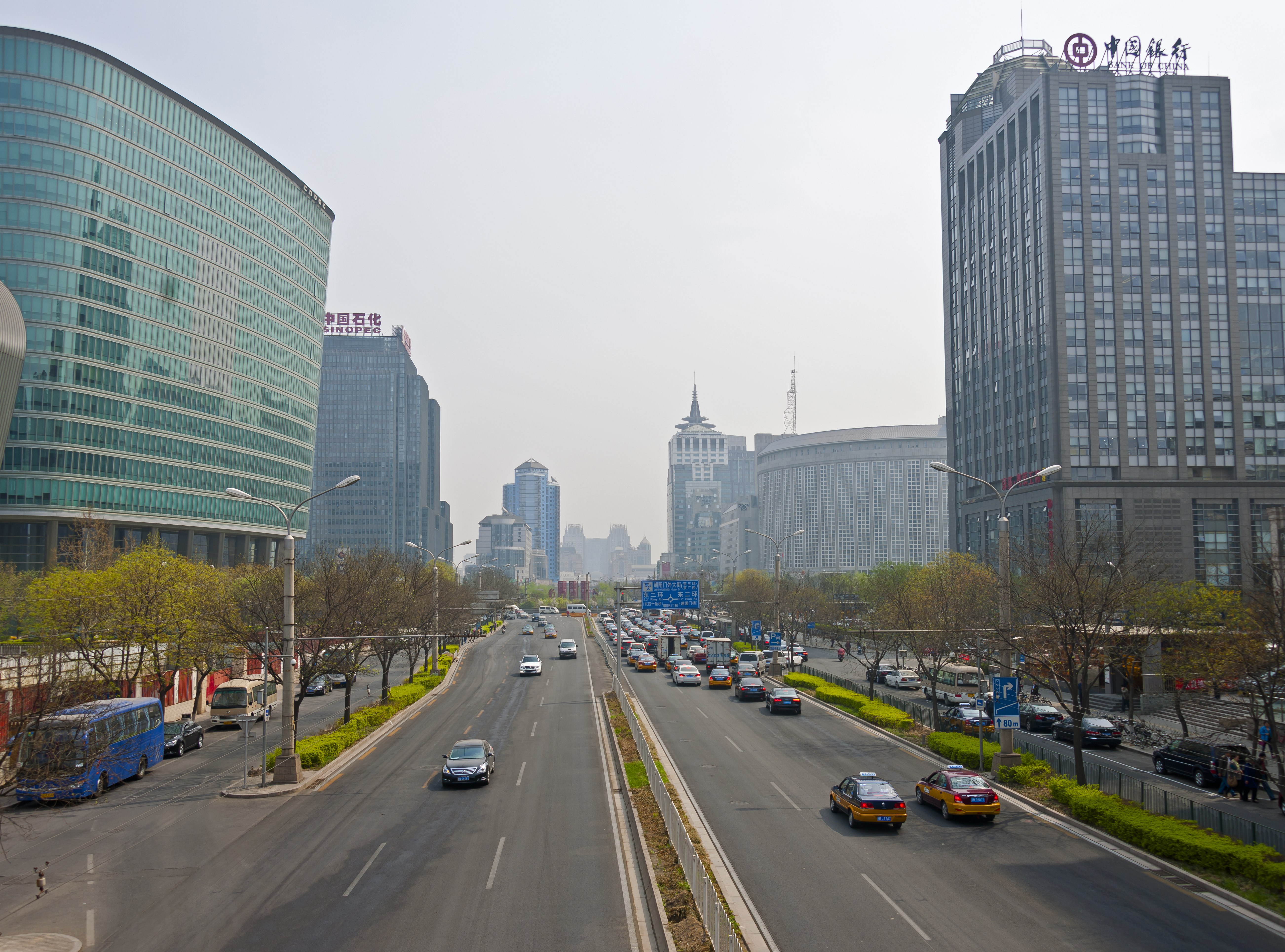
Image source: Wikimedia Commons; license credits as shown.
Overview
Chaoyangmen was originally one of the city gates of the inner city of Beijing during the Yuan, Ming, and Qing dynasties. Today, the city tower has long been demolished, and the area has developed into a bustling transportation and commercial hub. This area is now centered around 'Chaoyangmen Inner Street', 'Chaoyangmen Outer Street', and the Chaoyangmen Overpass, as well as the Chaoyangmen Subway Station, linking the Dongcheng District with the Chaoyang District. It serves as a junction for understanding the layout of old Beijing and experiencing the atmosphere of a modern city.
Getting There
The most convenient way to reach Chaoyangmen is to take Beijing Subway Line 2 or Line 6 to 'Chaoyangmen Station', and then walk a few minutes from any exit to reach the area where the original Chaoyangmen gate was located. The area is also adjacent to the Chaoyangmen Overpass, with multiple bus routes nearby, making it easy to transfer to Wangfujing, Jianguomen, and the business district of Chaoyang.
Highlights
The most distinctive feature of Chaoyangmen lies in its dual identity as both 'the ruins of an ancient city gate and a modern transportation hub': on one hand, it is a memory of the important city gate on the eastern side of old Beijing, witnessing the changes in city defense and ceremonial patterns since the Yuan, Ming, and Qing dynasties; on the other hand, with the demolition of the city walls and the construction of ring roads, this area has developed into a core commuting node connecting Dongcheng and Chaoyang Districts, where Subway Lines 2 and 6 intersect, forming a dense mixed-use area of business offices and residences. The surrounding area retains traditional hutong textures like Dafangjia Hutong and Lumingcang, while also featuring modern buildings and shopping malls like Galaxy SOHO, making it suitable for travelers interested in exploring the urban changes of Beijing on foot.
What to See
1. The old site of Chaoyangmen: Although the ancient city gate and tower no longer exist, the Chaoyangmen Overpass and the inner and outer streets still roughly follow the old city gate and wall's orientation, allowing one to read the historical location of the eastern gate of the inner city from the street layout and road names. 2. Hutongs and community features: The Chaoyangmen street jurisdiction includes several old hutongs such as Dafangjia Hutong, Xiaopaifang Hutong, Nanshuiguan Hutong, Lumingcang East Alley, and Lumingcang Back Alley, forming a typical appearance of the old city area in Dongcheng, suitable for daytime walks to experience local life and the layout of old Beijing courtyards. 3. Galaxy SOHO and surrounding business area: Within walking distance from Chaoyangmen Station, Galaxy SOHO is a complex made up of interconnected white curved buildings that combine office, commercial, and dining spaces, becoming a popular landmark for travelers to take photos and shop near Chaoyangmen. 4. Nearby attractions: Starting from Chaoyangmen, one can walk northwest or take a short transfer to reach the historical districts of Wangfujing and Dongsi, or take the subway to visit representative attractions in Chaoyang District such as Ritan Park, Dongyue Temple, and Chaoyang Park, forming a half-day to one-day urban walking route.
Hours & Admission
As a city road and interchange hub, Chaoyangmen is an open urban space, allowing free access at all times without the need for an admission ticket. The nearby subway and bus stations operate according to the schedules of their respective lines, so travelers should pay attention to the last train times at night for their return journey.
Address
Chaoyangmen Inner Street, Chaoyangmen South Street, and the Chaoyangmen Overpass area in Dongcheng District, Beijing (central-southern part of Chaoyangmen Street, west side of the Chaoyangmen Overpass)
Travel Tips
Visiting Chaoyangmen is best arranged as a 'city walking and transfer node', making this area a midway stop connecting Wangfujing, Dongsi, Jianguomen, and the business district of Chaoyang, where one can observe the commuting crowd and the rhythm of the city in the morning and evening. Due to the coexistence of old low-rise buildings and hutongs with commercial buildings nearby, the walking space can be complex, so it is recommended to wear comfortable shoes and download an online map in advance to help identify hutong names. In winter, the wind is strong and temperatures are low, making the open sections near the old city gate feel colder, so warm clothing is advisable; in summer, the afternoon heat and heavy traffic make it unsuitable to stay outdoors for too long, and nearby malls and cafes can serve as resting points. If planning nighttime activities, be sure to check the last train times for Subway Lines 2 and 6, or book a ride in advance to ensure a smooth return.
Nearby Dining
There are plenty of dining options around Chaoyangmen, primarily catering to office workers, including Chinese restaurants, chain brands, and cafes, offering everything from affordable snacks to mid-range restaurants, making it a suitable dining stop while moving between Dongcheng and Chaoyang Districts. Walking northwest or taking a few subway stops will lead to Wangfujing, Dongdan, and Dongsi, where more traditional Beijing-style restaurants and food courts in shopping centers are concentrated, making it convenient for travelers to dine after sightseeing and shopping.
FAQ
Q: Can you still see the city gate or tower at Chaoyangmen now? A: The original city gate and tower of Chaoyangmen disappeared during the demolition of the Beijing city walls in the 20th century. The site only retains the road layout and place names as historical memories. Travelers can no longer see the physical tower building, but can roughly imagine the location of the former eastern gate of the inner city and the orientation of the city wall through the inner and outer streets of Chaoyangmen and the overpass, and can visit other preserved city gates in Beijing (such as Zhengyangmen) to understand the overall layout of the old city. Q: How do I take the subway to Chaoyangmen? A: The most convenient way to reach Chaoyangmen is to take Beijing Subway Line 2 or Line 6, and after getting off at 'Chaoyangmen Station', follow the signs to exit from the corresponding exit to reach the area near the old site of Chaoyangmen. Line 2 is a circular line connecting important transportation hubs like Beijing Station, Qianmen, and Xizhimen; Line 6 runs from west to east through the city, facilitating connections to major attractions in Dongcheng and Chaoyang Districts. Q: What nearby attractions are worth visiting around Chaoyangmen? A: Nearby attractions that can be visited include Ritan Park, Dongyue Temple, Chaoyang Park, and the Panjiayuan Antique Market in the direction of Chaoyang District to the east, all easily accessible by subway or bus. Additionally, walking northwest can connect to Wangfujing Pedestrian Street, Dongsi, and Donghuamen historical districts, experiencing the urban changes from old hutongs to modern commercial areas. Q: How much time should I plan for visiting Chaoyangmen? A: Chaoyangmen itself is primarily a transportation hub and walking area, with most travelers spending about 30 minutes to 1 hour, mainly to experience the street scenes where old hutongs and modern buildings intersect and to serve as a transfer point. If combined with a leisurely stroll through the surrounding hutongs, visiting Galaxy SOHO, or extending to attractions like Ritan Park and Dongyue Temple, it can be extended to a half-day or full-day itinerary, adjusted according to personal interest in urban exploration and historical architecture.