Dongyanshan National Forest Recreation Area
Taiwan · Taoyuan City · Fuxing District · Nature & Scenery
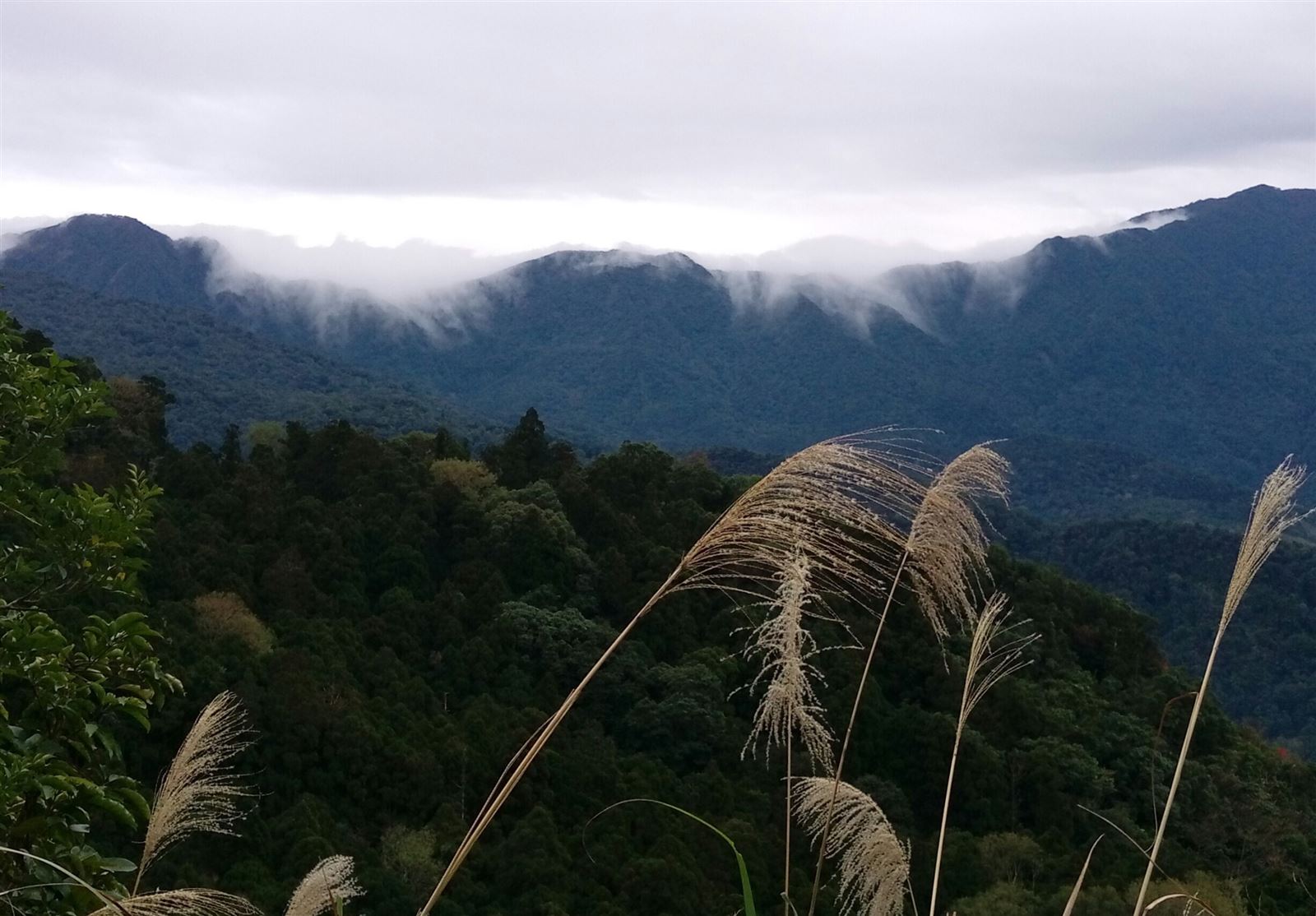
Image source: Taiwan_Opendata; license credits as shown.
Overview
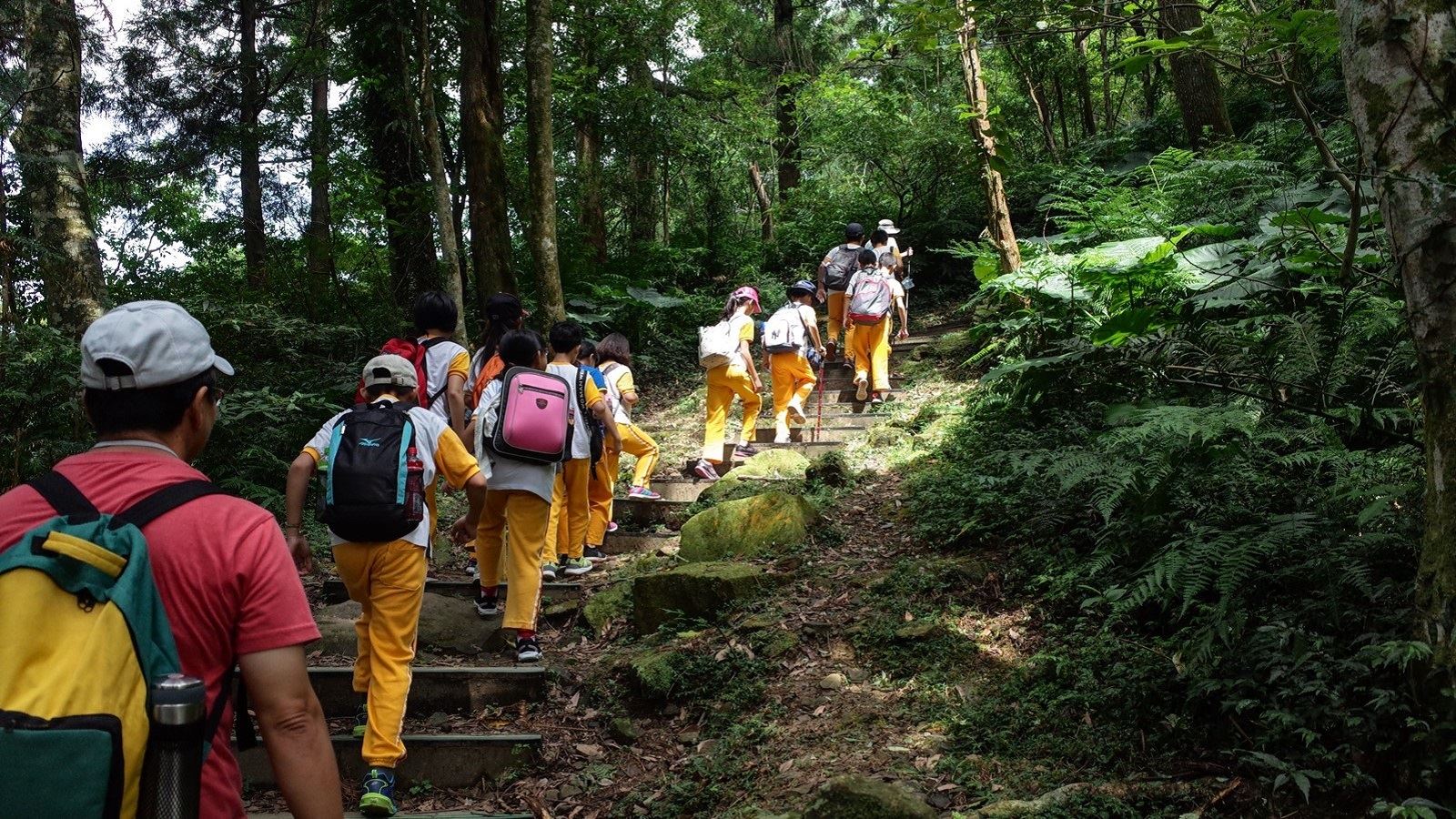
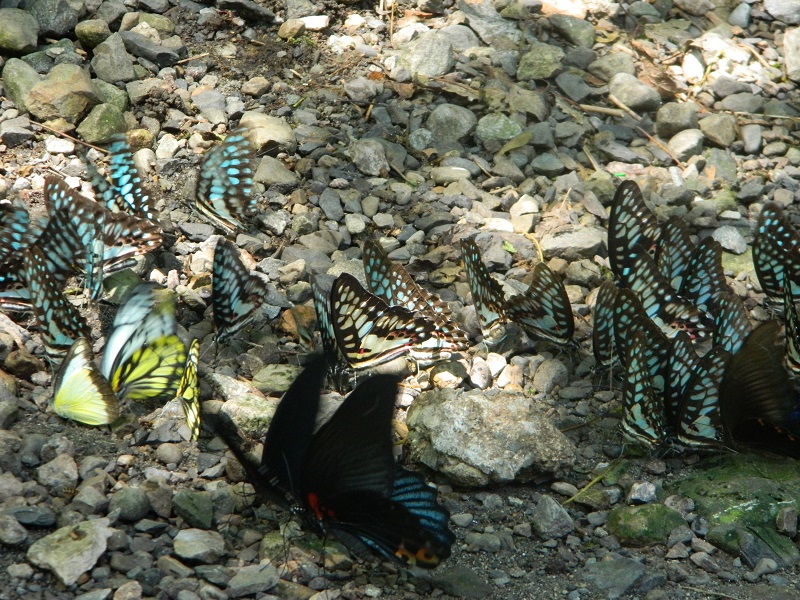
Dongyanshan National Forest Recreation Area is about a one-hour drive from Daxi. In the past, it was a logging compartment managed by the Forestry and Nature Conservation Agency (formerly the Forestry Bureau), and many forestry relics such as log hauling machines, cableways, and rail carts remain hidden along the educational trails. Today, visitors can stroll among mist-shrouded, neatly arranged Japanese cedar forests and climb to the summit of Dongyanshan, at an elevation of 1,212 meters, for views stretching from Taoyuan to Greater Taipei. A reforestation memorial stone stands beside Dongyanshan Forest Road, bearing witness to Taiwan’s forestry past. The area is rich in ecology, with about 43 species of mountain birds and many mammals; even the white-faced flying squirrel, usually found at medium and high elevations, can be seen here. In spring, people come to enjoy cherry blossoms; in summer, cicadas sing by day and frogs call loudly at night; and in autumn, Dongyanshan Forest Road takes on a deep seasonal melancholy. Most notably, many Taiwanese hares live here, so remember to watch your step while walking through the forest. Nearby, the fossil area along Dongyanshan Forest Road preserves fossils and landscapes that are millions of years old, along with trace fossils and sedimentary geology, making the leisurely walk to the Dongman Trail entrance especially pleasant. If you have the chance to visit Daxi, consider adding Dongyanshan National Forest Recreation Area to your itinerary for a refreshing forest getaway.
Getting There
[Driving] Route 1: Taoyuan → Daxi → Provincial Highway 7 → Fuxing → County Road 119 → Dongyanshan Forest Recreation Area. [Driving] Route 2: Sanxia → Dapu → Provincial Highway 7A → Sanmin → Provincial Highway 7 → Fuxing → County Road 119 → Dongyanshan Forest Recreation Area. [Public transport] Taiwan Tourist Shuttle Dongyanshan Line: Departure times from Daxi (weekdays) 08:00, 11:00, 15:00 / (holidays) 08:00, 09:00, 11:00, 14:30, 15:00. Departure times from Dongyanshan National Forest Recreation Area (weekdays) 09:30, 13:00, 17:00 / (holidays) 09:30, 12:00, 13:00, 16:15, 17:00 (alighting point is outside the Dongyanshan ticket office; boarding point is the large parking lot inside Dongyanshan). For other transportation information, please contact Taoyuan Bus (0800-053808), Taiwan Tourist Shuttle (0800-011765), Taiwan Tourist Shuttle webpage link: https://www.taiwantrip.com.tw/Frontend/Route/Select_p?RouteID=R0064, Dongyanshan Recreation Area (03-3821506). [Public transport] Happiness Bus [F906 Bat Cave–Dongyanshan Route]: Sanmin → Shuiliudong (Xiangiang Dining Shop) → Shuiliudong Road Junction → Dawo Road Junction → Tudi Gong → Zhangcuo → Sanchalu Junction → Sanmin Presbyterian Church → Bat Cave Entrance → Hongwacuo → Wu Residence → Xihu → Wang Residence → Dawo → Xiajiguopai → Jigupai → Sanmin Parking Lot → Zhenzitou Mountain Entrance → Yuanshanjiao → Yuanshan → Yuanshan Bridge → Zhenzitou Mountain → Tanlin Temple → Sanmin Bridge → Xincun → Shuiyuandi → Jieshou Junior High School → Jiao Banshan Park → Fuxing → Jiao Banshan Park → Jieshou Junior High School → Shuiyuandi → Chengfu Road Junction → Green Light Forest → Dongyanshan National Forest Recreation Area
Highlights
A famous forest-therapy destination in northern Taiwan, located in Fuxing District, Taoyuan City, about a one-hour drive from Daxi. It was once a logging compartment under the Forestry and Nature Conservation Agency (formerly the Forestry Bureau), leaving behind rich forestry relics and plantation landscapes. The park’s highest point, Dongyanshan, rises to about 1,212 meters; from the summit, visitors can overlook mountains and city scenery across Taoyuan and Greater Taipei, with expansive views on clear days. The park features vast cedar and fir forests, and mist often drifts through the trails, making it ideal for forest bathing and peaceful walks. The area is ecologically rich, with around 40 species of mountain birds and a variety of mammals; the white-faced flying squirrel, usually associated with mid- to high-elevation habitats, may also be found here. Each season has its own appeal: cherry blossoms in spring, cicadas by day and frogs at night in summer, autumn colors along the forest road in fall, and cool, fresh air in winter, making it a mountain recreation area worth visiting year-round. The park also preserves fossil and sedimentary landscapes that date back millions of years, combining trace fossils and geological scenery with nature education and leisurely outings.
What to See
1. Dongyanshan Main Peak and panoramic views: Climb the self-guided trail step by step to the summit of Dongyanshan at about 1,212 meters above sea level, where you can take in sweeping views from Taoyuan to Greater Taipei. On clear days, distant scenery including Sanxia and the Tamsui River can be seen, making it ideal for photography and daytime sightseeing. 2. Japanese cedar and fir plantation landscapes: The park contains hundreds of hectares of plantation forest, dominated by Japanese cedar and fir. The forest stands are neat and impressive, the trail sides are densely shaded, and mist often lingers here, making it a great place for forest bathing, enjoying phytoncides, and taking atmospheric forest photos. 3. Educational trails and forestry relics: Along the educational trail, remnants of former logging-era facilities such as log hauling machines, cableways, and rail carts have been preserved, and a reforestation memorial stone can also be seen. These features bear witness to the history of Taiwan’s forestry development and are especially suitable for families and travelers interested in forestry culture. 4. Fossil area and geological scenery: The fossil area beside Dongyanshan Forest Road contains fossils and landscapes dating back millions of years. Along the route, visitors can observe trace fossils and sedimentary geology, and the leisurely walk to the Dongman Trail entrance combines a pleasant stroll with geological learning. 5. Forest bathing trail system: The park has several forest trails, including self-guided and educational trails, allowing visitors to choose between short, easy walks or more challenging summit routes based on their fitness level. The varied forest scenery and constant birdsong and insects make this a popular trail system in northern Taiwan. 6. Mountain bird and wildlife observation: About 43 species of mountain birds have been recorded in the park, making it suitable for birdwatching in the early morning or before noon. Many mammals also inhabit the area, including white-faced flying squirrels and Taiwanese hares, which are more likely to be spotted at dawn or dusk. 7. Seasonal scenery and natural soundscape: Spring brings mountain cherry blossoms and fresh new greenery; in summer, cicadas sing during the day and frogs chorus at night, creating a natural symphony. In autumn, the forest road turns richly colored and the atmosphere becomes calm and quiet, ideal for slowing down and experiencing the change of seasons.
Hours & Admission
Parking: Large vehicles: NT$100; there are 22 large parking spaces. Bus and coach passenger pick-up and drop-off area is available outside the park. Small vehicles: NT$100; one small-car parking area has 104 spaces, and another has 116 spaces, for a total of 220 spaces. Motorcycles: NT$20; the motorcycle parking area has 30 spaces and is located to the left of the small-car parking lot.
Address
No. 600, Chengfu Rd., Xianyun Village, Fuxing District, Taoyuan City 336 Phone: (03)3821506, (03)3882038
Travel Tips
1. Suggested visit time: If you only plan to walk the shorter educational trail and forest roads, reserve about half a day; if you intend to reach Dongyanshan Main Peak and take your time on multiple trails, it is better to set aside a full day and allow extra time for transportation up and down the mountain. 2. Best seasons to visit: Spring and autumn offer comfortable temperatures and are suitable for hiking and sightseeing; spring is good for cherry blossoms and tender new greenery, while autumn offers beautiful foliage. Summer is cooler than the city and is a good choice for escaping the heat and enjoying forest bathing, though afternoon thunderstorms may occur. Winter is colder, but the views are often clearer, making it suitable for travelers who want to avoid crowds. 3. Clothing and gear: The trails include mountain paths, stairs, and forest dirt and stone roads, so it is recommended to wear non-slip hiking shoes or sneakers. Bring light rain gear, a windproof jacket, and a hat. Temperature differences between day and night are large in the mountains, so even in summer it is wise to bring a thin outer layer. For longer routes, trekking poles can help reduce knee strain. 4. Drinking water and food: Refreshment options in the park are limited, so bring enough water and light snacks, especially if you plan to summit or hike longer distances. If you usually drink hot beverages, a thermos can be useful, particularly in winter or on rainy days. 5. Transportation and time planning: Driving from Daxi takes about one hour, and the mountain roads have many curves, so drive slowly and carefully. If using public transport, first go to Daxi and then transfer to the bus bound for Dongyanshan. Check the timetable in advance and leave enough time for the return trip to avoid missing the last bus. 6. Trail choice and fitness assessment: The park offers trails ranging from easy walks to summit routes that require more stamina. Families with children or older visitors can choose gentler forest roads and educational trails, while those with better fitness can challenge themselves with the self-guided trail to the summit. Plan routes and time according to your own condition, and avoid starting a long hike too late in the afternoon or evening. 7. Eco-observation etiquette: When birdwatching or looking for white-faced flying squirrels and Taiwanese hares, keep quiet and maintain an appropriate distance. Do not feed or chase animals, and avoid shining strong lights directly at them. Please do not collect plants or remove natural objects, and help preserve the park’s ecological character. 8. Weather and safety precautions: Mountain weather changes quickly, so check the forecast before departure. Avoid forcing a summit attempt or entering remote trails during thunderstorms or heavy fog. After rain, the ground can be slippery, so be especially careful on stairs and rocks. It is recommended to travel with at least two people and pay attention to park signs and direction markers. 9. Recommendations for families and seniors: Choose shorter routes with gentler slopes and plan for appropriate rest breaks. Bring mosquito repellent and simple warm clothing. Observing forestry relics and the fossil area with children can serve as an outdoor classroom for nature and culture. 10. Trash and environmental protection: Recycling and trash bins are limited in the mountains, so bring a trash bag and carry all waste back down with you. Stay on existing trails while walking to avoid trampling moss and seedlings, and help protect Dongyanshan’s natural environment.
FAQ
Q: Is Dongyanshan National Forest Recreation Area suitable for families? A: Yes. The park has several trails of varying difficulty, so families can choose gentler forest roads or shorter educational trails based on age and fitness. It is a great outdoor classroom for observing cedar forests, mountain birds, and forestry relics. Still, be careful of slippery paths and stair height, and bring trekking poles if needed to help children or older adults. Q: What equipment should I prepare for a visit to Dongyanshan? A: It is recommended to wear comfortable sneakers or hiking shoes and bring rain gear, a windproof or light warm jacket, enough drinking water, and simple snacks. Mosquitoes may be more common in summer, so bring insect repellent. If you plan to summit or hike longer distances, also bring a hat, trekking poles, and any personal medications, while keeping your pack light and manageable. Q: What is the most recommended season to visit Dongyanshan? A: Dongyanshan has its own appeal in every season. Spring is pleasant, with cherry blossoms and fresh green shoots; summer is cooler and good for escaping the heat and enjoying forest bathing, with cicadas by day and frogs at night; autumn brings beautiful foliage and dry, comfortable weather that is suitable for longer hikes; winter has fewer crowds and fresher air, with clearer visibility, though you should dress warmly. Q: What wildlife and ecology can be seen at Dongyanshan? A: About forty-plus species of mountain birds have been recorded in the park, making it a good place for birdwatching in the early morning or morning hours. Mammals are also diverse, and white-faced flying squirrels, which are usually found at mid- to high elevations, have been recorded here. In addition, many Taiwanese hares live in the forest, so pay attention to the ground and surrounding undergrowth while walking. At night, various frogs can be heard calling nearby, creating a rich mountain soundscape.