Manyueyuan National Forest Recreation Area
Taiwan · New Taipei City · Sanxia District · Nature & Scenery
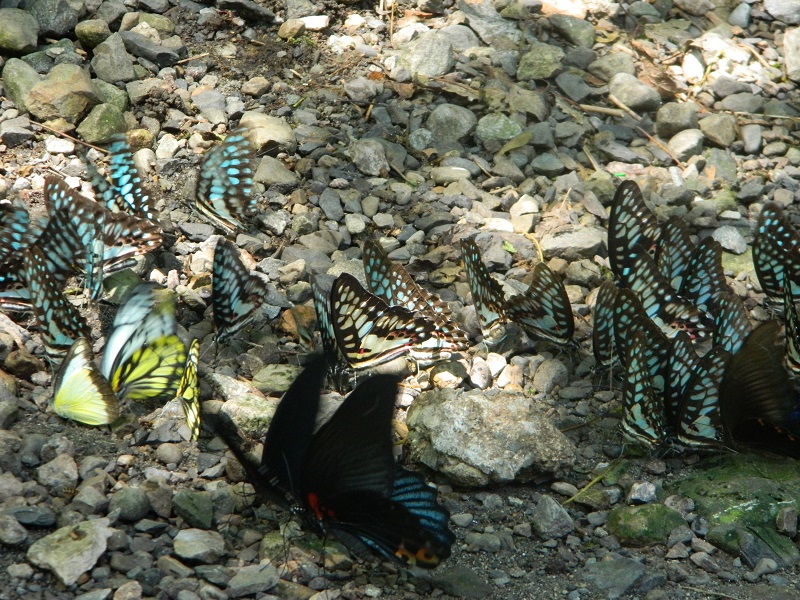
Image source: Taiwan_Opendata; license credits as shown.
Overview
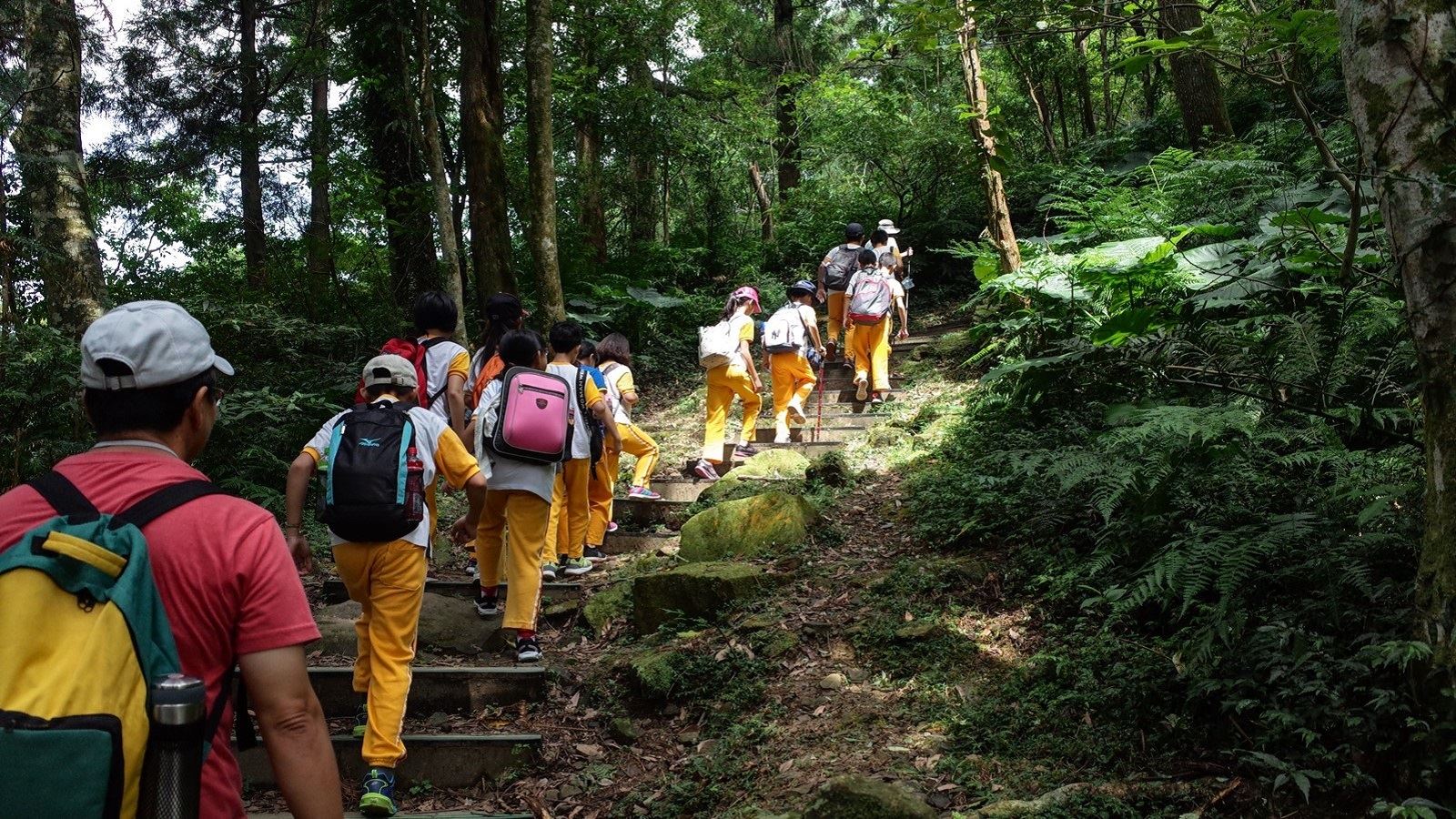
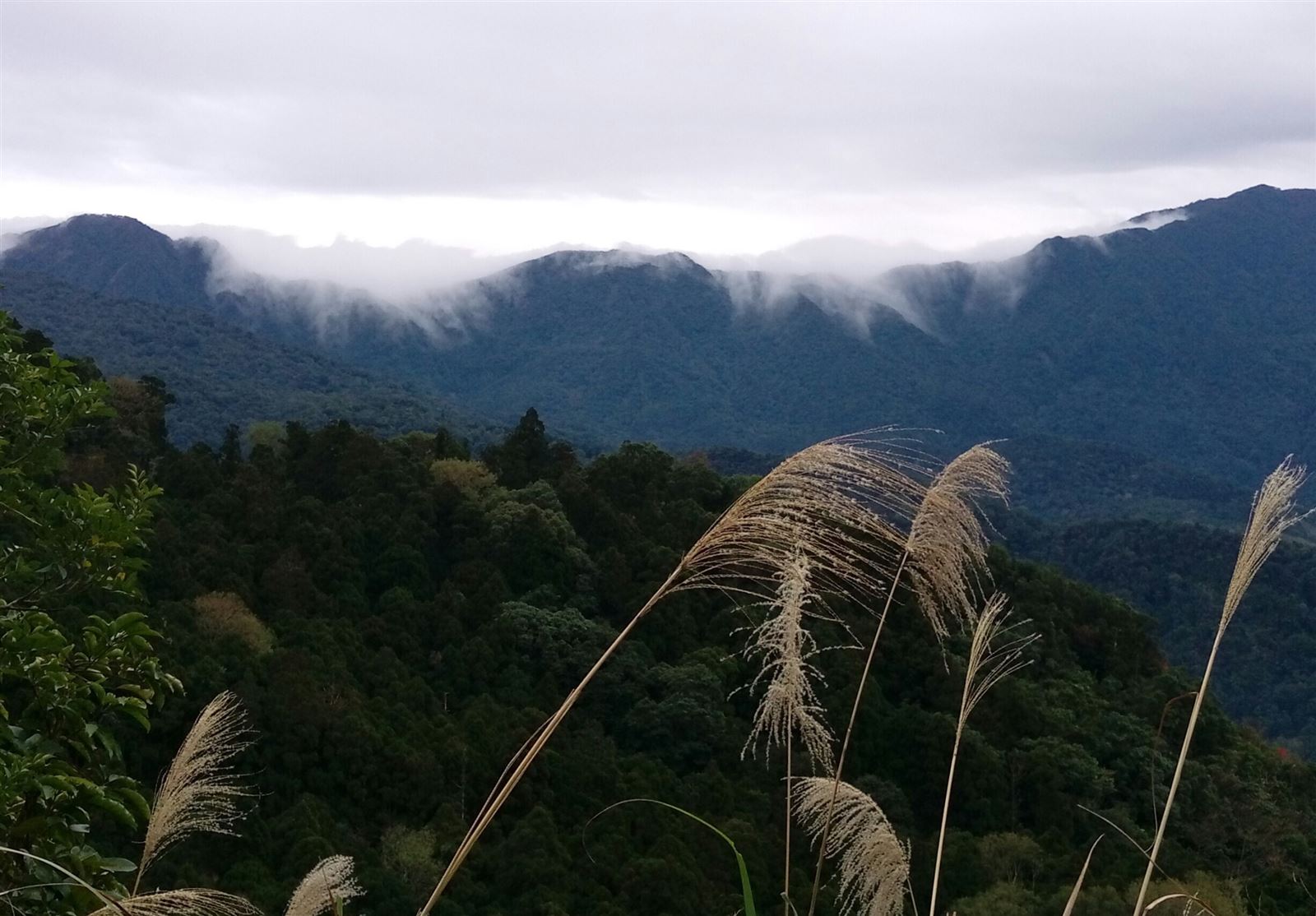
Located on a tributary called Nai-Zi Creek in the upper reaches of Dabao Creek in Sanxia, Manyueyuan National Forest Recreation Area is a beautiful little world of waterfalls, ecology, and autumn maple leaves. About 40 minutes from downtown Sanxia, the recreation area sits at an elevation of 300 to 1,700 meters and remains cool and humid year-round, creating a rich fern ecosystem that even includes the moisture-sensitive umbrella fern. The area once saw small-scale logging, and the neatly arranged planted forests today bear witness to that period. It is also home to abundant birds, amphibians, and butterflies, including notable species such as the White-throated Laughingthrush and the Rufous-capped Tit, making it an important birdwatching destination. Around December each year, the maple leaves turn brilliantly red, earning it a reputation as one of Taiwan’s most beautiful low-elevation maple-viewing spots. At the end of the hiking trail are Manyueyuan Waterfall and Virgin Waterfall, two of the area’s signature sights. From Manyue Bridge, the upper part of Manyueyuan Waterfall is hidden behind a towering rock face more than 10 meters high, and the water plunges straight down in a majestic display. Virgin Waterfall is gentler in character; on sunny days, light refracts through the spray, and a rainbow-like shimmer is often visible.
Getting There
[By car] Route 1: National Freeway 3 → Sanying Interchange → County Road 110 → Sanxia → Provincial Highway 3 → Dapu → left fork to Provincial Highway 7B → Couhe → Chijiao → toward Youmuli → Lelegu → Manyueyuan National Forest Recreation Area. There are four parking lots in total: Lot 1 is a small-car lot with 38 spaces; Lot 2 is a lot for both large and small vehicles, with a Taipei Bus Route 807 shelter, 10 large-vehicle spaces and 29 small-vehicle spaces; Lot 3 is a two-level small-car lot, with 28 spaces on the upper level and 20 on the lower level; Lot 4 is for small vehicles and motorcycles, with 16 small-car spaces. [Public transportation] Take Taipei Bus Route 807 from Sanxia to Manyueyuan. On weekdays, departures from Sanxia Stop 1 are at 05:20, 07:00, 09:30, 12:00, 15:00, and 17:30. Departures from Manyueyuan are at 06:05, 07:45, 10:15, 12:45, 15:45, and 18:10. On weekends and public holidays, departures from Sanxia Stop 1 are at 06:00, 08:30, 11:00, 14:30, and 17:30. Departures from Manyueyuan are at 06:45, 09:10, 11:45, 15:15, and 18:10. Taipei Bus Sanxia Stop 1 telephone: 02-26711914. Get off at the second parking lot stop for Manyueyuan, then walk about 30 minutes along the Naizixi Ecological Trail to the ticket booth.
Highlights
Located in the mountains of Sanxia District, New Taipei City, and built along Nai-Zi Creek, a tributary of Dabao Creek, Manyueyuan National Forest Recreation Area is a mountain trail attraction combining waterfalls, ecology, and maple leaves. It is widely known as a “waterfall paradise” and one of Taiwan’s most beautiful low-elevation maple-viewing destinations. With an elevation of about 300 to 1,700 meters, the area stays cool and humid year-round, supporting diverse ferns and forest ecosystems. In autumn and winter, visitors can enjoy maple leaves; in spring and summer, the area is ideal for forest bathing, waterfall viewing, and bird and butterfly watching, making it a popular choice for nature outings near Taipei.
What to See
1. Manyueyuan Waterfall: The signature sight at the end of the Manyueyuan Trail. The waterfall has a drop of about more than 10 meters, with a tall vertical rock wall in front partially hiding the upper section, so it can only be viewed in stages. Its powerful plunge has a dragon-tail-like presence, and the clear pool at the base creates a grand scene that is the park’s most iconic photo spot. 2. Virgin Waterfall (Rainbow Veil Waterfall): Located on a left tributary of Nai-Zi Creek, the water falls like white silk, descending almost vertically. It is powerful yet graceful. On sunny days, the mist often refracts into a rainbow, which is why it is also called “Rainbow Veil Waterfall.” Visitors can feel the spray and cool air up close from a nearby pavilion. 3. Silver Curtain Waterfall: Located not far behind Manyueyuan Waterfall, this waterfall is small and elegant. Although not very tall, its wide curtain of water sparkles like a silver-white curtain when hit by sunlight, making it one of the more delicate waterfall scenes along the route. 4. Naizixi Ecological Trail: A trail that follows the stream. Along the way, the valley terrain is steep and the sound of running water is constant. It takes about a walk to reach Manyueyuan Waterfall, making it ideal for observing the stream, ferns, and insects while hiking. It is also a popular route for families. 5. Self-Guided Forest Trail: A forest trail weaving through Japanese cedar and planted forests, equipped with interpretive signs so visitors can independently learn about Manyueyuan’s forest composition and logging history. The route is wide and gentle, suitable for families to enjoy forest bathing and phytoncides. 6. Maple-viewing scenery and forest composition: Around December each year, the leaves in the park turn red. The low-elevation maple colors combined with the valley and waterfall scenery create a landscape of red and gold across the mountains, making this one of northern Taiwan’s well-known maple-viewing destinations. 7. Bird and butterfly ecology: The park has rich bird and insect resources, including rare species such as the White-throated Laughingthrush and the Rufous-capped Tit, as well as many butterflies and amphibians. It is one of the reasons nature watchers and photographers come here. 8. Manyue Bridge and other viewpoints: Along the route to Manyueyuan Waterfall, there are good stopping points such as Manyue Bridge and waterfall-viewing pavilions. From here, visitors can look out over the waterfall and valley while listening to the rushing water, making them important rest and photo spots along the way.
Address
No. 174-1, Youmu Li, Sanxia District, New Taipei City 237 Telephone: (02)26720004, (02)26720542
Travel Tips
1. Suggested visit duration: If you only walk the main trails to Manyueyuan Waterfall and Virgin Waterfall, a half-day to full-day itinerary is more relaxed, leaving time to take photos and observe the ecology. 2. Best season to visit: • Late autumn to winter is best for maple viewing and comfortable hiking; the timing of peak color varies by year. • Spring and summer bring abundant water flow, making the waterfalls more impressive and providing a good setting for forest bathing and escaping the heat. 3. Weather and gear suggestions: • The park is cool and humid year-round, and temperatures in the mountains are lower than in the city, so bring a light jacket. • Many trails consist of stone steps and mountain paths, so wear non-slip athletic shoes or hiking shoes. • The valley area is damp, so rain gear, a waterproof jacket, and shoes with good traction will improve comfort and safety. • Summer afternoons may still bring thunderstorms, so check the mountain weather forecast before entering the park. 4. Safety and trail precautions: • Some sections run alongside streams and include many steps; stone steps can become slippery after rain, so walk carefully. • Do not climb over railings or play in dangerous waters, and be alert to sudden surges in stream flow. • Choose a route that matches your physical condition; older visitors and young children may prefer the gentler sections. 5. Ecological etiquette: • The park has abundant ferns, birds, and butterflies, so please observe and photograph wildlife without disturbing or touching it. • Take all trash out with you and keep the trails and valley clean. • Do not collect plants or organisms; respect the forest ecosystem. 6. Transportation and scheduling: • Driving involves mountain roads and many curves, so allow enough time to get uphill and drive carefully. • If taking the bus, services are relatively fixed and limited, so check the timetable in advance and allow enough time for the return trip to avoid waiting a long time in the mountains. 7. Recommended for: • Travelers who enjoy waterfalls, forest trails, and maple leaves. • Families and beginner hikers who prefer gentler ecological trails and short routes. • Nature observers and photography enthusiasts who want to spend more time around the waterfalls and valley.
FAQ
Q: Is Manyueyuan National Forest Recreation Area suitable for families? A: Yes. The park’s trails are mostly well-maintained stone steps and forest paths. The Naizixi Ecological Trail and some self-guided trail sections are relatively gentle, making them suitable for families to walk slowly and observe the stream and forest ecology. Parents should keep an eye on children near the stream and on stair sections and avoid climbing railings or approaching fast-moving water. Q: If I want to see maple leaves, when is the best time to visit Manyueyuan? A: Manyueyuan is known as one of the places with “Taiwan’s most beautiful low-elevation maple leaves.” In general, the best chance to see the leaves turn red is around winter each year, but actual conditions vary with the weather and rainfall. It is recommended to check recent maple-viewing updates and weather conditions before departure. Q: Do I have to hike all the way to Manyueyuan Waterfall and Virgin Waterfall? A: The two signature sights of the park are Manyueyuan Waterfall and Virgin Waterfall, and most visitors plan to walk all the way to both. If time or energy is limited, you can also walk only part of the ecological trail and still enjoy the atmosphere of the valley and forest. Q: What is the weather like in the park, and what should I prepare? A: Manyueyuan is in the mountains, so it stays cool and humid year-round and is usually a little cooler than the city. Bring a light jacket and rain gear, and wear non-slip athletic shoes or hiking shoes. After rain or in winter, the trails can be slippery, so pay extra attention to your footing and keep warm.