Dosan Ahn Chang-ho Memorial Hall

Image source: Openverse; license credits as shown.
Overview
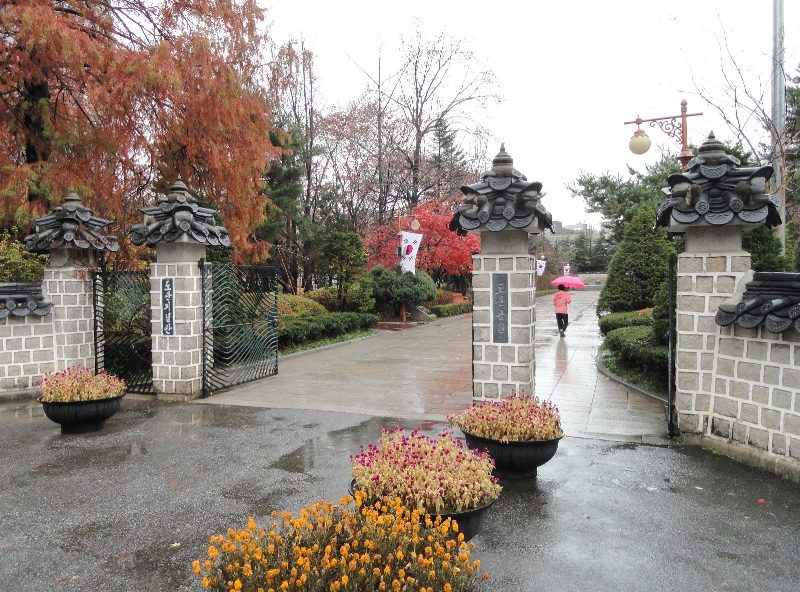
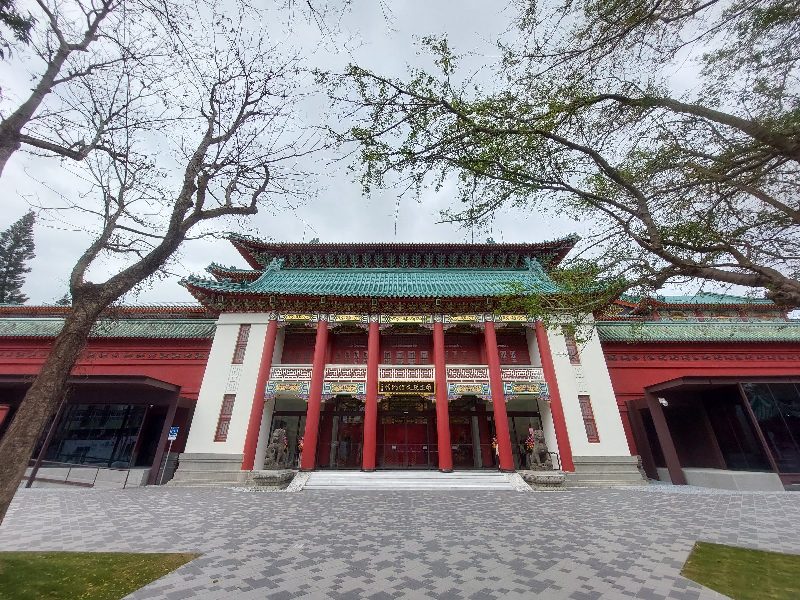
The Dosan Ahn Chang-ho Memorial Hall is a historical museum located in Dosan Park, Sinsa-dong, Gangnam District, Seoul, dedicated to commemorating Mr. Ahn Chang-ho, a leader of the modern Korean independence movement. The museum showcases his life and thoughts through artifacts, photographs, and multimedia displays, while also introducing the context of modern Korean history and the independence movement. Surrounded by the lush greenery of Dosan Park and the graves of Ahn Chang-ho and his wife, it serves as a cultural hub to experience tranquility and historical significance in the bustling Gangnam area.
Getting There
The easiest way to reach the Dosan Ahn Chang-ho Memorial Hall is to take the Seoul Metro to either 'Apgujeong Station' or 'Sinsa Station', then walk or transfer to a bus to get to the Dosan Park area. It is about a 15-20 minute walk from Apgujeong Station on Line 3, or you can take a city bus and get off at the 'Dosan Park' stop and walk a few minutes.
Highlights
The Dosan Ahn Chang-ho Memorial Hall is a specialized museum built to honor the Korean independence activist Ahn Chang-ho (also known as 'Dosan'), comprehensively presenting his lifelong dedication to the modernization of the nation and the independence movement. The exhibition themes emphasize spirits such as 'effort, pragmatism, loyalty, and bravery', encouraging visitors to reflect on the true meaning of national, ethnic, and personal responsibility. The museum is located within the green surroundings of Dosan Park, which also features a commemorative statue, a cemetery, and walking paths, making it an urban oasis that combines historical education with leisure.
What to See
Dosan Ahn Chang-ho Thematic Exhibition Hall: Introduces Ahn Chang-ho's life from his youth to his involvement in the independence movement, his exile abroad, and his promotion of education and social reform through timelines, photographs, documents, and physical artifacts. Artifact and Document Exhibition Area: Displays over seventy artifacts, including manuscripts, letters, publications, and daily necessities, allowing visitors to connect more closely with his personality and thoughts. Multimedia and Educational Space: Presents modern Korean history, overseas independence movement networks, and Ahn Chang-ho's thoughts through videos, projections, and explanatory panels, suitable for students and families. Dosan Park and Commemorative Statue: The museum is adjacent to Dosan Park, which features a statue of Ahn Chang-ho, a monument, and walking paths, making it a great place for a stroll before or after the visit to reflect and unwind. Ahn Chang-ho and His Wife's Cemetery: Located within the same park, the cemetery has a solemn and tranquil atmosphere, highlighting the symbolic significance of his lifelong dedication to the nation, allowing for respectful visits.
Hours & Admission
Admission to the Dosan Ahn Chang-ho Memorial Hall is currently free, and no tickets are required for entry. The opening hours are from 10:00 AM to 6:00 PM on weekdays and from 11:00 AM to 6:00 PM on weekends and public holidays. It is recommended to enter at least one hour before closing to fully enjoy the exhibits. The museum is closed every Monday, during the Lunar New Year (Seollal), and during the Chuseok holiday period; some information also mentions closure on Christmas, so it is advisable to check the official website before visiting. A typical visit takes about 1 hour, but if you wish to read the panels and watch the videos in detail, you may want to allocate 1.5 hours.
Address
20 Dosan-daero 45-gil, Gangnam-gu, Seoul (Sinsa-dong, within Dosan Park)
Travel Tips
The Dosan Ahn Chang-ho Memorial Hall is suitable to be combined with a visit to the tree-lined streets of Gangnam and Sinsa-dong, allowing for a day of shopping, dining, and cultural history. The recommended visit time is about 1 hour, but you can adjust it based on personal interests; those interested in modern Korean history, the independence movement, or biographies may want to stay longer. The weather is pleasant in spring and autumn, making it ideal for a walk in Dosan Park; summer offers plenty of shade, but it is advisable to bring drinking water and sun protection. The museum primarily uses Korean, and some panels and descriptions may provide information in foreign languages; if you wish to understand more deeply, you can read relevant historical background in advance or use a mobile translation app. There are paid parking lots available around the park, and drivers should be aware that traffic in the Gangnam area can be heavy, so it is advisable to avoid peak hours.
Nearby Dining
The memorial hall itself does not have large dining facilities, but there are many restaurants and cafes densely packed around Sinsa-dong and Apgujeong, making it easy to find food. The tree-lined streets of Sinsa-dong are home to numerous Korean restaurants, brunch spots, and dessert cafes, making it perfect for arranging a meal or afternoon tea before or after your visit, combining culinary delights with cultural strolls. If you want to experience local flavors, you can choose Korean barbecue, bibimbap, or home-style set meals in the Gangnam area; for a leisurely break, there are also many chain cafes and specialty coffee shops nearby. It is advisable to avoid peak lunch hours on weekdays and dinner hours on weekends, as some popular restaurants may require waiting in line.
FAQ
Q: What does the Dosan Ahn Chang-ho Memorial Hall mainly introduce? A: The Dosan Ahn Chang-ho Memorial Hall mainly introduces the life and thoughts of Ahn Chang-ho, a leader of the Korean independence movement, as well as the development of the independence movement in modern Korean history. The museum presents his contributions to the modernization of the country, education, and social reform through timelines, artifacts, photographs, and multimedia, guiding visitors to reflect on the meaning of national and personal responsibility. Q: What are the opening hours and closed days of the Dosan Ahn Chang-ho Memorial Hall? A: The Dosan Ahn Chang-ho Memorial Hall is open from 10:00 AM to 6:00 PM on weekdays and from 11:00 AM to 6:00 PM on weekends and public holidays. It is closed every Monday, during the Lunar New Year, and during the Chuseok holiday period; some information also indicates closure on Christmas, so it is advisable to check the official website before visiting to avoid disappointment. Q: Is there an admission fee to visit the Dosan Ahn Chang-ho Memorial Hall? A: Admission to the Dosan Ahn Chang-ho Memorial Hall is currently free, and no tickets are required for entry. Since there is no admission fee, visitors can flexibly arrange their stay, with about 1 hour being sufficient to browse the main exhibition areas. Q: How do I get to the Dosan Ahn Chang-ho Memorial Hall, and what is the nearest subway station? A: You can take the Seoul Metro to Line 3 'Apgujeong Station' or 'Sinsa Station', which intersects with Line 3 and the Sinbundang Line, then walk or transfer to a bus towards Dosan Park. It takes about 15-20 minutes to walk from Apgujeong Station, or you can take a city bus and get off at a nearby stop to Dosan Park and walk a few minutes. Q: How much time is generally needed to visit the Dosan Ahn Chang-ho Memorial Hall? A: A typical visit to the Dosan Ahn Chang-ho Memorial Hall takes about 1 hour to browse the main exhibition areas and introductory content. If you want to read the panels carefully, watch videos, and take a walk in Dosan Park and visit the cemetery, you may want to allocate 1.5 to 2 hours; combining it with nearby Sinsa-dong and Apgujeong activities can make for a half-day to full-day itinerary. Q: Is the Dosan Ahn Chang-ho Memorial Hall suitable for family or student groups to visit? A: The Dosan Ahn Chang-ho Memorial Hall is very suitable for family and student groups, as the exhibitions emphasize historical education and personal spirit, and the content can serve as an extension of civic and historical learning. The multimedia and visually rich displays in the museum help younger audiences understand the background of modern Korean history and the independence movement, and the outdoor space of Dosan Park is also convenient for group activities and walks.