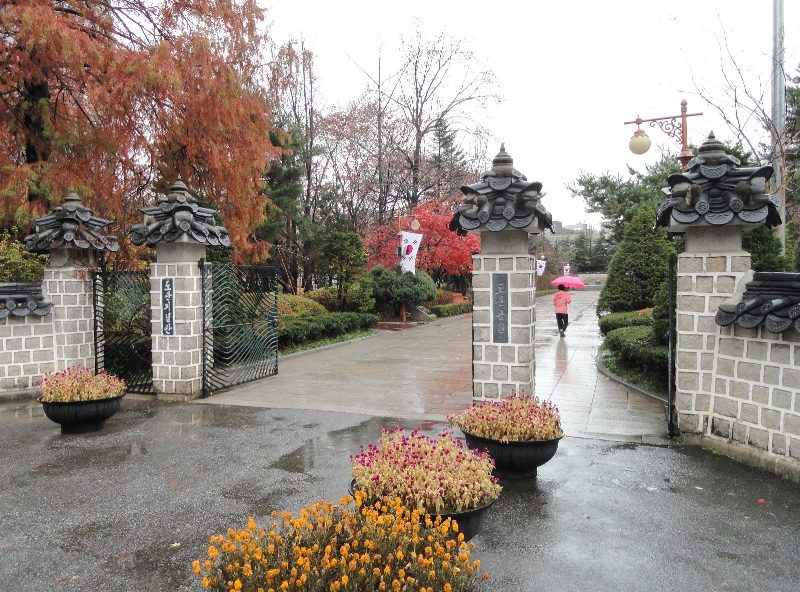
Museum of Korean Embroidery
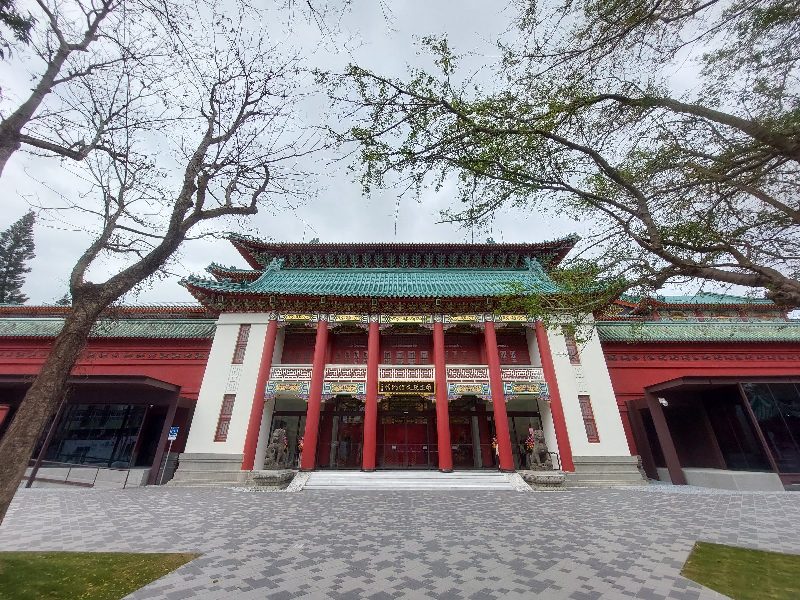
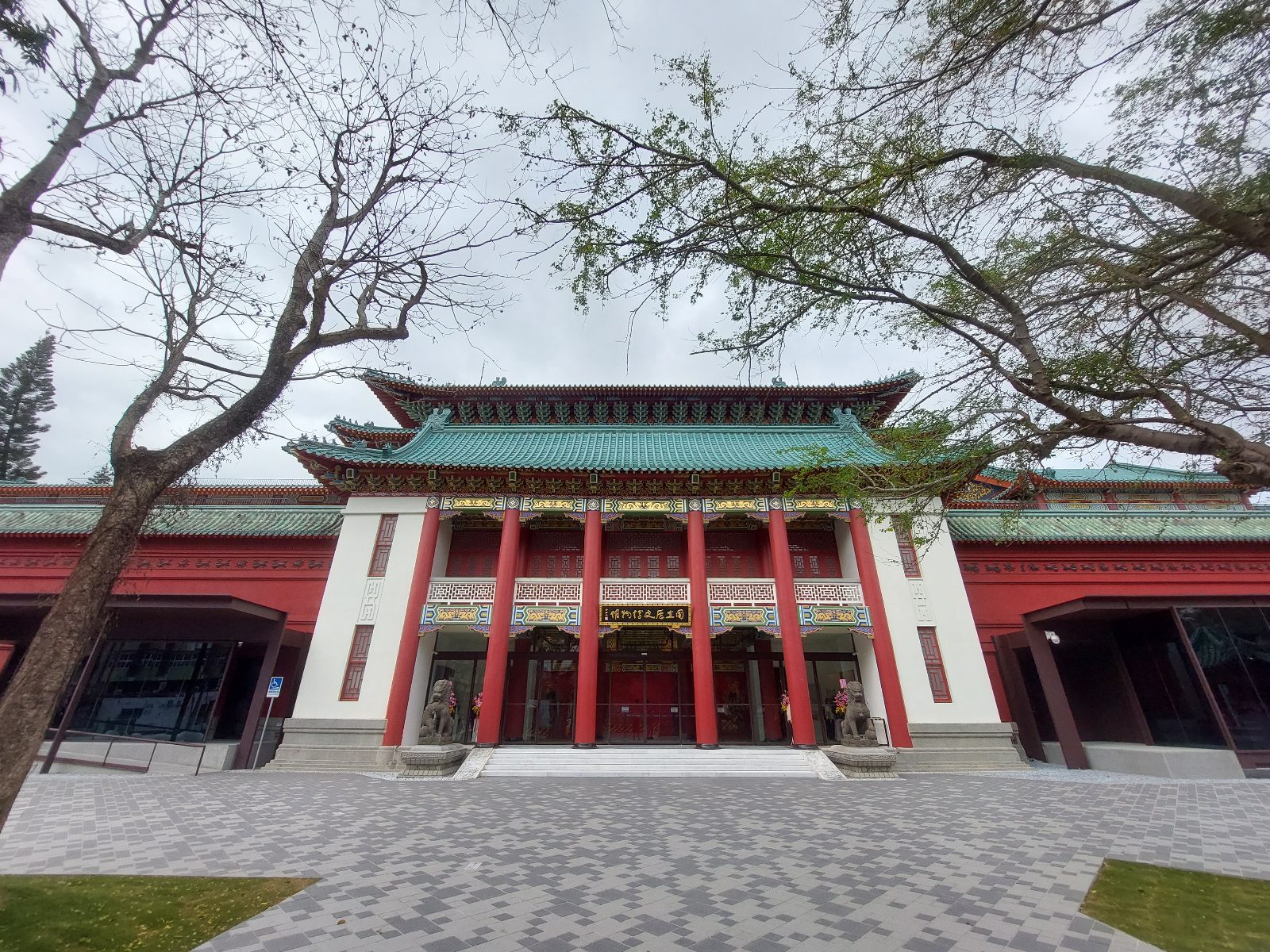
Image source: Wikimedia Commons; license credits as shown.
Overview
The Museum of Korean Embroidery is a thematic museum located in the Gangnam District of Seoul, dedicated to the collection and display of traditional Korean embroidery art. The museum primarily features private collections gathered since the 1960s, including traditional clothing, folding screens, and household textiles, showcasing the exquisite and delicate embroidery culture of both the royal court and the common people since the Joseon Dynasty. Although the museum is not large, its focused content is ideal for travelers interested in hanbok, traditional patterns, and fiber arts to appreciate in detail.
Getting There
The most convenient way to reach the Museum of Korean Embroidery is to take the Seoul Metro to the Gangnam area and then walk to the museum, typically about a 10 to 15-minute walk from the Heukseok Station or Yeongdeungpo Station on Line 7 or Line 9. Most independent travelers will base themselves around Gangnam Station or Samseong Station and then transfer to the subway or take a taxi to the museum.
Highlights
The Museum of Korean Embroidery is a small specialized museum focused on traditional Korean embroidery, emphasizing exquisite and beautiful collections rather than size. The collection originates from the director's private collection started in the 1960s, officially opening in 1976, and has accumulated thousands of items including clothing, embroidered folding screens, and various textile artifacts, fully presenting the diverse uses of Korean embroidery in court, weddings, and daily life. The exhibits mainly feature works from the Joseon Dynasty and modern times, with vibrant colors and intricate compositions, often showcasing traditional patterns symbolizing good fortune, wealth, and descendants, making it an important window into understanding hanbok and court aesthetics. Some periods may also feature themed exhibitions, embroidery experiences, or guided tours, allowing visitors to learn about this intangible cultural heritage up close.
What to See
Although the Museum of Korean Embroidery is not large, it has a clear layout, with exhibition rooms divided by themes and uses, making it easy to focus on the details. Key highlights include: 1. Traditional Embroidered Folding Screens: A collection of several folding screens themed around floral, bird, landscape, and longevity patterns, with rich color layers that allow for close observation of Korea's unique embroidery techniques and compositions. 2. Hanbok and Ceremony Dress Embroidery: Displays of ceremonial clothing such as wedding dresses and children's first birthday outfits, with exquisite embroidery details on cuffs, collars, and hems, showcasing differences in attire based on social status and rituals. 3. Household Textiles and Small Items: Including embroidered items like pillowcases, bed covers, money pouches, and sachets, reflecting the traditional family's habit of embedding blessings and aesthetics into everyday items. 4. Catalogs and Research Materials: The museum often displays related publications and catalogs that organize embroidery patterns, dates, and techniques, particularly useful for researchers in design, fashion, and crafts.
Hours & Admission
The Museum of Korean Embroidery is a private museum, and its opening hours and visiting methods may vary depending on exhibitions or operational conditions. It is recommended to check the latest information before visiting or confirm via phone or email. Most travel information websites list it as a 'reservation required' or 'limited opening days' attraction, and during certain times, it may only accept groups or reserved visitors. Regarding ticket prices, most Chinese and Korean travel materials indicate that the fees are relatively low, and certain periods or specific visitors (such as students or researchers) may enjoy discounts, with free special exhibitions or event days also possible. Due to limited updates on official information, actual opening hours and ticket prices should be confirmed on-site.
Address
The Museum of Korean Embroidery is located in the Gangnam District of Seoul, near several office buildings and residential areas, making it a relatively quiet cultural corner in Gangnam. Different travel websites may slightly vary in the detailed address, but they consistently indicate its location near the main roads of Gangnam District, within walking distance to the subway station. Most taxi drivers can recognize the name 'Museum of Korean Embroidery' when requested. Since the museum's information is relatively concise, it is advisable for travelers to search for 'Museum of Korean Embroidery' on the latest online maps to confirm the correct address and entrance location before departure.
Travel Tips
The best way to visit the Museum of Korean Embroidery is to arrange it on the same day as your itinerary in the Gangnam or Samseong area, combining it with attractions like COEX, the Tree-lined Avenue, or Sinsa-dong. The museum is not large, and a typical visit lasts about 30 minutes to 1 hour; if you are particularly interested in traditional clothing or pattern design, you may want to allocate more time to closely examine the stitches and compositions. Most exhibition halls discourage the use of flash photography, and some artifact areas may completely prohibit photography, so it is recommended to follow on-site signs and staff instructions. There are many restaurants and cafes around the museum, making it easy to find food and rest, making it a great choice for indoor cultural activities on rainy or hot days. Since opening hours may occasionally change, especially during consecutive holidays or special exhibition transitions, confirming the latest information before departure can reduce the risk of disappointment.
Nearby Dining
The area surrounding the Museum of Korean Embroidery is a mixed business and residential zone in Gangnam, with several cafes, Korean family restaurants, and casual dining options within walking distance, making it convenient for meals before or after your visit. Gangnam is home to many chain coffee brands and unique cafes, suitable for organizing inspiration with notes or photos after your visit. If you want to taste more representative Korean cuisine, you can head towards Gangnam Station or Sinsa Station, where there are many barbecue restaurants, budae jjigae (army stew), bibimbap, and traditional Korean set meal restaurants, offering a rich variety of dinner options. Travelers who enjoy desserts and light meals can also find popular pastry shops and brunch cafes around COEX or Apgujeong, creating a day of culinary and cultural exploration alongside the embroidery museum visit.
FAQ
Q: What does the Museum of Korean Embroidery mainly exhibit? A: The Museum of Korean Embroidery mainly exhibits clothing, folding screens, and household textile artifacts related to traditional Korean embroidery. The collection primarily consists of private collections gathered since the 1960s, covering wedding dresses, hanbok, embroidered folding screens, pillowcases, sachets, etc., focusing on the aesthetics and techniques of embroidery from the Joseon Dynasty and modern times. Q: Is a reservation required for the Museum of Korean Embroidery? A: The Museum of Korean Embroidery generally operates with flexible opening hours or requires reservations during certain times. Most travel websites and blogs mention that the museum may limit the number of visitors allowed at the same time or prioritize reservations and groups, so it is advisable to confirm whether a reservation is needed before visiting through official contact methods or the latest travel information. Q: Is the Museum of Korean Embroidery easy to explore? How long should I stay? A: The Museum of Korean Embroidery is not large but has exquisite content, and most visitors can complete their visit in about 30 minutes to 1 hour. Those particularly interested in embroidery, clothing design, or pattern research may find it suitable to stay for 1 to 2 hours if they take their time to appreciate the stitches and compositions of each piece. Q: Does the Museum of Korean Embroidery offer experience activities? A: The Museum of Korean Embroidery periodically offers experience courses and guided activities related to traditional Korean embroidery. Some travel platforms mention that the museum has provided activities such as wearing traditional clothing for photos or simple embroidery experiences, but the details and whether they are regularly held should be confirmed according to the current announcements. Q: How do I get to the Museum of Korean Embroidery? A: To get to the Museum of Korean Embroidery, you typically take the Seoul Metro to the Gangnam area and then walk for about 10 to 15 minutes. Travelers often choose to get off at Gangnam, Heukseok, or Yeongdeungpo stations and navigate to the museum using their mobile maps; if carrying luggage or unfamiliar with the route, you can also take a taxi from Gangnam Station and simply say 'Museum of Korean Embroidery.' Q: Is the Museum of Korean Embroidery suitable for family visits? A: The Museum of Korean Embroidery primarily features static exhibitions, making it suitable for families with children who are interested in clothing and traditional culture and can visit quietly. The museum space is not large, and the exhibits are mostly delicate artifacts, so parents should be mindful of accompanying children to avoid touching the exhibits or running, to ensure the safety of other visitors and the artifacts.