Former German Consulate in Qingdao
China · Shandong · Qingdao · Shinan District · Landmarks
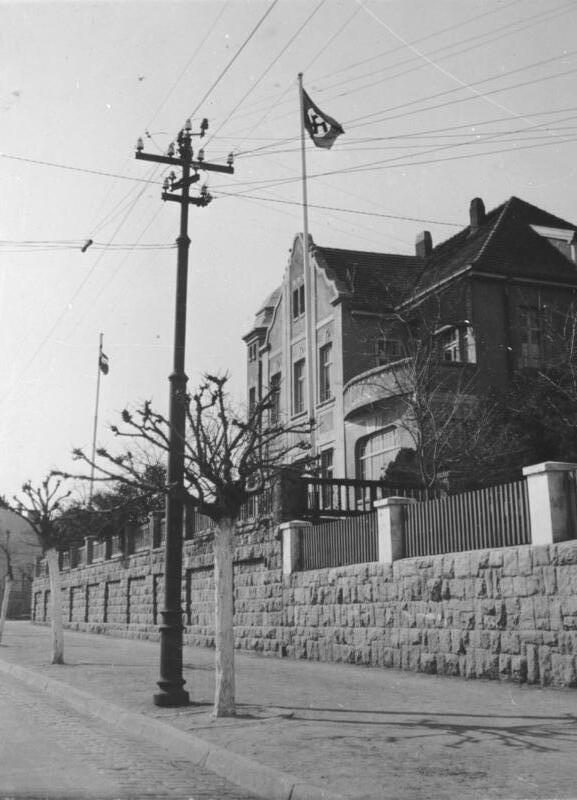
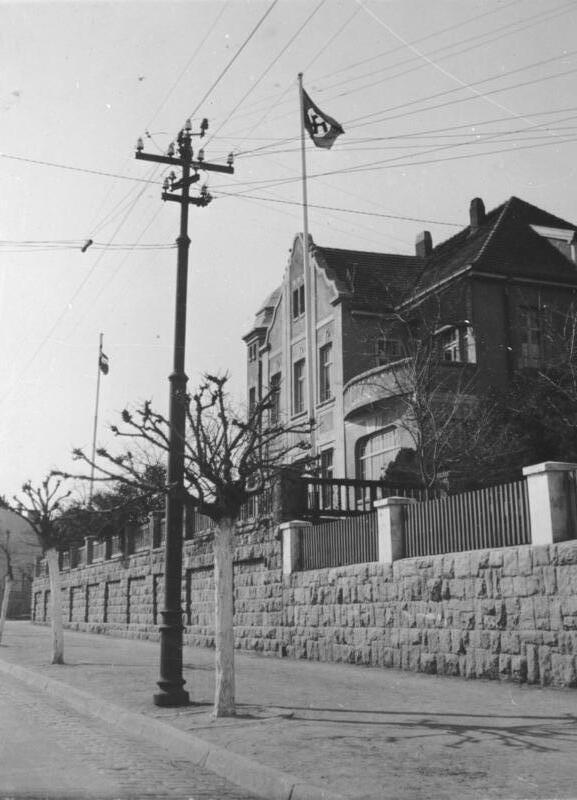
Image source: Wikimedia Commons; license credits as shown.
Overview
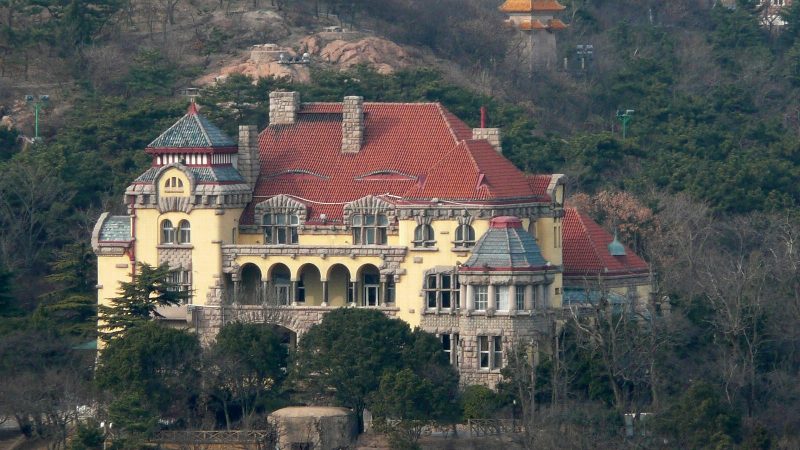
The Former German Consulate in Qingdao is a historical building constructed during the German occupation, located at the northeast corner of the intersection of Qingdao Road and Guangxi Road in the Shinan District of Qingdao, Shandong Province. It is now part of the nationally designated key cultural heritage site known as the 'Qingdao German Architectural Complex.' The building was originally built around 1912 as a private residence for the Zimmermann family, who were Russian or German expatriates, and was officially designated as the consulate by the German government in 1926. The structure is a two-story brick, stone, and wood building with an attic and basement, featuring an octagonal spire tower at the corner and a rounded corner facade, showcasing an elegant style rich in German characteristics. Today, the building serves as office space for the Qingdao Municipal Political Consultative Conference and is not regularly open for internal visits by the general public, but its exterior remains an important landmark among the European-style old buildings in the Zhongshan Road and Guanhai Mountain area.
Getting There
The most convenient way to reach the Former German Consulate in Qingdao is to take a bus to a stop near 'Qingdao Road' or 'Guangxi Road' in the city, and then walk about 5-10 minutes to the building located at the northeast corner of Qingdao Road No. 1. Alternatively, visitors can walk uphill from the subway stations 'Zhongshan Road' or 'Qingdao Bay' to the southern foothills of Guanhai Mountain, passing by other historical buildings such as the former Governor's Office of Jiaozhou.
Highlights
The most distinctive feature of the Former German Consulate in Qingdao is its corner facade with an octagonal spire tower and the red-tiled yellow wall exterior, which reflects the architectural aesthetics and techniques of early 20th-century Germany in Qingdao. Originally a high-end residence for expatriates, it later became a consulate, witnessing Qingdao's modern history from a German leased territory to a city with alternating foreign powers. As part of the 'Qingdao German Architectural Complex,' this site, along with the nearby former Governor's Office of Jiaozhou and the original German police station, constitutes a famous European-style historical area in Qingdao. Although the building is primarily used as an office for the Qingdao Municipal Political Consultative Conference, its exterior is still open to the street, making it an important scene for capturing the charm of old Qingdao and understanding the city's memories.
What to See
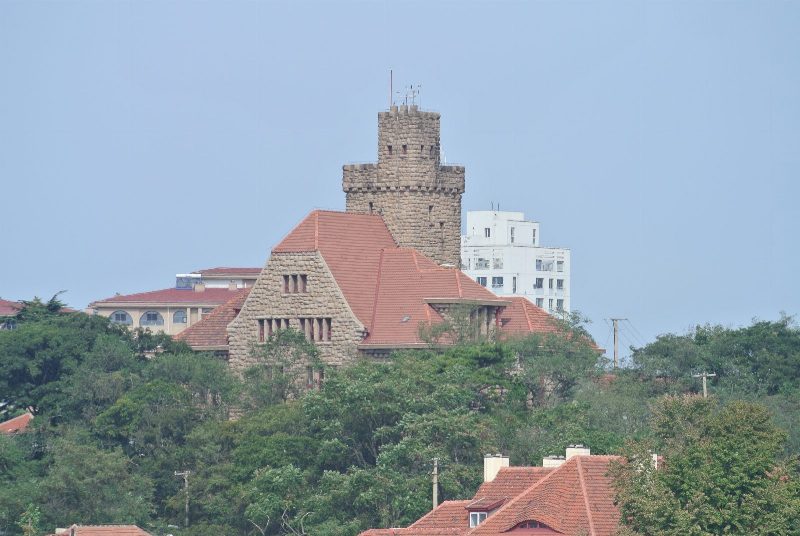
The main building of the Former German Consulate in Qingdao is a two-story structure made of brick, stone, and wood, featuring an attic and basement, with a slightly irregular floor plan that is compact yet rich in layers. The circular corner volume is located at the street corner, topped with an octagonal spire tower that serves as a visual focal point and is the most recognizable part of the building. The main entrance on the south side is framed by a rugged 'mushroom stone' semi-circular arch, complemented by a heavy stone base, creating a solid and dignified German public building atmosphere. The gables on both sides feature asymmetrical designs, with details such as red-tiled sloped roofs, dormer windows, and stone chimneys, giving the overall structure a warm feel of a high-end residence while maintaining the formal atmosphere of a consulate office space. The building is situated at the northeast corner of the intersection of Qingdao Road and Guangxi Road, with a moderate window-to-wall ratio on the street facade, contributing to the typical 'red tiles, green trees, blue sea, and blue sky' urban landscape of Qingdao.
Hours & Admission
The Former German Consulate in Qingdao is currently used as office space for the Qingdao Municipal Political Consultative Conference and is generally not open to the public for interior visits. Visitors can walk and take photos around the building's exterior during the day without needing an admission ticket, but they must adhere to relevant management regulations and avoid noise or entering office areas. If there are any new public opening plans or temporary exhibitions, they are usually announced by the Qingdao cultural or governmental departments, so it is advisable to check local official information before visiting.
Address
No. 1 Qingdao Road, Shinan District, Qingdao, Shandong Province, China (northeast corner of the intersection of Qingdao Road and Guangxi Road), near the former Governor's Office of Jiaozhou and the historical building area of Guanhai Mountain.
Travel Tips
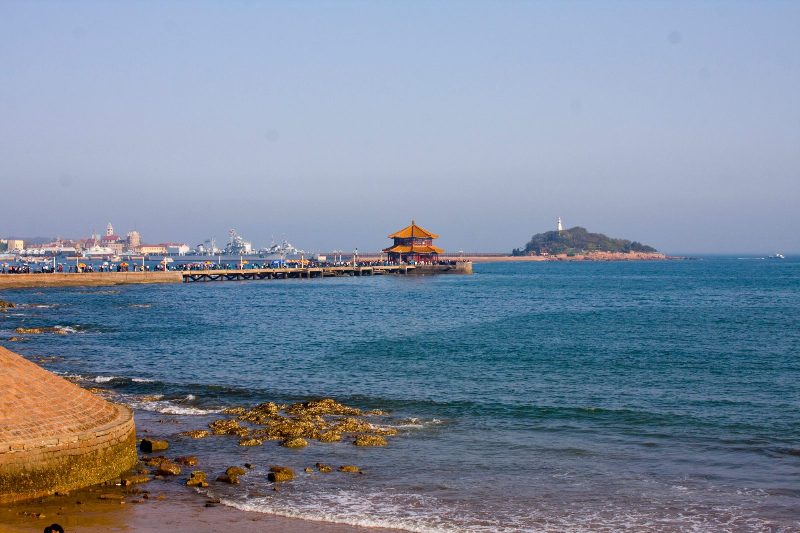
It is recommended to arrange a visit to the Former German Consulate in Qingdao while exploring the walking route around Zhongshan Road, Guanhai Mountain, and the Zhanqiao area, combining it with visits to the former Governor's Office of Jiaozhou and the original German police station for a 'German Architecture Tour' half-day itinerary. Qingdao experiences distinct coastal monsoons, with cool and clear weather in spring and autumn, making it ideal for walking and photography; summer sees more tourists but the sea breeze is refreshing, while winter can be cold and windy, so it is advisable to dress warmly and protect against the wind when photographing the exterior. As the building is used for office purposes, visitors should take photos from the front or sidewalk, avoid lingering in the entrance or disrupting personnel, and respect the office's peace. The surrounding area has many slopes, so wearing comfortable walking shoes is recommended, and since many old streets nearby are one-way or narrow, it is advisable to park in public parking lots around Zhongshan Road and walk to the site.
Nearby Dining
The Former German Consulate in Qingdao is close to the Zhongshan Road shopping district and the Zhanqiao and Guanhai Mountain areas, where there are numerous local snacks and well-established restaurants offering Jiaodong seafood and home-style dishes. Visitors can find Shandong cuisine and seafood restaurants around Zhongshan Road and Pichaiyuan, enjoying classic Qingdao flavors such as spicy stir-fried clams, steamed scallops, and clam soup, before walking uphill to the consulate site, creating a day itinerary that combines food and a stroll through the old city. For those who prefer coffee and light meals, there are also cafes and small bars converted from old houses scattered around Guanhai Mountain and nearby historical districts, where visitors can sit down after exploring the old buildings and experience the continental atmosphere of old Qingdao.
FAQ
Q: Can I visit the Former German Consulate in Qingdao? a: The Former German Consulate in Qingdao is currently mainly used as office space for the Qingdao Municipal Political Consultative Conference and is generally not open for indoor visits by the public, allowing only external appreciation and photography. During certain special festivals or cultural events, if the interior is open or exhibitions are held, announcements will typically be made by relevant Qingdao departments, so it is advisable to check local official information before visiting. q: What is the exact address of the Former German Consulate in Qingdao? a: The Former German Consulate in Qingdao is located at No. 1 Qingdao Road, Shinan District, Qingdao, at the northeast corner of the intersection of Qingdao Road and Guangxi Road, near the former Governor's Office of Jiaozhou and the historical district of Guanhai Mountain. It takes about 10-20 minutes to walk from Zhongshan Road or Zhanqiao, allowing visitors to appreciate several old German-style buildings along the way. q: Is it convenient to get to the Former German Consulate in Qingdao? a: It is relatively convenient to reach the Former German Consulate in Qingdao; visitors can take a city bus to a stop near Qingdao Road or Guangxi Road and then walk about 5-10 minutes to No. 1 Qingdao Road. If taking the subway, visitors can get off at stations near Zhongshan Road or Qingdao Bay and walk uphill to Guanhai Mountain's southern foothills, making it advisable to arrange a walking-oriented itinerary that includes nearby attractions. q: Is there an admission fee for the Former German Consulate in Qingdao? a: The Former German Consulate in Qingdao is currently an office building and not a permanently open museum, so there is no admission fee for exterior visits. If there are future short-term exhibitions or open events, the admission fee and visiting methods will be announced separately by the organizers, and visitors should follow official instructions at that time. q: How much time should I allocate for visiting the Former German Consulate in Qingdao? a: If you only plan to take photos and observe the building's exterior, about 15-30 minutes is sufficient. If you plan to combine visits to the former Governor's Office of Jiaozhou, Guanhai Mountain Park, and the old streets of Zhongshan Road, it is advisable to allocate half a day to a full day for a more leisurely experience.