
Explore Landmarks
Curated travel attractions — browse by region or category.
Qingxu Temple
平遙縣 · Landmarks
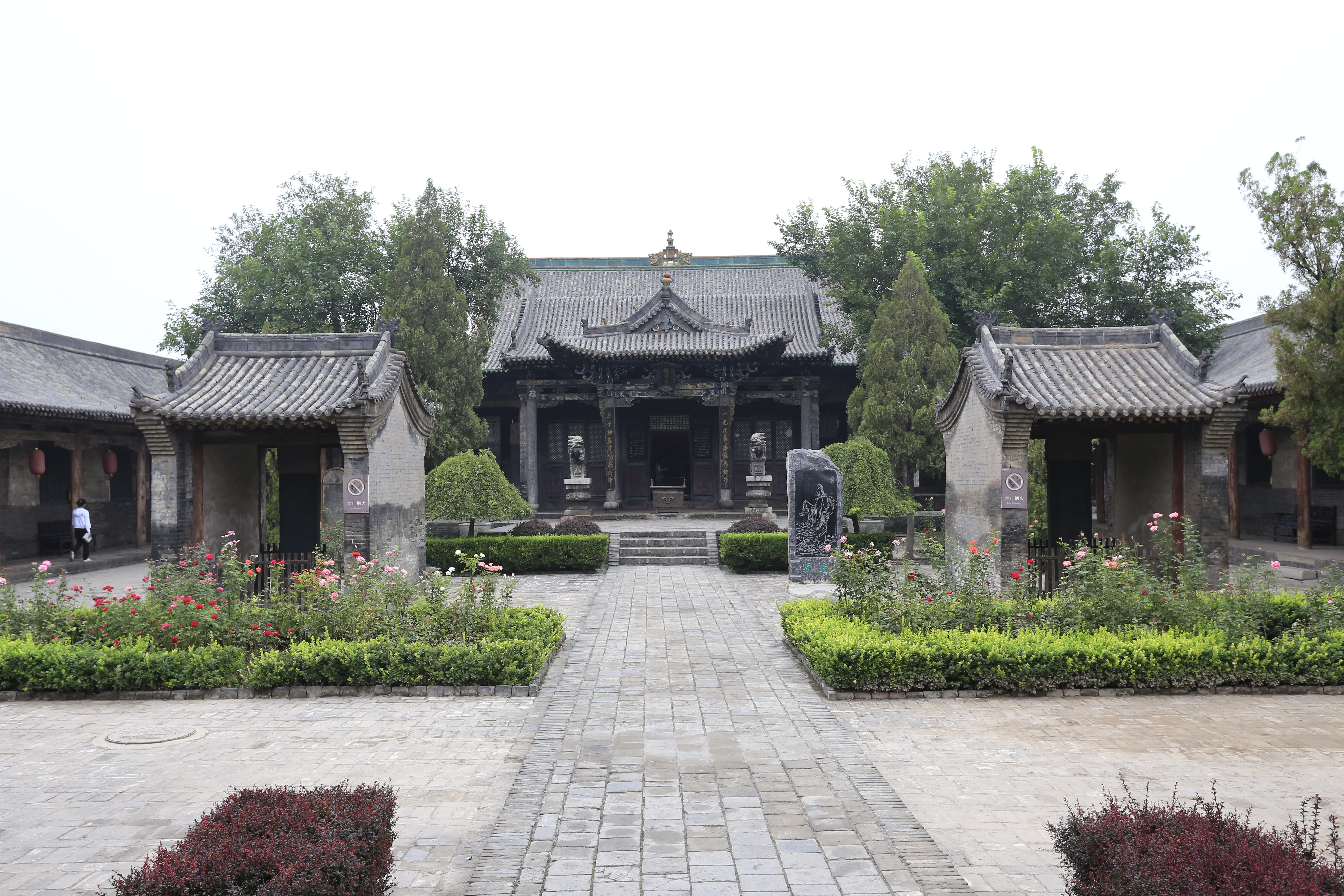
Qingxu Temple is a large Taoist architectural complex located on East Street in Pingyao Ancient City, Shanxi Province, and is also the site of the Pingyao County Museum. It is the largest Taoist temple within the ancient city. The construction began in the second year of the Tang Dynasty's Xianqing era (657 AD) and has undergone multiple renovations and name changes throughout the Song, Jin, Yuan, Ming, and Qing Dynasties. The existing structures mainly date back to the Yuan, Ming, and Qing Dynasties and have been designated as a national key cultural relic protection unit. The temple is situated on the north side of East Street, following the traditional layout of 'Taoism in the East and Buddhism in the West', with a north-south orientation and a three-courtyard layout. The archway, mountain gate, and halls are arranged in a complete sequence, combining a religious atmosphere with the functions of a museum.
Pingyao Catholic Church
CN · Landmarks
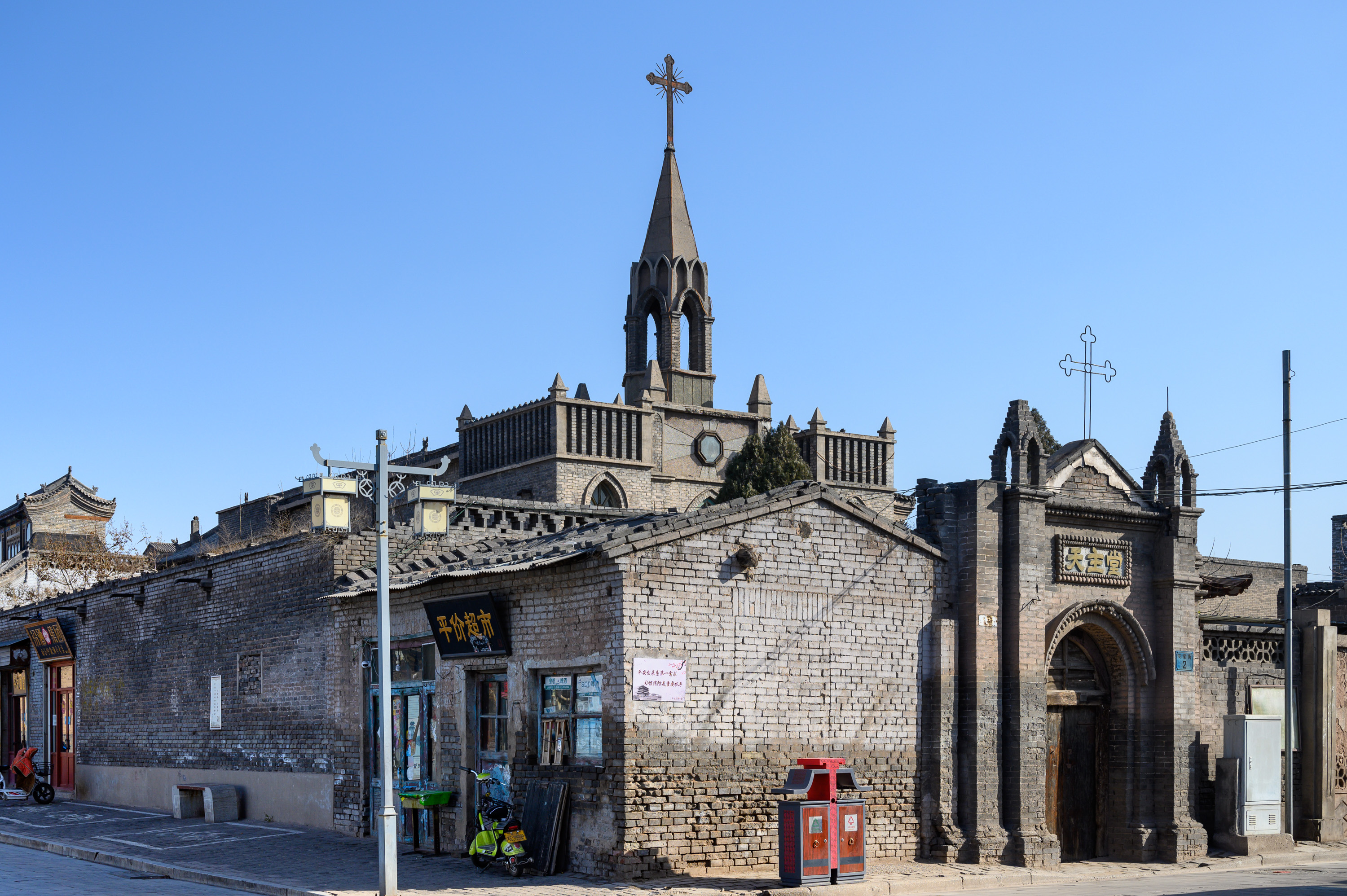
Pingyao Catholic Church is a Catholic church located at the southeastern corner of Pingyao Ancient City in Pingyao County, Jinzhong City, Shanxi Province. It is one of the few Western-style religious landmarks within the ancient city. The church was originally built in the second year of the Qing Dynasty's Xuantong period (1910) on the site of a temple, but was destroyed during the Cultural Revolution. The existing building was rebuilt in 1984, blending modern Chinese and Western styles. The church is situated on Anjia Street, with a simple yet exotic appearance, making it a quiet corner worth visiting while strolling through Pingyao Ancient City.
Sanyuanli Anti-British Site
廣州市 · Landmarks
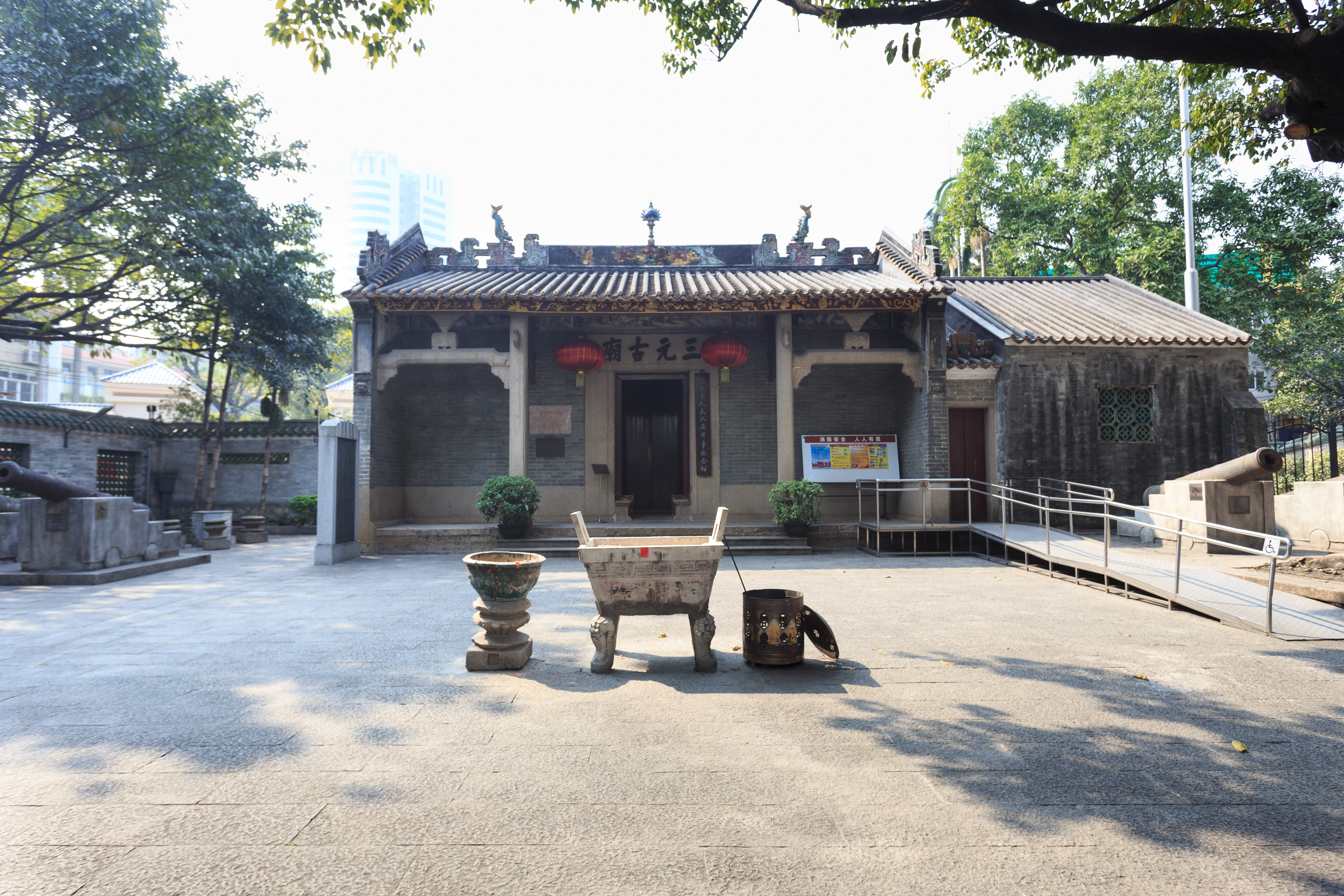
The Sanyuanli Anti-British Site is located at No. 34 Guangyuan Middle Road, Sanyuanli Street, Baiyun District, Guangzhou, Guangdong Province. It commemorates the important site of the Sanyuanli people's resistance against the British during the First Opium War. The site was originally the Beidi Temple built in the early Qing Dynasty and is now the Sanyuanli People's Anti-British Memorial Hall, which is also a key national cultural relic protection unit.