
Houcuo Longfeng Temple
Taiwan · Miaoli County · Zhunan Township · Temples & Shrines

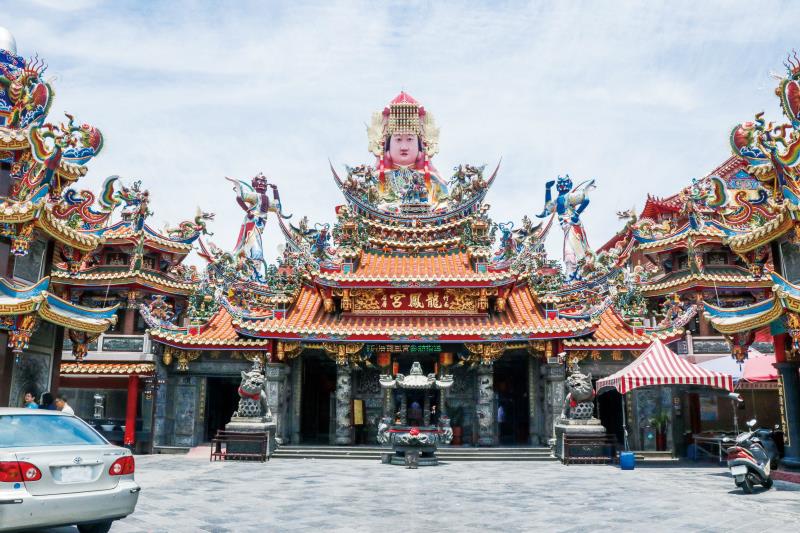
Image source: Taiwan_Opendata; license credits as shown.
Overview
The 'Longfeng Temple' offers a beautiful journey through religion and art! Officially established in the 16th year of the Daoguang era (1836), it is primarily dedicated to the Heavenly Mother and is renowned for its vibrant incense offerings. Together with the Zhonggang Ciyu Temple, it is known as the 'Inner and Outer Mazu', with Ciyu Temple referred to as the 'Inner Mazu' and Longfeng Temple as the 'Outer Mazu'. This historically rich temple can be considered a treasure trove! The most notable feature of the temple architecture is the magnificent 136-foot tall statue of Mazu, approximately 12 stories high. On clear days, visitors can enjoy a breathtaking view of the expansive Taiwan Strait from the top of the statue. The colorful decorations of cut tiles and glazed pottery, along with the intricate craftsmanship of the coffered ceilings, ceilings, brackets, and stone carvings, showcase the pinnacle of temple architectural art! Longfeng Temple also houses many ancient plaques and artifacts over a hundred years old, including the 'Stone Incense Burner from the Daoguang Era', 'Bronze Incense Burner from the Xuande Era of the Ming Dynasty', 'Gourd-shaped Divination Sticks', and the ancient well 'Longquan Well', which are treasures of the temple worth appreciating.
Getting There
By car: 1. National Highway No. 1: Exit at the Toufen Interchange - Zhonghua Road - Zixing Road - Shoufa Street - Minsheng Street - turn onto Longshan Road heading north - you will arrive at Houcuo Longfeng Temple. 2. National Highway No. 3: Exit at the Xiangshan Interchange - Taiwan Route 13 - Zhunan City - Longshan Road - you will arrive at Houcuo Longfeng Temple.
Highlights
Houcuo Longfeng Temple is a temple that integrates Mazu worship, traditional architecture, and large-scale religious art, and is an important 'Outer Mazu' faith center in the Zhunan area. The temple primarily worships the Heavenly Mother and, together with Zhonggang Ciyu Temple, is known as the 'Inner and Outer Mazu', with vibrant incense offerings showcasing the coastal residents' reverence for the sea deity. The most representative landmark is the towering 136-foot giant statue of Mazu, which offers a magnificent view of the Taiwan Strait from its high platform, making it a popular spot for tourists to take photos and find peace. The main structure is adorned with colorful cut tiles, glazed pottery, coffered ceilings, brackets, and stone carvings, with exquisite details that make it a living museum of religious art. The temple also treasures many ancient plaques and artifacts over a hundred years old, such as the stone incense burner from the Daoguang era, the bronze incense burner from the Xuande era of the Ming Dynasty, the gourd-shaped divination sticks, and the ancient Longquan Well, which is of equal age to the temple, making it highly attractive to history and artifact enthusiasts.
What to See
1. 136-foot Giant Mazu Statue: The most striking feature of Houcuo Longfeng Temple is the approximately twelve-story tall seated statue of the Heavenly Mother, regarded as the temple's treasure and a local landmark. On clear days, visitors can ascend to the high platform of the statue for a panoramic view of the Taiwan Strait and coastal scenery, making it ideal for photography and peaceful prayer. 2. Main Hall and Temple Complex: The main hall is dedicated to the Heavenly Mother and houses many deities, showcasing the diversity of local beliefs. The roof features red tiles, swallowtails, and dragon and phoenix reliefs, complemented by vibrant cut tiles. The spacious temple courtyard serves as the main venue for festivals and incense offerings, bustling with activity during important celebrations and holidays. 3. Cut Tile and Glazed Pottery Decorations: The walls and roof ridges of the temple are adorned with colorful cut tiles and glazed pottery depicting figures, flowers, birds, and mythological stories, with smooth lines and intricate compositions that showcase the superb craftsmanship of traditional artisans. Visitors can leisurely walk around the temple's outer walls and corridors to closely observe each story scene and divine figure. 4. Coffered Ceilings, Ceilings, and Bracket Structures: Looking up inside the hall, one can see layers of wooden coffered ceilings, painted ceilings, and intricate brackets, combining structural function with decorative beauty. The strong color contrasts are not chaotic, exuding the solemn atmosphere of traditional palace-style temples, making it a must-see corner for photography and architecture enthusiasts. 5. Stone Carvings and Dragon Column Details: At the temple entrance and along the corridor, dragon columns, stone lions, and various reliefs can be seen, featuring diverse themes from traditional auspicious patterns to historical stories. The carving work is distinct in depth and rich in layers, suitable for close appreciation to feel the skills and compositions of the stone carvers. 6. Stone Incense Burner from the Daoguang Era: This stone incense burner dates back to the Daoguang era and is one of the important antique artifacts in the temple. Its simple yet ancient design carries the long-standing wishes and incense offerings of local residents, symbolizing the study of temple history and local beliefs. 7. Bronze Incense Burner from the Xuande Era of the Ming Dynasty: The bronze incense burner from the Xuande era, treasured in the temple, is a rare antique representing early faith exchanges and cultural transmission. Its elegant shape and stable bronze quality make it one of the temple's treasures, worth closely observing its patterns and craftsmanship. 8. Gourd-shaped Divination Sticks and Divination Culture: The gourd-shaped divination sticks, long passed down at Houcuo Longfeng Temple, are unique artifacts for seeking guidance. Devotees can seek advice on life, health, and career through divination, and the gourd-shaped divination tube itself has become a major attraction due to its unique shape. 9. Longquan Ancient Well: The Longquan Well, which is of the same age as the temple, is an important relic witnessing the historical development of Houcuo Longfeng Temple. It is said that the well water is pure and is regarded as a source of good fortune. Although it is now mostly a historical symbol, it still attracts many visitors to explore its features.
Hours & Admission
Opening hours: Open daily
Address
No. 69, Long'an St., Zhunan Township, Miaoli County 350 Phone: (037)464620
Travel Tips
When visiting Houcuo Longfeng Temple, it is recommended to include it as one of the key attractions in a day or half-day trip along the coast of Zhunan and Miaoli, and to connect with nearby ports and tourist factories. The best time to visit is during seasons with stable weather and clear visibility, such as spring, autumn, or sunny winter days, as it is easier to enjoy the view of the Taiwan Strait from the high platform. In summer, the midday sun can be intense, so special attention should be paid to sun protection and hydration. The temple grounds mainly consist of stone slabs and stairways, so it is advisable to wear comfortable walking shoes and reserve energy to climb to the high floors to appreciate the giant Mazu statue and sea views. When worshipping, it is recommended to prepare general offerings of incense, fruits, and joss paper, following the temple's guidance for worship. If unfamiliar with the process, one can inquire at the service desk or incense shop. As an important local faith center, visitors should respect the devotees and worship space when taking photos, avoiding noise and climbing on statues or railings. During important festivals and celebrations related to Mazu, crowds may be larger, and parking may be tight, so it is advisable to arrive early or comply with the temple's traffic control. On rainy days, the temple's walkways may be slightly slippery, so carrying rain gear and being cautious is advised, and elderly visitors and children may need assistance. For those wishing to learn more about the temple's history and artifacts, it is best to check for guided information in advance or pay attention to on-site signage, taking time to explore the flow of the visit for a more rewarding experience.
Nearby Dining
Houcuo Longfeng Temple is located in Zhunan Township, surrounded by local snacks and coastal flavor restaurants, making it convenient to find food before or after worship. Visitors can pay attention to traditional snack shops, noodle shops, and breakfast places in nearby neighborhoods to experience the local daily dining atmosphere, and can also explore more diverse Hakka and seafood cuisine options in Zhunan City. If planning a day trip to Zhunan, Toufen, or Miaoli City, dining can also be arranged in other urban areas or near tourist attractions before returning to Houcuo Longfeng Temple for worship or a stroll.
FAQ
Q: What are the religious and historical features of Houcuo Longfeng Temple? A: Houcuo Longfeng Temple is a Mazu temple established during the Daoguang era, primarily dedicated to the Heavenly Mother, and is an important faith center in the coastal area of Zhunan, known as the 'Inner and Outer Mazu' together with Zhonggang Ciyu Temple. The temple has a long history, inherited from early immigrants' reverence for the sea protector, with vibrant incense offerings representing local residents' prayers for fishing and shipping safety. The architectural style combines traditional Minnan temple layout with a large Mazu statue, reflecting the evolution and expansion of faith over time. The temple treasures many artifacts from the Qing Dynasty and earlier, such as stone incense burners, bronze burners, and ancient wells, allowing visitors to glimpse the local history and faith stories of Zhunan while worshipping. Q: What are the must-see highlights when visiting Houcuo Longfeng Temple? A: The must-see highlights at Houcuo Longfeng Temple include the towering 136-foot giant Mazu statue and the panoramic view of the Taiwan Strait and coastal scenery from the high platform. Inside the temple, it is recommended to look up and admire the coffered ceilings, ceilings, and brackets, as well as the cut tile and glazed pottery decorations on the roof and walls, which are the essence of traditional architectural art. For those interested in history and artifacts, pay attention to the stone incense burner from the Daoguang era, the bronze incense burner from the Xuande era of the Ming Dynasty, the gourd-shaped divination sticks, and the ancient Longquan Well, which are considered treasures of the temple, showcasing the cultural heritage accumulated over hundreds of years. Q: What etiquette and clothing should be observed when visiting Houcuo Longfeng Temple? A: It is recommended to dress modestly and avoid overly revealing clothing when visiting Houcuo Longfeng Temple, to show respect for the deities and local devotees. Upon entering the hall, visitors can tidy up their appearance, and hats and sunglasses can be removed appropriately. When taking photos, avoid capturing close-up shots of worshippers in the act of praying. Visitors should follow the principle of not disturbing worship activities while walking, avoiding loud conversations or eating in front of the deities, and refraining from leaning on or touching the deities, offering tables, and ancient artifacts. If wishing to light incense, joss paper, and offerings, it is advisable to inquire about the process at the service desk or incense shop; visitors unfamiliar with the worship sequence can follow on-site guidance or signage without feeling pressured. Q: Is Houcuo Longfeng Temple suitable for families with children or elderly visitors? A: Houcuo Longfeng Temple is suitable for families with children and elderly visitors, but attention should be paid to safety when navigating stairs and high platforms. The temple courtyard and some indoor spaces are flat, allowing elderly visitors to worship and rest on the first floor, and if physically able, they can consider ascending to visit the higher floors and the Mazu statue. For family trips, the temple's introduction and architectural details can be used to introduce children to the story of Mazu and traditional crafts, fostering interest in local culture. At the same time, it is important to ensure that children do not run, climb railings, or statues in the temple area, and to respect the atmosphere of the religious space to ensure a safe and enjoyable visit.