
Explore Taiwan
Curated travel attractions — browse by region or category.
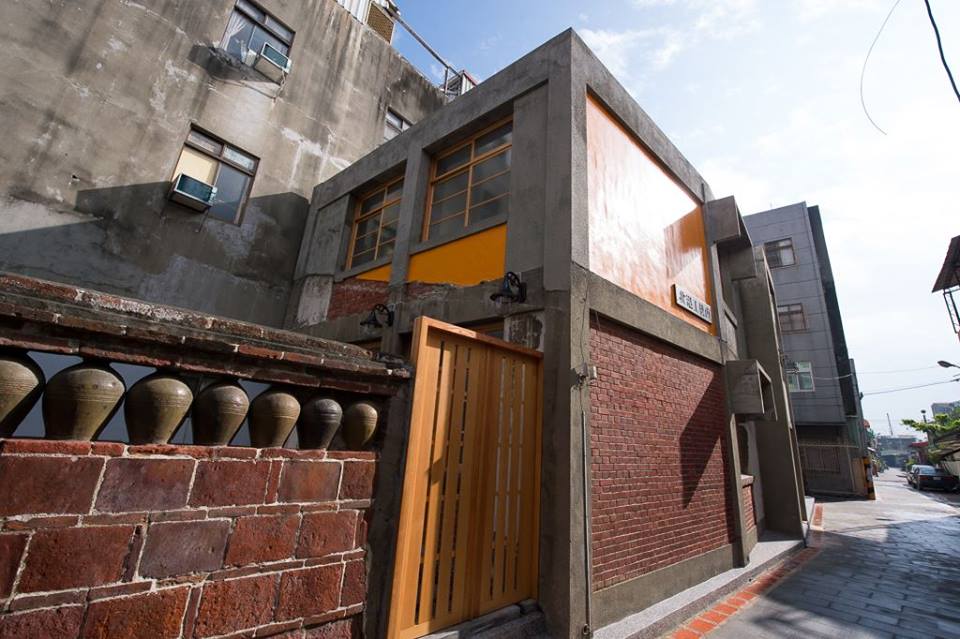
Beigang Craft Workshop
Beigang · Culture & Arts
A century-old craft town with hidden alleyway culture. Once the former dormitory of the tax branch office, it is now the Beigang Township Craft Industry Center, known as a century-old artisan town. Nearby stands the bottle wall made from wine jars and red bricks, and the site brings together local cultural historians and traditional craft industries, revealing delightful alleyway culture throughout Beigang’s downtown area.
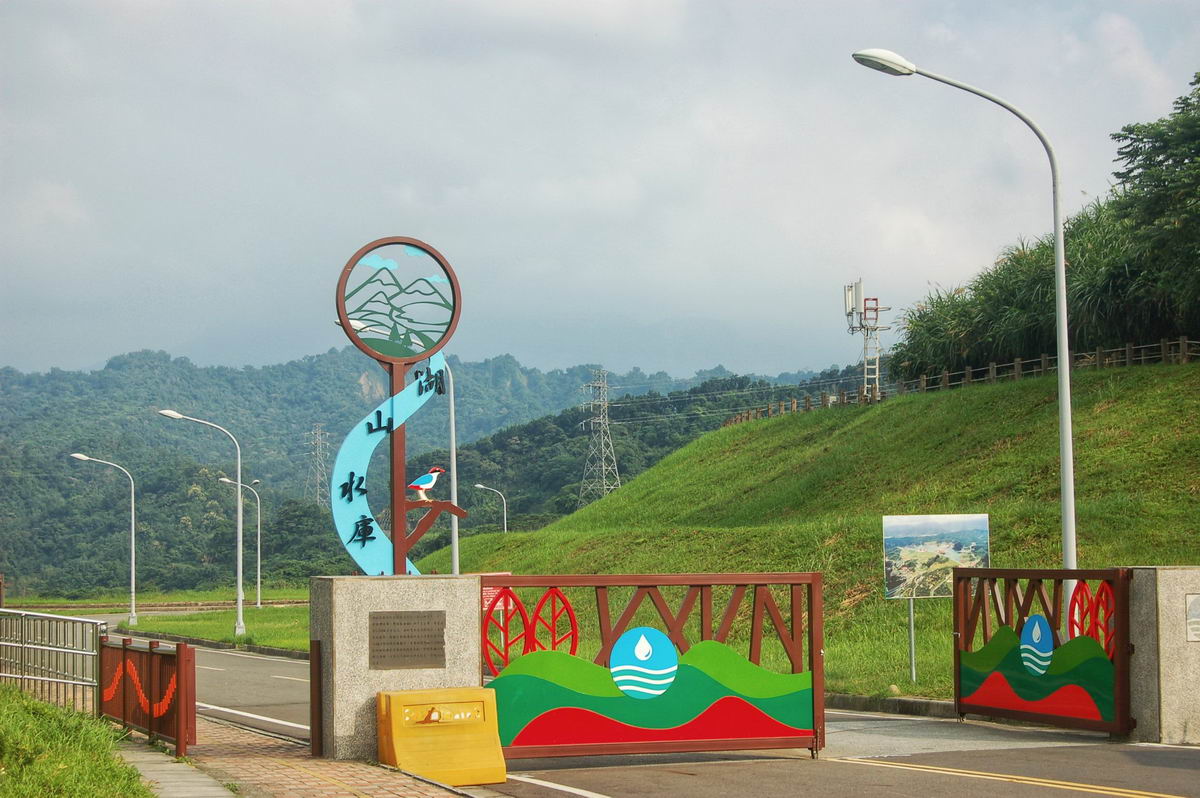
Hushan Reservoir Environmental Education Park
Douliu City · Culture & Arts
Hushan Clean Water, an ecological reservoir! Built in 2015, it is Taiwan’s newest reservoir. Its quiet reservoir trails create the image of an ecological green corridor, introducing local cultural and water-management history as well as the reservoir’s construction process. On a clear day, visitors can take in views of the Douliu Plain from Qianshan Park and the observation deck, and even see the distant coastline.

Yuyupas Alishan Tsou Cultural Tribe
Alishan Township · Culture & Arts
Like many Indigenous communities, the Alishan Tsou Tribe once had a very high rate of young adults leaving for work in the cities, while most of those left in the village were elders and children. Agriculture was the main source of income, but repeated typhoons and landslides damaged the land, making it an urgent issue to help local Indigenous residents find new livelihoods and maintain basic economic stability. The Morakot Typhoon of August 8, 2009 severely disrupted the tribe’s industries, and tourism, homestays, and local dining were all heavily affected. As tourism in the Alishan area was shifting downhill after the disaster, Yuyupas Alishan Tsou Cultural Tribe broke ground on September 21, 2009 and officially opened on June 27, 2010. Located in Leye Village in Alishan Township at an altitude of about 1,300 meters, it has weathered 15 years of market turbulence, the three-year COVID-19 pandemic, and major natural disasters such as earthquakes and typhoons. Today, Yuyupas has become a new highlight of Taiwan’s refined tourism scene. Its defining features are a high-quality tribal tourism image, elegant cultural travel experiences, and hands-on experiences with local specialty industries. It currently employs 48 people, 75% of whom are Indigenous young men and women. The staff also receive comprehensive labor insurance, health insurance, and retirement benefits, allowing them to develop cultural and creative industries that support economic self-reliance without worries. As a model of local enterprise integrating regional cultural industries, it has become a benchmark for tribal development and a useful example for cooperation between other businesses and Indigenous communities.
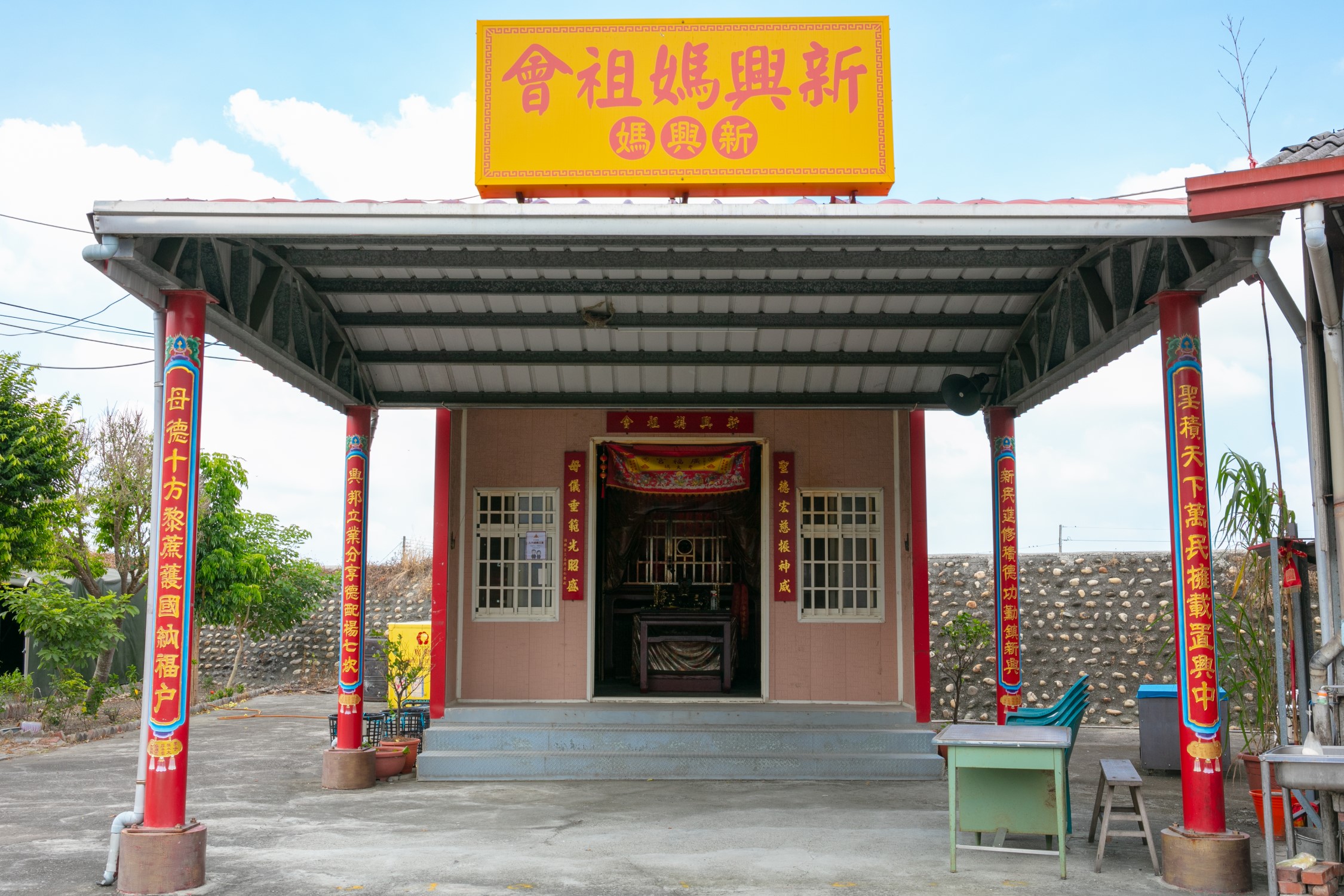
Wucuo Xinxing Mazu Association
Huwei · Culture & Arts
Wucuo Xinxing Mazu Association is a Mazu worship group in Huwei Township, Yunlin County, serving as a key stop on the Beigang pilgrimage route. It enshrines Mazu as its main deity and traces its incense lineage to Chaoxing Temple in Wucuo, Xiluo, where the annual ancestral pilgrimage is a major religious event. The association operates in the form of a Mazu association rather than a conventional temple, with positions such as chairperson, vice chairperson, and annual altar chief.
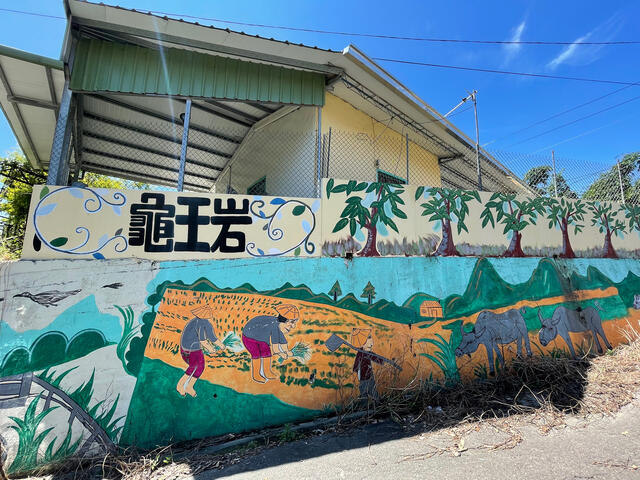
Turtle King Rock
Liouguei District · Temples & Shrines
Turtle King Rock is located beside the Laonong River in Liugui District. It is an imposing mountain rock with a kingly presence, shaped like a turtle king, with a Chinese pistache tree growing beside it.
Tai-Hwa Pottery
Yingge District · Nature & Scenery
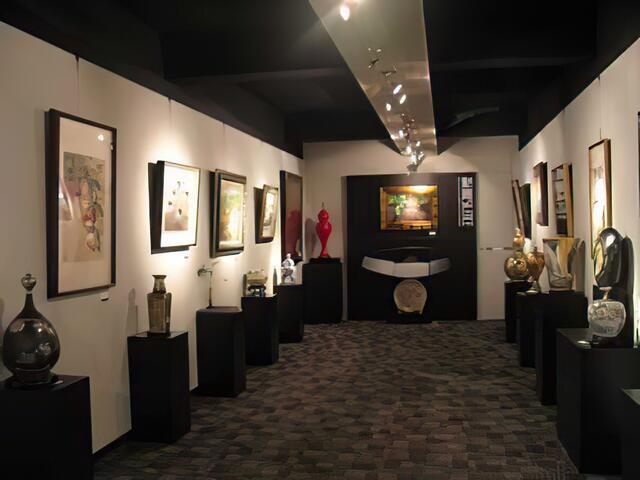
Founded in 1983, Tai-Hwa Pottery has built its brand through a spirit of continual innovation and a commitment to going beyond the status quo in kiln-firing techniques, form innovation, glaze development, painted porcelain craftsmanship, exhibition design, and industrial business models and strategy.
Asia University Museum of Modern Art
Wufeng District · Culture & Arts
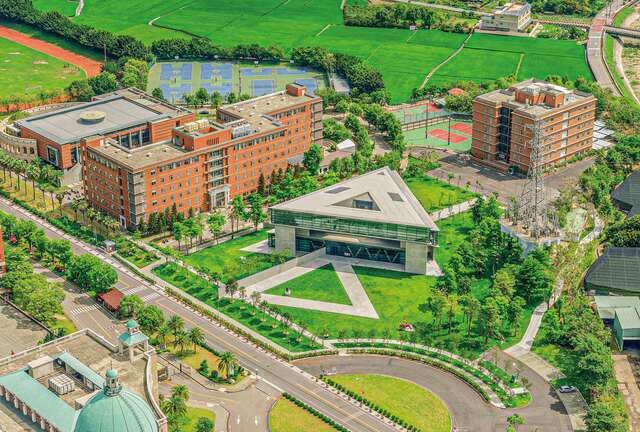
The collection system of the Asia University Museum of Modern Art is based on modern art works and is further expanded with representative works by young contemporary artists. It plays a role in supporting and nurturing Taiwanese local artists and emerging young artists. In addition to its long-term commitment to the Taichung area and its cultural responsibility for promoting school education, the museum also collaborates and exchanges with related art institutions at world-renowned universities, creating innovative ideas for cultural education and everyday life.
Longmen Park (Longmen Camping Resort Base)
Gongliao District · Amusement & Leisure
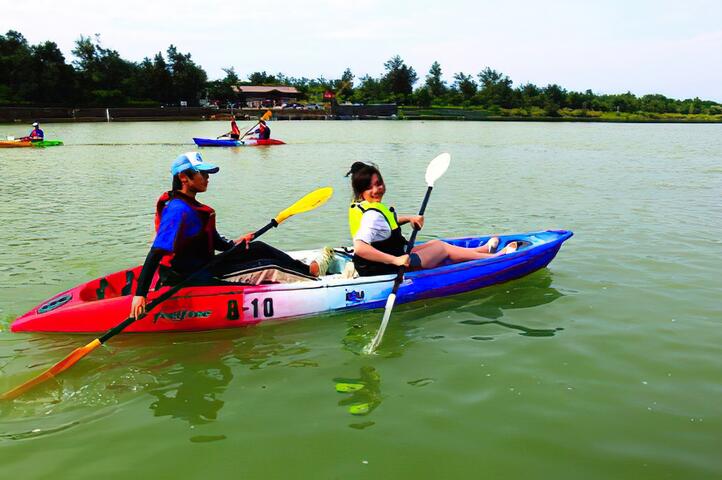
Longmen Park (Longmen Camping Area) is located on the south side of the Shuangxi River. It was formerly a sand quarry and has been redeveloped into a lush riverside ecological park surrounded by mountains and sea. The park includes a camping area, a dedicated bicycle path, a water recreation area, and a water-and-land rowing leisure area, allowing busy city residents to experience the joy of returning to nature, listening to the waves, feeling the sea breeze, and even falling asleep under a sky full of stars. If you are not used to sleeping in a tent, cabins are also available.
Shetou Doushan Shrine
Shetou · Historic Sites
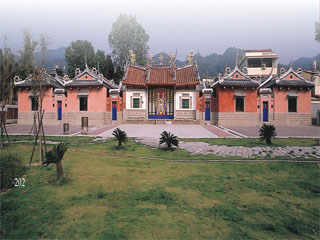
The existing Shetou Doushan Shrine is a traditional Minnan-Hakka Han-style building from the Japanese colonial era. Its interior structure uses a raised-beam timber framework. The wood carvings are finely crafted, and the painted and lacquered decorations are especially distinctive to the region, showing the collaborative craftsmanship of artisans from Changhua and Yunlin. The shrine’s content and themes are rich and varied. It was partially and severely damaged in the 921 earthquake, but after reinforcement it has largely retained its original appearance, though further restoration is still needed. As a clan shrine, Doushan Shrine is not only a symbol of historical culture and ethnic spirit, but is also closely connected to the local social and human landscape. Source: Changhua County Cultural Affairs Bureau. Changhua County Cultural Affairs Bureau: 04-725-0057
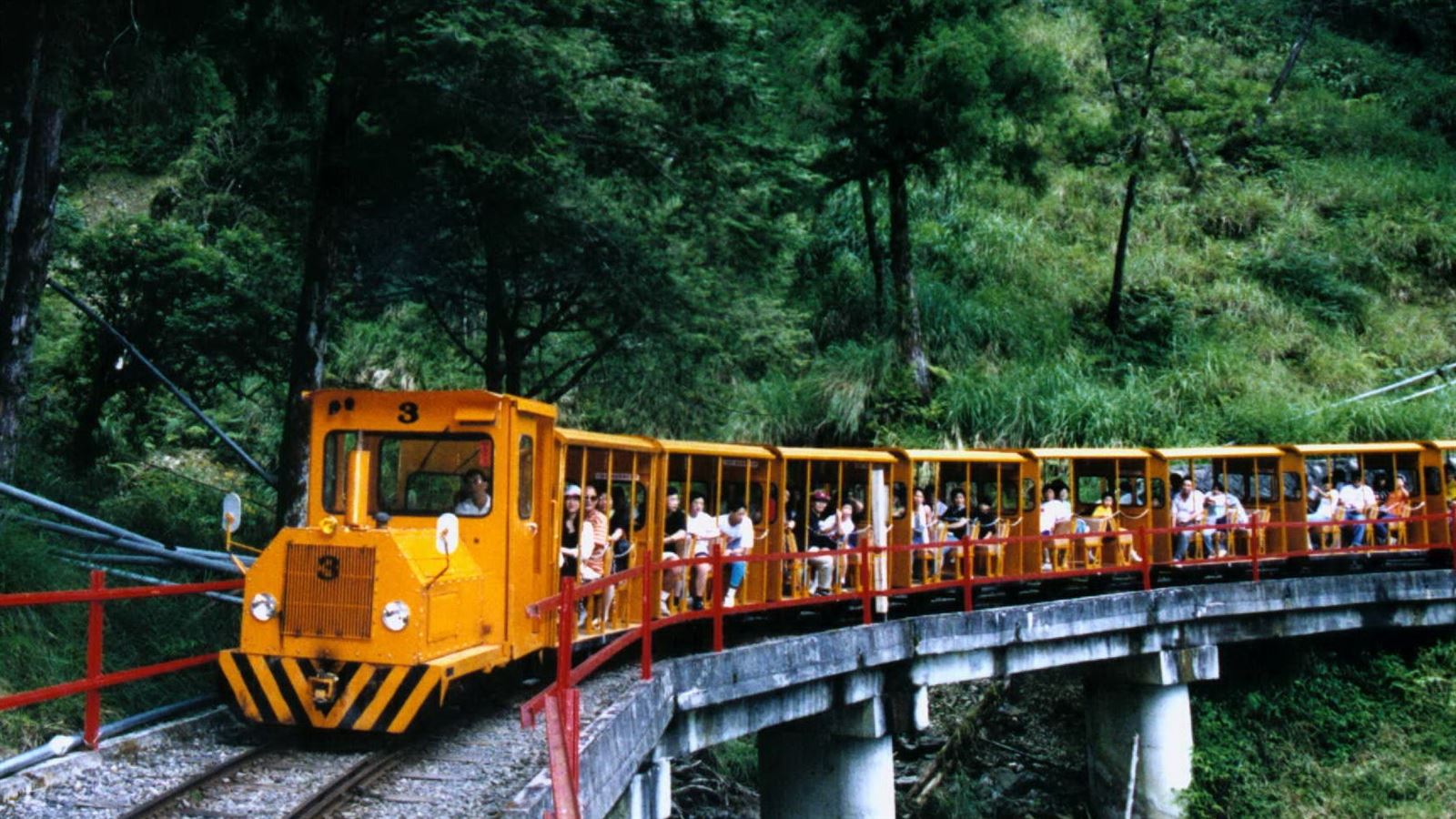
Taipingshan Bongbong Train
Datong Township · Nature & Scenery
Taipingshan Bongbong Train was originally the Maoxing Line of the Taipingshan Forest Railway. It starts at Taipingshan Lodge and ends at Maoxing Station, with a total length of about 3 kilometers and a travel time of around 20 minutes. Beneath towering old-growth trees, sunlight filters softly through the forest, and the track winds through the woods. Riding in the open-air cars, visitors can get close to the beautiful layered mountain scenery along the route. At the Maoxing terminus, there is a self-guided forest trail, a native fern garden, and the Maoxing National Forest Trail. The agency continues to improve the track, route, and operating systems, strengthens staff training to enforce standard operating procedures, and regularly holds on-the-job training to improve service quality and ensure safe operations.