Jongmyo Shrine
South Korea · Jongno District · Landmarks
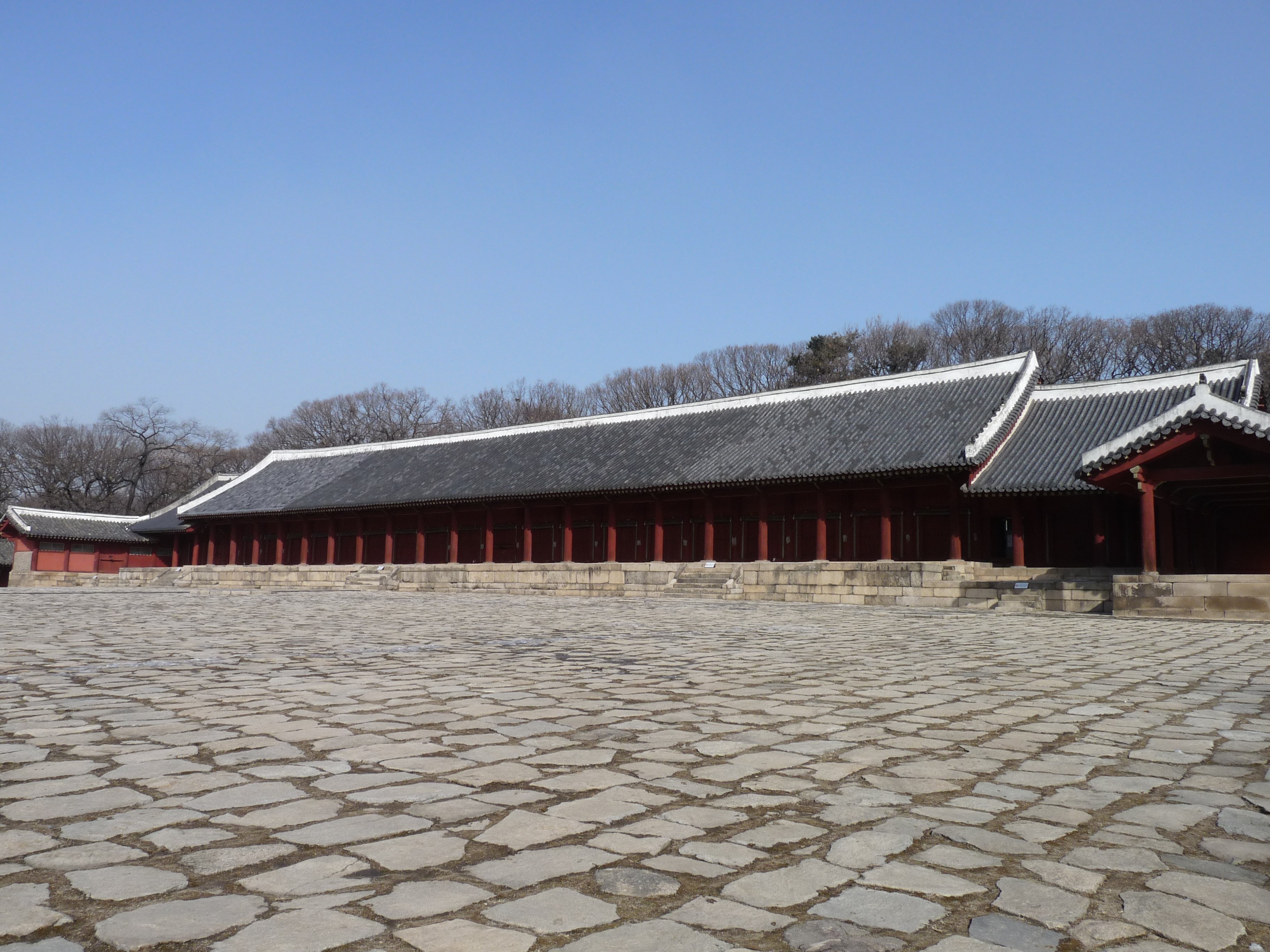
Image source: Wikimedia Commons; license credits as shown.
Overview
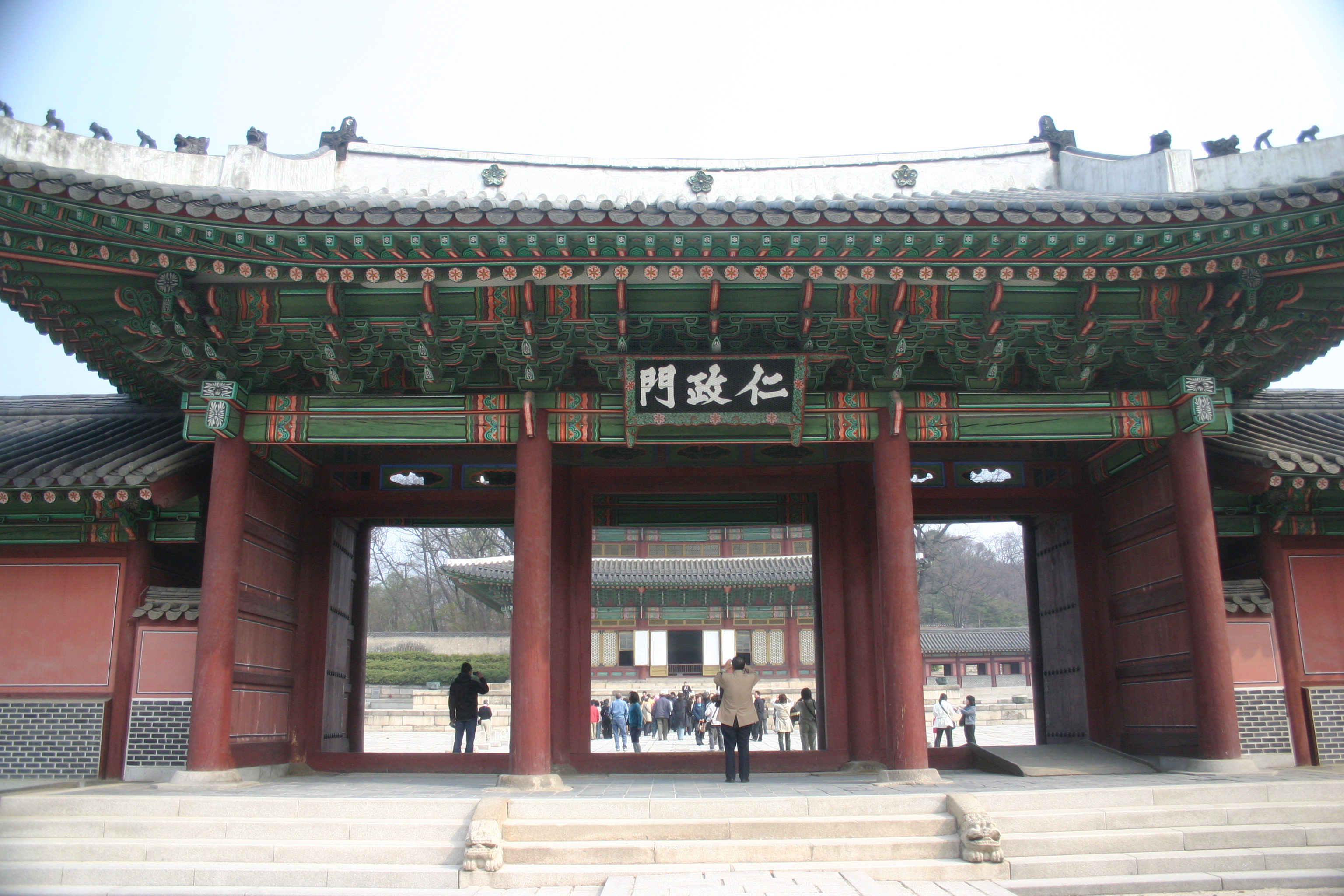
Jongmyo Shrine is a UNESCO World Heritage site located in the Jongno District of Seoul, serving as the royal ancestral shrine for the kings and queens of the Joseon Dynasty. The area is surrounded by vast pine forests and traditional Korean architecture, creating a solemn and tranquil atmosphere, making it a representative site for understanding Korean Confucian ritual culture and royal ceremonies. Jongmyo is adjacent to traditional neighborhoods such as Insa-dong and Ikseon-dong, making it an ideal part of a day trip exploring the cultural heritage of Seoul.
Getting There
The easiest way to reach Jongmyo Shrine is by taking the subway to Jongno 3-ga Station on lines 1, 3, or 5. After exiting through exit 11, it is about a 6-minute walk to the entrance of the shrine. Alternatively, you can take line 3 to Anguk Station and walk from there, connecting with nearby attractions like Bukchon Hanok Village and Insa-dong.
Highlights
Jongmyo Shrine is a dedicated complex for the worship of the spirit tablets of the kings and queens of the Joseon Dynasty, serving as the core location for understanding the Confucian ritual culture of the Joseon royal family. The expansive grounds are surrounded by pine forests and long stone walls, with gentle walking paths that create a solemn yet serene natural beauty, perfect for leisurely strolls and photography. Jongmyo is recognized as a UNESCO World Heritage site due to its well-preserved architectural layout and ritual traditions, making it a must-visit destination for exploring the history of Seoul.
What to See
Main Hall: The core building of Jongmyo Shrine, housing the spirit tablets of the kings and queens of the Joseon Dynasty. The architecture is solemn and simple, showcasing the Confucian aesthetics of moderation and order. Yeongnyeongjeon: A building dedicated to the spirit tablets of other royal family members and meritorious subjects. Although smaller than the Main Hall, it has a rich historical atmosphere, making it suitable for examining architectural details. Jongmyo Stone Wall Path: A long stone wall path extending along the perimeter of Jongmyo, connecting to the West Patrol Street. In spring, flowers bloom, and in autumn, maple leaves turn red, making it a famous walking route and photography hotspot in Seoul. Jongmyo Gardens and Courtyards: The expansive courtyards and grassy areas, along with ancient trees and pine forests, create a quiet green space where one can feel a sense of tranquility, even in the city center.
Hours & Admission
Jongmyo Shrine is a paid cultural heritage site, and tickets must be purchased for entry. Generally, there are fixed opening hours each day, with slight adjustments in summer and winter. Some time slots may require entry based on guided tours, so it is recommended to check the official website or Seoul tourism information for seasonal opening times and whether reservations are needed. Ticket prices are relatively affordable, and visitors should also look out for combined tickets with other palaces or discounts for foreign travelers.
Address
157 Jongno, Jongno-gu, Seoul (Jongmyo Management Office)
Travel Tips
It is recommended to allocate about 1.5 to 2 hours for visiting Jongmyo Shrine, allowing for a leisurely walk to explore the buildings and courtyards, as well as to photograph the stone wall path and garden scenery. Spring, when flowers bloom, and autumn, when the maples turn red, are the most popular seasons to visit Jongmyo, as the stone walls paired with floral scenery are particularly photogenic. It is advisable to visit in the morning or evening when there are fewer crowds. Nearby are Insa-dong and Ikseon-dong Hanok Village, which can be arranged as part of the same walking route to experience Seoul's traditional neighborhoods and palace landscapes. The area is mostly outdoor space, so please take sun protection and hydration precautions in summer, and be mindful of warmth in winter, wearing comfortable shoes for walking on the stone paths and trails.
Nearby Dining
There are many dining options within walking distance of Jongmyo Shrine. You can head to Ikseon-dong Hanok Village for Korean creative cuisine, desserts, and cafes, enjoying the artistic atmosphere of renovated traditional hanoks. Walking about 10 minutes towards Insa-dong, you will find many traditional Korean set meal restaurants, tea houses, and street food stalls, making it a great place to taste Korean cuisine and experience traditional tea culture. Near Jongno 3-ga Station, there are also local snack shops and barbecue restaurants, suitable for dining after your visit.
FAQ
Q: Who is primarily worshipped at Jongmyo Shrine? Why is it important? A: Jongmyo Shrine primarily worships the spirit tablets of the kings and queens of the Joseon Dynasty, serving as a dedicated space for royal rituals. It is regarded as the most representative space for understanding the Confucian ritual culture and worship practices of the Joseon royal family. It holds significant importance in understanding the relationship between traditional Korean political and religious concepts, royal authority, and the patriarchal system, and it has been designated as a World Heritage site due to its well-preserved architecture and ritual forms. Q: What is the easiest way to get to Jongmyo Shrine? A: The easiest way to reach Jongmyo Shrine is by taking the subway to Jongno 3-ga Station on lines 1, 3, or 5. After exiting through exit 11, it is about a 6-minute walk to the entrance of the shrine. You can also take line 3 to Anguk Station and walk from there, while visiting nearby attractions like Insa-dong and Bukchon Hanok Village. Q: Do I need to make a reservation or join a guided tour to visit Jongmyo Shrine? A: Generally, you can purchase tickets directly for entry to Jongmyo Shrine, but during certain time slots or specific guided tours, reservations may be required or entry may depend on guided tour times, especially during events or peak seasons. It is advisable to check the official website for details in advance. If you wish to gain a deeper understanding of the history and rituals, you may choose to participate in on-site or reservation-based guided tours. Q: What are the opening hours and ticket prices for Jongmyo Shrine? A: Jongmyo Shrine is a paid attraction, and tickets must be purchased for entry. The specific opening hours may vary by season and management policies, with different hours in summer and winter. It is recommended to check the official Jongmyo website or the Seoul tourism website for the latest opening hours, closure days, and ticket price information before your visit to avoid disappointment. Q: Are there any recommended dress codes or etiquette for visiting Jongmyo Shrine? A: It is recommended to wear modest and comfortable clothing when visiting Jongmyo Shrine, as it consists mostly of outdoor courtyards and stone paths. Please choose comfortable shoes for long walks. Jongmyo was once a royal ritual space, so the atmosphere is quite solemn. When taking photos, please be mindful of your volume and behavior, and avoid running or making noise inside the buildings or touching cultural relics, to show respect for the cultural heritage and other visitors.