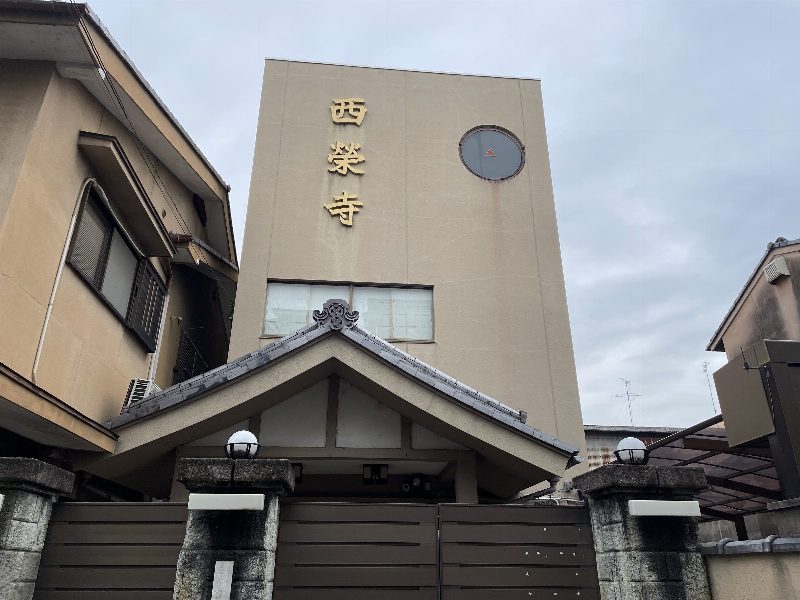
Koshoji Temple
Japan · 下京區 · Temples & Shrines
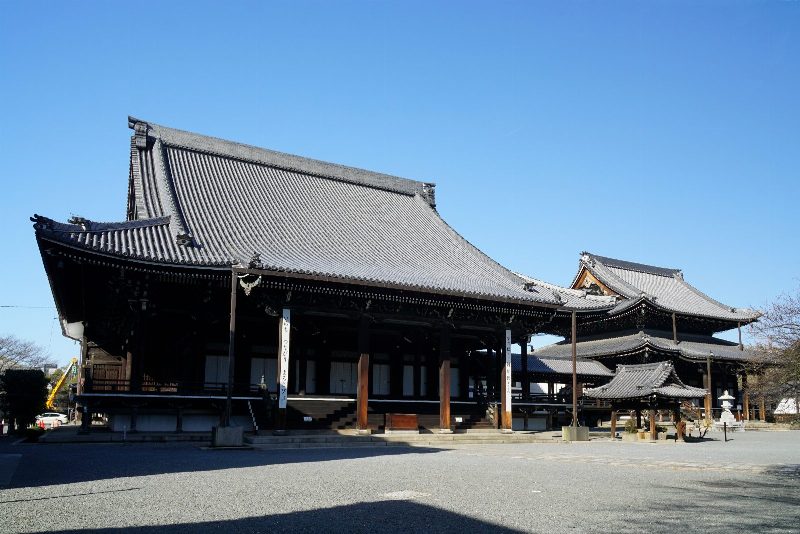
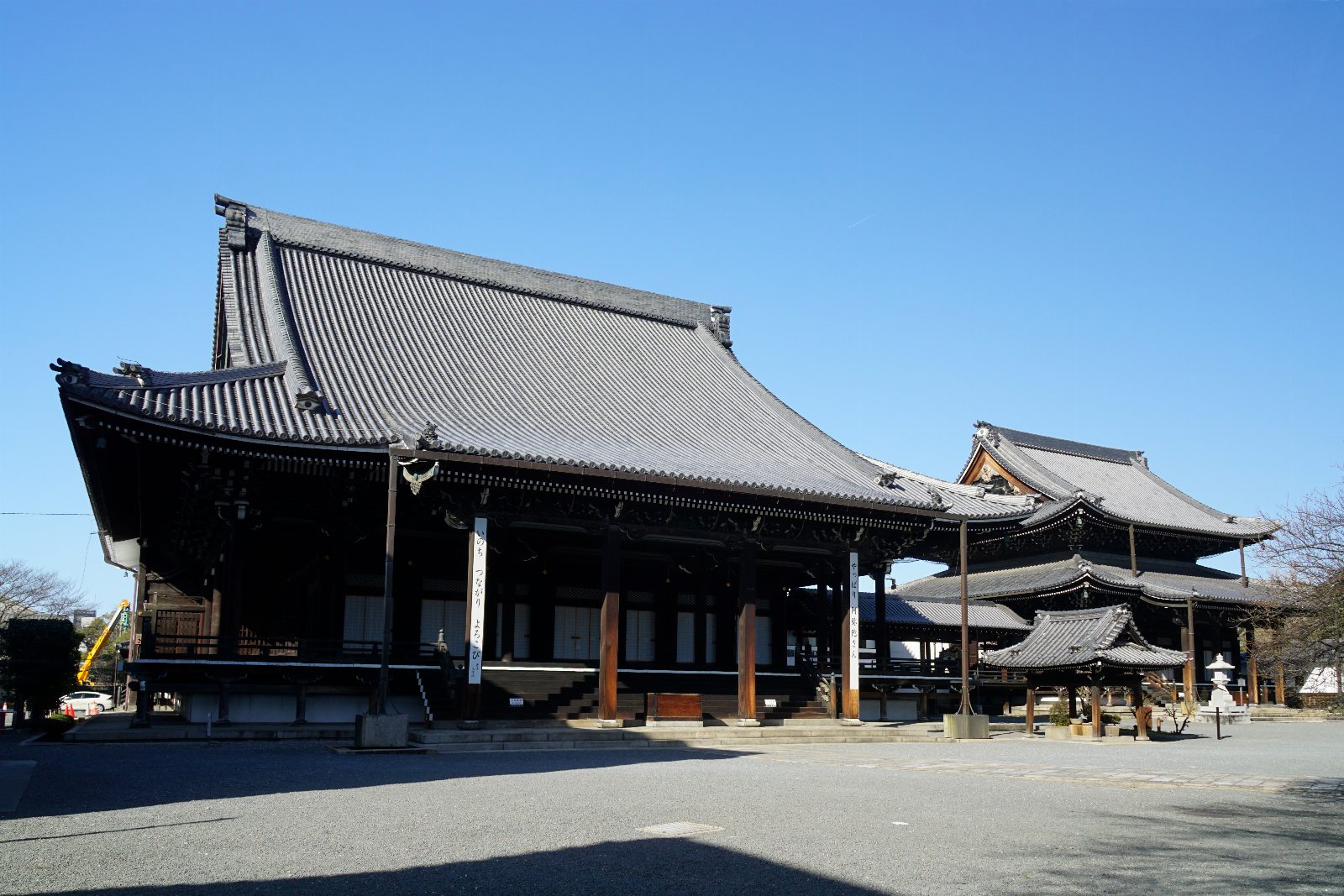
Image source: Wikimedia Commons; license credits as shown.
Overview
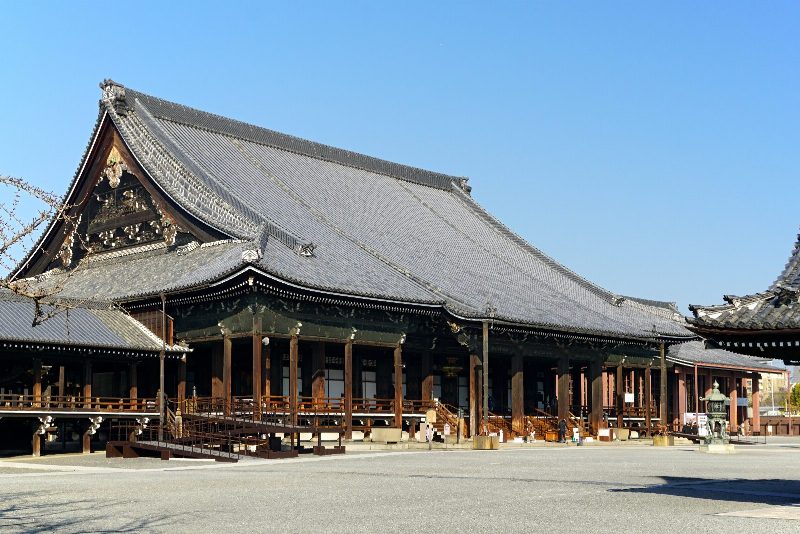
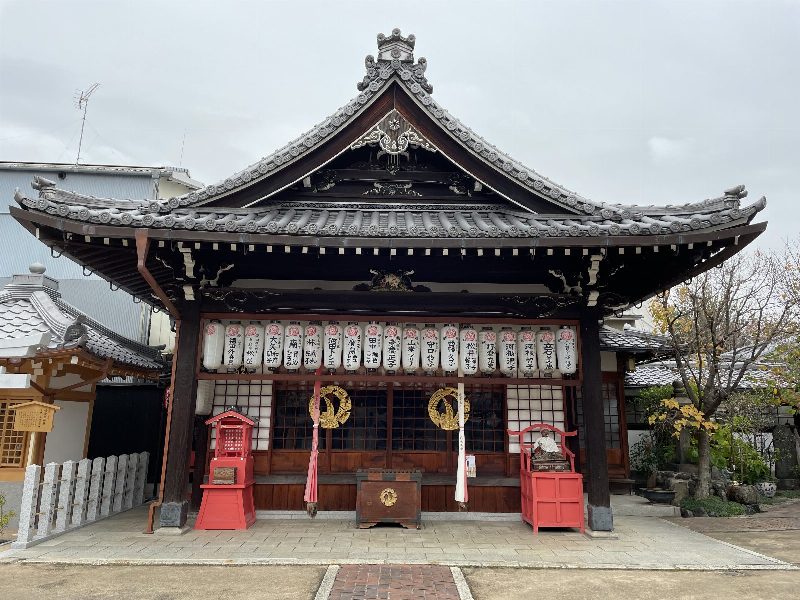
Koshoji Temple is the head temple of the Jodo Shinshu Kosho sect, located in the Shimogyo ward of Kyoto City, near Kyoto Station and Nishi Honganji. The temple was founded by the high priest Shinran during the Kamakura period and was relocated to its current site in the late 16th century. It serves as the sect's headquarters and an important center of faith. The temple primarily enshrines Amida Buddha, and many of its buildings, such as the main hall and the Goeika Hall, were rebuilt after a fire during the Meiji period, creating a solemn and quiet atmosphere. The temple is open to the public year-round for free, making it a hidden gem of Jodo Shinshu that is easily accessible on foot from Kyoto Station.
Getting There
The most convenient way to reach Koshoji Temple is to take the JR or subway to 'Kyoto Station'. After exiting from the Chuo or Karasuma exit, walk north along Horikawa Street for about 5 minutes to reach the southern entrance of the temple grounds. There are also several city bus routes that stop near 'Shichijo Horikawa', and it takes about 3 minutes to walk from the bus stop to the temple.
Highlights
Koshoji Temple is a head temple centered on the teachings of Jodo Shinshu, featuring grand architectural structures such as the Goeika Hall and Amida Hall. The temple shares a moat with the nearby World Heritage Site, Nishi Honganji, creating a unique temple town landscape. The temple enshrines Amida Buddha and the image of Shinran, making it an important place for participating in chanting, ceremonies, and sect activities. Although located near the bustling Kyoto Station, the temple grounds are relatively tranquil, suitable for quiet reflection and strolls.
What to See
Goeika Hall: The main hall enshrining the image of the founder Shinran, it is the core building for worshippers of the Jodo Shinshu Kosho sect. Amida Hall (Amida-do/Main Hall): Enshrining the principal deity Amida Buddha, various religious ceremonies, chanting, and rituals are often held here. Temple Grounds and Gardens: Although most were rebuilt in modern times, the layout still retains the traditional structure of a Jodo Shinshu temple, allowing for quiet walks along corridors and paths within the grounds. Moat and Surrounding Scenery: Koshoji Temple and Nishi Honganji share a water moat, providing a spectacular view of both temples from the Horikawa Street area.
Hours & Admission
Koshoji Temple is open year-round, with general visiting hours typically from morning until evening, commonly from 5:00 AM to around 5:00 PM. General admission is free, but certain special ceremonies, events, or public activities may require a fee or prior application (as per temple announcements). The temple's administrative office is usually open during daytime hours (approximately 9:00 AM to 5:00 PM) for conducting ceremonies, interments, and consultations.
Address
Japan 〒600-8261 Kyoto Prefecture, Kyoto City, Shimogyo Ward, Horikawa Shichijo, 70 Hanazono-cho
Travel Tips
Koshoji Temple is located near Kyoto Station and the World Heritage Site Nishi Honganji, making it advisable to plan a half-day walking itinerary of 'Nishi Honganji + Koshoji Temple' to experience the atmosphere of two major Jodo Shinshu temples. The temple has a solemn atmosphere, so it is recommended to dress neatly and simply during visits, maintain silence, and refrain from loud conversations or photography inside the halls (according to temple regulations). Early mornings and evenings have fewer crowds, making them ideal for visitors seeking quiet reflection or exterior photography. The summer climate in Kyoto can be hot and humid, so it is advisable to prepare sun protection and water when walking from Kyoto Station; on rainy days, you can use the sidewalks along Horikawa and Shichijo streets, and please put away rain gear before entering the halls. The area surrounding the temple is in the center of Shimogyo Ward, with convenience stores, dining options, and accommodation facilities nearby, making transportation and daily life very convenient.
Nearby Dining
Around Kyoto Station: It takes about 5 to 10 minutes on foot from Koshoji Temple to the Kyoto Station area, which is rich in dining options including ramen streets, department store food courts, and Japanese restaurants. Dining and Cafes along Shichijo Street: Walking east and west along Shichijo Street, you can find local set meal restaurants, cafes, and small izakayas, suitable for simple meals or coffee breaks. Tea Houses and Wagashi Shops near Nishi Honganji: When visiting Nishi Honganji along with Koshoji Temple, you can also enjoy Kyoto wagashi, matcha, and Japanese sweets as a small reward after your visit.
FAQ
Q: What statue does Koshoji Temple primarily enshrine? A: The principal deity of Koshoji Temple is Amida Buddha, and the Goeika Hall also enshrines the image of the founder Shinran. As the head temple of the Jodo Shinshu Kosho sect, the temple focuses on the teachings of Jodo, centered on chanting and faith in Amida Buddha, with many related ceremonies and rituals held in the hall. Q: What are the opening hours and admission fees for Koshoji Temple? A: Koshoji Temple is generally open from morning until evening, with common visiting hours around 5:00 AM to 5:00 PM, and admission is generally free. Some special ceremonies, public events, or religious activities may require prior application or limited entry, with details provided by the temple announcements and on-site explanations. Q: How do I walk from Kyoto Station to Koshoji Temple? A: Walking from Kyoto Station to Koshoji Temple takes about 5 minutes, heading north along Horikawa Street until near Shichijo. After exiting, look for signs leading to Horikawa Street, heading towards 'Nishi Honganji', and Koshoji Temple is located between Nishi Honganji and Horikawa Street to the south. Q: What is the relationship between Koshoji Temple and Nishi Honganji? A: Koshoji Temple and Nishi Honganji are both part of the Jodo Shinshu system of temples and are geographically adjacent, even sharing the same moat. Travelers often arrange to visit both temples in the same itinerary to experience the differences in sects and temple styles. Q: Is Koshoji Temple suitable for general tourists to visit? A: Koshoji Temple is very suitable for travelers interested in Kyoto's religious culture who wish to avoid crowded places. Since the temple primarily focuses on religious activities and worshippers, tourist facilities and explanations are relatively understated, making it more suitable for those willing to respect the temple's rules and quietly observe and experience the atmosphere of Jodo Shinshu.