Shotoku-ji Temple
Japan · 下京區 · Temples & Shrines
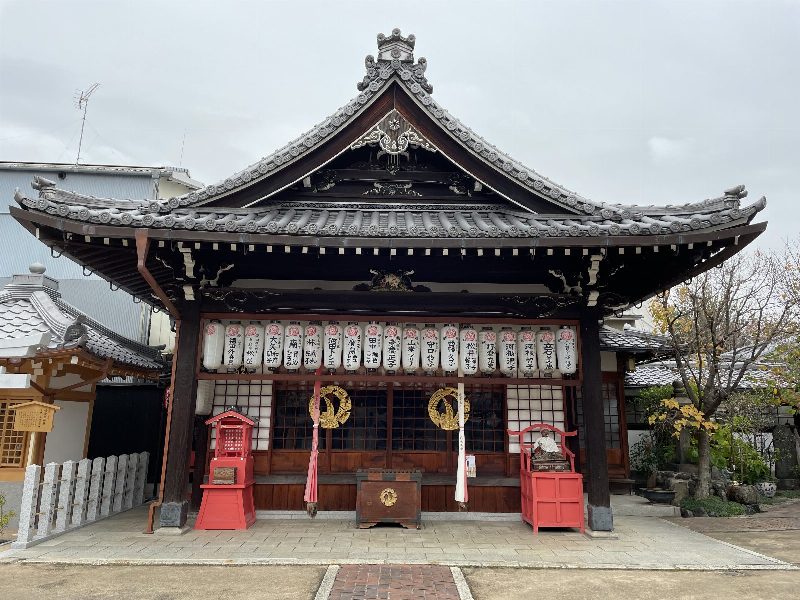
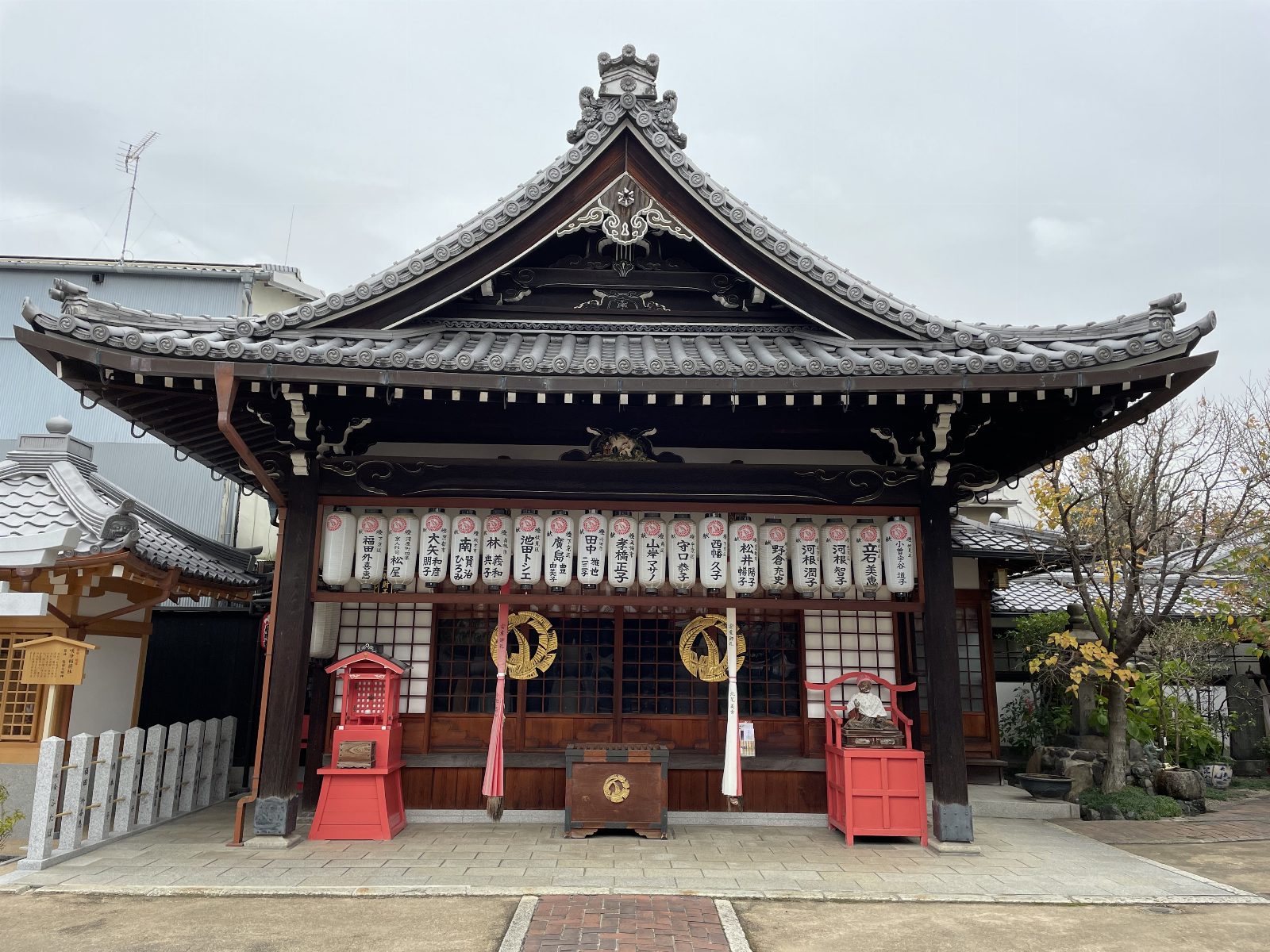
Image source: Wikimedia Commons; license credits as shown.
Overview
Shotoku-ji Temple is a temple located in the Shimogyo Ward of Kyoto City, which is medium to large in size compared to other temples in the urban area. It features several hall buildings and has a serene atmosphere. Due to limited tourist information, there are not many visitors, making it suitable for travelers seeking to escape the crowds for quiet worship and strolls. The temple's name is associated with 'Prince Shotoku', making it an off-the-beaten-path choice for those exploring temples in Kyoto City.
Getting There
From JR 'Kyoto Station' or Hankyu Kyoto Line 'Omiya Station', take a city bus to a nearby station in Shimogyo Ward (such as 'Gojō Horikawa' or 'Omiya Gojō'), then walk about 10–15 minutes to reach Shotoku-ji Temple; the actual nearest station and walking time may vary slightly depending on the exact entrance location of the temple, so it is recommended to use a map for navigation upon arrival.
Highlights
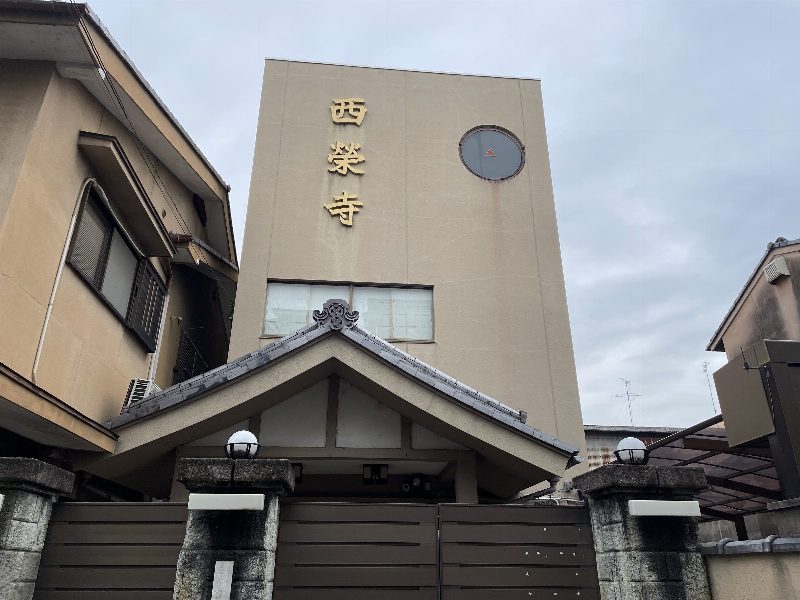
Shotoku-ji Temple is a quiet temple located in the urban area of Kyoto, featuring several traditional hall buildings and tidy courtyard spaces. The atmosphere is simple and tranquil, with few large tourist groups. The temple's mountain name is 'Daibizan', and its temple name is 'Jōgūōin', which can be seen on the mountain gate or temple plaques, providing interesting observations for travelers who enjoy temple culture and inscriptions. Due to limited information and few visitors, you can take your time to photograph, worship, and experience the daily scenes of urban temples during your visit.
What to See
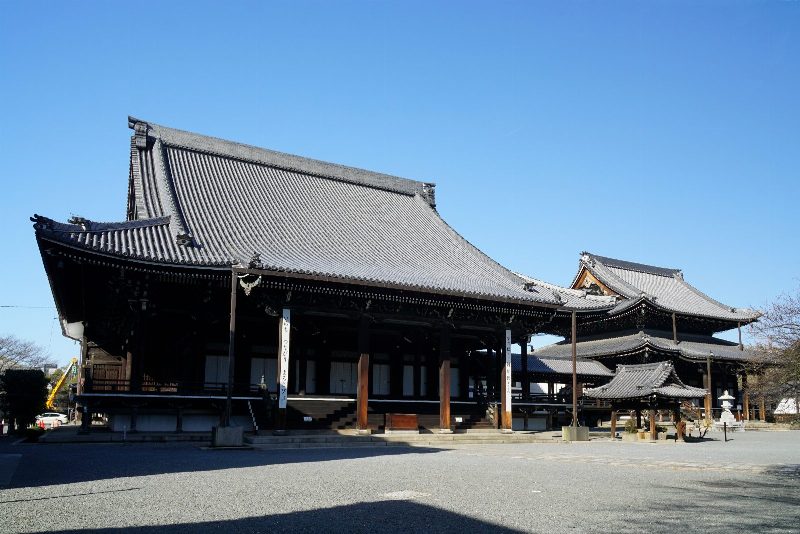
・Main Hall: The main building of Shotoku-ji Temple, primarily constructed in traditional Japanese wooden style, houses the principal deity at the front, serving as the core space for worship and sutra chanting, reflecting the accumulation of local faith over the years. ・Mountain Gate and Temple Name Plaque: The mountain gate features inscriptions such as 'Daibizan', reflecting the temple's mountain name and historical heritage, suitable for travelers interested in Japanese temple names and calligraphy to observe closely. ・Multiple Halls: The temple is home to several halls and auxiliary buildings; although not every area is open for visits, you can get a glimpse of the layout from corridors or courtyard passages, experiencing the rare spaciousness of an urban temple. ・Small Gardens and Stone Structures: The temple grounds feature small stone structures such as lanterns and stone tablets, combined with plantings and gravel paths, creating a simple temple garden scene that is perfect for leisurely photography.
Hours & Admission
Shotoku-ji Temple is a general urban temple, primarily serving local worshippers and ceremonies, and is not a typical tourist temple. There is no clear official announcement regarding regular opening hours and visitor pathways. Generally, visitors can engage in activities in the front courtyard or worship area during the day; some buildings may only be open during ceremonies, special offerings, or by reservation. If you encounter closures or ongoing ceremonies, it is recommended to worship quietly outside or in designated areas. Worship usually does not require an admission fee, but special openings or exhibitions may incur additional charges, so be sure to check the mountain gate or announcement boards when visiting.
Address
Shimogyo Ward, Kyoto City, Kyoto Prefecture, Japan (Shotoku-ji Temple is located in the urban area of Shimogyo in Kyoto, and due to limited public information, it is recommended to use map services to search for 'Shotoku-ji Temple' to confirm the location upon arrival)
Travel Tips
As an urban temple, Shotoku-ji Temple can be visited year-round. In spring and early summer, the greenery is lush, and in autumn, the surrounding streets have some red leaves, making it suitable for a visit. As the temple is a religious space, it is advised to speak softly, refrain from smoking or eating in front of the buildings, and respect local worshippers and ongoing ceremonies. Since the temple is not a popular tourist spot, there are few foreign language signs nearby, so it is recommended to mark the location on your phone or download offline maps in advance. The area around the temple is a gathering place for traditional Kyoto residences and small shops, allowing for a walking exploration of other small shrines, townhouses, and local eateries, creating a scenic walking route.
Nearby Dining
The area surrounding Shotoku-ji Temple is a residential and small shopping district in Shimogyo Ward, where you can find local eateries, noodle shops, and cafes within walking distance, offering affordable daily meals and simple lunches. It is recommended to visit nearby family-style restaurants for set meals, udon, or sushi before or after your temple visit to experience the local dining atmosphere. If you wish to choose from a wider variety of restaurants and cafes, you can also walk or take a bus to Shijo Street or the area around Kyoto Station for a more substantial dining experience. As the temple itself does not have permanent dining facilities, it is advisable to bring your own drinking water and avoid eating inside to maintain the temple's cleanliness.
FAQ
Q: Is Shotoku-ji Temple primarily a shrine or a temple? A: Shotoku-ji Temple is a Buddhist temple, not a shrine, and is one of the traditional temples in Kyoto City, featuring a main hall and several halls dedicated to Buddhist deities. Although the terms 'Temple' and 'Shrine' are often used interchangeably in English, in the Japanese context, Shotoku-ji is classified as a 'tera' (temple) rather than a 'jinja' (shrine), thus primarily taking the form of a Buddhist temple. Q: Is there an admission fee for Shotoku-ji Temple? A: Generally, visiting Shotoku-ji Temple for daily worship does not require an admission fee, as it is a free worship type urban temple. If special openings, exhibitions, or cultural events are held in the future, there may be fees for specific areas, which will be based on announcements at the mountain gate or explanations from the temple staff. Q: What are the visiting hours for Shotoku-ji Temple? A: Shotoku-ji Temple does not have clearly published opening and closing hours like larger tourist temples, primarily being open during daylight hours. It is recommended to visit during the daytime from morning to afternoon, avoiding very early mornings or late evenings to prevent encountering a closed mountain gate or disrupting temple ceremonies. Q: Can I take photos at Shotoku-ji Temple? A: Generally, you can discreetly photograph the environment and buildings in the outdoor areas of Shotoku-ji Temple, but you should avoid photographing worshippers and private ceremonies out of respect. If you wish to take photos inside the halls or close to the Buddha statues and altars, it is advisable to check the temple's notices or confirm with temple staff whether photography is allowed. Q: What other attractions can be arranged nearby? A: Shotoku-ji Temple is located in Shimogyo Ward, and can be combined with larger temples around Kyoto Station, the shopping area of Shijo Kawaramachi, or nearby small shrines and townhouse districts for a half-day to full-day walking itinerary. If time permits, you can extend your walk or take a bus to visit world heritage temples such as Higashi Hongan-ji and Nishi Hongan-ji, creating a diverse cultural route that connects lesser-known urban temples with famous attractions.