Memorial Hall of the Fourth National Congress of the Communist Party of China
China · Shanghai · Hongkou District · Museums, Culture & Arts
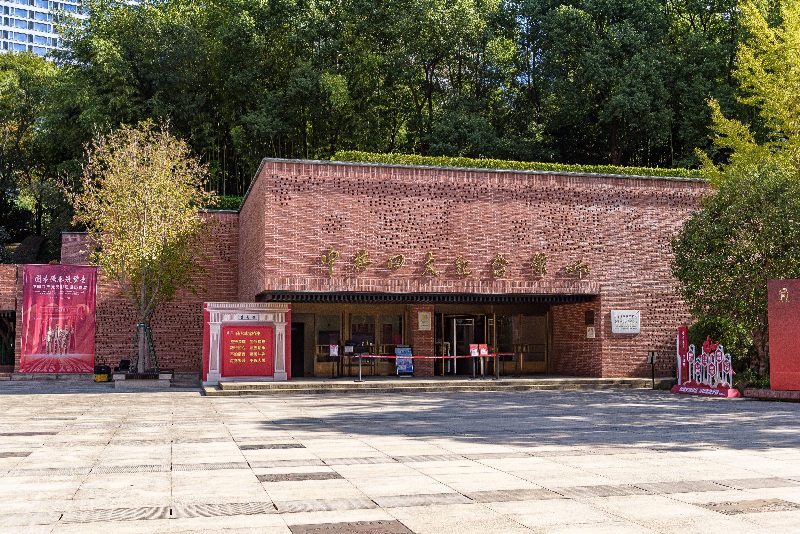
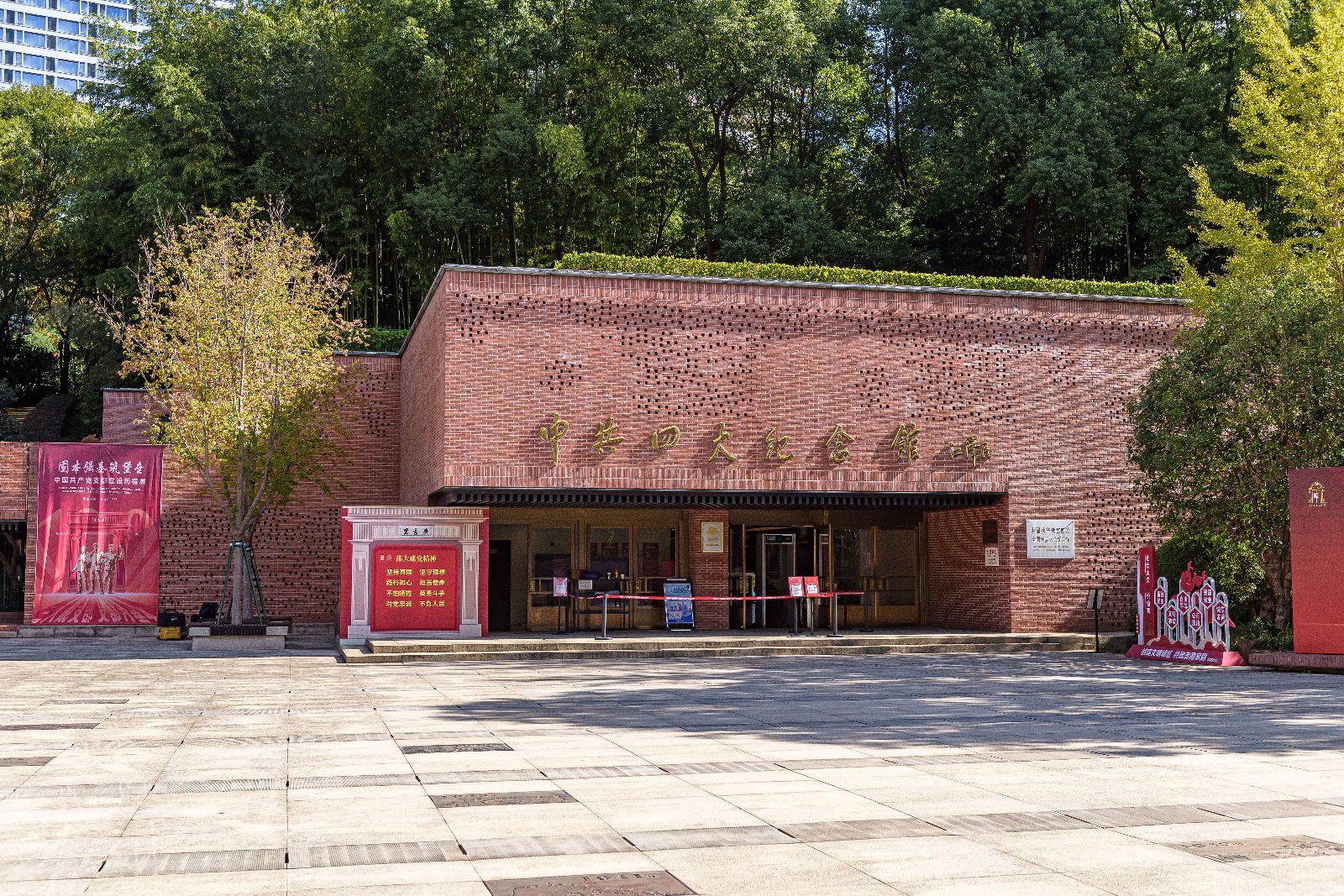
Image source: Wikimedia Commons; license credits as shown.
Overview
The Memorial Hall of the Fourth National Congress of the Communist Party of China is an important red-themed venue commemorating the Fourth National Congress of the Communist Party of China, located within the Sichuan North Road Park in Hongkou District, Shanghai. The memorial hall features a brick-red building styled after the Shikumen architecture, systematically introducing the 1925 Fourth National Congress and its historical contributions through basic exhibitions, digital halls, and interactive experiences. The venue also connects with surrounding red resources such as the sites of the Fourth National Congress, forming the 'Memorial Scenic Area of the First, Second, and Fourth National Congresses of the Communist Party of China,' and is recognized as part of a national 5A-level tourist attraction. This is a core site for understanding the early history of the Communist Party of China and important ideologies such as the alliance of workers and peasants and the leadership of the proletariat.
Getting There
The most convenient way to reach the Memorial Hall of the Fourth National Congress of the Communist Party of China is to take the Shanghai Metro to the nearby station of Sichuan North Road Park and then walk for about 10 to 15 minutes. Since official information often indicates the address as 'No. 1468 Sichuan North Road, inside Sichuan North Road Park,' the actual route can be followed by walking along Sichuan North Road after exiting the metro and paying attention to the park and 'Memorial Hall of the Fourth National Congress of the Communist Party of China' signposts to enter the park. The venue is located in a bustling area of Hongkou District, with multiple bus routes passing through Sichuan North Road and Dongbaoxing Road, allowing visitors to reach the park entrance within a few minutes' walk after taking the bus to nearby stops.
Highlights
The most distinctive feature of the Memorial Hall of the Fourth National Congress of the Communist Party of China is its focus on the Fourth National Congress, which presents a complete picture of the key transition of the Communist Party of China from a 'propaganda political group' to a 'true mass party.' The exhibition highlights the theories of 'proletarian leadership' and 'alliance of workers and peasants' first clearly proposed at the 1925 congress, using a wealth of historical materials, physical restorations, and multimedia devices to help visitors understand the significant position of this congress in the party's history and the process of the Chinese revolution. The architecture itself incorporates Shikumen elements and a brick-red square shape, blending into the open green landscape of Sichuan North Road Park, creating an atmosphere of a 'red landmark in the urban park,' and features a national flag square and a red cultural metaverse exhibition area, combining traditional displays with digital technology. The memorial hall also manages the sites of the Fourth National Congress, the National Flag Education Exhibition Hall, the Left Alliance Memorial Hall, and the former residence of martyr Li Bai, facilitating a comprehensive red cultural visit and thematic study in the same area.
What to See
Key points of interest at the Memorial Hall of the Fourth National Congress of the Communist Party of China include: 1. Entrance Hall and Overall Introduction: The entrance hall presents the historical background and scenes of the era when the Fourth National Congress was held through large-scale reliefs and image walls, setting the tone for the subsequent exhibition areas. 2. Basic Exhibition of the Fourth National Congress: The main exhibition hall is the core of the memorial hall, displaying documents, photos, artifacts, and scene restorations in the context of 'background of the congress - meeting process - important resolutions - historical impact,' focusing on the historical conclusions of proletarian leadership, the alliance of workers and peasants, and the party's mass route. 3. Audio-Visual and Digital Exhibition Halls: The hall features a cinema and digital exhibition hall, using documentaries, immersive projections, and multimedia interactive devices to recreate the Shanghai workers' movement in 1925, the situation during the Great Revolution, and the stories of the representatives, enhancing the immersive experience and participation of visitors. 4. Sub-exhibition Hall 'Red Footprints': The sub-exhibition hall revolves around revolutionary sites, important figures, and events in Shanghai and across the country, showcasing the red footprints of the party during and after the Great Revolution, linking multiple key points such as the First, Second, and Fourth National Congresses. 5. National Flag Education Exhibition Hall and National Flag Square: The National Flag Education Exhibition Hall specifically discusses the design history, symbolic meaning, and relevant legal knowledge of the national flag of the People's Republic of China, as well as touching stories related to the national flag. The outdoor National Flag Square is often used for flag-raising ceremonies and themed activities, serving as an important landmark space in the memorial area. 6. Original Intention Lecture Hall and Educational Activity Space: The hall includes teaching and discussion spaces such as the 'Original Intention Lecture Hall,' which hosts party classes, thematic group classes, and research activities, welcoming party members, students, and social groups for concentrated learning throughout the year. 7. Surrounding Sites of the Fourth National Congress and Monuments: Located a few hundred meters from the memorial hall, there is a monument marking the site of the Fourth National Congress of the Communist Party of China at No. 28, Lane 8, No. 254, Dongbaoxing Road, used to indicate the specific location and historical explanation of the original Shikumen meeting site. Visitors can combine their visit to the memorial hall with a walking tour of the sites.
Hours & Admission
The Memorial Hall of the Fourth National Congress of the Communist Party of China is open to the public, generally implementing a free admission policy. Some time slots and group visits may require advance reservations, so it is recommended that visitors check official announcements or confirm by phone before their trip. According to public information, the common opening hours are Tuesday to Sunday from 9:00 to 11:30 (last entry at 11:00) and from 13:30 to 16:30 (last entry at 16:00), with Mondays usually being closed (opening arrangements may be adjusted during national holidays and special events), and specifics should be based on the latest notifications from the venue. The venue can accommodate over a thousand visitors in a single day, and there may be queues during holidays and large themed events, so it is advisable to visit during off-peak times and allow sufficient time for the visit. In case of exhibition adjustments or temporary closures, the memorial hall generally announces information in advance through its official website or announcements, and groups and research teams can contact in advance to book guided services.
Address
No. 1468 Sichuan North Road, Hongkou District, Shanghai, China (inside Sichuan North Road Park)
Travel Tips
A visit to the Memorial Hall of the Fourth National Congress of the Communist Party of China typically takes about 1.5 to 2 hours. If planning to include surrounding sites such as the sites of the Fourth National Congress, the Left Alliance Memorial Hall, and the historical and cultural block of Duolun Road, it is recommended to allocate half a day to a full day for the visit, suitable for combining 'red culture + old Shanghai style' themed itineraries. The climate in spring and autumn is pleasant, and the park's greenery is at its best, making it an ideal season for strolling in Sichuan North Road Park while visiting indoor exhibitions; summer and holidays tend to have larger crowds, so it is advisable to make reservations in advance and visit during off-peak times. Entry usually requires passing through security checks, so please bring valid identification and cooperate with on-site management; the hall mainly features indoor exhibitions, and while there is air conditioning in summer, it is advisable to bring a light jacket to avoid discomfort from temperature differences. Photography regulations in the venue depend on the exhibits, and some artifacts or image areas may restrict the use of flash, so it is recommended to follow on-site signage and staff guidance, maintaining quiet and good visiting order. If you are not familiar with party history, you can book on-site explanations or rent audio guide equipment, which will help clarify professional concepts such as proletarian leadership and the alliance of workers and peasants, especially suitable for research teams and family visits.
Nearby Dining
The Memorial Hall of the Fourth National Congress of the Communist Party of China is located between a mature commercial area and residential area in Hongkou District, with a rich variety of dining options along Sichuan North Road and nearby streets, making it convenient to arrange meals and short breaks. Within walking distance are the historical and cultural block of Duolun Road and the North Bund area, where local restaurants, noodle shops, and dim sum shops are common, suitable for tasting Shanghai specialties such as braised pork, oil-exploded shrimp, and rib rice cakes, as well as snacks like pan-fried buns and glutinous rice balls. There are also several chain coffee shops and casual dining restaurants on the streets outside the park, making them great places to adjust your itinerary and organize your exhibition insights before or after the visit; if traveling with family or in a group, it is advisable to search and book dining locations online in advance to avoid peak dining hours. If participating in a group or research activity, some travel agencies or organizers may arrange group meals at nearby restaurants, so it is recommended to confirm meal types and taste preferences when registering.
FAQ
Q: What is the main content introduced at the Memorial Hall of the Fourth National Congress of the Communist Party of China? A: The Memorial Hall of the Fourth National Congress of the Communist Party of China mainly introduces the Fourth National Congress of the Communist Party of China held in Shanghai in 1925 and its important position in the party's history. The hall presents the key points of proletarian leadership, the alliance of workers and peasants, and the party's mass organization route through artifacts, pictures, scene restorations, and multimedia displays, explaining how this meeting propelled the Communist Party of China from a small propaganda group to a true mass party. Q: Where is the Memorial Hall of the Fourth National Congress of the Communist Party of China? How do I get there? A: The Memorial Hall of the Fourth National Congress of the Communist Party of China is located at No. 1468 Sichuan North Road, Hongkou District, Shanghai, inside Sichuan North Road Park, a red-themed venue situated in urban green space. Visitors can take the metro or bus to the nearby Sichuan North Road and Dongbaoxing Road stations, then walk about 10 to 15 minutes into the park following the road signs, and find the entrance to the memorial hall according to the park's signposts. Q: Is there an admission fee for the Memorial Hall of the Fourth National Congress of the Communist Party of China? What are the opening hours? A: The Memorial Hall of the Fourth National Congress of the Communist Party of China generally implements a free admission policy, although some group visits or special activities may require advance reservations, subject to the venue's announcements. Common opening hours are Tuesday to Sunday from 9:00 to 11:30 (last entry at 11:00) and from 13:30 to 16:30 (last entry at 16:00), with Mondays usually closed. Opening arrangements may be adjusted during holidays or special events, so it is advisable to confirm the latest information through official channels before your trip. Q: What other red-themed attractions related to the Fourth National Congress are nearby? A: The most important red-themed attraction near the Memorial Hall of the Fourth National Congress of the Communist Party of China is the monument marking the site of the Fourth National Congress of the Communist Party of China, located at No. 28, Lane 8, No. 254, Dongbaoxing Road, which indicates the location of the original Shikumen meeting site. Additionally, the Memorial Hall of the Fourth National Congress of the Communist Party of China also manages the sites of the Fourth National Congress, the National Flag Education Exhibition Hall, the Left Alliance Memorial Hall, and the former residence of martyr Li Bai, allowing visitors to connect these points into a complete walking route of red culture based on their schedule. Q: How much time should I allocate for visiting the Memorial Hall of the Fourth National Congress of the Communist Party of China? Is it suitable for families or students? A: Generally, a complete visit to the main exhibition hall, audio-visual area, and sub-exhibition hall of the Memorial Hall of the Fourth National Congress of the Communist Party of China takes about 1.5 to 2 hours. If linking the sites and surrounding red attractions, it is advisable to allocate half a day to a full day. The exhibitions in the hall are rich in graphics, multimedia interactions, and national flag education displays, making it very suitable for student groups and family visits as a place for party history and national education. If paired with explanations or research courses, the learning effect will be even better.
Map
More Info
- Official Website
- Hongkou District People's Government: Introduction to the Memorial Hall of the Fourth National Congress of the Communist Party of China
- Shanghai Party History Website: Memorial Hall of the Fourth National Congress of the Communist Party of China
- Xinhua News Report: Memorial Hall of the Fourth National Congress of the Communist Party of China - Recreating Red Memories