Sanzengli Site
Image source: Wikimedia Commons; license credits as shown.
Overview
The Sanzengli Site is one of the former locations of the early Central Bureau of the Chinese Communist Party, located at 202-204 Linshan Road, Baoshan Road Street, Jing'an District, Shanghai (formerly Zhabei District). This area was originally a residential space outside the French Concession and is known as the 'Sanzengli Site of the Central Bureau after the Third National Congress of the CCP' because the CCP's Central Bureau secretly operated here after the Third National Congress. The original building no longer exists, and today it is presented in the form of commemorative signs and related cultural heritage plaques, classified as a municipal cultural relic protection site and one of the red revolutionary sites in Shanghai. As a node on the city's red walking trail, it is often visited in conjunction with other attractions such as the site of the First National Congress of the CCP and Yuyangli, making it suitable for travelers interested in the history of the CCP and Shanghai's red culture.
Getting There
To reach the Sanzengli Site, the Shanghai Metro is usually the primary mode of transport, followed by a short walk or bus transfer to the Linshan Road area. A convenient way is to take the subway to a nearby station (such as Line 1 or stations along Lines 3 and 4) and then walk for about 10 to 15 minutes to the area around 202-204 Linshan Road, following road signs or a mobile map. If taking a city bus, you can choose a route that stops at the intersection of Baoshan Road and Linshan Road, then walk a few minutes to reach the site. It is recommended to search for 'Sanzengli Site' on the map in advance for navigation purposes.
Highlights
The Sanzengli Site is one of the important secret offices of the Central Bureau of the Chinese Communist Party after the Third National Congress, witnessing the party's covert activities and organizational development in the urban space of Shanghai. The residential lane originally served as ordinary housing but played a pivotal role in connecting national party affairs, transmitting documents, and coordinating revolutionary movements during a specific historical period, embodying the characteristic of a 'red command post in the lane.' Although the original building no longer exists, the location is still marked with cultural relic protection signs, allowing visitors to trace the urban context of early revolutionary activities in modern neighborhoods. As part of Shanghai's red cultural landscape, it is usually included in a complete party history tour route alongside other red sites such as the site of the First National Congress of the CCP, Chen Duxiu's residence, and Yuyangli.
What to See
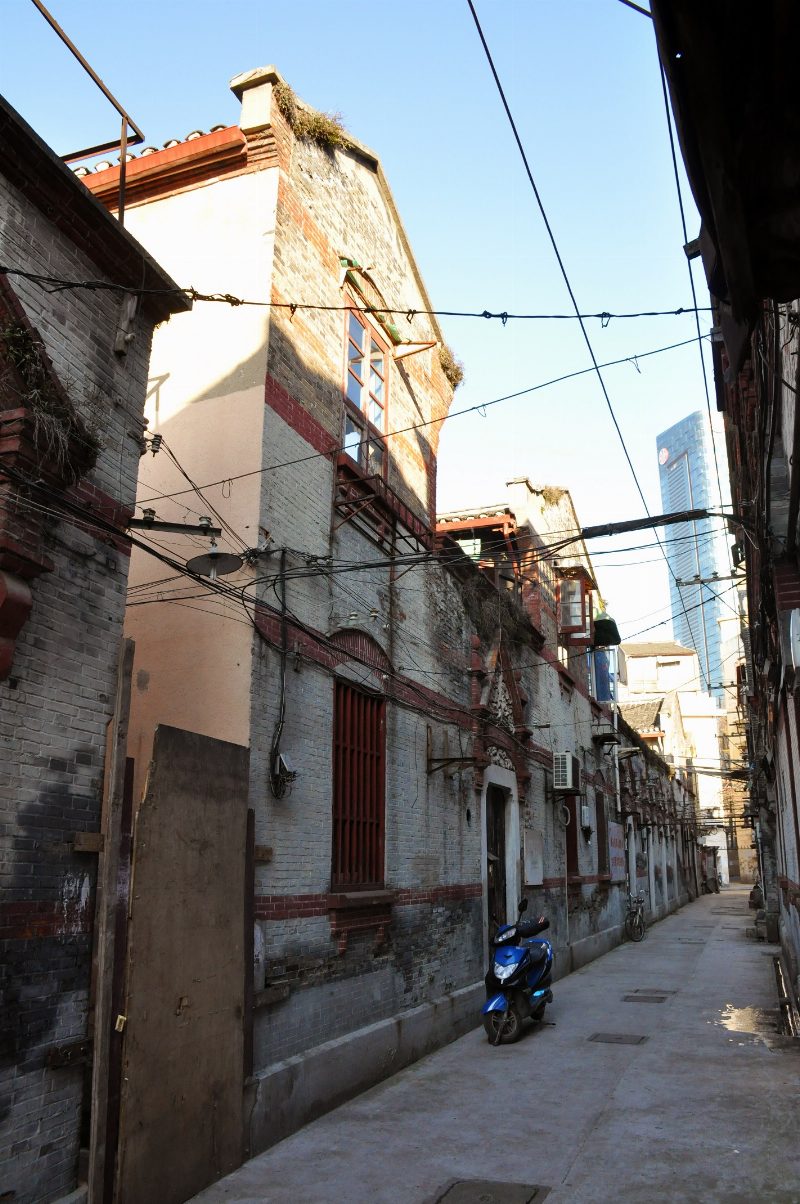
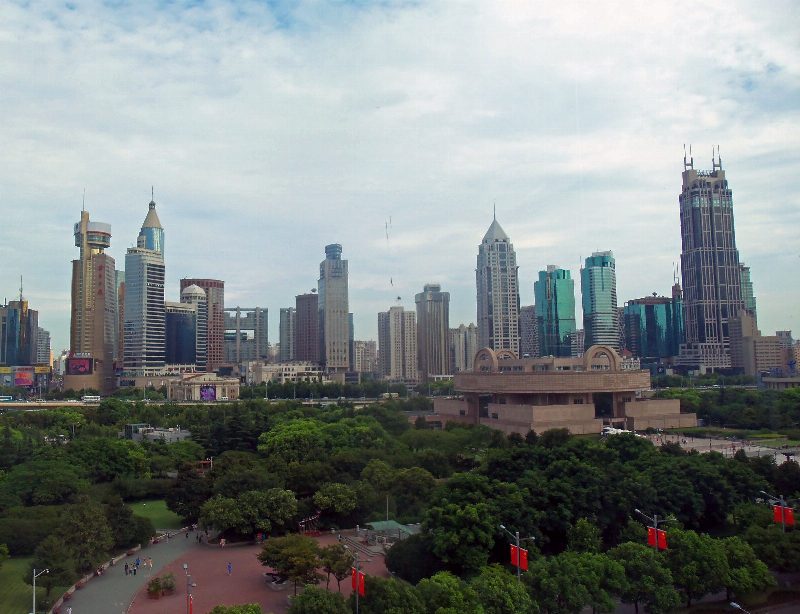
1. Location Marker of the Original Sanzengli Site: The area around 202-204 Linshan Road is where the Sanzengli Site is located. Although the original lane buildings have been demolished, there are cultural relic or historical explanation signs on site that introduce the background and era of this place as the location of the Central Bureau after the Third National Congress of the CCP. 2. Imagination of Urban Lane Texture: Visitors standing on site can combine the surrounding remaining old lanes and Shikumen buildings to imagine the residential layout of Sanzengli back in the day, understanding how the 'lane-Shikumen' became a typical space for early revolutionaries' covert activities in modern Shanghai. 3. Red Site Walking Route: Starting from or connecting through Sanzengli, visitors can combine visits to other red landmarks in Huangpu District, such as the site of the First National Congress of the CCP, 'Old Yuyangli' on Nanchang Road, and 'New Yuyangli' on Huaihai Middle Road, forming a walking route that traverses between old lanes and modern commercial districts. 4. Surrounding Urban Renewal Landscape: The former Zhabei District has now been incorporated into Jing'an District, and the nearby neighborhoods present a contrast of old and new after urban renewal. Travelers can seek red historical imprints while observing the urban landscape of Shanghai's central area, where renewal and preservation coexist.
Hours & Admission
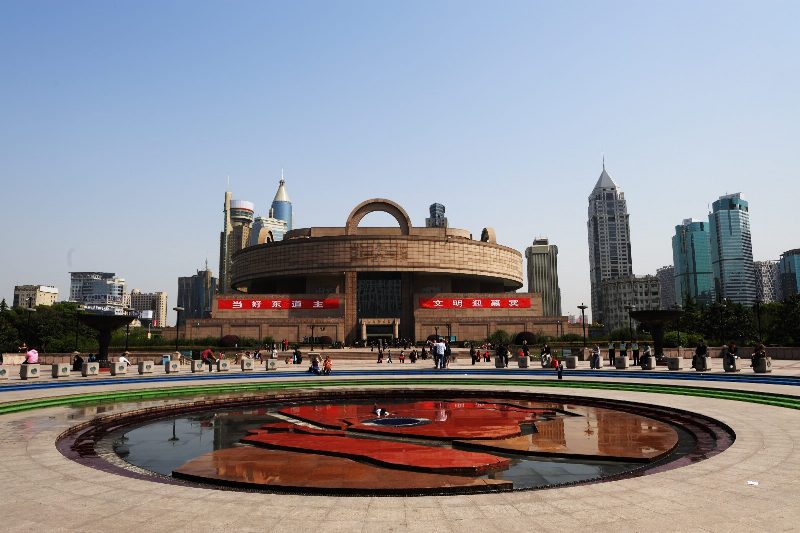
The Sanzengli Site is an open street red site, usually without a separate ticketing window. Visitors can freely visit the street section where the original site is located during the day to view external signs and plaques. The specific opening hours often depend on the surrounding residential areas and municipal management regulations, so it is advisable to plan visits during the day when there are more people and sufficient light for reading the on-site introductions and ensuring safety. If combined with visits to the memorial hall of the First National Congress of the CCP or the Shanghai History Museum, visitors should arrange their itinerary according to the opening hours and ticket prices published by each venue, as some venues require online real-name reservations for entry.
Address
202-204 Linshan Road, Baoshan Road Street, Jing'an District, Shanghai (formerly Sanzengli, Xiangshan Road, Zhabei District)
Travel Tips
It is recommended to visit the Sanzengli Site during the spring or autumn seasons or on days with milder weather. Shanghai's summers can be quite hot, and winters are often damp and cold, so it is advisable to pay attention to sun protection or warmth when staying in outdoor areas. The site mainly features external signs, and the stay is not long, making it suitable to be 'packaged' with other red sites for a half-day or full-day city party history walking itinerary, reducing transportation time for single-point visits. Since the surrounding area consists of residential communities and ordinary streets, it is advisable to be mindful of volume and politeness when taking photos or explaining, to avoid disturbing local residents' lives. It is suggested to input 'Sanzengli Site' or '202 Linshan Road' into a mobile map in advance to avoid getting lost in the dense lanes and small roads, and you can also try nearby snacks or experience the daily life scenes of ordinary Shanghai citizens.
Nearby Dining
The area around the Sanzengli Site is primarily a residential community and living street, with various local restaurants, snack shops, and breakfast stalls distributed along Linshan Road, Baoshan Road, and adjacent streets, allowing for simple meals or a hot drink before starting the walking tour. If willing to walk or take the subway to other parts of the city center, visitors can head to shopping districts like Nanjing West Road and Huaihai Middle Road, where more Chinese, Japanese, Korean, and Western restaurants and cafes are gathered, making it convenient to arrange richer meals before and after visiting red sites like the First National Congress of the CCP and Yuyangli. Travelers can also choose to buy simple meals at nearby convenience stores or chain coffee shops, enjoying the atmosphere of daily life in Shanghai while strolling through the lanes and streets.
FAQ
Q: What historical event does the Sanzengli Site mainly commemorate? A: The Sanzengli Site mainly commemorates the history of the Central Bureau of the Chinese Communist Party secretly operating here after the Third National Congress, reflecting the early activities of the Central Committee of the CCP in the urban lanes of Shanghai. This place was originally an ordinary lane residence but played an important role in connecting national party affairs, transmitting documents, and guiding movements during a specific period, thus being included in the list of Shanghai's red revolutionary sites with protective signage. Q: Are there any original buildings at the Sanzengli Site that can be visited now? A: The original lane buildings of the Sanzengli Site no longer exist. Currently, it is presented in the form of the original site location and commemorative signs and plaques. Visitors mainly learn about the historical activities of the Central Committee of the CCP through on-site text introductions and the surrounding remaining lane spaces, combining imagination and historical materials to understand the urban environment of secret activities at that time. Q: Do I need to buy tickets or make reservations to visit the Sanzengli Site? A: Generally, no tickets or reservations are required to visit the Sanzengli Site itself, as it is an open street red site, mostly allowing for free visits and short stays. If your itinerary includes indoor exhibition venues like the memorial hall of the First National Congress of the CCP or the Shanghai History Museum, you should check in advance whether online reservations or ticket purchases are required according to each venue's regulations. Q: Is transportation convenient to the Sanzengli Site? A: It is relatively convenient to reach the Sanzengli Site. You can first take the Shanghai Metro or city bus to the Baoshan Road and Linshan Road area and then walk a few minutes to the original site. It is recommended to use a mobile map with keywords like '202-204 Linshan Road' or 'Sanzengli Site' for navigation to accurately find the commemorative point in the densely packed lanes. Q: How long should I plan to stay at the Sanzengli Site? A: The typical stay time at the Sanzengli Site is about 15 to 30 minutes, mainly for reading the on-site introduction, taking photos, and observing the surrounding lane spaces. A better approach is to connect it with other red sites like the First National Congress of the CCP and Yuyangli, designing a half-day or full-day party history city walking itinerary for a more complete historical context experience.