Molo Church (St. Anne Parish Church)
Philippines · Western Visayas · Iloilo City · Navais · Landmarks
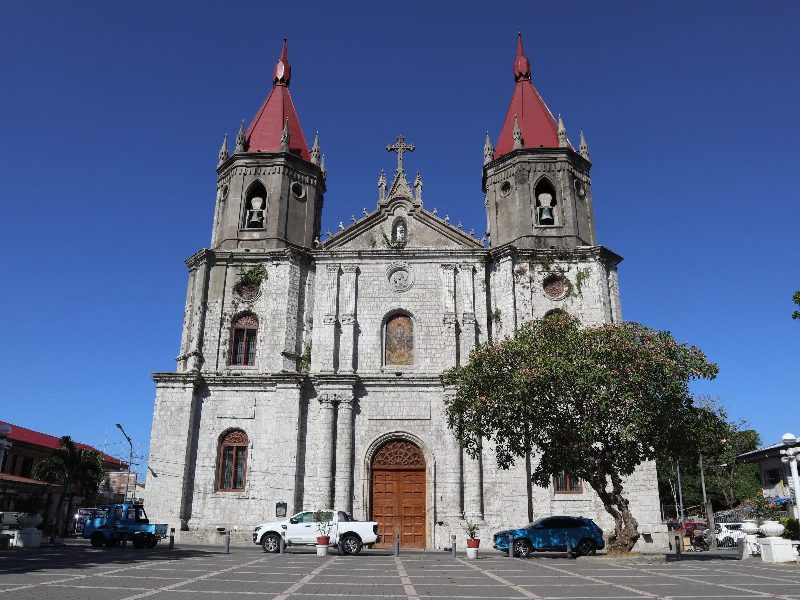
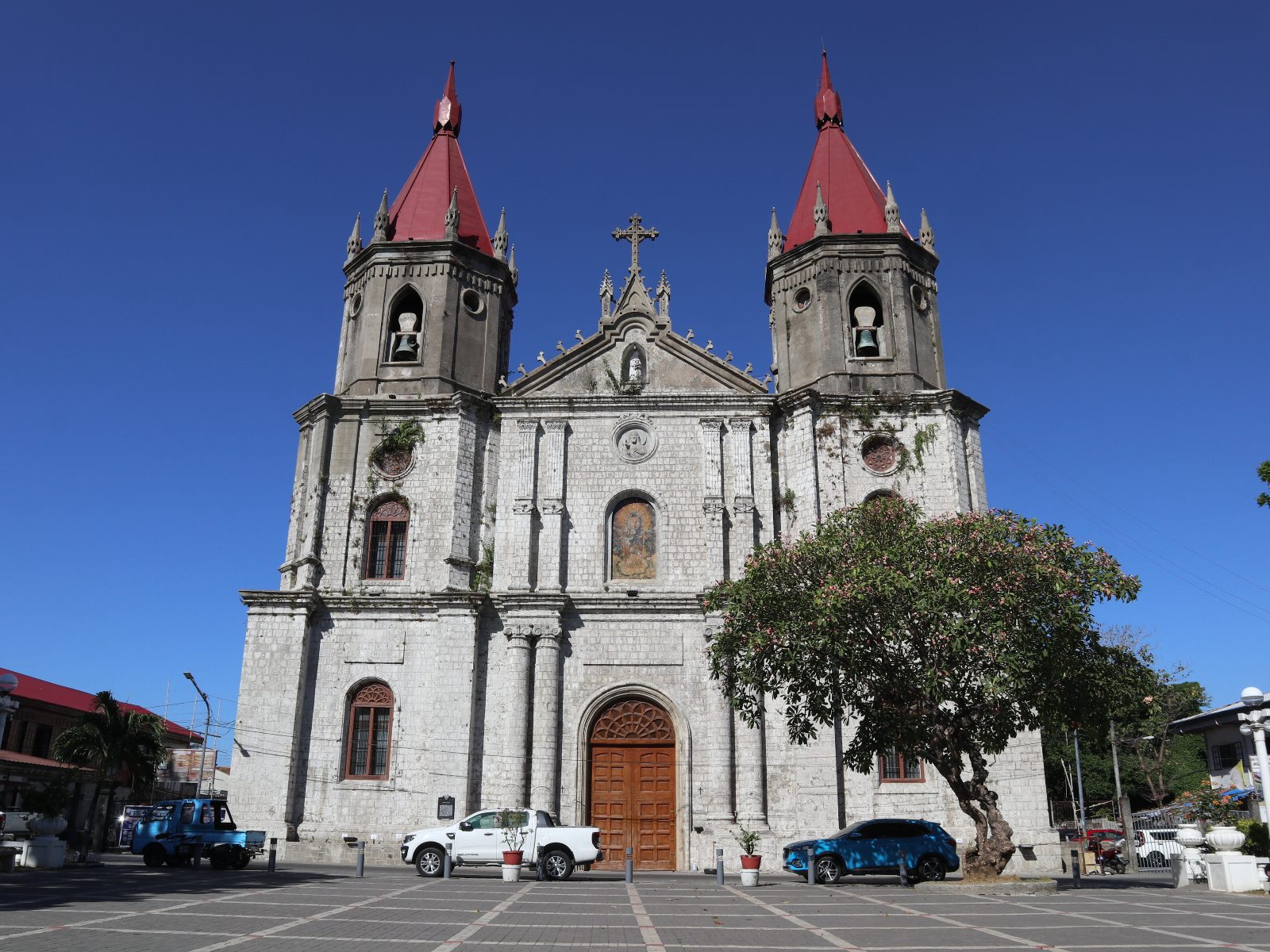
Image source: Wikimedia Commons; license credits as shown.
Overview
Molo Church is a Spanish colonial Catholic church located in the Molo district of Iloilo City, Philippines, renowned for its stunning blend of Gothic and Renaissance architectural styles. Officially known as St. Anne Parish Church, this national historical landmark, often referred to as the 'Women's Church', is unique for exclusively honoring female saints and is one of the most representative cultural and religious tourist attractions in Iloilo City.
Getting There
To reach Molo Church, you can take a jeepney from Iloilo City with routes marked Molo or Villa Arevalo and get off near Molo Plaza, then walk about 3 to 5 minutes to the church. A taxi ride from the city center to the church typically takes about 10 to 15 minutes, depending on traffic conditions.
Highlights
Molo Church is one of the few Spanish colonial churches in the Philippines designed in the Gothic style, and it was declared a national historical landmark by the National Historical Commission in 1992. The church features two red spires, a façade made of white coral stone, and pointed arch windows that showcase typical Gothic elements, while the interior combines Renaissance-style domes with ornate altar decorations. It is known as the 'Women's Church' or 'Feminist Church' due to its exclusive veneration of female saints, making it an important site for studying the reverence of female saints and local religious culture.
What to See
The church's façade is constructed of white coral stone, complemented by two striking red spires, making it one of the most recognizable skylines in the Molo district. Inside, there are five Gothic main and side altars, with intricate pointed arches, ribbed vaults, and wooden carvings that showcase 19th-century ecclesiastical craftsmanship. There are 16 statues of female saints lining the columns on either side of the nave, including St. Mozella, St. Apollonia, St. Isabel, St. Monica, St. Mary Magdalene, St. Lucia, St. Rose of Lima, St. Therese, and St. Kateri, which are focal points for many female worshippers. The main altar features a statue of St. Anne, the patron saint of Molo, symbolizing the church's reverence for motherhood and family, and serving as an important symbol for local residents seeking blessings for their families and children. Molo Plaza, facing the church, retains the colonial town layout and features a bandstand and open grassy areas, often serving as a space for residents to relax and take photos.
Hours & Admission
Molo Church is an active parish church open to both worshippers and visitors on weekdays and weekends, although hours may vary slightly depending on mass schedules and events. Generally, daytime visits from morning to evening are most suitable, and visitors are advised to maintain silence and avoid taking photos in front of the altar during mass. There is no admission fee to enter the church, but small donations to support its maintenance and upkeep are encouraged. Main mass times are typically concentrated on Sunday mornings, and those wishing to attend mass can confirm the weekly schedule in advance with the local tourism service center or church notice board.
Address
Molo Church, San Pedro Street, Molo, Iloilo City, Iloilo, Philippines
Travel Tips
It is recommended to visit Molo Church during the day to fully appreciate the texture of the coral stone façade and the effects of colored glass light. The lighting is softer in the morning and evening, making it more comfortable and less hot. As a religious site, it is advisable to dress modestly, avoiding sleeveless tops and very short shorts, and to remain quiet and respectful during services. The area surrounding the church is a traditional Molo community, where you can stroll around Molo Plaza and nearby historic houses, while being mindful of personal belongings in a generally relaxed atmosphere. Iloilo City has a tropical climate, making it suitable for visits year-round; however, during the rainy season (approximately June to November), it is advisable to carry rain gear to avoid disruptions to walking and photography. The church served as a refuge during World War II and has withstood multiple earthquakes and typhoons, so pay attention to the wall and structural details during your tour to feel its historical layers and sturdy craftsmanship.
Nearby Dining
Molo district is a hub for traditional Iloilo cuisine, with several local eateries and cafes within walking distance of the church, where you can try La Paz Batchoy, grilled chicken, and other local dishes. There are often street vendors around Molo Plaza selling snacks and drinks, making it a great choice to experience local daily life; however, it is advisable to carry a small amount of cash and be mindful of hygiene. If you prefer dining in a comfortable environment, you can ask your accommodation's front desk or local guides for recommendations on well-rated restaurants and cafes in Molo or the city center, most of which are about a 10 to 15-minute drive from the church.
FAQ
Q: What are the features of Molo Church? A: The most notable feature of Molo Church is its blend of Gothic and Renaissance architectural styles, and it is called the 'Women's Church' due to the presence of 16 statues of female saints. The church is famous for its white coral stone façade and red spire towers, and it contains multiple Gothic altars and statues of female saints, making it an important site for studying religious art and gender symbolism. Q: Why is Molo Church referred to as the 'Women's Church' or 'Feminist Church'? A: Molo Church is called the 'Women's Church' because it exclusively honors female saints, with 16 statues of female saints positioned along the columns on either side of the nave. This arrangement, focusing on female saints, is extremely rare in Philippine churches, making it a unique symbol of female strength and reverence. Q: How do I get to Molo Church from Iloilo City? A: The most convenient way to get to Molo Church from Iloilo City is to take a jeepney marked Molo or Villa Arevalo, and get off at Molo Plaza or a nearby stop, then walk about 3 to 5 minutes to the church. If you choose to take a taxi, the ride typically takes about 10 to 15 minutes depending on traffic, and you can simply tell the driver to go to 'Molo Church' or 'St. Anne Parish Church.' Q: Is there an admission fee to visit Molo Church? A: There is no admission fee to visit Molo Church, as it is open to worshippers and visitors as a parish and historical landmark. There is usually a donation box on site, and if you wish to support the church's maintenance and repairs, you may freely contribute a small amount. Q: Are there any dress code or etiquette rules for visiting Molo Church? A: Molo Church is a Catholic sacred site, so it is recommended to dress modestly, avoiding sleeveless, backless, or very short clothing, and to maintain silence inside the church, especially during mass or prayer. If you wish to take photos, avoid using flash in front of the altar or towards worshippers who are praying, and follow the guidance and reminders of church personnel on site. Q: What is the best time to visit Molo Church? A: Molo Church can be visited year-round, with early morning and evening being ideal times for capturing the church's exterior and exploring the interior due to softer lighting and cooler temperatures. If you want to experience the local religious atmosphere, consider visiting around Sunday morning mass times, but be prepared for larger crowds and maintain politeness and quietness.