Myokaku-ji
Japan · 大田區 · Temples & Shrines
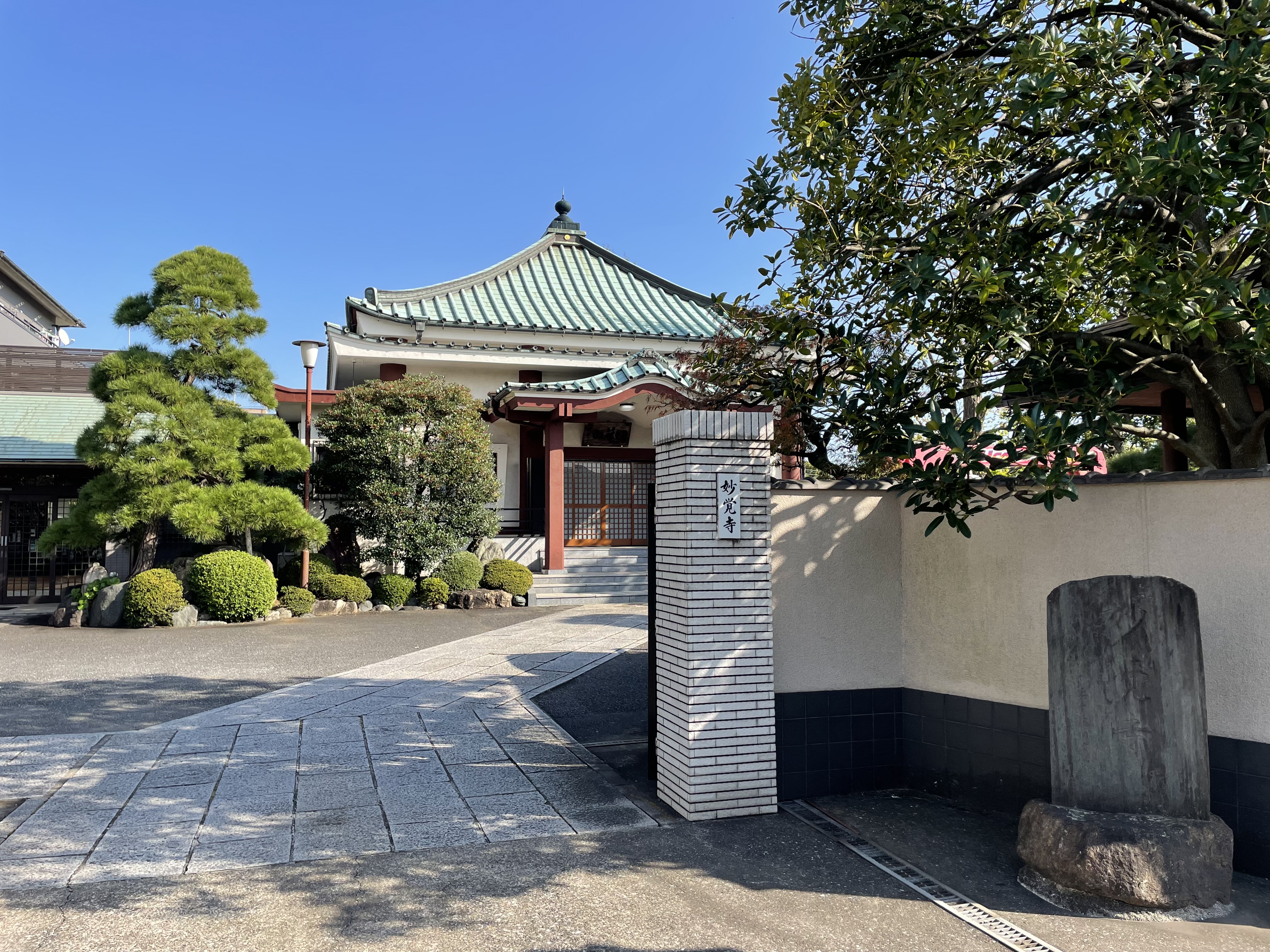
Image source: Wikimedia Commons; license credits as shown.
Overview
Myokaku-ji is a small Buddhist temple located in Haginaka, Ota City, Tokyo. The environment is tranquil and simple, primarily serving local devotees and nearby residents. The temple architecture retains traditional Japanese temple style, combined with residential street scenery, presenting an everyday faith space with a downtown atmosphere.
Getting There
To reach Myokaku-ji, take the Keikyu Line to 'Koujiya Station' or 'Otorii Station', and walk about 10 to 15 minutes to arrive at the temple area in Haginaka (walking time is estimated based on the location in Ota City).
Highlights
Myokaku-ji is a community-oriented Buddhist temple, characterized by its quiet residential area and uncrowded worship space, making it suitable for travelers who wish to experience the everyday faith atmosphere of downtown Tokyo. The temple is not large and lacks major tourist facilities or crowds, allowing for a more genuine experience of temple life in the urban setting of Japan. Located in the Haginaka area of Ota City, there are several other temples nearby, making it possible to arrange a short walking route to enjoy the local neighborhoods and park green spaces.
What to See
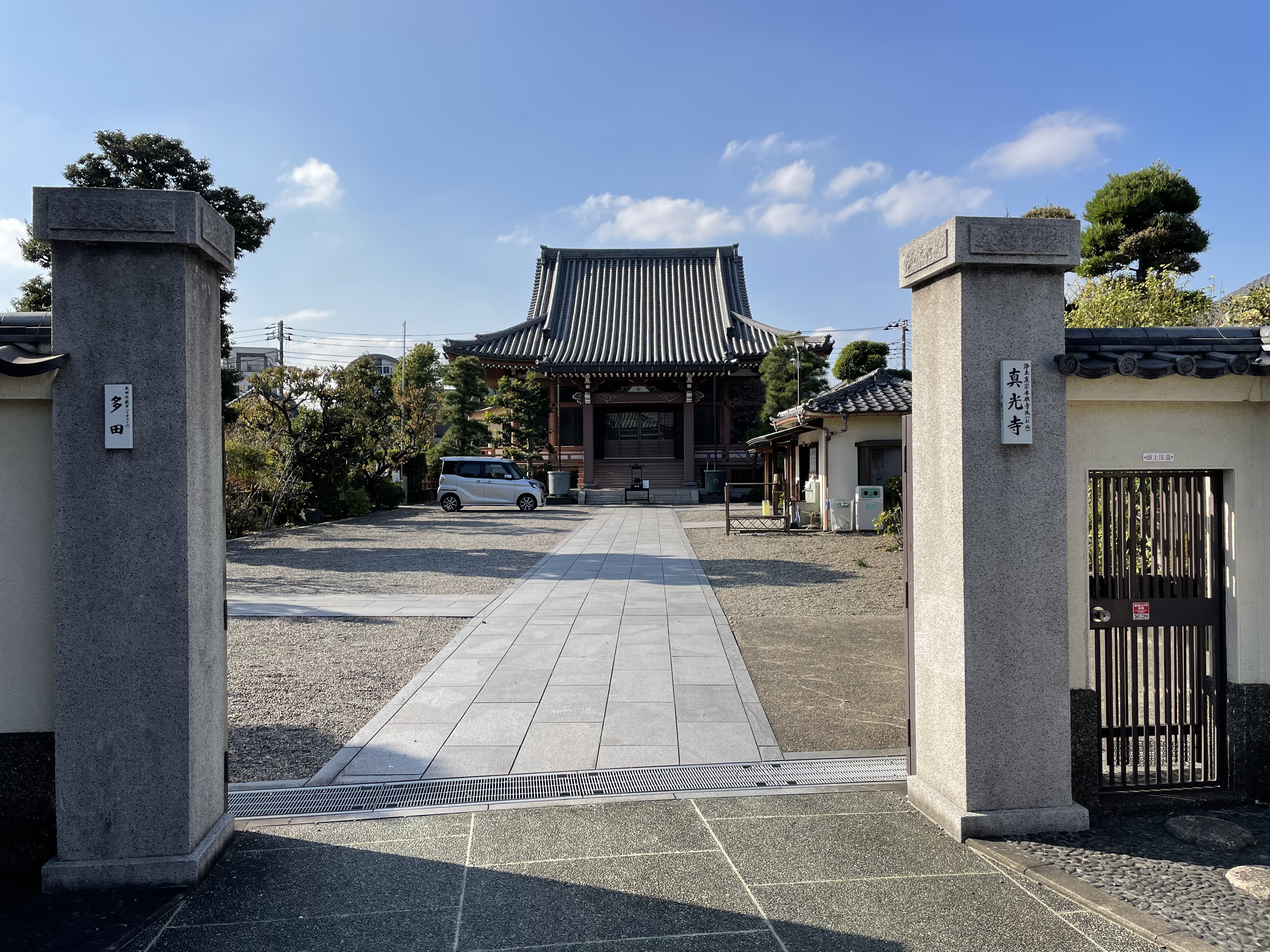
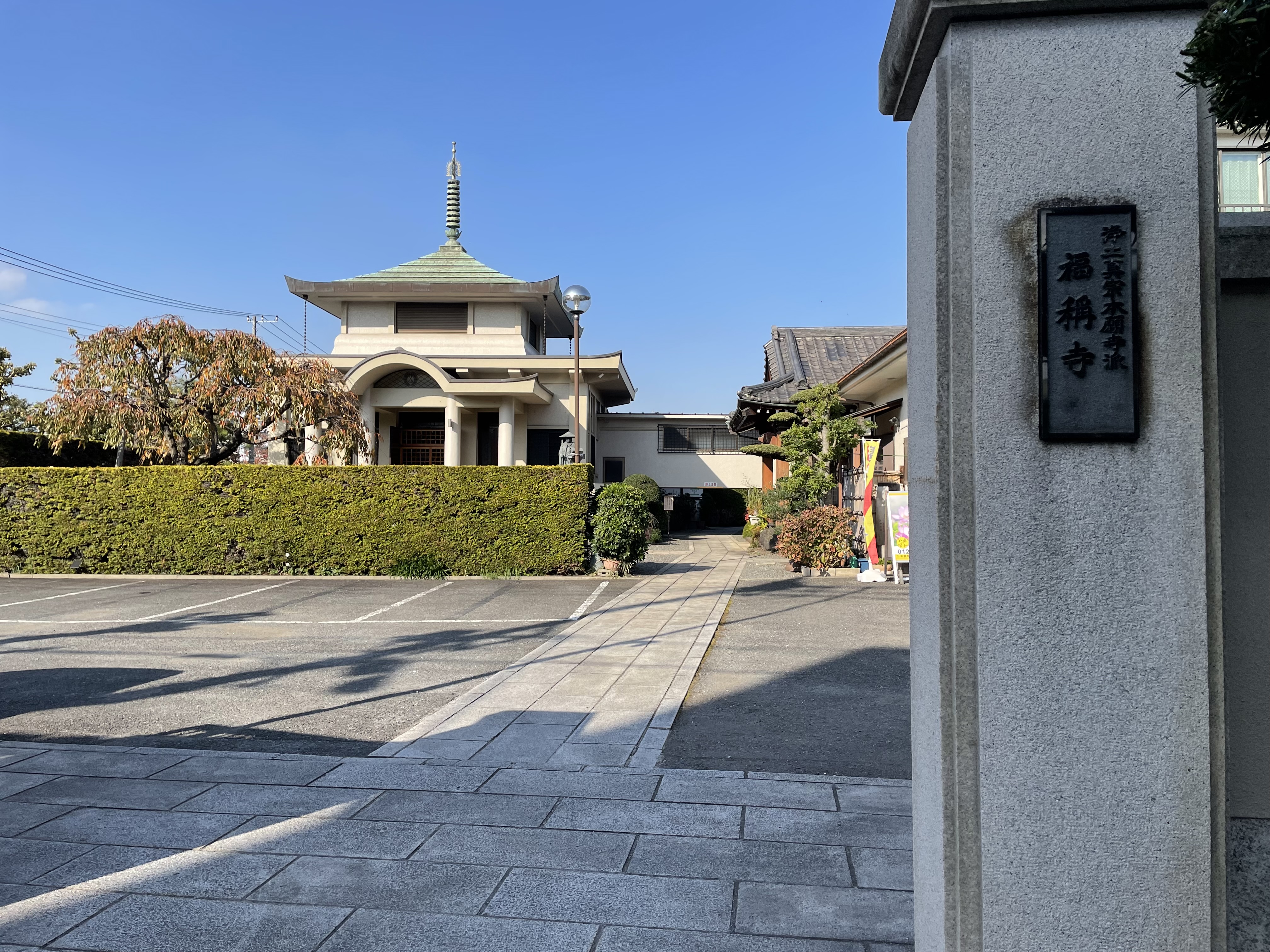
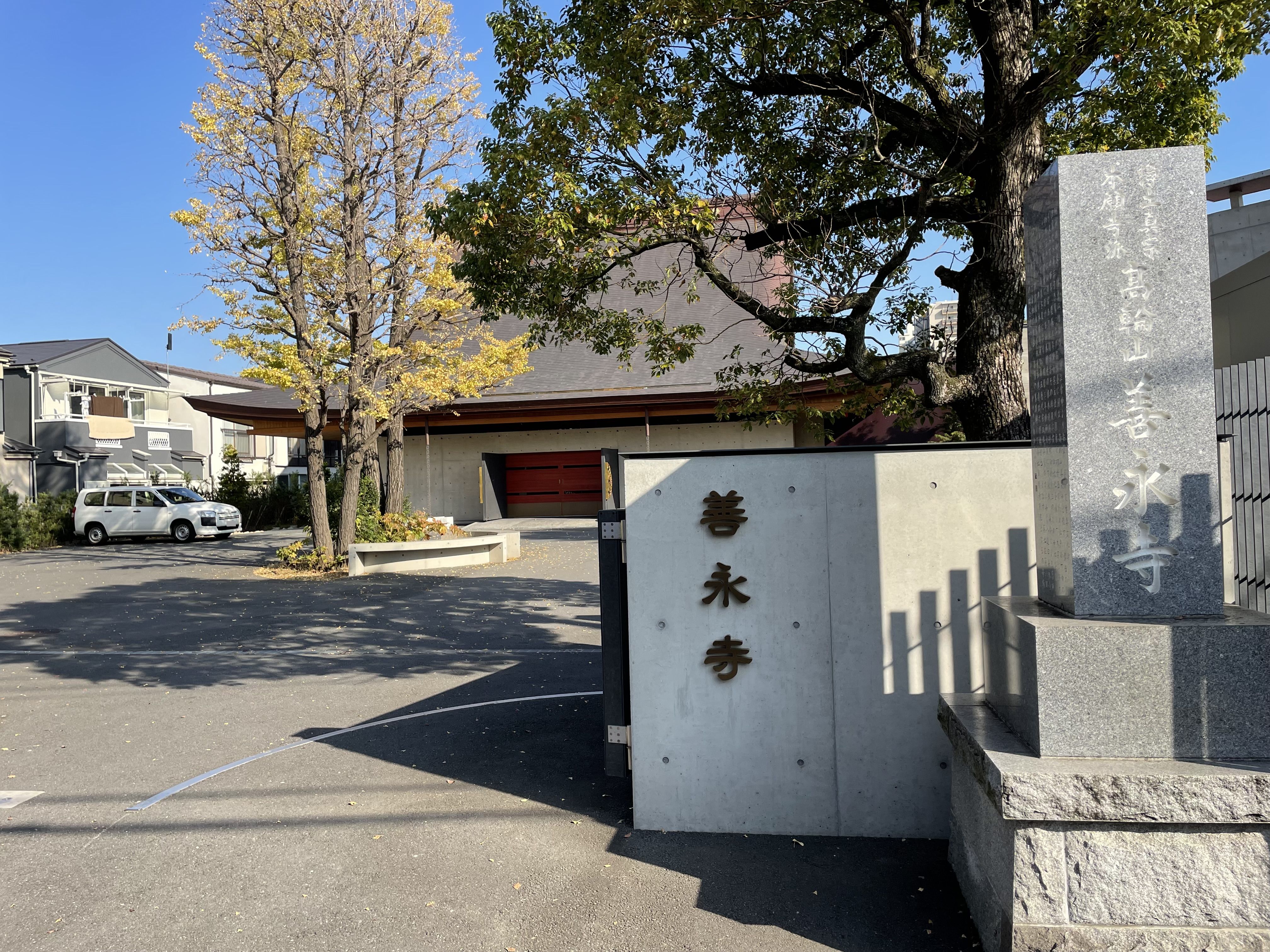
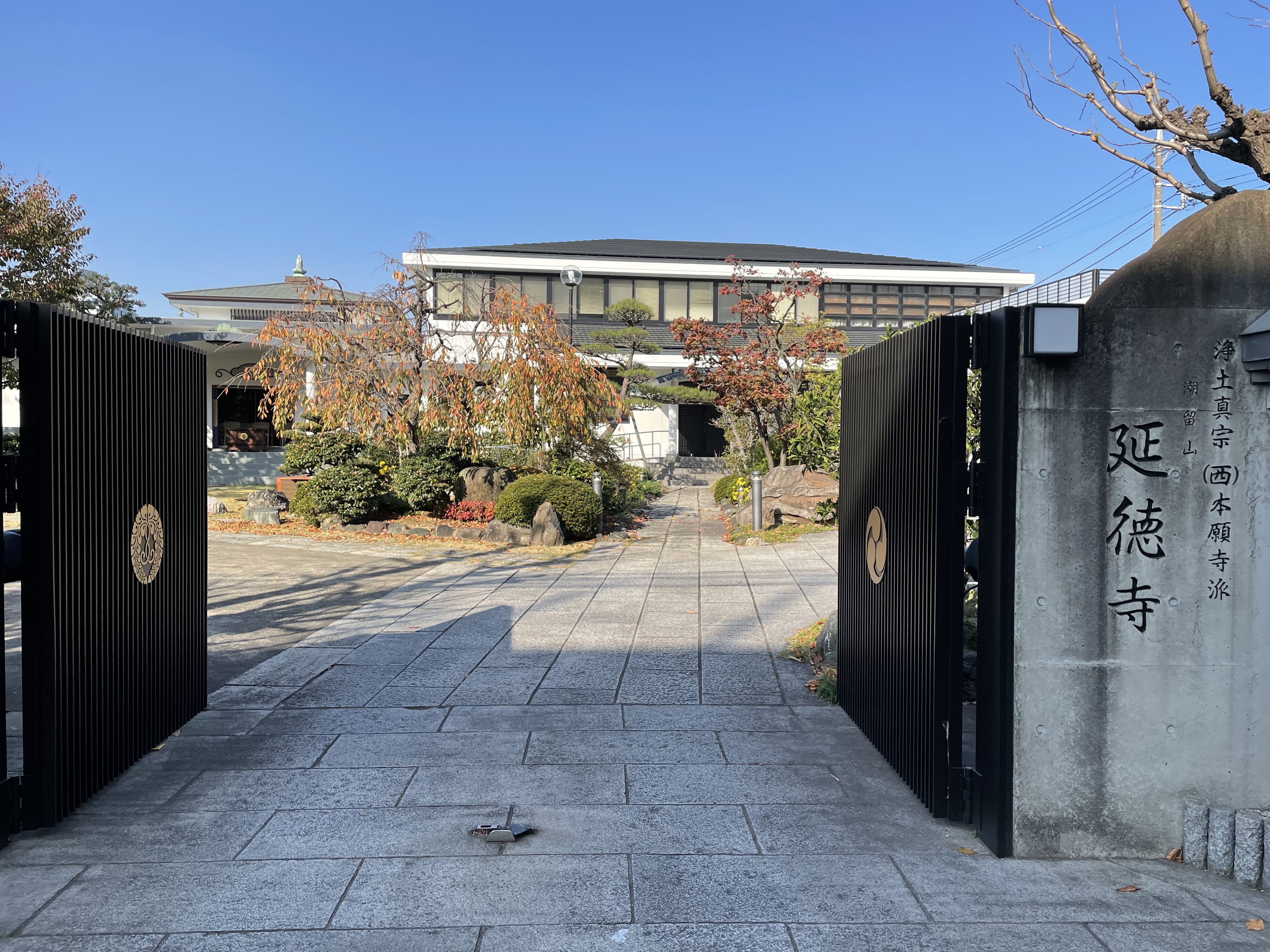
Main Hall: The main hall of Myokaku-ji is a typical wooden structure of a Japanese temple, featuring a gently sloping roof and a simple exterior, providing a space for daily worship and ceremonies. Mountain Gate and Temple Front Space: The small plaza and entrance area of the temple are closely connected to the residential streets, creating a sense of intimacy between the temple and the community. Interior Landscape: Within the temple grounds, you can see minimalist landscaping and stone elements. Although it is not a tourist garden, it still creates a quiet and stable religious atmosphere.
Hours & Admission
As a local Buddhist temple, Myokaku-ji is generally open to nearby residents and worshippers, with no clearly marked tourist opening hours or admission fees (this is based on general temple practices). It is recommended that visitors come during the day to respect the temple's schedule and the peace of nearby residents. Special ceremonies or events may be limited to devotees or related individuals, so please pay attention to notices at the entrance during such times and avoid disturbing the activities.
Address
Japan, Tokyo, Ota City, Haginaka (within the Myokaku-ji grounds, located based on photo data of Myokaku-ji in Haginaka, Ota City)
Travel Tips
Myokaku-ji is not large, so it is recommended to combine it with other temples, the Kamata shopping street, or a walk along the Tamagawa River for a half-day or regional walking itinerary. Please maintain silence during your visit, avoid loud conversations or occupying space as a group, to respect local residents and worshippers. The area surrounding the temple is primarily residential, with shops and dining options concentrated near the nearest stations, so it is advisable to dine around Koujiya Station, Otorii Station, or Kamata. The best time to visit on foot is during the pleasant spring and autumn seasons; please be cautious of slippery surfaces in the courtyard during rainy days. The temple is not a tourist facility, so if you wish to take photos, it is recommended to do so only outside the temple or in areas that do not interfere with worship, and to avoid photographing personal prayers or ceremony scenes.
Nearby Dining
Due to the residential nature surrounding Myokaku-ji, dining options near the temple are limited. It is recommended to eat around the nearby stations: Around Koujiya Station: There are several ramen shops, izakayas, and cafes, suitable for a simple meal or drink before or after worship. Around Otorii Station: Closer to the airport direction, there are slightly more restaurant options, including chain cafes, family restaurants, and small to medium-sized Japanese diners. Around Kamata Station (accessible by transfer): For a wider variety of food options, you can head to the Kamata area, which is home to izakayas, famous gyoza shops, and street food, making it a suitable dining hub.
FAQ
Q: Is Myokaku-ji primarily a temple or a shrine? A: Myokaku-ji is a Buddhist temple, not a shrine, belonging to the traditional form of Japanese Buddhist temples, serving the daily worship and ceremonial needs of local devotees. Although some sources may refer to small temples collectively as 'shrines and temples', the architecture and name of Myokaku-ji clearly indicate that it is a temple. Q: Is there an admission fee or reservation required to visit Myokaku-ji? A: Myokaku-ji typically does not charge an admission fee and does not require prior reservations for general worshippers, as it is a freely accessible local Buddhist temple (based on general practices of small temples in Tokyo). However, the temple primarily serves the community's faith, so it is recommended that visitors only make brief visits for worship and walking, and not treat it as a major tourist attraction, avoiding lingering during busy times or ceremonies. Q: What is the most convenient way to get to Myokaku-ji in Haginaka, Ota City? A: The most convenient way to reach Myokaku-ji in Haginaka, Ota City, is to take the Keikyu Line to 'Koujiya Station' or 'Otorii Station', and then walk about 10 to 15 minutes (estimated based on the geographical location in Ota City). You can also transfer from Kamata Station to a bus heading towards Haginaka, then walk a few minutes to reach the residential area around the temple. Q: Are there other attractions worth visiting near Myokaku-ji? A: The area around Myokaku-ji is a mixed residential and commercial zone, allowing for a walking route that includes nearby temples, parks, and shopping streets, such as other small temples in Ota City, Haginaka Park, or the shopping streets and hot spring facilities in the Kamata area. Since the area is more residential, it is suitable for travelers interested in the everyday scenery of Tokyo. Q: Is Myokaku-ji suitable for taking photos? A: Myokaku-ji is more suitable for quiet worship and experiencing the local atmosphere rather than being a dedicated photo spot. If you wish to take photos, it is recommended to do so only outside the temple or from angles that do not disturb worship, and to avoid photographing others' prayers, ceremonies, or private rituals, as a sign of respect.