Namba Yasaka Shrine
Japan · 大阪市 · Temples & Shrines
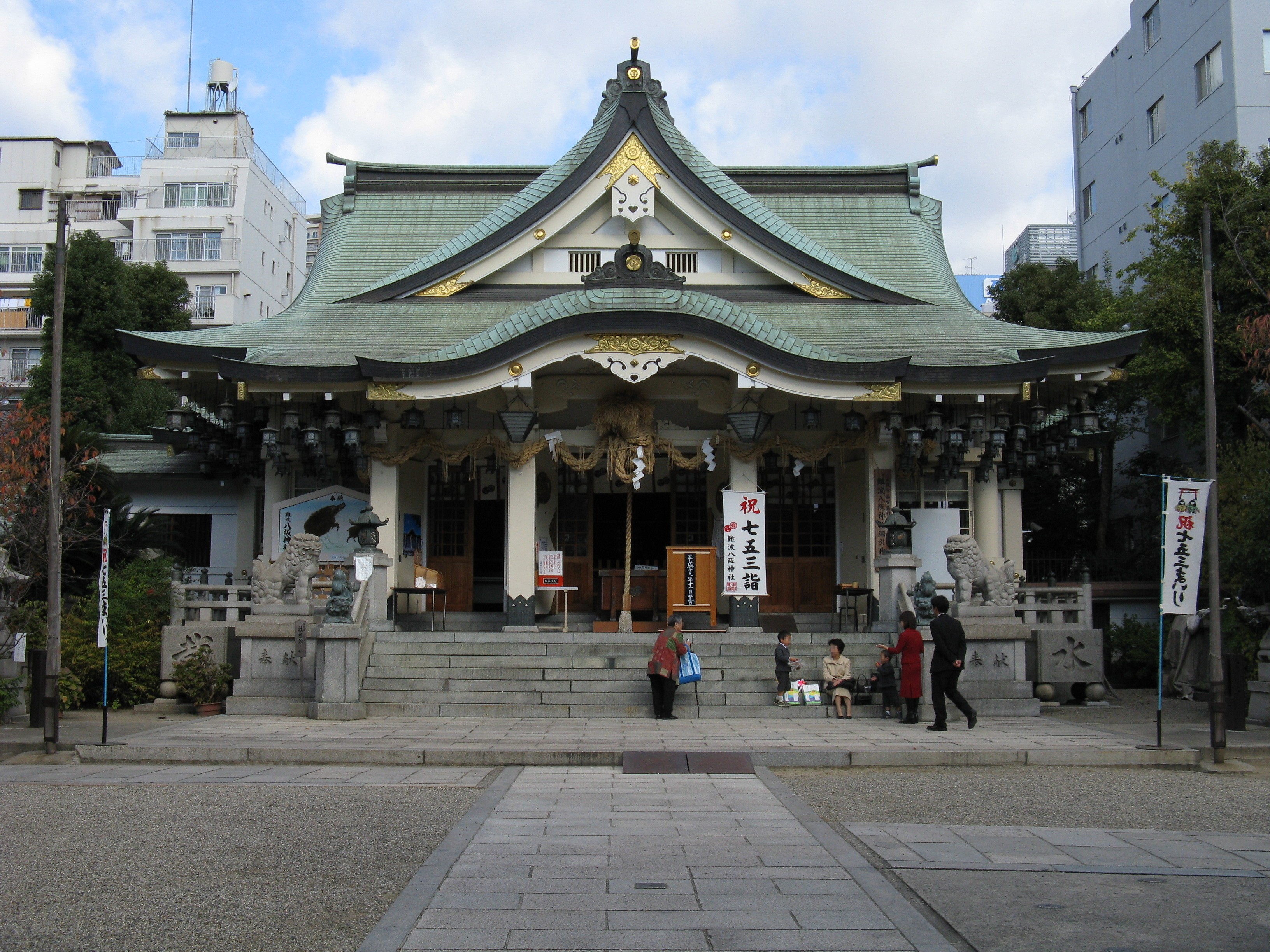
Image source: Wikimedia Commons; license credits as shown.
Overview
Namba Yasaka Shrine is an urban shrine located in the Namba area of Naniwa Ward, Osaka, famous for its giant lion head stage and as a popular photo spot. The shrine primarily enshrines the deity Susanoo and is regarded as a 'power spot' for warding off evil, dispelling epidemics, and enhancing various fortunes. In recent years, it has become a favorite among domestic and international travelers as well as social media photography enthusiasts. Although the grounds are not large, the unique architectural style and rich local festival culture showcase the charm of Osaka's common people.
Getting There
The most convenient way to reach Namba Yasaka Shrine is to take any line to 'Namba Station' or 'Nankai Namba Station', and then walk about 6 to 8 minutes to arrive. From Osaka Metro Midosuji Line and Yotsubashi Line 'Namba Station', it takes about 6 to 8 minutes on foot, and it is about a 6-minute walk from Nankai Electric Railway 'Nankai Namba Station'. You can also walk from JR Namba Station.
Highlights
The most distinctive feature of Namba Yasaka Shrine is its giant lion head stage, which stands about 12 meters high, 11 meters wide, and 10 meters deep. It is seen as a symbol of devouring misfortune and bringing victory and good luck. The shrine is said to have been established during the reign of Emperor Nintoku and has long been regarded as the guardian deity of the Namba area. It became widely known as an ancient shrine associated with the Gion Gozu Tenjin faith during the Edo period. The 'Tsunahiki Shinto Ritual' held on the third Sunday of January is quite famous, linked to the legend of Susanoo slaying the eight-headed serpent, and has been designated as Osaka's first intangible folk cultural asset. Located next to Osaka's 'Minami' entertainment district, it retains a quiet and solemn atmosphere, making it a multifaceted spot that combines faith, festivals, and photo opportunities.
What to See
・Lion Head Stage: The giant lion head structure, resembling a roaring lion, is the representative landscape of Namba Yasaka Shrine, standing about 12 meters high, 11 meters wide, and 10 meters deep. It is often seen as a symbol of 'absorbing misfortune and devouring worries' and is the most popular photo backdrop. ・Main Shrine and Shrine Complex: The current shrine buildings were reconstructed after the war, with the main shrine completed in 1974, preserving an elegant yet simple modern shrine style that contrasts with the visually striking lion head. ・Small Shrines and Stone Tablets: The grounds feature several small shrines and memorials dedicated to related deities and commemorating the history of rituals, allowing visitors to walk around and experience local faith culture. ・Festival and Tsunahiki Shinto Ritual Venue: The Tsunahiki Shinto Ritual held on the third Sunday of January takes place within the shrine and surrounding area, featuring festive decorations and lively traditional activities, making it an excellent opportunity to experience Osaka's local festival culture.
Hours & Admission
Visiting Namba Yasaka Shrine is free, with no admission fees required. The general opening hours are from 6:00 AM to 5:00 PM, and the hours for receiving amulets and goshuin (temple seals) are usually from 9:00 AM to 5:00 PM, making it suitable for daytime visits. The shrine is open year-round, allowing visitors to enter freely even on weekdays, but it may be crowded during major festivals, so arriving early is recommended. If you plan to receive a goshuin or participate in various blessing rituals, it is advisable to visit during the daytime and allow time for queuing and waiting.
Address
〒556-0016 Osaka Prefecture, Osaka City, Naniwa Ward, Motomachi 2-9-19.
Travel Tips
The best way to visit Namba Yasaka Shrine is to include it in a walking itinerary around the Namba and Shinsaibashi areas, as it is about a 6 to 8-minute walk from various Namba stations. Along the way, you can also conveniently visit popular areas like Dotonbori and Nipponbashi. The main highlights within the shrine are the giant lion head stage and the main shrine, with a stay of about 20 to 40 minutes being sufficient. Photography enthusiasts may want to allocate more time for taking pictures. Visiting in the morning or on weekdays tends to have fewer crowds, making it ideal for those wanting to capture empty scenes and enjoy a quiet visit; weekends and festival periods offer a livelier local atmosphere. The shrine does not have a large parking lot, so it is recommended to use public transportation, or if driving, utilize nearby coin-operated parking lots. When taking photos, please respect the worshippers' paths and rituals, avoid occupying prime spots in front of worshippers for extended periods, and be mindful not to photograph in prohibited areas.
Nearby Dining
The area surrounding Namba Yasaka Shrine is part of Osaka's famous 'Minami' food district, where you can find local specialties like takoyaki, kushikatsu, udon, and okonomiyaki along the route from Namba Station to Dotonbori. It is about a 10-minute walk from the shrine to the banks of the Dotonbori River and Ebisubashi, where you can enjoy famous takoyaki and okonomiyaki specialty shops, making it a great choice for replenishing energy before or after your visit. The underground shopping street at Namba Station, around Nankai Namba Station, and Takashimaya department store also have many cafes and Western and Japanese restaurants, suitable for travelers looking for indoor seating to rest. If you prefer a quieter atmosphere, walking towards Motomachi or Daikokucho will lead you to small cafes and family-style eateries hidden in the alleys, offering a more local flavor than the bustling areas.
FAQ
Q: What is special about Namba Yasaka Shrine? A: The most special feature of Namba Yasaka Shrine is its giant lion head stage, which stands about 12 meters high and is seen as a symbol of devouring misfortune and bringing victory and good luck. This lion head-shaped structure is not only one of Osaka's representative landscapes but has also become a highly talked-about photo backdrop on social media due to its striking visual effect. The shrine primarily enshrines the deity Susanoo and has long been a guardian deity for the residents of the Namba area, known for the Tsunahiki Shinto Ritual held on the third Sunday of January, which has been designated as an intangible folk cultural asset of Osaka City. Q: How do I get to Namba Yasaka Shrine, and how far is it from Namba Station? A: Namba Yasaka Shrine is about a 6 to 8-minute walk from various lines at Namba Station, making it quite convenient to reach from downtown Osaka. You can take the Osaka Metro Midosuji Line or Yotsubashi Line to 'Namba Station', then walk about 6 minutes in the direction of the national highway; it is also about a 6-minute walk from Nankai Electric Railway 'Nankai Namba Station'. The Kintetsu and Nankai Namba stations are also within a 6 to 8-minute walking range. From JR Namba Station, it takes about 10 to 12 minutes to walk south, generally crossing through city streets to reach the Motomachi 2-chome area in Naniwa Ward. Q: Is there an admission fee or reservation required to visit Namba Yasaka Shrine? A: Visiting Namba Yasaka Shrine is completely free, and general visits do not require tickets or prior reservations. The shrine's opening hours are usually from 6:00 AM to 5:00 PM, and the hours for receiving amulets and goshuin are generally between 9:00 AM and 5:00 PM. If you wish to receive a goshuin, it is recommended to visit during the daytime. For special blessings or ceremonies such as weddings, prior consultation and reservation according to the shrine's regulations are required, which can be done via phone or through the official website. Q: What are the opening hours of Namba Yasaka Shrine? Can I visit in the evening? A: The standard opening hours of Namba Yasaka Shrine are from 6:00 AM to 5:00 PM, with amulets and goshuin typically processed from 9:00 AM to 5:00 PM. While some information mentions flexible visiting hours, it is safer to adhere to the officially published opening times. If you want to take clear photos of the lion head stage, it is advisable to visit during the day when there is ample light; crowds are smaller before closing time in the evening, but be aware that you may not be able to receive amulets or goshuin at that time. Q: Is there a recommended season or time to visit Namba Yasaka Shrine? A: Namba Yasaka Shrine can be visited in all seasons, but the Tsunahiki Shinto Ritual held on the third Sunday of January and the New Year period are the most festive times. Spring and autumn have more comfortable weather, making it ideal for strolling around Namba and Dotonbori; summer days can be quite hot, so it is recommended to visit in the morning or during cooler afternoon hours. On weekdays, mornings to noon tend to have fewer tourists, making it suitable for those wanting a quiet visit and to capture empty scenes; weekends and holidays see more crowds, especially during midday and afternoon hours. Q: Can I take photos and videos at Namba Yasaka Shrine? A: Generally, visitors are accepted to take photos of the lion head stage and the exterior at Namba Yasaka Shrine as a memento, and this is one of the main purposes for many tourists. However, basic etiquette should still be maintained while photographing, avoiding occupying prime spots in front of worshippers for extended periods, using flash to disrupt rituals, or photographing in prohibited areas. If engaging in commercial photography, wedding shoots, or using large equipment, it is advisable to confirm with the shrine in advance whether an application and fee are required and to follow the instructions of the on-site staff. Q: Does Namba Yasaka Shrine offer goshuin and amulets? A: Namba Yasaka Shrine provides services for amulets and goshuin, usually processed at the shrine office between 9:00 AM and 5:00 PM daily. The contents of the amulets include warding off evil, dispelling epidemics, luck in competitions, good relationships, and safe childbirth, corresponding with the shrine's main deity and faith themes. If you wish to collect goshuin, it is recommended to bring your own goshuin book and visit during quieter times, such as just after opening or before closing, to avoid encountering queues; for group visits, it is best to confirm reception arrangements with the shrine in advance.