
National Women's History Exhibition Hall
South Korea · 京畿道 · 高陽市 · 德陽區 · Landmarks
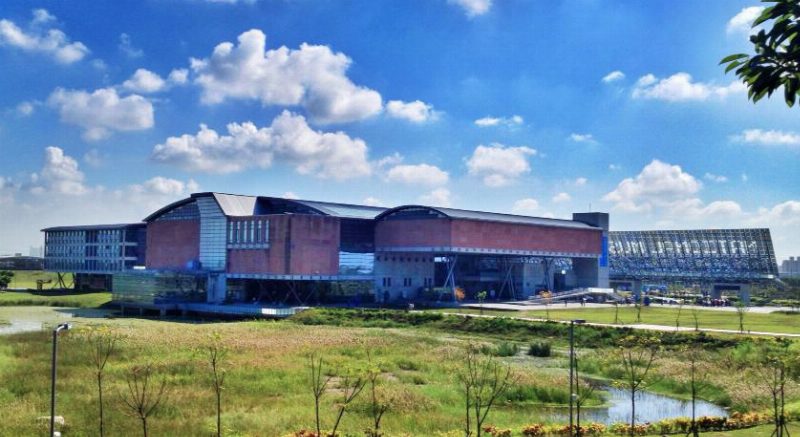
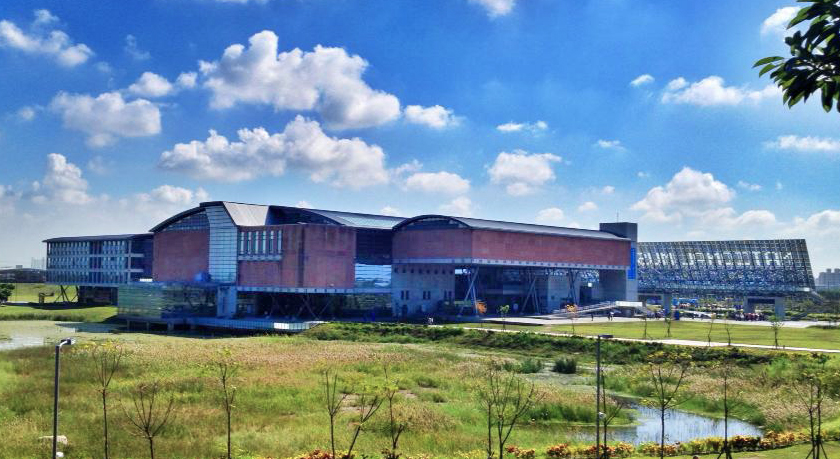
Image source: Wikimedia Commons; license credits as shown.
Overview
The National Women's History Exhibition Hall is the first exhibition hall and cultural space in South Korea dedicated to the theme of women's history, committed to preserving and interpreting the lives and contributions of Korean women throughout different eras. Originally located in Daebang-dong, Seoul, it moved to its current site in Deogyang District, Goyang City, Gyeonggi Province on September 1, 2014. The hall features permanent and special exhibition spaces, an archive, and educational facilities. Through multimedia exhibits and historical documents, visitors can gain a gendered perspective on modern and contemporary Korean history and daily culture. The hall also hosts lectures, experiential courses, and children's educational activities, making it an important hub for understanding issues related to Korean women.
Getting There
The most convenient way to reach the National Women's History Exhibition Hall is to take the Seoul Metropolitan Subway Line 3 or the Gyeongui-Jungang Line to 'Daegok Station', then transfer to a bus or taxi to the hall in Deogyang District, Goyang City. The journey from downtown Seoul takes approximately 40 to 60 minutes, depending on the route and traffic conditions. There are also local buses that pass near the hall, so it is recommended to check the latest routes on the Goyang City tourism website or Korean public transport information platforms. For those driving, you can take the Seoul Ring Expressway or Jayuro to Goyang City and park in nearby parking spaces as directed by the hall.
Highlights
The main feature of the National Women's History Exhibition Hall is its systematic presentation of the changes in Korean women's history and culture, focusing on the transition from traditional patriarchal society to contemporary gender equality movements. The hall preserves and displays the often-overlooked histories of women's labor, education, family, and social participation, allowing audiences to see the life trajectories of 'nameless women' through everyday objects, oral histories, and audiovisual materials. The exhibition areas also address issues such as women's rights, women's movements, and policy changes, guiding the public to reflect on gender inequality and social structures. As an educational and cultural space, the hall plans lectures, workshops, and learning programs to encourage youth and the general public to read history from a gender perspective.
What to See
Permanent Exhibition Room: Located on the second floor, it introduces the lives, social status, and rights evolution of Korean women from traditional times to modern society through a timeline and thematic approach, showcasing artifacts, photographs, audiovisual materials, and interactive installations. Curated Exhibition Room: Located on the first floor, it regularly presents themed exhibitions related to women's history, women's culture, human rights, and contemporary gender issues, combining artistic creation with historical research to present diverse perspectives. Archive and Collection Room: It houses books, newspapers, documents, oral history records, and audiovisual materials related to women, serving as an important infrastructure for researching Korean women's history and gender issues, with some materials available for academic and educational use. Education and Activity Space: It hosts lectures, book clubs, film screenings, and children's experiential courses, using stories, games, and discussions to help different age groups understand women's rights and history.
Hours & Admission
The National Women's History Exhibition Hall is a public cultural facility, and most of the time, general permanent exhibitions are free of charge. Some special exhibitions or educational activities may require prior reservation or a materials fee, with specific details subject to the hall's announcements. Opening hours are usually during the day, and the hall may be closed on Mondays or specific public holidays, so it is recommended to confirm the latest opening times and closure days through official channels before visiting. Eating and loud noise are prohibited inside the hall, and most exhibition areas allow photography, but flash usage may be restricted; detailed regulations are indicated on-site. Group visits and field trips can be arranged in advance with the hall for guided tours or educational programs to receive more comprehensive explanations.
Address
Deogyang District, Goyang City, Gyeonggi Province, South Korea (please refer to the hall's latest announcements for the official address).
Travel Tips
It is recommended to allocate at least 1.5 to 2 hours for visiting the National Women's History Exhibition Hall to thoroughly read the exhibition panels and audiovisual materials. If combined with special exhibitions and educational activities, a stay of more than half a day is advisable. Since the exhibition content involves sensitive topics such as historical oppression and gender violence, it is suitable for travelers interested in Korean history, sociology, and gender studies to visit in depth. Most explanations are primarily in Korean, and some exhibition panels or guided materials may provide summaries in foreign languages; foreign visitors can download translation apps or find Chinese/English introductions in advance to enhance understanding. You can also arrange your itinerary to visit other women's, human rights, or history museums in Seoul to gain a multi-faceted understanding of changes in Korean society. When visiting in winter, outdoor temperatures can be low, so it is advisable to wear warm clothing; the hall's air conditioning is stable, making it suitable for indoor activities on rainy days or during hot summers.
Nearby Dining
The National Women's History Exhibition Hall is located near residential and commercial areas in Goyang City, where you can find Korean home-style dishes, coffee shops, and casual dining options offering bibimbap, hot pots, noodles, and light meals. If starting from Seoul, you may dine in the city (such as in Hongdae, Sinchon, or Gwanghwamun) before visiting to have a richer selection of dining options. Some large shopping malls and department stores in Goyang City have food streets and cafes, which can be combined with the exhibition hall itinerary for a half-day or full-day light trip. As the hall typically does not provide formal dining services, it is recommended to bring your own drinking water and eat in designated areas outside the hall to comply with venue regulations.
FAQ
Q: What does the National Women's History Exhibition Hall mainly introduce? A: The National Women's History Exhibition Hall mainly introduces the lives, culture, and rights changes of Korean women throughout various historical periods, emphasizing the re-reading of Korean history from a female perspective. The exhibition content covers household and labor in traditional society, modern education and workplace participation, women's movements, and human rights issues, presenting the everyday experiences of ordinary women through artifacts and oral histories. Q: How do I get to the National Women's History Exhibition Hall? A: To reach the National Women's History Exhibition Hall, you can take the Seoul Metropolitan Subway to a nearby station in Gyeonggi Province (such as Daegok Station), then transfer to a local bus or taxi to reach the hall. The journey from downtown Seoul takes about 40 to 60 minutes, and it is advisable to check the latest public transport routes and schedules in advance or use navigation for driving routes. Q: Is there an admission fee to visit the National Women's History Exhibition Hall? A: The permanent exhibitions at the National Women's History Exhibition Hall are generally free of charge, while some special exhibitions or experiential activities may have additional fees or require reservations, subject to the hall's latest announcements. Since policies and exhibition content may change, it is recommended to confirm ticket prices and reservation methods through official channels before departure. Q: How long does a visit typically take? A: A visit to the National Women's History Exhibition Hall, if only browsing the permanent exhibitions, takes about 1.5 to 2 hours; if carefully reading the panels and watching audiovisual materials or participating in activities, it is advisable to allocate half a day. The hall's exhibits contain a lot of text, making it suitable for a slower pace of viewing and reflection, especially for travelers interested in gender and human rights issues. Q: Is the National Women's History Exhibition Hall suitable for children? A: The National Women's History Exhibition Hall is suitable for school-aged children who have a basic understanding of history and human rights issues. The hall also plans some educational activities for children or teenagers. However, some content involves oppression and gender violence; parents are advised to consider their children's age and receptiveness and to explain and accompany discussions during the visit.