Penang Kuan Yin Temple (Kong Hock Kong)
Malaysia · Penang · George Town · Northeast District · Landmarks
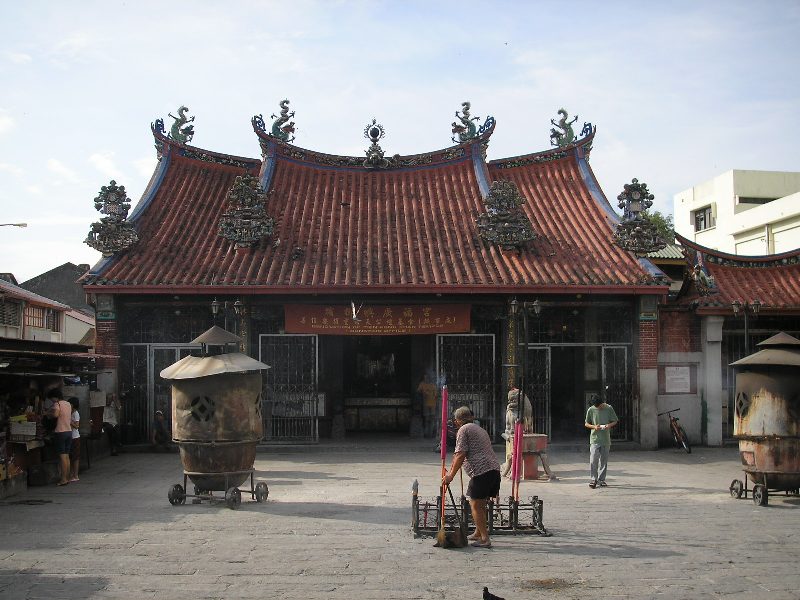
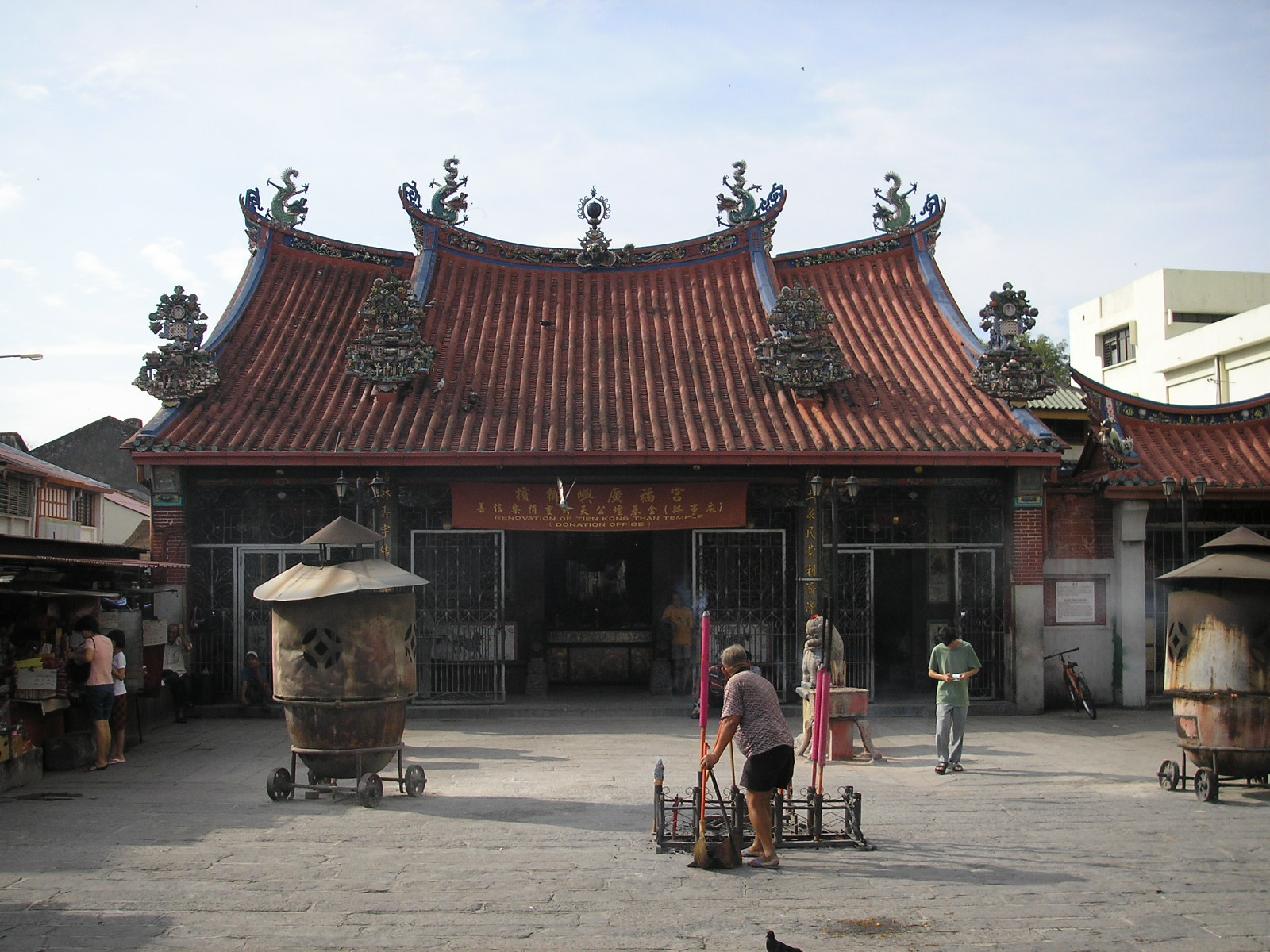
Image source: Wikimedia Commons; license credits as shown.
Overview
Penang Kuan Yin Temple (Kong Hock Kong) is one of the oldest and most popular Chinese temples in George Town, Penang, dedicated to the Goddess of Mercy, Guanyin, and integrating Buddhist, Taoist, and folk beliefs. The temple was built around 1800 by Cantonese and Hokkien immigrants residing in Penang, located on the famous 'Street of Religious Harmony' in the UNESCO World Heritage Site, surrounded by several mosques, churches, and Hindu temples, highlighting the city's multicultural coexistence.
Getting There
The easiest way to reach Penang Kuan Yin Temple is by taking a bus or Grab to the old town of George Town and getting off near 'Masjid Kapitan Keling' (Kapitan Keling Mosque), then walking about 3 to 5 minutes to arrive. The temple is located on Jalan Masjid Kapitan Keling (formerly known as Pitt Street), close to most of George Town's popular attractions, making it suitable for a walking city tour.
Highlights
Penang Kuan Yin Temple (Kong Hock Kong) is a folk belief temple primarily dedicated to Guanyin, while also honoring various deities such as Ma Zu, Guan Di, and Da Bo Gong, showcasing the unique faith characteristics of Southern Chinese Buddhism and Taoism. The temple features traditional Southern Chinese architectural styles with Min Nan-style roof ridges, intricate details like cut-and-paste decorations and stone lion guardians, making it an important site for appreciating early Chinese architectural craftsmanship and sculpture art. As one of the earliest Chinese temples in George Town, Kong Hock Kong served as a center for public affairs and dispute mediation within the Chinese community, witnessing the interactions between Cantonese and Hokkien groups, and becoming a key site for understanding the history of Chinese immigration in Penang. The spacious square in front of the temple is bustling with worshippers year-round, especially during festivals like Guanyin's birthday and the Jade Emperor's birthday, allowing visitors to deeply experience the local faith atmosphere and festive culture.
What to See
The main hall enshrines a golden statue of Guanyin, where many worshippers burn incense, offer fresh flowers, and tea for blessings, creating one of the most representative scenes of the temple. The front and back halls house altars for Ma Zu, Guan Di, Da Bo Gong, Tai Sui, Zhu Sheng Niang Niang, Bao Sheng Da Di, Xuan Tian Shang Di, Wen Chang Di Jun, Wei Tuo Bodhisattva, Di Zang Wang Bodhisattva, and the Tiger God, reflecting the structure of polytheistic folk beliefs. The temple retains a traditional three-section layout, with a Min Nan-style roof adorned with colorful cut-and-paste dragons, phoenixes, and narrative figures, while the stone lions and intricately carved door frames at the entrance are exquisite and photogenic. The spacious courtyard in front of the temple and the incense-burning area are constantly filled with people, with orderly arrangements of incense burners, lotus lamps, and offering tables, making it the best spot to observe local worship practices and temple activities. The temple also features an exhibition space or historical corridor introducing the history and restoration process of Kong Hock Kong, allowing visitors to learn more about the development of Chinese faith and social changes in Penang over the past two hundred years (actual display scale and opening conditions may vary over time).
Hours & Admission
Penang Kuan Yin Temple is an open temple with free admission on regular days, encouraging worshippers and visitors to contribute to the maintenance and repairs through a donation box (actual donation amounts are voluntary with no mandatory standards). The general opening hours are approximately from 7:00 AM to around 6:00 PM daily, and it is recommended to visit during the day to appreciate the architectural details and ensure that the service counter is staffed. Important festivals such as Guanyin's birthday on the 19th day of the second, sixth, and ninth lunar months, or the Jade Emperor's birthday often feature special ceremonies, lion dances, or opera performances, attracting large crowds and possibly extending opening hours, so it is advisable to allocate more time for your visit. During festivals, some areas may be restricted due to ceremonial regulations, and visitors should respect the instructions of staff and the flow of worshippers when taking photos and touring.
Address
30, Jalan Masjid Kapitan Keling (formerly known as Pitt Street), George Town, 10200 Penang, Malaysia
Travel Tips
It is recommended to arrange your visit to Penang Kuan Yin Temple as part of a walking itinerary in the George Town UNESCO World Heritage Site, connecting with nearby attractions such as Kapitan Keling Mosque, St. George's Church, and Sri Mahamariamman Temple, to explore the famous 'Street of Religious Harmony'. The morning and evening temperatures are more comfortable, making it suitable for capturing the temple's roof and the smoke of incense; during midday, be mindful of the heat and prepare water and sun protection. As a religious site, it is advisable to dress modestly when entering the temple, avoiding sleeveless tops and overly short shorts or skirts; when taking photos, please avoid disturbing worshippers and adhere to basic etiquette such as 'no flash photography' and 'no climbing on offering tables or incense burners'. If you wish to experience local faith culture, consider visiting around Guanyin's birthday on the 19th of the second, sixth, or ninth lunar months to enjoy the lively atmosphere of lion dances, opera, and ceremonies, but be prepared for crowds and strong incense. The temple often provides services such as fortune-telling, lighting lamps, enhancing luck, and rituals for the Tiger God, so if needed, you can inquire about the procedures and donation amounts from staff and respect the temple's guidelines.
Nearby Dining
The area surrounding Penang Kuan Yin Temple is the heart of George Town's old town, within walking distance to many traditional eateries and cafes, making it an excellent spot to savor local Penang cuisine. Nearby, you can find famous dishes such as Penang Char Kway Teow, Hokkien Prawn Noodles, Assam Laksa, and classic Hainanese coffee shops, perfect for enjoying local breakfast or lunch after your visit (actual names and business hours of eateries may vary over time). Jalan Pitt and surrounding alleys also feature several retro cafes and trendy coffee shops offering air conditioning, coffee, and desserts, making them ideal for a rest stop after visiting the temple and the heritage district. For vegetarians, there are many Chinese vegetarian restaurants and vegetarian stalls in George Town, some not far from Kong Hock Kong, offering vegetarian noodles, mixed rice, and simple stir-fries, conveniently combining with your worship itinerary (it is recommended to check for the latest information on eateries on-site or using map services). In the evening, you can also explore the night food stalls in Little India and Chinatown, which are within walking distance from Kong Hock Kong, extending your religious and cultural visit into a complete culinary walking tour.
FAQ
Q: Who is the main deity worshipped at Penang Kuan Yin Temple (Kong Hock Kong)? A: Penang Kuan Yin Temple (Kong Hock Kong) primarily worships the Goddess of Mercy, Guanyin, while also honoring several other deities such as Ma Zu, Guan Di, and Da Bo Gong. The temple was originally built to worship the sea goddess Ma Zu, but as George Town developed and the Chinese immigrant population increased, it gradually transformed into a Guanyin temple around 1800, evolving into a polytheistic folk belief system. Q: How long has Penang Kuan Yin Temple been established? A: Penang Kuan Yin Temple was built around the late 18th century to around 1800, making it one of the earliest Chinese temples in George Town with a history of over two hundred years. The temple was jointly founded by Cantonese and Hokkien immigrants, serving not only as a religious center but also as a public space for coordinating affairs and mediating disputes between the two major groups. Its secular functions gradually shifted after the establishment of the Penang Chinese Chamber of Commerce in 1881, but its religious and cultural symbolic status has continued to this day. Q: Is there an admission fee to visit Penang Kuan Yin Temple? A: Generally, there is no admission fee to visit Penang Kuan Yin Temple; visitors and worshippers can freely enter for worship and sightseeing, with donations made through a donation box as the source of funds for temple maintenance and repairs. If you plan to take photos or stay longer in the temple, it is appreciated to contribute some incense money as support; if participating in religious services like fortune-telling, lighting lamps, or enhancing luck, there are usually suggested donation amounts, which you can inquire about in advance from temple staff. Q: What are the opening hours of Penang Kuan Yin Temple? A: Penang Kuan Yin Temple generally opens from around 7:00 AM to about 6:00 PM daily, and it is best to visit during the daytime. During important lunar festivals such as Guanyin's birthday or the Jade Emperor's birthday, due to ceremonies and celebrations, the crowd and opening hours may be adjusted or extended. If you wish to participate in specific celebrations, you can check with local tourist information centers or the temple for the latest event schedule before your visit. Q: How to get to Penang Kuan Yin Temple, is the transportation convenient? A: Penang Kuan Yin Temple is located within the UNESCO World Heritage Site of George Town, with flat and easy-to-walk roads nearby, making it convenient to reach by bus or Grab and then walking. Most bus routes to the old town of George Town stop near 'Masjid Kapitan Keling', and after getting off, it takes about 3 to 5 minutes to walk along Jalan Masjid Kapitan Keling to arrive. Walking from Chinatown, Little India, or other major attractions is also within a reasonable range, making it suitable for a city walking itinerary. Q: What are the etiquette or precautions when visiting Penang Kuan Yin Temple? A: When visiting Penang Kuan Yin Temple, maintain silence, dress modestly, respect worshippers, and avoid noise or running. Most areas in the temple allow photography, but it is recommended not to use flash or take close-up shots of deities, and to avoid interrupting during prayers or ceremonies; if you wish to use incense or participate in activities like fortune-telling or lighting lamps, you can first consult temple staff for the correct procedures and follow their guidance for donations and offerings.