
Ravello Cathedral
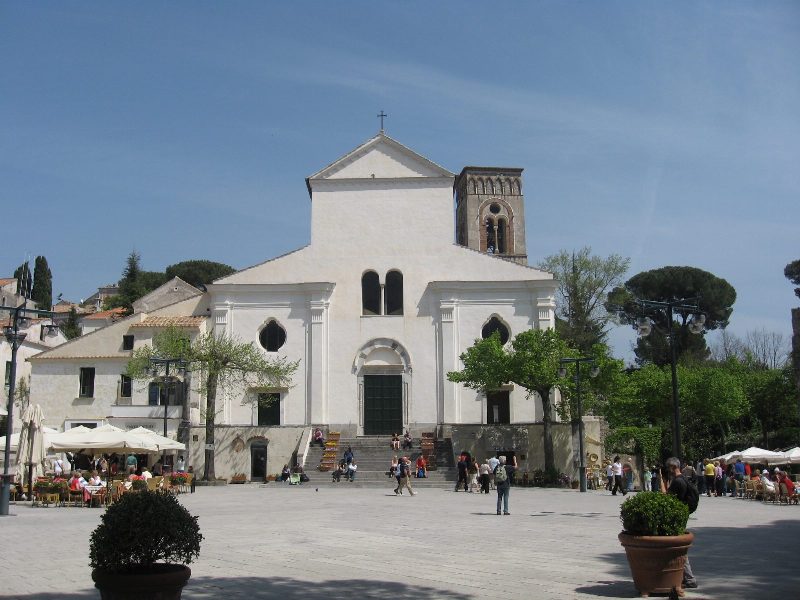
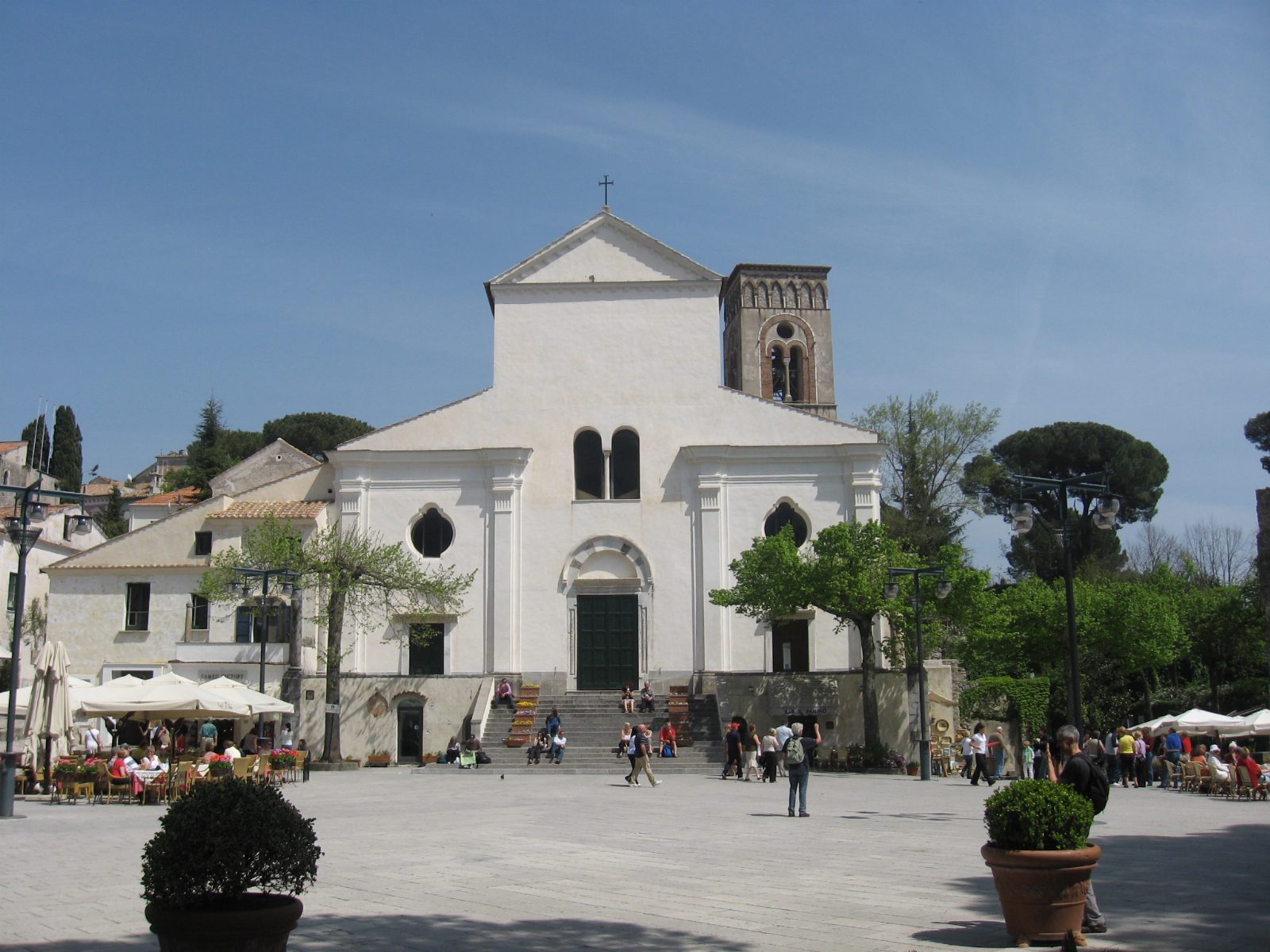
Image source: Wikimedia Commons; license credits as shown.
Overview
Ravello Cathedral is a medieval Roman Catholic cathedral located in the central square of Ravello, Campania, Italy, and is one of the town's most iconic landmarks. The church was founded in 1086–1087 and was elevated to a papal basilica by Pope Benedict XV in 1918, dedicated to the Assumption of the Virgin Mary and the town's patron saint, Saint Pantaleon. It features a famous bronze door, a Romanesque facade, and an exquisite mosaic pulpit.
Getting There
The most convenient way to reach Ravello Cathedral is to take a bus from Amalfi or other Amalfi Coast towns to the Ravello bus station, which is about a 2–5 minute walk to the 'Piazza Duomo' in front of the cathedral. Ravello does not have a train station, so it is recommended to take a train or bus to Amalfi from Naples, Sorrento, or Salerno and then transfer to a bus going uphill.
Highlights
Ravello Cathedral is an 11th-century medieval church that combines Romanesque and later architectural elements, prominently situated in the main square of Ravello, making it one of the first landmarks visitors see upon entering the town. The cathedral is renowned for its majestic white facade, bronze door, 13th-century bell tower, and the lavish mosaic pulpit and medieval art gallery inside, housing the relic of Saint Pantaleon, which is said to 'liquefy' every year, making it a pilgrimage site that blends faith and art.
What to See
・**Cathedral Facade and Bronze Door**: The cathedral facade, built in the 11th century, is simple yet solemn, characterized by its refreshing white color and Romanesque lines. The bronze door at the entrance is one of the most representative artworks of the church, adorned with multiple religious reliefs showcasing exquisite medieval metalwork. ・**13th-Century Bell Tower**: The bell tower next to the church was built in the 13th century and features a simple stone structure with Romanesque window designs, serving as a visual marker for identifying Ravello Cathedral from the square. ・**Interior Nave and Mosaic Pulpit**: The interior of the church is a three-aisled space, decorated with a blend of rigor and splendor. The most famous feature is the mosaic pulpit, adorned with intricate animal and biblical story patterns, regarded as a representative work of medieval decorative art on the Amalfi Coast. ・**Relic of Saint Pantaleon and Altar**: The main altar houses the relic of the blood of Saint Pantaleon, the patron saint of Ravello, which is said to exhibit a 'liquefaction' phenomenon on certain feast days, attracting many faithful and travelers for pilgrimage and observation. ・**Medieval Art Museum (Small Museum)**: The church contains a small museum that showcases medieval art pieces, including stone sarcophagi, sculptures, religious paintings, and artifacts, allowing visitors to gain deeper insights into the local church and city history while exploring the cathedral. ・**Piazza Duomo Scenery**: The cathedral faces the Piazza Duomo, surrounded by cafes and historical buildings. Stepping out of the church offers breathtaking views of the Amalfi Coast's mountains and sea, making it an excellent spot for photos and relaxation.
Hours & Admission
As an active parish church, Ravello Cathedral is usually open to visitors during the day, with some time slots requiring a ticket or a combined ticket that includes the small museum, typically at a low symbolic fee. There are also mass times designated for worshippers, and general visitors are expected to follow the church staff's instructions for quiet observation. Since opening hours and ticket prices may vary due to seasons, religious holidays, or events, it is recommended to check the latest operating hours and ticket information through local tourist information centers or travel service platforms before visiting.
Address
Piazza Duomo, 84010 Ravello SA, Campania, Italy (located in the center of the Ravello Cathedral Square)
Travel Tips
The best season to visit Ravello Cathedral is from late spring to early autumn, when the weather on the Amalfi Coast is clear and the scenery is at its best. This also allows for visits to nearby Villa Rufolo and Villa Cimbrone. Since Ravello is located on a hillside, those prone to motion sickness should prepare medication in advance and allow ample time for walking and taking photos. Modest attire is required to enter the church (avoid shorts, skirts that are too short, sleeveless tops, etc.), and silence should be maintained during mass or religious activities, refraining from loud conversations or photography near the altar as a sign of respect. There are several cafes, restaurants, and shops around the Piazza Duomo, making it a convenient spot for resting, dining, and purchasing souvenirs, and visitors can sit on the square's benches to enjoy the cathedral's facade and the mountain-sea scenery.
Nearby Dining
The area around Piazza Duomo is dotted with several scenic restaurants and cafes, most of which offer Neapolitan-style pizza, pasta, local seafood dishes, and desserts, making it the top choice for dining before or after visiting the cathedral. Ravello is known for its view restaurants, many of which have terraces where guests can enjoy lemon desserts, seafood, and local wines while gazing at the stunning fjords and coastline of the Amalfi Coast. It is advisable to make reservations during peak season to ensure seating.
FAQ
Q: What is special about Ravello Cathedral? A: The uniqueness of Ravello Cathedral lies in its 11th-century Romanesque architecture, famous bronze door, lavish mosaic pulpit, and the relic of Saint Pantaleon's blood, symbolizing a blend of architectural art and religious tradition. The church is centrally located in Piazza Duomo, allowing visitors to enjoy the magnificent views of the Amalfi Coast right outside its doors, as well as explore nearby historical buildings and villa gardens. Q: Is there an admission fee for Ravello Cathedral? A: Entry to Ravello Cathedral is generally free or has a low admission fee. However, if you wish to visit the small museum or specific exhibition areas, tickets are usually required, with prices being symbolic. Since details may vary by season and events, it is recommended to check the latest ticket prices and package details through local information centers or booking platforms before your visit. Q: How do I get to Ravello Cathedral from Amalfi? A: The most common way to reach Ravello Cathedral from Amalfi is to take a bus along the mountain road to the Ravello bus station, then walk about 2–5 minutes to reach the cathedral square where the church is visible. Alternatively, you can choose to join a day tour that covers Amalfi, Positano, and Ravello, with transportation provided and scheduled stops at the church and gardens. Q: Are there any dress requirements for visiting Ravello Cathedral? A: It is recommended to dress modestly when visiting Ravello Cathedral, avoiding sleeveless tops, very short shorts, or skirts. A light shawl can be carried to cover shoulders and knees if necessary, in respect for the religious site. Once inside, silence should be maintained, and loud conversations or photography should not occur near the altar or during mass. Strict adherence to any no photography signs is required. Q: What other attractions can be visited near Ravello Cathedral? A: Notable nearby attractions worth visiting include Villa Rufolo, located directly in front of the same square, and the famous cliffside gardens of Villa Cimbrone, which together create a classic itinerary for half a day or a full day in Ravello. Additionally, the town has several viewpoints, alleys, and small churches that can be leisurely explored, allowing visitors to enjoy the relaxed atmosphere of this mountain town on the Amalfi Coast.