Sacro Monte di Domodossola
Italy · Domodossola · Nature & Scenery
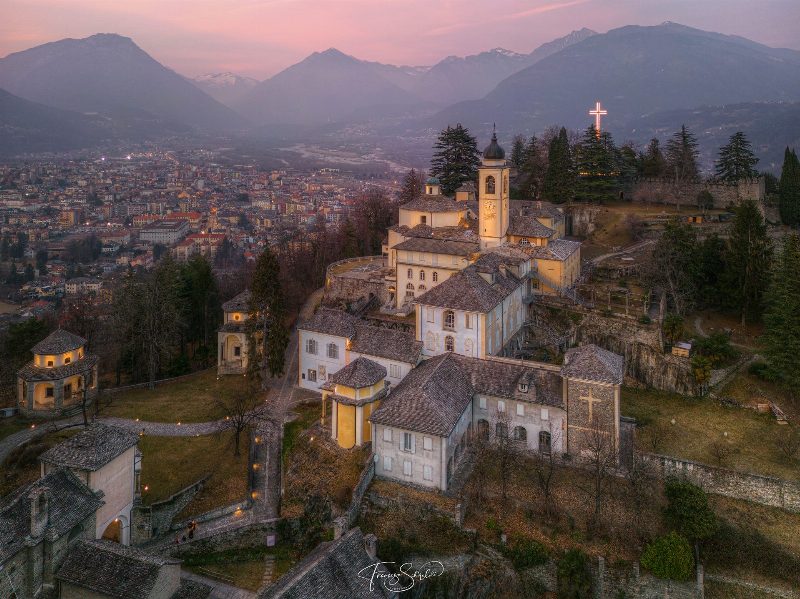
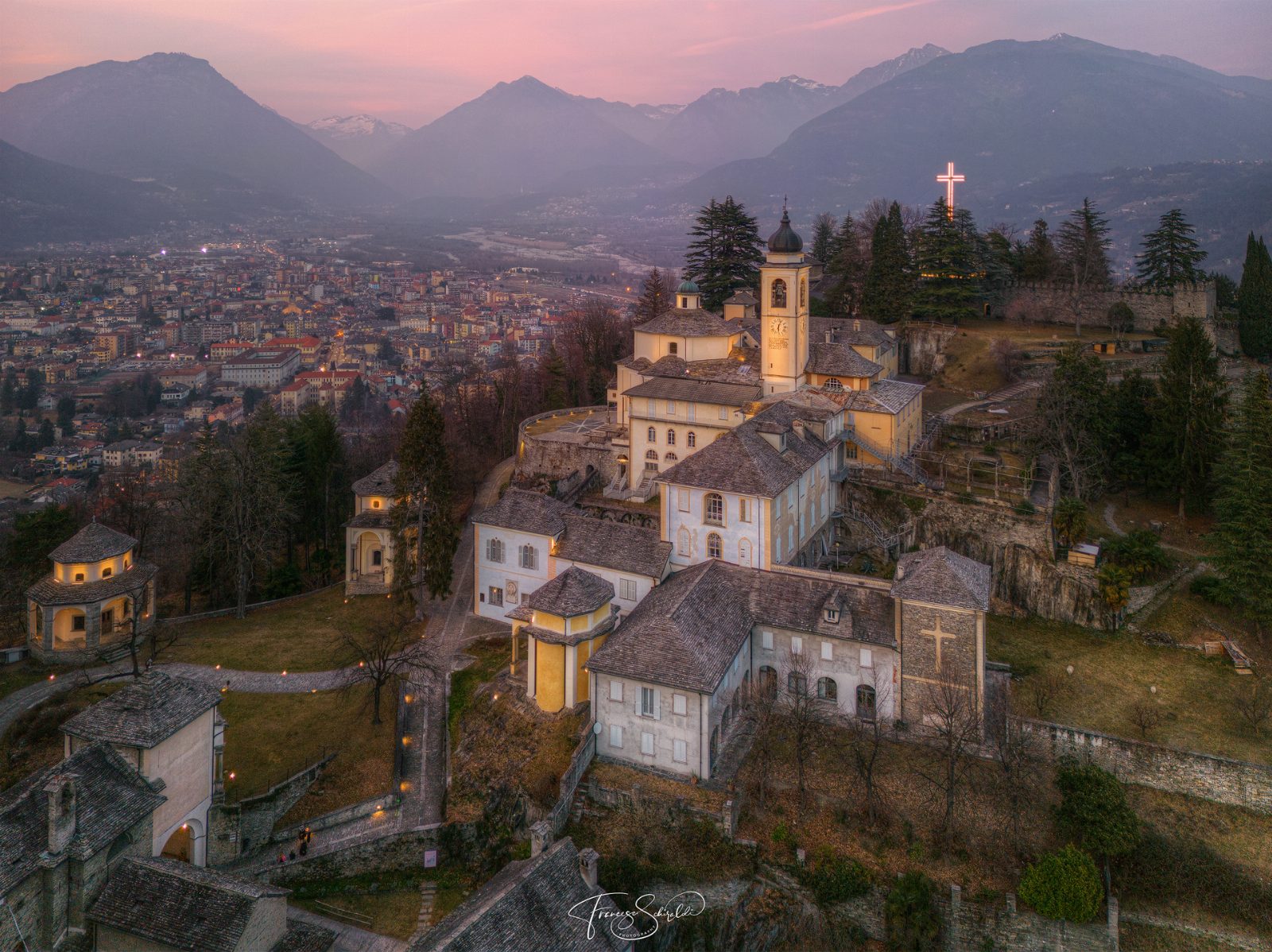
Image source: Wikimedia Commons; license credits as shown.
Overview
Sacro Monte di Domodossola is a Catholic pilgrimage site and one of the Sacred Mountains of the World Heritage, located on the Montalto Hills in the Piedmont region, overlooking the small town of Domodossola at the foot of the Alps. It features a pilgrimage path that simulates the Stations of the Cross, twelve small chapels, and the Sanctuary of the Holy Cross, offering views of the natural landscape of the Ossola Valley and surrounding villages. This site is also an important stop on the 'Way of Faith', blending forests, terraced vineyards, and Baroque religious art, showcasing both natural and cultural beauty. The Sacred Mountain was established in the 17th century by Franciscan Capuchin monks and has undergone several restorations, remaining a popular destination for quiet walks, spiritual retreats, and enjoying mountain scenery.
Getting There
To reach Sacro Monte di Domodossola, take a train to 'Domodossola Train Station', which has services to Milan, Lausanne, Geneva, and Locarno. From the station, you can walk approximately 40–50 minutes via the pilgrimage path to the Sacred Mountain, or take a taxi to the entrance at the foot of the mountain; if driving, you can follow the A26 (E62) and SS33 roads to the Domodossola exit, then continue to 'Sacro Monte' or 'Borgata Sacro Monte Calvario' as indicated. Buses are only suitable for small vehicles and must be coordinated in advance with the management of the Sacred Mountain. The summit area features cobblestone paths and stairways, so comfortable walking shoes are recommended.
Highlights
The main feature of Sacro Monte di Domodossola is the pilgrimage path that merges the natural landscape of the Alps with Baroque religious art along a 'Way of the Cross'. The Sacred Mountain extends from the outskirts of the old town of Domodossola to the summit of Montalto, with twelve small chapels featuring life-sized statues and frescoes depicting the Passion of Christ, regarded as a three-dimensional version of the 'Bible of the Poor'. The Sanctuary of the Holy Cross at the summit houses a cross and exquisite sculptures created by Dionigi Bussola in 1662, serving as the spiritual center of the entire area. Surrounded by the Ossola Alps, ancient terraced vineyards, and typical mountain villages, the views are expansive, making it ideal for travelers who enjoy light hiking and scenic photography. As one of the Sacred Mountains of Piedmont and Lombardy, it is also listed as a World Heritage site, combining natural, religious, and historical value.
What to See
The main attractions of Sacro Monte di Domodossola are located along the pilgrimage path leading from the town to the summit, as well as the monastery and temple complex at the top. - **Sanctuary of the Holy Cross and Monastery Area**: Located at the summit of Montalto, this is the core architectural complex of the Sacred Mountain, including a church, monastery, and terrace with panoramic views of Domodossola and the Ossola Valley. The sanctuary preserves the cross and sculptures created by Dionigi Bussola in 1662, with interior decorations rich in Baroque style. - **Twelve Small Chapels**: Distributed along the path from Domodossola to the summit, most are designed and decorated by Baroque artists like Bussola, featuring life-sized sculptures and frescoes that narrate the story of Christ's Passion and death in the order of the Stations of the Cross. Some chapels were enhanced with wooden sculptures in 1957, adding dramatic tension to the scenes. - **Way of the Cross Path and Viewpoints**: The pilgrimage route begins at the edge of the town and takes about 40 minutes to reach the summit, featuring cobblestone paths, stairs, and shaded trails that pass through terraced vineyards and meadows, allowing for multiple views of Domodossola and the surrounding peaks. The route is rich in religious significance, but general visitors can also enjoy it as a scenic hiking trail. - **Traces of Roman and Medieval Ruins**: The hill where the Sacred Mountain is located has a long history, with materials, pottery, and utensils from the Roman and Lombard periods unearthed. In the Middle Ages, a castle was built here, which was destroyed by Swiss troops in 1415. Although many of these sites are of academic interest, they add a rich historical context to the area. - **Mountain Villages and Vineyard Landscapes**: The area surrounding the Sacred Mountain retains the typical appearance of Ossola mountain villages, with ancient vines and terraced fields still visible on the slopes, showcasing the long-term interaction between humans and the mountainous environment. From certain viewpoints and open spaces, classic scenes of the mountain town, vineyards, and the distant Alps can be captured.
Hours & Admission
Sacro Monte di Domodossola is an open hillside and pilgrimage area, with paths and outdoor spaces generally accessible at all times. However, the opening hours of religious buildings and mass times are subject to church announcements. Official information primarily lists the times for religious activities: weekday masses are held in the morning and afternoon at the cellar church, while vigils and ceremonies occur in different chapels or sanctuaries on the eve of holidays and on festive days, with Stations of the Cross prayers held every Sunday and Good Friday during Lent. Generally, there is no admission fee for visiting, but specific guided tours, events, or exhibitions may require additional payment. It is advisable to check the official website or contact the local tourist information center for the latest opening status and whether reservations are needed. Due to the area featuring cobblestone paths, stairs, and slopes, it is recommended to allocate sufficient time for a leisurely visit and to maintain silence during religious activities.
Address
Borgata Sacro Monte Calvario 5, 28845 Domodossola (VB), Piemonte, Italia
Travel Tips
The most comfortable season to visit Sacro Monte di Domodossola is usually from late spring to early autumn, when the weather is stable, the valleys are lush, and visibility is clear, making it suitable for walking and photography. In summer, the slopes can still be quite warm at noon, so it is advisable to visit in the morning or evening and bring water and sun protection; in winter, there may be snow or icy surfaces, so be mindful of shoe grip and warmth. The entire route includes cobblestone paths and many stairs, so wearing comfortable hiking shoes or sports shoes is recommended. Those with knee issues may consider using trekking poles and parking at higher points to shorten the walking distance. If using public transportation, it is advisable to first explore the market square and historical district in the old town of Domodossola before walking up the mountain, allowing for a more relaxed half-day to full-day itinerary. As a religious site, it is recommended to dress modestly and quietly during visits, avoiding photography or loud conversations during services; for inquiries about transportation and guided information, you can contact the 'Lakes and Valleys Tourist Area' information center or check the Sacred Mountain's official website.
Nearby Dining
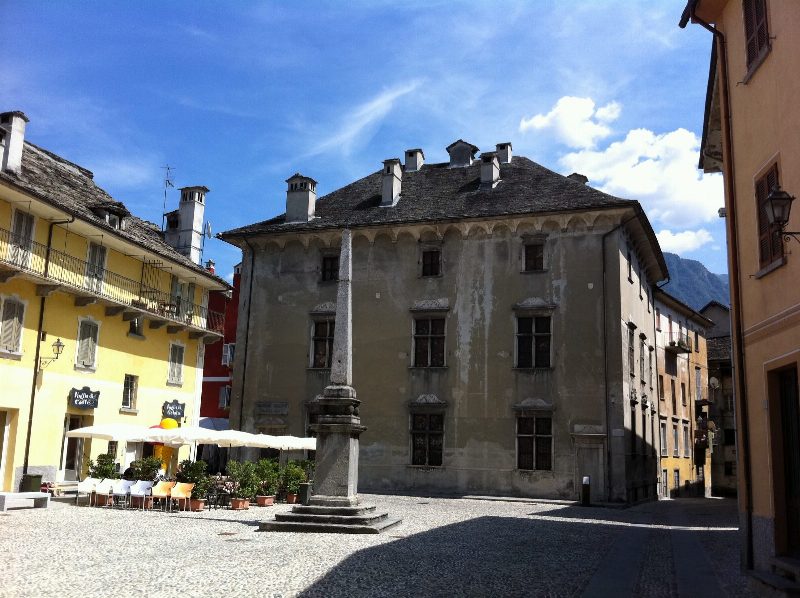
Dining options at the summit of Sacro Monte di Domodossola are limited, so it is recommended to use the city center of Domodossola as a base for meals before walking or driving to the Sacred Mountain. The old town of Domodossola centers around the market square, where numerous traditional restaurants, bars, and cafes are located, offering dishes from the Piedmont and Ossola regions, such as cheese, cured meats, and local wines. During the day, you can enjoy Italian coffee and desserts at cafes in the town or choose daily specials at small restaurants, with a common arrangement being to walk up the mountain after lunch. If planning to stay longer at the Sacred Mountain, you can also purchase simple sandwiches, fruits, and drinks in the city to take up the mountain for a picnic at scenic viewpoints, but be sure to clean up after yourself and respect the tranquility of the religious environment.
FAQ
Q: Is Sacro Monte di Domodossola primarily a natural site or a religious site? A: Sacro Monte di Domodossola is both a Roman Catholic pilgrimage site and a World Heritage cultural landscape, combining religious architecture with the natural beauty of the Alps. The hill itself retains the scenery of terraced vineyards and mountain villages, while the Way of the Cross path, twelve small chapels, and the Sanctuary of the Holy Cross at the summit showcase rich religious art and historical significance, making it ideal for travelers who wish to connect with nature and experience local faith culture. Q: Is transportation to Sacro Monte di Domodossola convenient? A: Transportation to Sacro Monte di Domodossola is relatively convenient; travelers can first take a train to Domodossola Station, then walk about 40–50 minutes or take a taxi up the mountain, or drive along the A26 and SS33 roads to reach the entrance of the Sacred Mountain. The train station has routes to Milan, Lausanne, Geneva, and Locarno, suitable for departures from Italian or Swiss cities; however, large tour buses may find it difficult to ascend and must coordinate in advance with the management of the Sacred Mountain or use smaller buses. Q: Is there an admission fee to visit Sacro Monte di Domodossola? A: The paths and most outdoor areas of Sacro Monte di Domodossola are generally free to visit, with no admission fee required, but specific guided tours, events, or exhibitions may charge fees. Since the primary function of the Sacred Mountain remains pilgrimage and religious ceremonies, official information mainly focuses on the times of religious activities, such as weekday and Sunday masses, and Stations of the Cross during Lent. It is advisable to check the official website or local tourist information center for the current visiting regulations and opening conditions before departure. Q: Is Sacro Monte di Domodossola suitable for families or elderly visitors? A: The paths at Sacro Monte di Domodossola include cobblestone paths, stairs, and sections with significant slopes, which can be challenging for those with limited mobility or stamina. However, if driving or taking a taxi to higher parking points to shorten the walking distance, elderly visitors can still visit certain areas with appropriate arrangements. The authorities also remind that the entire Sacred Mountain complex has uneven terrain and some areas lack accessibility features, so special attention should be paid when pushing strollers or wheelchairs, and families with children and seniors should plan for more time and a slower pace. Q: What clothing and etiquette should be observed at Sacro Monte di Domodossola? A: It is recommended to wear modest clothing and comfortable shoes when visiting Sacro Monte di Domodossola, as the paths are mostly cobblestone and stairs with certain slopes, and the Sacred Mountain itself is a Catholic pilgrimage site. When entering churches and chapels, avoid overly revealing clothing and maintain silence. When taking photos, it is best to avoid using flash or speaking loudly during services or prayers, and outdoor picnics and resting should maintain cleanliness and respect for the religious and natural environment. Q: What other attractions are worth visiting near Sacro Monte di Domodossola? A: Domodossola itself is a small town surrounded by the Alps, with the market square, historical churches, and street houses in the old town worth exploring. Nearby valleys of Ossola and natural and cultural attractions like Lake Maggiore and Lake Orta are also popular. Many travelers include Sacro Monte di Domodossola in their itineraries exploring the lake district and Ossola Valley, combining lake views, mountain scenery, and the historical culture of the mountain town for a 2–3 day in-depth trip.