Saiganji
Japan · 京都市伏見区 · Temples & Shrines
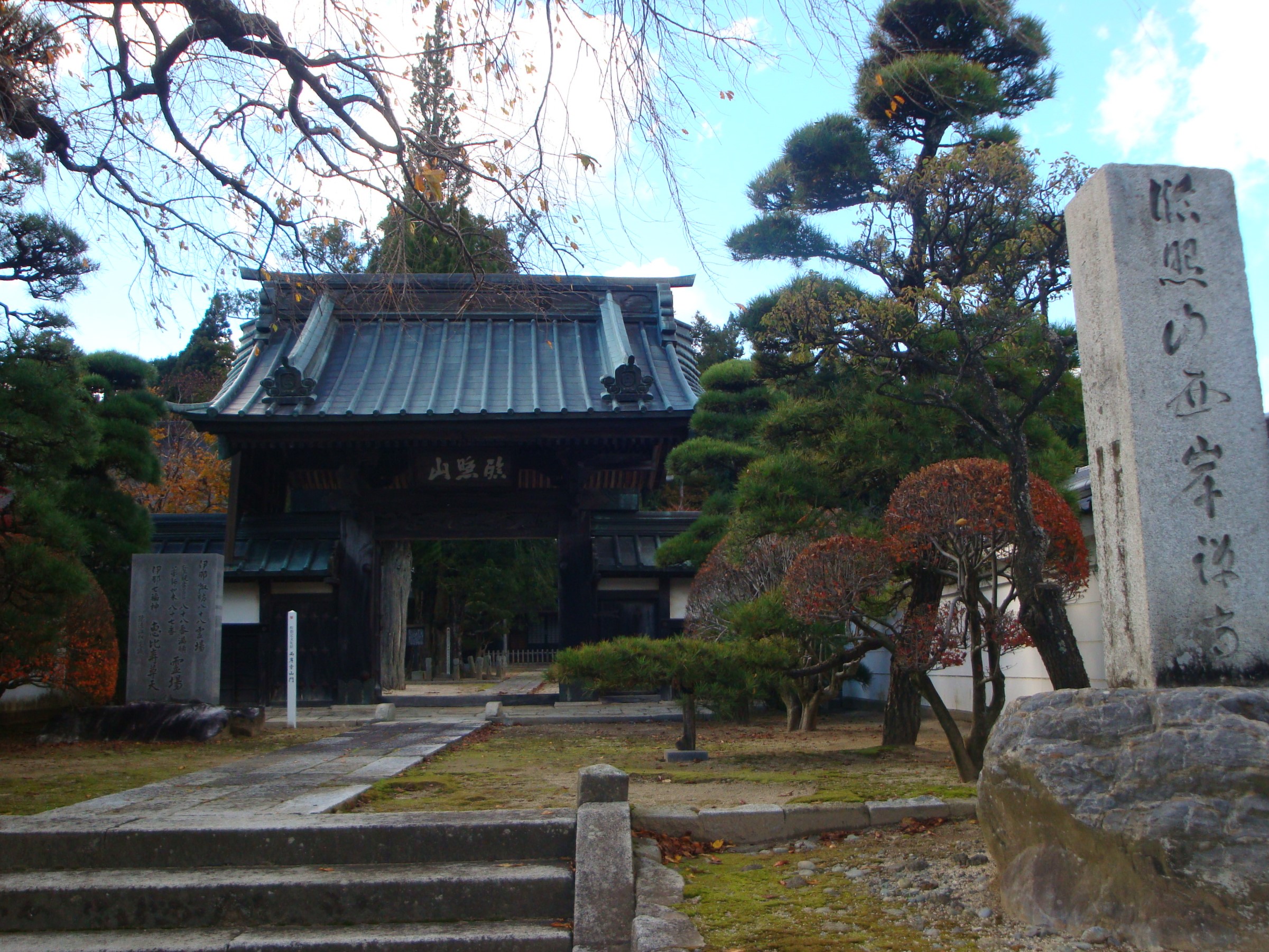
Image source: Openverse; license credits as shown.
Overview
Saiganji is a Jōdo Shinshū Honganji-ha temple in the Fukakusa area of Fushimi Ward, Kyoto City, best known as the mausoleum site of Tamahime, the wife of Shinran Shonin. The temple began as a small hall of Hoshō-ji, a temple associated with the aristocratic Fujiwara clan, and its history dates back about 800 years. Today, its quiet and dignified main hall and the atmosphere around Tamahime’s grave make it an intimate temple for visitors who want to pray in peace and learn about Shinran Shonin’s family history.
Getting There
To reach Saiganji, take the Keihan Main Line to Fujinomori Station, then walk about 4–5 minutes to the temple gate. The temple does not have its own parking lot, so visitors arriving by car should use a nearby coin-operated parking lot and walk to the temple.
Highlights
Saiganji’s greatest distinction is that it serves as the mausoleum site of Tamahime, the wife of Shinran Shonin, preserving historical memory of Shinran and his family during a period of religious persecution. The temple originated as a small hall of Hoshō-ji, the Fujiwara clan temple of the Heian period, and later became Saiganji under Tamamime’s retainer Tamura Mitsutaka (Yuami). With a history of about 800 years, it offers travelers a rare chance to experience the local temple landscape of Fukakusa in Fushimi, Kyoto, amid a quiet residential neighborhood. In recent years, as the only Jōdo Shinshū Honganji-ha temple in the Fukakusa area, Saiganji has also served as an otetsugi temple linking the Honganji, Ōtani Honbyō, and local parishioners, with a warm and understated atmosphere that suits visitors seeking to escape the crowds.
What to See
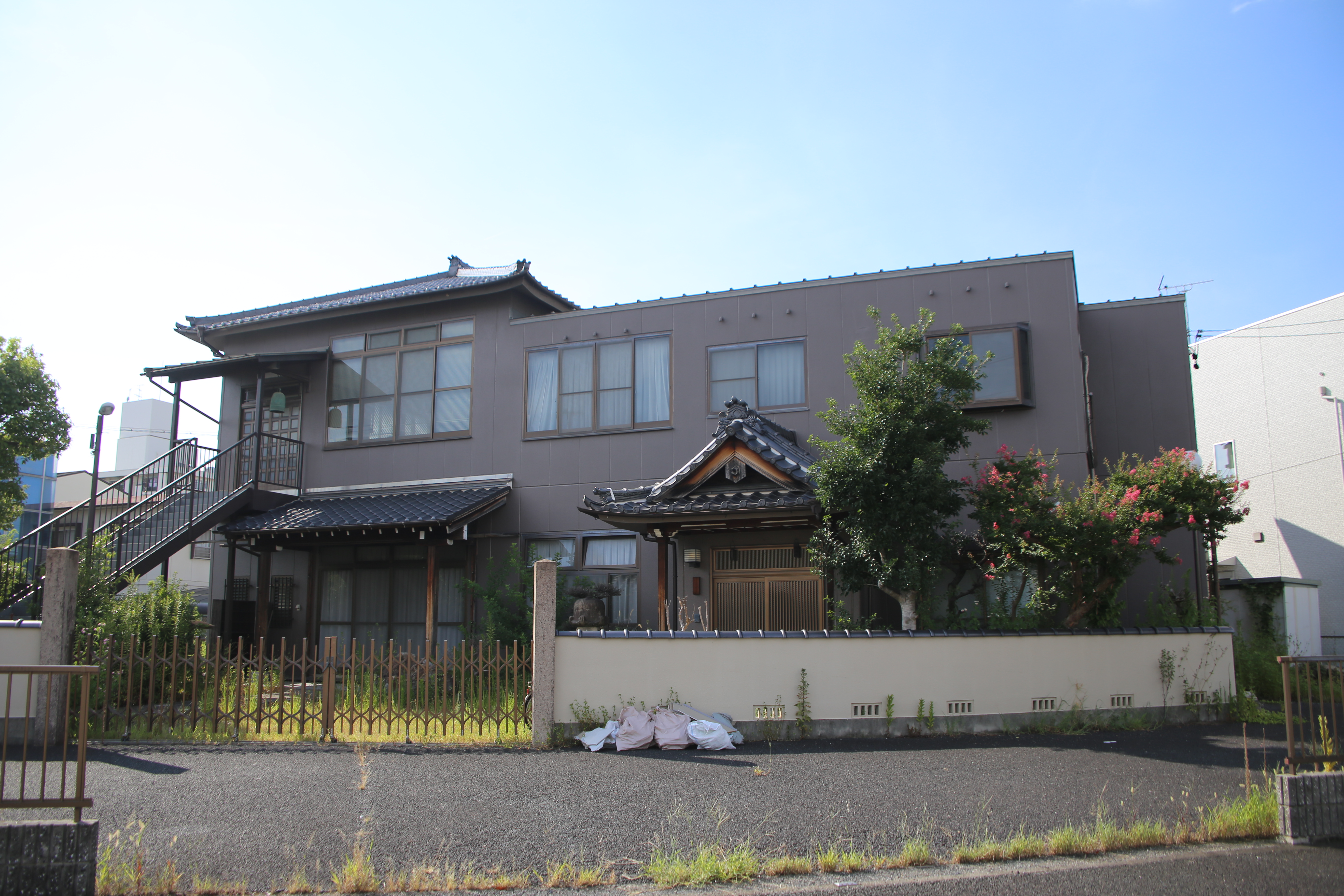
Although the grounds of Saiganji are small, the atmosphere is calm and composed. The main points of interest are best visited in order: 1. Temple gate and stone monument: The entrance features a simple small gate, with a stone monument beside it inscribed with the temple name and sect. As soon as you turn from the residential lane into the temple approach, the mood shifts to a quiet, secluded one, giving the impression of an old temple hidden in the city. 2. Main hall (midō): The main hall enshrines Amida Nyorai and the founding masters of the Jōdo Shinshū tradition. Its interior is centered on wooden architecture and a solemn Buddhist altar. Although it is not a large sightseeing temple, it more clearly conveys the everyday devotional life of local believers. 3. Tamahime mausoleum: The most important sacred site on the grounds is the grave of Tamahime, Shinran Shonin’s wife. According to tradition, Tamahime remained at this small hall waiting for Shinran when he was exiled to Echigo, and she ultimately passed away here. The temple has continued ever since with the mission of protecting her mausoleum. 4. Cemetery and a quiet corner of the grounds: The temple also contains a cemetery for parishioners and spaces for memorial offerings. The grounds are neat and clean, and although they are not designed as a sightseeing garden, they have the plain and peaceful atmosphere of a neighborhood temple, making them a pleasant place to pause quietly. 5. Explanation of the Hoshō-ji small hall origins: The temple’s official website provides a detailed account of how the temple evolved from the Hoshō-ji small hall into Saiganji. If you have the opportunity to speak with the resident priest or temple staff on site, you can also learn more deeply about the stories of Shinran and Tamahime.
Hours & Admission
Saiganji is a local parish temple and not a major tourist temple. In general, visitors may enter freely during daytime to pray near the gate and within the grounds, but the temple has not publicly stated exact opening and closing times. Admission for worship is free. If you wish to attend a memorial service, Buddhist ceremony, or special visit, it is recommended to contact the temple in advance by phone or through the website to confirm the schedule and whether reception is possible.
Address
438-1 Fukakusa Naoichibashi 2-chome, Fushimi Ward, Kyoto City, Kyoto Prefecture, Japan (Jōdo Shinshū Honganji-ha Saiganji)
Travel Tips
When visiting Saiganji, note that it is located in a residential area of Fukakusa, Fushimi Ward. It is best to take public transportation to Keihan Main Line Fujinomori Station and walk from there, since the alleys are narrow and parking is inconvenient. The temple does not have dedicated parking, so if you drive you will need to use a nearby coin-operated parking lot and then walk, so allow extra time to find a space. As a parish temple and the mausoleum site of Tamahime, the temple mainly serves local residents and believers, so outside visitors should keep quiet, avoid noisy group behavior, and respect memorial services and private offering spaces. The Fukakusa area is also close to Fushimi Inari Taisha and Fujinomori Shrine, so you can combine them in the same day by walking or using Keihan trains, creating an itinerary that contrasts popular sights with a tranquil small temple. Spring and autumn are the most comfortable seasons for temple visits and walks in Fushimi; summers are hot and the alleys are narrow, so bring water and sun protection, while in winter you should be prepared for cold weather and slippery paths.
Nearby Dining
The area around Saiganji is a residential district in Fukakusa, Fushimi Ward, and there are no major dining facilities right by the temple gate. However, within a few minutes’ walk you can return to the shopping streets around Keihan Fujinomori Station, where there are several small restaurants, cafés, and Japanese eateries. If you are willing to travel a little farther, one stop on the Keihan Line will take you to Fushimi Inari or south to Chushojima, both of which have a wider variety of dining options such as yakitori restaurants, bento shops, cafés, and Japanese restaurants, making them convenient places to eat before or after your visit. If you want to experience Fushimi’s famous sake and brewery district atmosphere, continue on to the Chushojima and Fushimi-Momoyama areas, where you can visit breweries and long-established restaurants, combining Saiganji’s quiet temple experience with Fushimi’s sake culture in a single day.
FAQ
Q: What is enshrined at Saiganji, and what is its connection to Shinran Shonin? A: Saiganji mainly serves as the mausoleum site of Tamahime, Shinran Shonin’s wife, and also enshrines Amida Nyorai and the founding masters of the Jōdo Shinshū tradition. It is a temple of the Jōdo Shinshū Honganji-ha school. According to the temple’s historical record, Tamahime was the daughter of Kujō Kanezane of the Fujiwara clan. When Shinran was exiled to Echigo during the Jōgen persecution, she remained at the small hall of Hoshō-ji waiting for his return and eventually passed away there. Her retainer Tamura Mitsutaka (Yuami) later protected her grave and took over the small hall, which became today’s Saiganji. For that reason, this site is regarded as an important sacred place in the family history of Shinran. Q: Is the Saiganji in Shimogoyakemachi, Fushimi Ward, the same as the Saiganji in Fukakusa with the Aburakake Jizō? A: No. The Saiganji in Fukakusa, Fushimi Ward, and the Saiganji in Shimogoyakemachi, Fushimi Ward, which enshrines Aburakake Jizō, are two completely different temples that simply share the same name. The Fukakusa Saiganji belongs to the Jōdo Shinshū Honganji-ha school and is associated with the mausoleum of Tamahime, Shinran’s wife. The Saiganji in Shimogoyakemachi, by contrast, is a Jōdo sect temple with the mountain name Aburakakezan, famous for the legend of Aburakake Jizō and a haiku monument by Bashō. Travelers should check the address and nearest station carefully to avoid going to the wrong temple. Q: How do I get to Saiganji in Fukakusa, Kyoto, and what is the nearest station? A: The nearest station to Saiganji is Keihan Main Line Fujinomori Station, from which it is about a 4–5 minute walk to the temple. From central Kyoto, you can usually take the subway or JR lines and transfer to the Keihan Railway. After getting off at Fujinomori Station, follow the signs into the residential area and use a map or smartphone navigation to find the temple gate in Fukakusa Naoichibashi 2-chome. The route is flat and easy to walk. Q: Does Saiganji charge admission, and are there fixed visiting hours? A: Saiganji is a parish temple and the mausoleum site of Tamahime, and general worship does not require an admission fee. It is an open-visit temple. The temple does not clearly state exact opening and closing hours, but the gate is usually open during daytime. If you want to enter the main hall, attend a memorial service, or arrange a group visit, it is recommended to contact the temple in advance by phone or through the official website so that the temple’s regular religious duties are respected. Q: Does Saiganji have parking, and is it convenient to visit by car? A: Saiganji does not have a dedicated parking lot, and the temple specifically recommends using a nearby coin-operated parking lot or coming by public transportation. The roads in the Fukakusa residential area are narrow, so driving and parking are not very convenient. In particular, it can be crowded during the tourist season and commuting hours, so most visitors choose to take the Keihan train to Fujinomori Station and walk, which both avoids parking hassles and lets you enjoy the local neighborhood atmosphere.