Shanghai Natural History Museum
China · Huangpu District · Shanghai · Museums, Culture & Arts
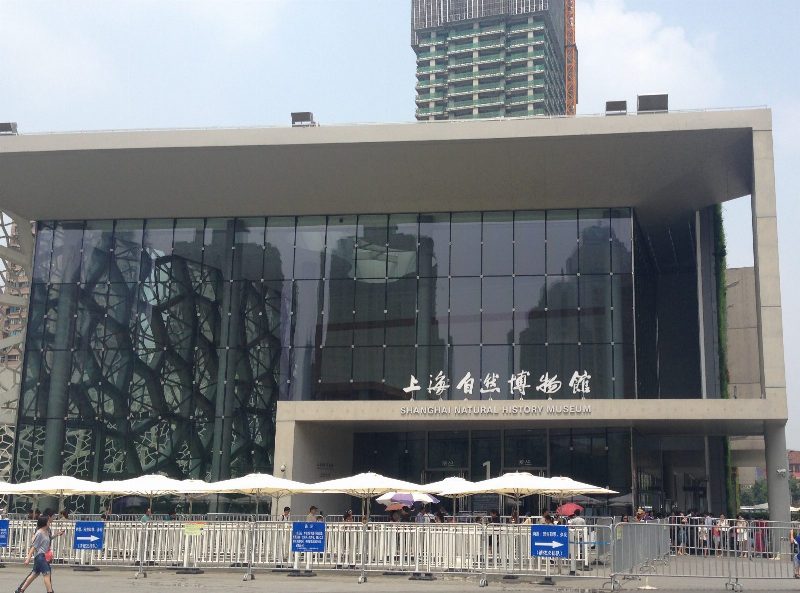
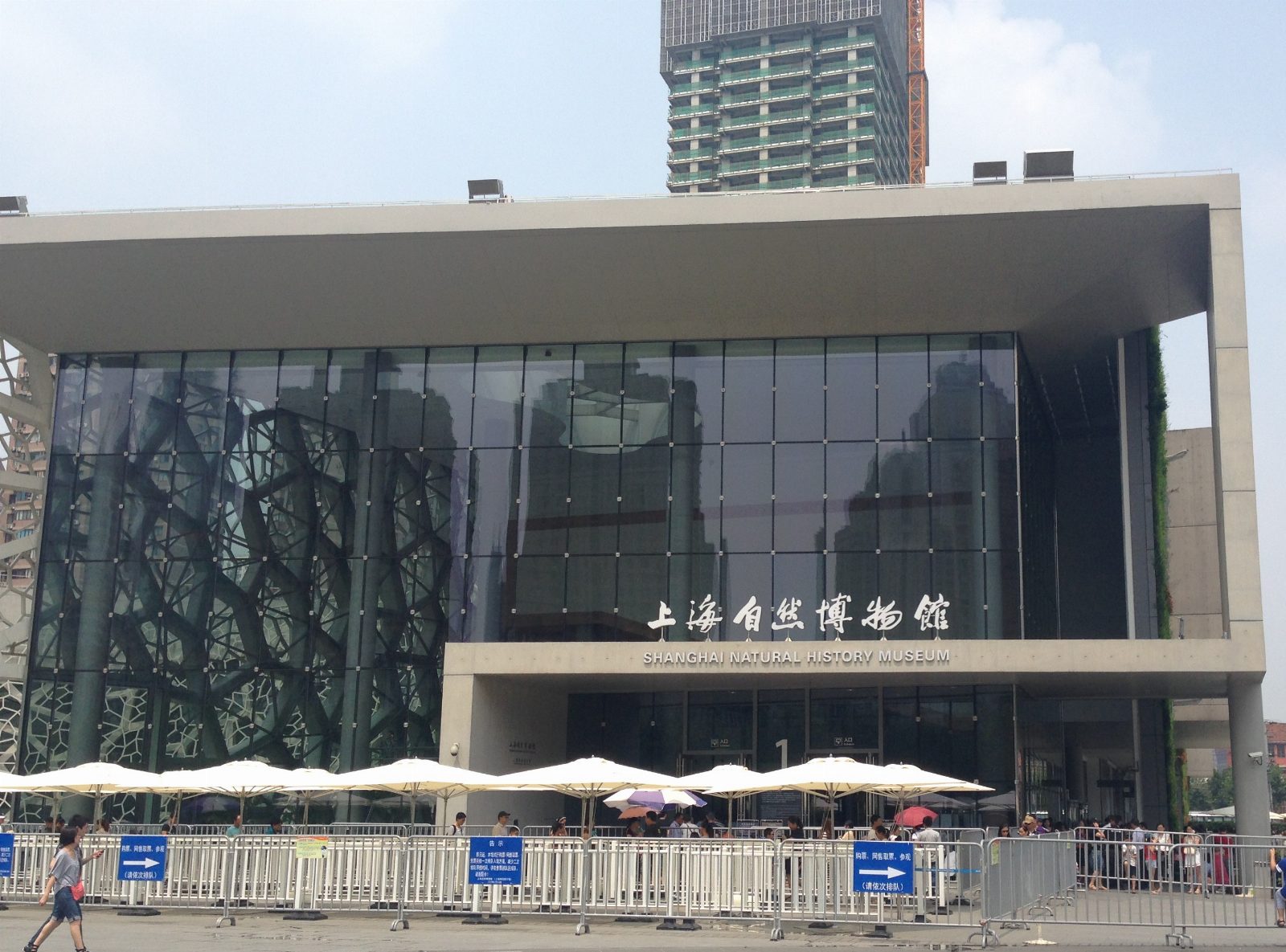
Image source: Wikimedia Commons; license credits as shown.
Overview
The Shanghai Natural History Museum is a large natural history museum themed around 'Nature, Humanity, Harmony', located within the Jing'an Sculpture Park in Jing'an District, Shanghai. The museum showcases over 11,000 specimens and models from around the world, with a total collection exceeding 280,000 items, making it one of China's important natural science education and family travel destinations. The building's exterior resembles a giant green nautilus shell, earning it the nickname 'Green Shell'. Inside, there are multiple themed exhibition areas that tell the story of the origins, evolution, and diversity of the Earth and life.
Getting There
The most convenient way to reach the Shanghai Natural History Museum is to take Metro Line 13 to 'Natural History Museum Station', and walk about 1–3 minutes from Exit 1 to the museum entrance. Alternatively, you can take Metro Lines 2, 12, or 13 to 'Nanjing West Road Station', and then walk about 10 minutes through Jing'an Sculpture Park to get there. There are many bus routes nearby, but for out-of-town travelers, the metro is the most straightforward and time-saving mode of transport.
Highlights
The Shanghai Natural History Museum is a modern natural history museum that integrates popular science education with immersive displays, centered around 'Nature, Humanity, Harmony'. The museum is divided into ten major areas: 'Mysteries of Origins', 'River of Life', 'Path of Evolution', 'Treasures of the Earth', 'Diverse Life', 'Ecological Wonders', 'Wisdom of Survival', 'The Bond Between Humans and Nature', 'Stories of Shanghai', and 'Path to the Future', systematically presenting the evolutionary history of the Earth and life. Iconic exhibits include the 26-meter-long 'Zhongjia Mamenchisaurus' dinosaur skeleton, a giant blue whale model, various dinosaur and mammal specimens, and lifelike habitat dioramas, which are particularly popular with families. The museum features five immersive cinemas, live breeding and feeding areas, and an 'Exploration Center', allowing children and general visitors to understand natural science through interactive devices and educational activities.
What to See
1. 'Mysteries of Origins' Exhibition Area: Beginning with the origins of the universe and Earth, this area introduces planet formation, geological changes, and the emergence of early life, serving as the opening chapter of the visit. 2. 'River of Life' and 'Path of Evolution': Through fossils, skeletons, and multimedia displays, this area presents the evolutionary process from ancient organisms to dinosaurs, and then to the emergence of mammals and humans, with large dinosaur skeletons and paleontological fossils being the most photographed by visitors. 3. 'Treasures of the Earth' and 'Diverse Life': Focusing on minerals, rocks, and various plant and animal specimens, the museum houses over 290,000 items from China and around the world, possessing high scientific and educational value. 4. 'Ecological Wonders' and Habitat Dioramas: Various natural ecosystems such as grasslands, rainforests, and wetlands are recreated in three-dimensional scenes, enhanced with sound and light effects, creating an immersive viewing experience suitable for family interaction and photography. 5. 'Wisdom of Survival' and 'The Bond Between Humans and Nature': Through specimens, real objects, and situational displays, this area emphasizes how humans utilize, transform, and reflect on natural resources, highlighting the importance of sustainable development and environmental protection. 6. 'Stories of Shanghai' and 'Path to the Future': Focusing on the natural environment and species of East China and Shanghai, as well as future visions of technology, environmental protection, and urban development, combining local characteristics with a global perspective. 7. Architecture and Jing'an Sculpture Park: The museum's exterior resembles a giant green nautilus shell, known as 'Green Shell', blending with the surrounding landscape of Jing'an Sculpture Park, allowing visitors to enjoy public art while strolling in the park before or after their visit.
Hours & Admission
The Shanghai Natural History Museum is generally open from Tuesday to Sunday from 09:00 to 17:00, with the last entry at 16:00. It is closed on Mondays (except for certain Chinese public holidays, which are subject to official announcements). Adult tickets are approximately 30 RMB, youth tickets for those under 18 are about 12 RMB, and children under 130 cm or 6 years old, as well as seniors aged 70 and above, can enter for free with relevant documentation. Discount policies are subject to on-site and official announcements. The museum and most online platforms require all visitors to make online reservations in advance and purchase tickets under real-name registration. Upon arrival, visitors can swipe their ID cards or exchange their orders for physical tickets to enter. It is recommended to allocate at least 3–4 hours for a complete visit to the main exhibition areas and key specimens, while in-depth visits or family outings can be arranged for half a day to a full day.
Address
510 Beijing West Road, Jing'an District, Shanghai, China (within Jing'an Sculpture Park)
Travel Tips
It is best to schedule your visit to the Shanghai Natural History Museum during weekdays or early in the morning on non-consecutive holidays to avoid large groups and family crowds, allowing for a more leisurely viewing experience. The spring and autumn seasons in Shanghai (March to May, September to November) have more comfortable weather, making it an ideal time to combine indoor exhibitions with outdoor walks in the greenery and public art of Jing'an Sculpture Park. The museum has a large exhibition area with a wealth of information, so it is advisable to wear comfortable shoes and plan your route in advance, prioritizing key exhibits such as the dinosaur skeletons and blue whale model, and then extending to other exhibition areas based on your stamina. There are limits on ticket sales and visitor numbers on-site, and popular times may result in queues, so it is recommended to make reservations in advance through the WeChat public account 'Shanghai Natural History Museum' or the official designated platforms to avoid being turned away due to full capacity. The area around the museum is the core of Nanjing West Road and Jing'an District, allowing for shopping, dining, or visiting attractions like People's Square and the Suzhou River after your visit to enrich your itinerary.
Nearby Dining
Inside the Shanghai Natural History Museum and near Jing'an Sculpture Park, there are simple cafes and snack stalls available for short breaks and light meals, suitable for families with children to recharge during their visit. A 10-minute walk will take you to the Nanjing West Road shopping district, where there are abundant dining options in large shopping centers and office buildings, covering Chinese cuisine, Jiangsu and Zhejiang dishes, hot pot, Western-style light meals, and various cafes, ensuring suitable choices for family dining or gatherings with friends. If you wish to taste local flavors, you can look for local dishes and snack restaurants around Jing'an Temple and Nanjing West Road; travelers preferring light meals and coffee can pay attention to the small cafes and bakeries in the surrounding neighborhoods, making for a leisurely afternoon after visiting the museum.
FAQ
Q: What are the opening hours and closure days of the Shanghai Natural History Museum? A: The Shanghai Natural History Museum is generally open from Tuesday to Sunday from 09:00 to 17:00, with the last entry at 16:00. Mondays are fixed closure days. Some public holidays in China may adjust the opening arrangements, so it is recommended to check the official website or WeChat public account for the latest announcements before your visit to confirm whether the museum is open and if you need to make a reservation at a different time. Q: How much is the admission ticket to the Shanghai Natural History Museum? Are there any discounts or free policies? A: The adult ticket for the Shanghai Natural History Museum is approximately 30 RMB, the youth ticket for those under 18 is about 12 RMB, and children under 130 cm or 6 years old, as well as seniors aged 70 and above, can enter for free. Certain specific groups (such as military personnel, disabled individuals, etc.) may also enjoy discounts, but valid documentation is required, and actual ticket prices and discount policies are subject to on-site and official announcements on the day. Q: How do I take the subway to the Shanghai Natural History Museum? A: The most convenient way to reach the Shanghai Natural History Museum is to take Metro Line 13 to 'Natural History Museum Station', and walk about 1–3 minutes from Exit 1 to the museum entrance. If coming from other areas, you can also take Lines 2, 12, or 13 to 'Nanjing West Road Station', then follow the signs through Jing'an Sculpture Park, walking about 10 minutes to the museum, while enjoying the park's sculptures and green landscapes along the way. Q: Do I need to make a reservation in advance to visit the Shanghai Natural History Museum? A: The Shanghai Natural History Museum currently requires all visitors to make online reservations or purchase tickets in advance, with daily limits on visitor numbers and ticket sales both on-site and online. Travelers can reserve time slots through the WeChat public account 'Shanghai Natural History Museum' or partner platforms, and upon arrival, verify entry with their ID card, passport, or electronic certificate to avoid being unable to enter due to full capacity. Q: Is the Shanghai Natural History Museum suitable for children? How long should I stay? A: The Shanghai Natural History Museum is very suitable for family visits, with large dinosaur skeletons, animal specimens, habitat dioramas, and various interactive devices and immersive cinemas, making it both fun and educational for children. It is generally recommended to allocate at least 3–4 hours to complete the main exhibition areas, and if combined with the Exploration Center, temporary exhibitions, or family activities, families can plan for half a day to a full day, with breaks in the museum or nearby parks and restaurants. Q: Does the museum provide audio guides or information in languages other than Chinese? A: The exhibition panels and basic explanations in the Shanghai Natural History Museum are primarily in Chinese, with some key information and signage provided in English for the convenience of overseas visitors. Audio guide equipment and foreign language services may vary due to scheduling and equipment updates, so it is recommended that foreign travelers bring translation software or check the official website in advance to understand whether multilingual guide services and reservation methods are currently available.
Map
More Info
- Official Website
- Shanghai Natural History Museum Official Website (Simplified Chinese)
- Trip.com: Shanghai Natural History Museum Attractions and Useful Information (Traditional Chinese)
- Travel Blog: A Rich and Exciting World-Class Exhibition Hall - Introduction to the Shanghai Natural History Museum