Yu Garden
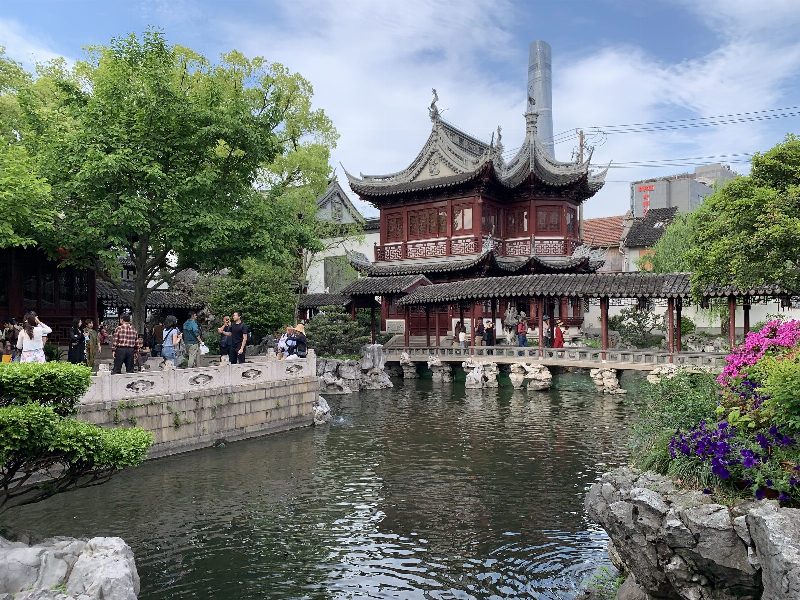
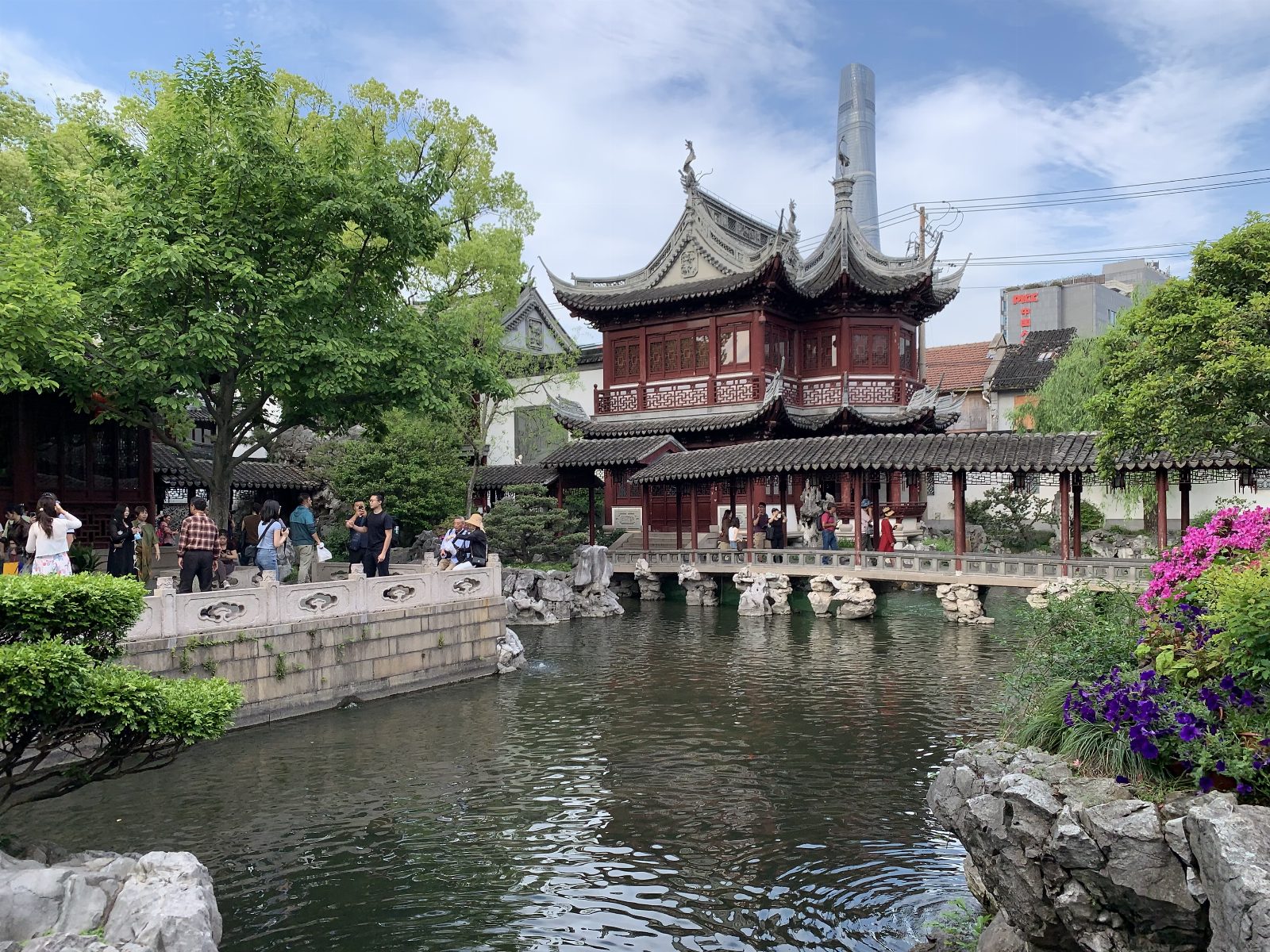
Image source: Wikimedia Commons; license credits as shown.
Overview
Yu Garden is a classical garden in the Jiangnan style, originally built during the Ming Dynasty in the Jiajing era. It is located in the northeastern part of the old city of Huangpu District, Shanghai, near the City God Temple and Yu Garden Shopping Mall. The garden features pavilions, towers, rockeries, and ponds that are arranged harmoniously, earning it the reputation of being 'the most exquisite in Jiangnan.' It is a representative site for tourists to experience the aesthetics of classical Chinese gardens amidst the bustling metropolis.
Getting There
The most convenient way to reach Yu Garden is to take Shanghai Metro Line 10 or Line 14 to 'Yu Garden Station.' From the metro station, it is about a 5–10 minute walk to the garden and the surrounding Yu Garden Shopping Mall. Alternatively, you can take buses 64, 736, 911, or 930 and get off at 'Xinbeimen Station,' then walk a few minutes to the entrance of the scenic area.
Highlights
Yu Garden is a typical classical garden in Jiangnan, renowned for its exquisite landscaping and rich architectural style from the Ming and Qing Dynasties. The garden features rockeries, halls, pavilions, ponds, and ancient trees, and houses important cultural relics such as the jade stone Yulinglong, and the historical site of the Qing Dynasty's Small Knife Society uprising, Dianchuntang. Visitors can experience the traditional garden aesthetics of seeing the grand in the small and changing scenery at every step, making it a must-visit landmark to understand Shanghai's history and Jiangnan culture.
What to See
The core attractions of Yu Garden include several classic buildings and garden spaces, each showcasing the artistry of Jiangnan garden design from the Ming and Qing Dynasties. Key highlights include: - **Yulinglong**: A Taihu stone listed as one of the 'Three Famous Stones of Jiangnan,' known for its exquisite transparency and intricate holes, it is the treasure of the garden. - **Dianchuntang**: The former command post of the Small Knife Society during the late Qing Dynasty, witnessing Shanghai's modern revolutionary history, it is an important historical building in the garden. - **Nine-Bend Bridge and Mid-Lake Pavilion (Nearby Attractions)**: Although often regarded as part of the Yu Garden tour, the Nine-Bend Bridge spans the lake, paired with the antique-style Mid-Lake Pavilion teahouse, forming the most classic waterside scenery of old Shanghai. - **Pavilion and Tower Cluster**: The garden is divided into several scenic areas and courtyards, featuring halls, pavilions, corridors, and rockeries, creating layered visual and movement pathways through doorways, windows, and corridors. - **Ancient Trees and Inscriptions**: The garden preserves a large number of ancient trees, as well as hundreds of inscriptions, stone tablets, paintings, and wood carvings, reflecting a rich cultural atmosphere.
Hours & Admission
Yu Garden is a paid attraction, typically open from morning until evening, with common operating hours from around 09:00 to 16:00. The latest entry time is usually one hour before closing. Ticket prices may vary slightly depending on peak and off-peak seasons, festive events, or package deals. Some online platforms offer pre-sale and fast entry services, so it is recommended to check the latest opening hours and ticket prices through official channels or travel platforms before your visit. During traditional festivals like the Spring Festival and Lantern Festival, crowd control measures or extended opening hours may be implemented, so plan your itinerary in advance.
Address
168 Fuyou Road, Huangpu District, Shanghai, China, near the City God Temple and Yu Garden Shopping Mall, it is the core scenic area in the northeastern part of Shanghai's old city.
Travel Tips
The best seasons to visit Yu Garden are spring and autumn, when the weather is pleasant and the flowers are in full bloom, showcasing the garden's tranquility and beauty. Summer offers the charm of lotus flowers and shade, but be mindful of high temperatures and sun protection. As a popular attraction, it is advisable to avoid China's statutory holidays and peak times during the Spring Festival, or to enter shortly after opening to reduce waiting times and crowds. The paths in the garden are mostly stone slabs and steps, so wearing comfortable shoes suitable for walking for extended periods is recommended, and allocate at least 1.5–2 hours to leisurely explore the various scenic areas. Yu Garden is adjacent to Yu Garden Shopping Mall and the City God Temple commercial area, where you can taste Shanghai and Jiangnan snacks, buy souvenirs, and plan to walk to the Bund, East Nanjing Road, and other places for a half-day or full-day itinerary. On rainy days, the garden offers a unique misty Jiangnan atmosphere, but be sure to prepare rain gear and be cautious of slippery stone paths.
Nearby Dining
The area around Yu Garden, including Yu Garden Shopping Mall and the City God Temple, is a concentrated area for tasting Shanghai and Jiangnan snacks, with options ranging from well-known brands to street food. The famous Nanxiang Soup Dumplings are often considered a must-try, paired with pan-fried buns, glutinous rice balls, and pork rib rice cakes, making them popular choices that many travelers reserve time to queue for. There are also many teahouses and cafes around the garden, where you can enjoy tea and take a break in traditional buildings or waterside spaces, experiencing the blend of ancient charm and modern city atmosphere. If you prefer a quieter dining environment, you can walk slightly away from the crowded core areas to find local restaurants or modern eateries.
FAQ
Q: What are the main attractions of Yu Garden? A: The main attractions of Yu Garden include the classical garden landscape in the Jiangnan style from the Ming and Qing Dynasties, such as the famous jade stone Yulinglong, historical buildings like Dianchuntang, as well as classic features like pavilions, rockeries, ponds, and ancient trees. Visitors can wander through different courtyards and scenic areas along the garden paths, appreciating exquisite brick carvings, wood carvings, couplets, and paintings, while learning about the historical stories and cultural significance behind the garden through explanations. Q: What is the easiest way to get to Yu Garden? A: The easiest way to reach Yu Garden is to take Metro Line 10 or Line 14 to 'Yu Garden Station.' After exiting, it is about a 5–10 minute walk to the garden and the surrounding Yu Garden Shopping Mall. You can also take buses 64, 736, 911, or 930 and get off at 'Xinbeimen Station,' then walk a few minutes into the scenic area. It is recommended to use a map application to confirm the nearest exit and walking route. Q: How much time should I allocate for visiting Yu Garden? A: It is generally recommended to allocate about 1.5–2 hours to visit Yu Garden, allowing enough time to leisurely explore the main scenic areas and take photos. If you also plan to visit Yu Garden Shopping Mall, the City God Temple, and taste nearby snacks, the overall itinerary can easily be arranged for a half-day or even a full day, especially when combined with nearby attractions like the Bund and East Nanjing Road. Q: Are there any free areas in Yu Garden? A: The classical garden of Yu Garden itself requires a ticket for entry, but the adjacent Yu Garden Shopping Mall, the area around Nine-Bend Bridge, and the City God Temple commercial area are open streets where you can stroll freely, take photos, and shop. Many visitors first experience the atmosphere of the old street in the free areas before deciding whether to purchase tickets to enter the garden based on their time and interests. Q: Is Yu Garden suitable for visiting with children or elderly people? A: Yu Garden is suitable for visiting with children and elderly people, but care should be taken as there are stone steps and uneven stone paths within the garden, so extra caution is advised while walking. Bringing children can combine historical stories and traditional architecture for an educational and entertaining experience; for accompanying elderly people, it is advisable to arrange rest points in halls or by the water to avoid walking too long and getting tired.