St. Lazarus Church
MO Country · Macau · Landmarks
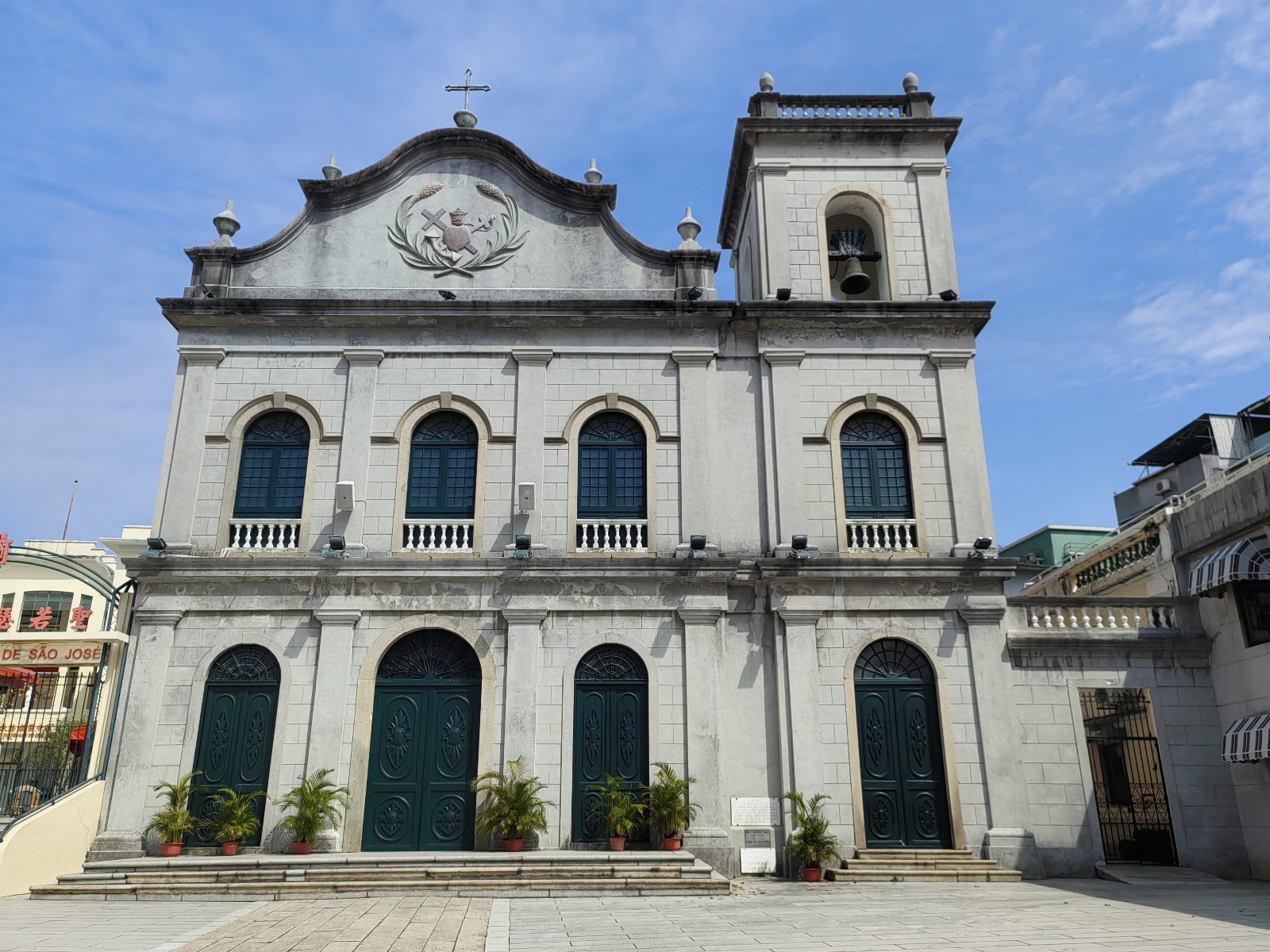
Image source: Wikimedia Commons; license credits as shown.
Overview
St. Lazarus Church is one of the three ancient churches in Macau and one of the earliest Chinese Catholic churches, built in the mid-16th century. The church is located in the central area of the Macau Peninsula, in the St. Lazarus district, featuring a blend of Neoclassical and Baroque elements, with an elegant exterior surrounded by Portuguese-style cobblestone streets and historical buildings. St. Lazarus Church was the first cathedral after the establishment of the Macau Diocese, witnessing over four hundred years of the development of religion and urban history between the East and West.
Getting There
To reach St. Lazarus Church, you can walk about 10 to 15 minutes from Senado Square or New Road, heading uphill along the direction of St. Lazarus Lane. Nearby bus stops include 'St. Lazarus Lane' and 'Bai Ma Hang'. The church is located in the central inland area of the Macau Peninsula, making it suitable for a walking tour connecting with attractions like the Ruins of St. Paul's and Senado Square.
Highlights
St. Lazarus Church is an ancient Catholic parish church with religious, historical, and architectural significance, originally established in the mid-16th century, and is one of the three ancient churches in Macau. The church briefly served as the cathedral of the Macau Diocese before the completion of the main cathedral, making it an important site in the history of Catholicism in Macau. The architectural exterior is based on European classical style with Baroque influences, featuring white walls, arched windows, and a simple facade that harmonizes with the surrounding Portuguese streets. The interior retains ancient altars and religious displays, creating a serene and solemn atmosphere. The St. Lazarus district, where the church is located, was once an upscale residential area and still retains many traditional Portuguese buildings and cobblestone streets, making it an ideal scene for photography and leisurely exploration of Macau's historical streets.
What to See
The main attractions of St. Lazarus Church focus on its ancient church architecture and the surrounding street scenery. The church's facade features light-colored walls complemented by a classical gable and bell tower, with simple yet linear decorations. The religious motifs and Latin inscriptions above the entrance highlight its identity as a Catholic church. The interior creates a tranquil atmosphere with a long nave, simple wooden benches, and light-colored walls, housing statues of the Virgin Mary and St. Lazarus, along with some ancient religious artworks and decorations for detailed appreciation. The small square and courtyard in front of the church are shaded by trees, paired with cobblestone paths and surrounding Portuguese buildings, making it a popular spot for photographers, especially during festivals and light shows when the lighting creates a romantic ambiance. The streets behind the church, such as St. Lazarus Lane, He Long Street, and West Cemetery Road, preserve many Portuguese architectural facades and artistic spaces, providing a walking route that combines religious monuments with creative shops.
Hours & Admission
Admission to St. Lazarus Church is free, but visitors must adhere to the church's opening hours and liturgical activities. According to church information, the church is generally open in the morning and afternoon on weekdays, with Mass held on Sundays and weekdays. There are Cantonese, English, and Portuguese Masses on Sunday mornings and evenings, with times subject to slight adjustments based on diocesan arrangements. As opening hours may occasionally change, it is recommended to check the latest schedule through the Macau Tourism Board or relevant diocesan channels before visiting to avoid disappointment.
Address
11 St. Lazarus Church Square, St. Lazarus District, Macau Peninsula, near He Long Street, West Cemetery Road, and Ma Ge Street.
Travel Tips
Visiting St. Lazarus Church is best arranged during a walking tour of the historical streets of the Macau Peninsula, connecting with the Ruins of St. Paul's, Senado Square, and the St. Lazarus Lane art district, allowing you to enjoy both religious monuments and Portuguese street scenery in one day. As a religious site, visitors should dress modestly and quietly while inside, avoiding loud conversations or moving around during Mass. It is advisable to visit during the day when the light is soft for photographing the church facade and surrounding cobblestone paths; if visiting during the light festival or religious celebrations, the evening lights and parade activities create a unique atmosphere. The area around the church has a slight incline, so please allow time for walking and wear suitable footwear, and be mindful of sun protection and hydration during summer visits.
Nearby Dining
The area around St. Lazarus Church consists of traditional residential and historical streets, with several local restaurants and cafes just a few minutes' walk away, offering Portuguese and local Macanese snacks. Along St. Lazarus Lane and nearby streets, there are several stylish shops and cafes, perfect for a break after visiting the church to enjoy coffee, Portuguese tarts, or light meals, experiencing the slow-paced community life of Macau. It takes about 10 to 15 minutes to walk from the church to Senado Square, where you can find more famous Portuguese restaurants and dessert shops, making it a convenient choice for lunch or dinner.
FAQ
Q: What is the special historical significance of St. Lazarus Church? A: St. Lazarus Church is one of the three ancient churches in Macau and the first cathedral after the establishment of the Macau Diocese, witnessing the development of Catholicism in Macau for over four hundred years. The church was established in the mid-16th century and served as the cathedral before the main cathedral was built, and it is also one of the earliest Catholic churches serving Chinese parishioners, reflecting the early coexistence of Eastern and Western religions and society in Macau. Q: Is there an admission fee to visit St. Lazarus Church? A: There is no admission fee to visit St. Lazarus Church; visitors can freely enter during opening hours for sightseeing and prayer. However, it is important to note that during Mass and religious ceremonies, the priority is given to the rituals of the faithful, so it is recommended to remain quietly or visit during other open hours without disrupting the ceremonies. Q: What are the opening hours and Mass times for St. Lazarus Church? A: St. Lazarus Church is generally open in segments on weekday mornings and afternoons, with multiple Cantonese, English, and Portuguese Masses held on Saturdays and Sundays for the faithful to participate. As specific times may occasionally change, it is advisable to check the latest announcements from the Macau Tourism Board or the diocese before your visit to know the actual opening and Mass schedule for the day. Q: How do I get to St. Lazarus Church from popular attractions in Macau? A: It takes about 10 to 15 minutes to walk from Senado Square or New Road to St. Lazarus Church, following the signs and heading uphill along St. Lazarus Lane to reach the church square. You can also take a Macau bus and get off at 'St. Lazarus Lane' or nearby stops, then walk a few minutes into the St. Lazarus district, making it convenient to connect with attractions like the Ruins of St. Paul's and the Cathedral. Q: What other nearby attractions are worth visiting? A: The area around St. Lazarus Church, including St. Lazarus Lane and the St. Lazarus district itself, is a representative Portuguese historical area, perfect for exploring artistic spaces and old houses. The church is within walking distance to the Ruins of St. Paul's, Senado Square, and the Cathedral, making it suitable for a walking route that combines religious monuments with urban charm. Q: Can I take photos inside St. Lazarus Church? A: Photography is generally allowed outside St. Lazarus Church and in the square, but whether photography is permitted inside depends on the regulations of the day and on-site signage, and respect for religious rituals and the feelings of other worshippers should be maintained. It is recommended to avoid using flash and speaking loudly, even when photography is allowed, to preserve the tranquil atmosphere of the church.